
Not all grief in relationships looks like crying or dramatic breakups. Sometimes it looks like silence, irritation, distance, or emotional numbness. Men and women can grieve different losses inside the same relationship at the same time. One may grieve the loss of affection while the other grieves the loss of emotional safety. One may grieve feeling disrespected while the other grieves feeling unseen. The hardest part is that both can be hurting, but both can feel misunderstood. That misunderstanding can turn grief into resentment. When grief stays quiet, it often leaks into behavior instead of conversation. These are the ways men and women quietly grieve different things while still staying in the same relationship.
Men Often Grieve Loss of Respect, Women Often Grieve Loss of Warmth

Many men feel grief when they sense admiration fading. They notice tone shifts, less appreciation, and less trust in their leadership. Many women feel grief when they sense softness fading. They notice less affection, less curiosity, and less emotional presence. Both are grieving a change in how love feels. The man feels less valued. The woman feels less chosen. Neither may say it clearly. Instead, both start protecting themselves. That protection makes the relationship colder.
Men Grieve Feeling Like a Failure, Women Grieve Feeling Alone

Men often internalize relationship criticism as personal failure. Even small feedback can land as “I’m not enough.” Women often internalize lack of support as loneliness. They feel like they’re carrying life alone. Both are painful, but different. The man may shut down to avoid feeling judged. The woman may push harder to be heard. Then both feel more misunderstood. The grief becomes a loop. One withdraws, the other reaches, and both hurt.
Men Grieve the Loss of Peace, Women Grieve the Loss of Connection

Some men grieve constant tension and conflict. They miss when home felt calm. Some women grieve when the relationship becomes quiet but emotionally empty. They miss closeness and emotional presence. This creates a clash because one wants less talking and the other wants more. Both think they’re protecting the relationship. Both feel disappointed. The man sees conversation as pressure. The woman sees silence as abandonment. They grieve different things and accidentally hurt each other.
Men Grieve Feeling Unwanted, Women Grieve Feeling Unseen

Men often grieve when intimacy decreases and affection feels rare. They interpret it as rejection. Women often grieve when effort and emotional care disappear. They interpret it as being invisible. Both are grieving desire, but in different forms. The man wants physical closeness to feel chosen. The woman wants emotional closeness to feel safe. Without understanding, each thinks the other doesn’t care. That misunderstanding makes grief heavier. A relationship can lose warmth even while love exists.
Men Grieve Losing “Team” Energy, Women Grieve Carrying the Mental Load

Men often grieve when the relationship feels like criticism instead of partnership. They miss feeling like a teammate. Women often grieve when they have to manage everything: planning, remembering, coordinating, and pushing for follow-through. Both miss teamwork. The difference is what they blame. Men may blame conflict. Women may blame passivity. The result is the same: both feel unsupported. They stop trusting each other to be on the same side. That’s grief, not just annoyance.
Men Grieve Not Being Celebrated, Women Grieve Not Being Appreciated
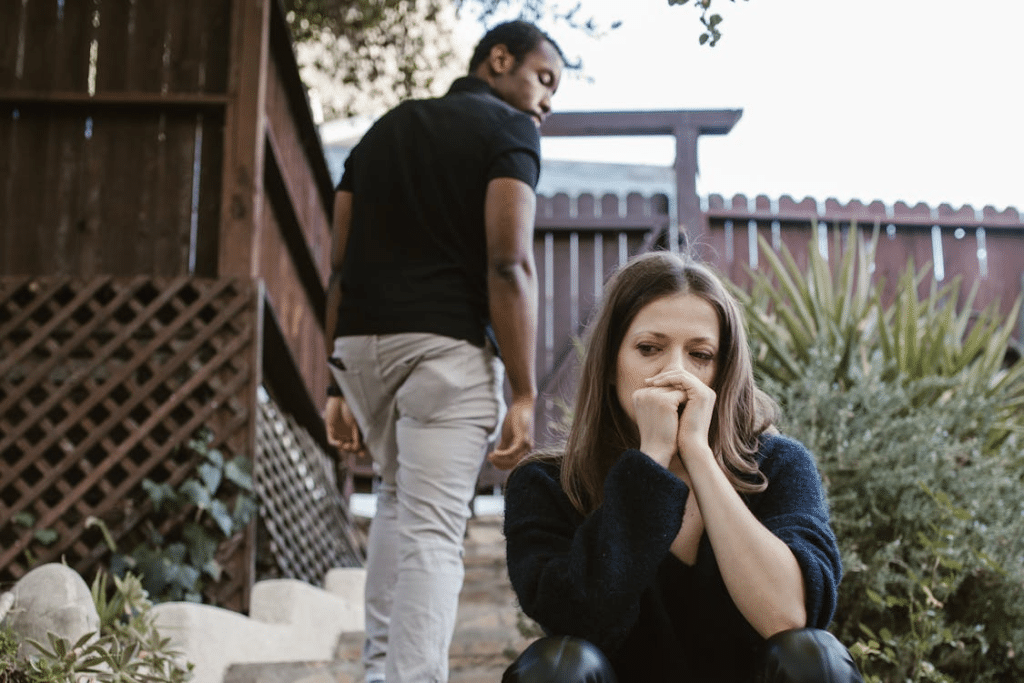
Men often want recognition for effort, responsibility, and consistency. When it’s missing, they feel unseen and unvalued. Women often want appreciation for invisible labor and emotional contribution. When it’s missing, they feel taken for granted. Both are grieving the loss of gratitude. Gratitude is emotional oxygen. Without it, effort feels pointless. Over time, both try less. Then the relationship becomes colder. The grief deepens silently.
Men Grieve Being Viewed as the Problem, Women Grieve Having to Beg for Basics

Men often grieve feeling blamed for everything. They feel like their partner sees only what’s wrong. Women often grieve the humiliation of repeating themselves for basic care. They feel like they have to beg for attention, effort, and partnership. Both are grieving dignity. The man’s dignity feels attacked through criticism. The woman’s dignity feels attacked through neglect. Both feel disrespected in different ways. That’s why both become defensive. Defensiveness hides grief.
Men Grieve Losing Freedom, Women Grieve Losing Safety

Some men grieve feeling controlled or constantly monitored. They miss feeling trusted and free. Some women grieve feeling emotionally unsafe or uncertain. They miss reliability and reassurance. These griefs clash because one sees boundaries as control and the other sees them as protection. Men may pull away to reclaim autonomy. Women may push for clarity to regain safety. Both are trying to soothe a loss. But the methods collide. The relationship becomes tense from two different fears.
Men Grieve the Loss of Friendship, Women Grieve the Loss of Emotional Intimacy

Men often feel most connected through shared fun, laughter, and easy companionship. When that disappears, they grieve the friendship layer. Women often feel most connected through emotional depth and vulnerability. When that disappears, they grieve intimacy. Both losses create loneliness. But each partner may chase connection in a different way. One suggests doing something together. The other suggests talking more. They both want closeness, but they speak different languages. Untranslated grief becomes frustration.
Men Grieve Feeling Replaced by Screens, Women Grieve Feeling Alone in the Same Room

When a man feels ignored, he often notices how attention is divided. He may feel like he’s competing for affection. When a woman feels lonely, she notices how emotionally absent her partner is even when present physically. Both experiences can happen at once. The home becomes quiet and distracted. Both feel like they’re living beside each other. That proximity without presence is painful. They grieve the loss of attention, which is daily love. Without attention, warmth fades.
Men Grieve the Loss of Being Needed, Women Grieve the Loss of Being Cherished

Men often want to feel useful and valued for what they provide. When they feel unnecessary or criticized, they grieve that role. Women often want to feel cherished, not just kept. When romance and tenderness fade, they grieve feeling special. Both are grieving value. One wants appreciation for contribution. The other wants affection that feels personal. Without both, the relationship feels transactional. Transactional love feels empty.
Men Grieve the Loss of Trust, Women Grieve the Loss of Initiative

Men may grieve when they feel their partner doesn’t trust them, even if they never cheated. Suspicion, checking, and constant questioning create a feeling of being doubted. Women often grieve when their partner stops initiating, planning, and noticing. She feels like she’s leading everything alone. Both are grieving a lack of confidence in the relationship. Trust is a two-way experience. He wants to be trusted. She wants proof she can trust. When proof is missing, both hurt.
Men Grieve Feeling Disrespected in Tone, Women Grieve Feeling Dismissed in Meaning

Men often notice how a partner speaks to them. Sharp tone and criticism can feel like disrespect. Women often notice how their emotions are received. Being told “you’re overreacting” feels like dismissal. Both are dignity injuries. Men shut down when tone feels insulting. Women shut down when meaning feels ignored. Both feel unsafe. The relationship becomes a place where feelings are punished. That’s grief building into distance.
Men Grieve Losing Confidence, Women Grieve Losing Hope

When a man feels like he can’t do anything right, his confidence drops. That can lead to withdrawal and avoidance. When a woman feels like nothing changes, her hope drops. That can lead to silence and detachment. Both are grief responses. Confidence loss looks like shutting down. Hope loss looks like giving up. Both create less effort, which makes the relationship worse. The grief becomes self-fulfilling. The couple breaks down through quiet exhaustion.
Men Grieve the Loss of Respect in Public, Women Grieve the Loss of Protection

Men often feel grief when a partner criticizes them in front of others or doesn’t support them publicly. Women often feel grief when a partner doesn’t defend the relationship unit against family disrespect or outside interference. Both are about loyalty. Loyalty is not only being faithful. It’s protecting dignity publicly. When public loyalty feels weak, trust at home weakens too. Both partners feel exposed. Exposure creates insecurity. Insecurity fuels distance.
Men Grieve Feeling Like Romance Is “Never Enough,” Women Grieve Feeling Like Effort Is “Never There”

Some men grieve feeling like their effort is never noticed. They feel like they can’t satisfy their partner. Some women grieve feeling like effort is rare and reactive. She feels like she shouldn’t have to beg for basics. Both are grieving fairness. Men feel judged. Women feel neglected. Each sees the other as unreasonable. Without translation, both become resentful. Resentment is grief with anger on top.
Men Grieve Losing Physical Closeness, Women Grieve Losing Emotional Safety

Men often connect through physical closeness and feel rejected when it declines. Women often connect through safety and withdraw physically when safety declines. This creates a painful cycle. He feels unwanted, so he becomes hurt or pushy. She feels pressured, so she pulls away more. Both are grieving closeness, but from different angles. Without gentle conversation, the cycle hardens. The bedroom becomes a tension point instead of a bond. Grief becomes resentment.
Men Grieve Feeling Like a Roommate, Women Grieve Feeling Like a Single Person With a Spouse

Men may grieve when the relationship becomes purely practical and affection disappears. Women may grieve when they feel they’re running life alone while married. Both feel lonely, but in different forms. The man feels emotionally and physically disconnected. The woman feels burdened and unsupported. Both experience the home as heavy. Heavy homes create emotional withdrawal. Withdrawal makes loneliness worse. That’s how both can grieve in the same house.
They Grieve the Same Relationship, But Different Losses

Men and women often grieve different parts of the same decline. One grieves respect, the other grieves warmth. One grieves peace, the other grieves connection. When both don’t name it, they start blaming instead of understanding. Quiet grief becomes visible through tone, distance, and reduced effort. The most important step is translation: asking what the other is losing and what they miss. Grief doesn’t always mean the relationship is ending. It often means something valuable is slipping. When grief is named early, repair becomes possible. When it stays quiet, it becomes the reason people slowly detach.








Ask Me Anything