
A man can be fun, playful, and still be a responsible husband. “Manchild” isn’t about liking games, jokes, or having a hobby. It’s about how a man handles responsibility, accountability, and partnership when real life demands show up. In marriage, immaturity usually creates a parent-child dynamic. One partner becomes the manager, the planner, and the emotional adult. The other partner becomes dependent, defensive, or avoidant. That dynamic kills attraction, drains patience, and builds resentment over time. Many wives stay quiet for years before they finally snap or emotionally detach. These 17 patterns often reveal a man who still hasn’t grown into adult partnership.
The Household Responsibility Red Flags: When He Treats Marriage Like a Hotel
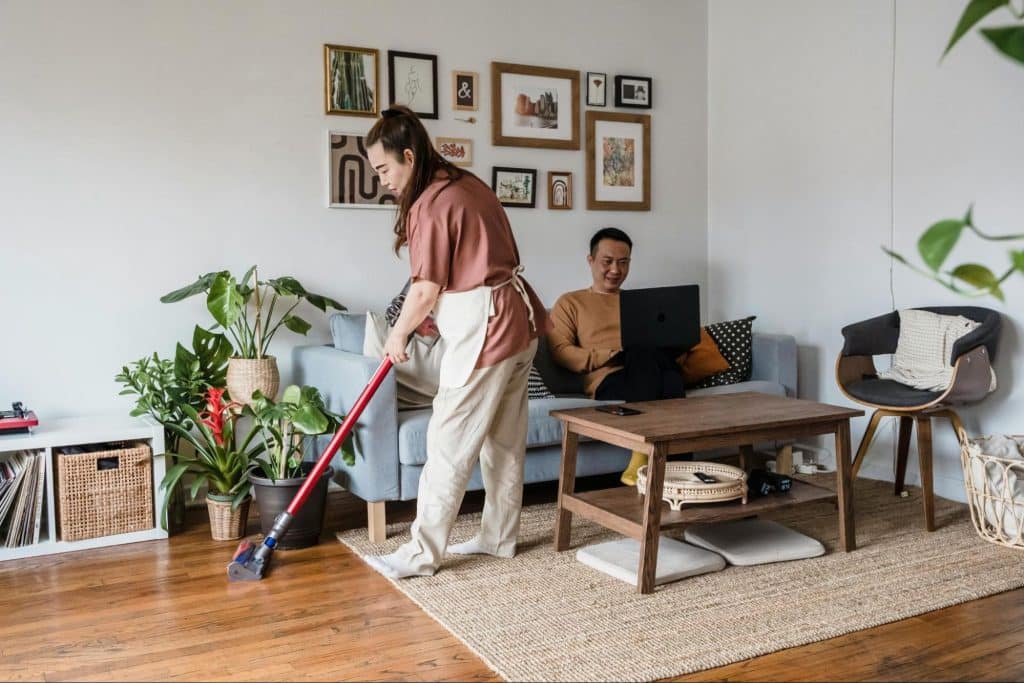
Marriage is shared life, not shared space. A manchild often enjoys the benefits of a home without taking ownership of the work. He may “help” occasionally, but he doesn’t have responsibilities like an adult. That forces the wife into a manager role. Managing is exhausting, and it kills romance fast. These patterns are not just about chores, they’re about respect and fairness. A marriage cannot feel equal when one person carries the invisible load. Over time, resentment becomes the background noise. These signs often show a hotel-guest mindset.
He Waits to Be Told What to Do

An adult notices what needs doing without being assigned tasks. A manchild acts like chores require instructions. This turns the wife into a supervisor instead of a partner. Supervision drains energy and creates frustration. It also makes the man look less capable, which affects attraction. Many wives stop asking because they’re tired of repeating themselves. Then the husband says she “never tells him anything.” But she did, hundreds of times. Ownership is the maturity marker, not compliance. If he only moves when directed, the marriage becomes unequal.
He Creates Mess, Then Acts Confused When It Matters

Some men leave dishes, clothes, trash, and unfinished tasks everywhere. Then they seem genuinely shocked when it becomes a problem. This forces the wife to either clean it or live in chaos. Both options create resentment. Chaos also raises stress at home, making intimacy harder. It’s not about perfection; it’s about basic respect for shared space. A manchild often thinks cleanup is optional or someone else’s job. He may call the wife “too strict” or “too picky.” But the real issue is responsibility avoidance. Adults clean up because they live there too.
He “Helps” Like It Deserves a Trophy

Helping is not the same as owning responsibility. A manchild frames basic adult tasks as favors. He expects praise for doing the minimum. This creates an unfair emotional dynamic because the wife becomes the audience for his adult behavior. It also suggests he sees the home as her responsibility. That mindset turns partnership into hierarchy. Many wives lose attraction when they feel like they’re parenting a grown man. Praise is healthy, but entitlement to praise is not. In a marriage, contribution is normal. If he wants applause for being functional, maturity is missing.
He Disappears During Busy Seasons and Leaves Her Carrying Everything

During stressful periods, kids, work, family obligations, a mature partner steps up. A manchild steps back. He may hide in screens, hobbies, or “needing space.” Meanwhile, she carries logistics and emotional load alone. That creates deep resentment because it feels like abandonment. Many wives remember who showed up during hard seasons. They also remember who didn’t. A manchild often calls it “being overwhelmed,” but never changes behavior. Over time, the wife stops trusting him in real-life moments. Trust loss changes intimacy. Intimacy requires partnership.
The Emotional Immaturity Signs: When He Can’t Handle Adult Conversations

A marriage needs hard conversations: finances, parenting, boundaries, stress, and future planning. A manchild avoids these talks or turns them into drama. He may shut down, get defensive, or act like the wife is attacking him. That makes communication unsafe. Unsafe communication leads to silence. Silence leads to emotional distance. Emotional distance leads to a cold marriage. Many wives stop talking because it feels pointless. Then he claims she’s “always mad.” But she’s often just tired. These patterns show emotional immaturity.
He Turns Feedback Into a Fight

Mature men can hear feedback without losing control. A manchild treats feedback like an insult. He becomes defensive, argumentative, or sarcastic. This teaches the wife not to speak up. That creates bottled resentment. Bottled resentment comes out later as coldness or explosive frustration. The man then acts surprised and calls it “out of nowhere.” But it wasn’t out of nowhere; it was stored. A partner who can’t receive feedback can’t grow. Growth is required for long-term marriage success. If every conversation becomes a battle, peace becomes impossible.
He Uses Sulking as a Strategy

Some men pout, withdraw, or act moody to avoid accountability. This is emotional manipulation in soft form. It pressures the wife to drop the issue to restore peace. Over time, she learns that honesty creates punishment. That makes her quieter and more detached. Detachment is often the beginning of emotional exit. Sulking also makes the husband look childish, not strong. Strength includes emotional regulation, not tantrums. A manchild uses mood as leverage. A mature man uses conversation.
He Needs You to Manage His Emotions
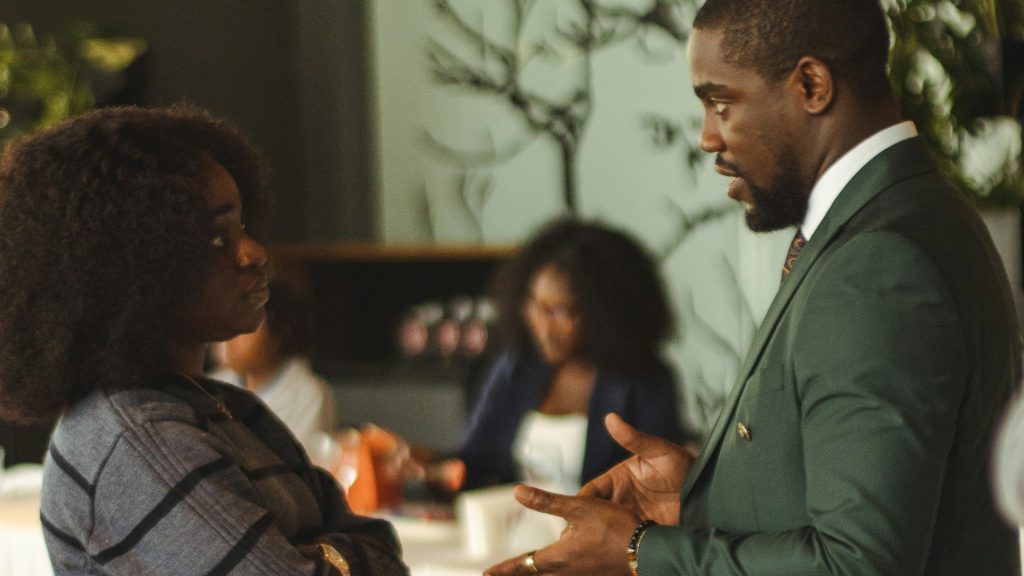
In a healthy marriage, partners support each other, but each adult still self-regulates. A manchild needs constant soothing, reassurance, and emotional babysitting. If he’s stressed, everyone must adjust to his mood. If he’s frustrated, the house becomes tense. This is exhausting for the wife because she never truly relaxes. Over time, she becomes less affectionate because affection feels risky. She may also feel emotionally unsafe because his mood is unpredictable. Emotional unpredictability kills romance. A wife cannot feel playful around someone she must constantly manage. That management is not love; it’s caretaking.
He Avoids Responsibility by Saying He’s “Just Not Good at It”

This is a common excuse for dodging adulthood. A manchild claims incompetence so the wife will take over. That creates a long-term imbalance. The wife becomes the default adult because it feels easier than fighting. But ease turns into resentment. Resentment turns into emotional coldness. The man then complains that the wife isn’t affectionate anymore. But affection often dies when partnership becomes unfair. Adults learn and improve; they don’t hide behind incompetence. “Not good at it” can be honest once. If it becomes permanent, it’s avoidable.
The Lifestyle Patterns: When He Prioritizes Comfort Over Growth

Marriage requires adaptation and growth. A manchild resists growth because comfort is his priority. He wants the benefits of marriage without the responsibilities. He may avoid health, finances, planning, and discipline. The wife becomes the one pushing for adulthood. That creates tension because nobody wants to be the constant reminder. Growth resistance is also unattractive because it signals low ambition. Many wives lose admiration when they feel their husband is stuck. Admiration matters for desire. Desire needs respect. These patterns often reveal comfort addiction.
He Treats Money Like It’s Someone Else’s Problem

A manchild avoids budgeting, long-term planning, or financial conversations. He may spend impulsively or ignore bills. Then he acts shocked when finances become stressful. This forces the wife into the role of financial manager. Being a financial manager is not a romantic role. It also creates fear because stability is uncertain. Uncertainty reduces emotional safety. Emotional safety supports intimacy. Money issues also become a constant source of conflict. A mature husband participates in financial reality. A manchild avoids it until it becomes a crisis.
He Avoids Basic Health and Self-Discipline

Discipline is not about being perfect; it’s about being responsible. A manchild often neglects sleep, health, and routines, then complains about low energy or mood. That affects the marriage climate. If he’s always tired, moody, and unmotivated, the relationship becomes heavy. A wife can be supportive, but she cannot carry someone’s lifestyle choices forever. Self-discipline also affects respect. People respect someone who can lead themselves. If he cannot lead himself, leadership in marriage becomes impossible. This pattern can quietly drain admiration over time. Admiration loss often becomes attraction loss.
He Needs Constant Escapes Instead of Facing Real Life

Everyone needs rest, but constant escape is avoidance. A manchild uses screens, hobbies, or distractions to avoid responsibility. He checks out when real conversations are needed. The wife becomes the only one dealing with real life. That creates loneliness inside the marriage. Lonely partners often emotionally detach. Detachment makes the marriage feel cold and distant. The husband might think he’s “just relaxing.” But if relaxing is always avoided, it damages the partnership. A mature man can relax and still show up. A manchild disappears emotionally.
The Respect and Repair Tests: Where the Marriage Starts Breaking

Many wives can tolerate a lot, until respect disappears. Respect is shown through accountability, effort, and repair. A manchild often fails at repair because ego is more important than growth. He may refuse to apologize or change. Over time, the wife stops believing things will improve. When belief stops, emotional investment stops. Emotional investment is what keeps love alive. If repair disappears, resentment becomes permanent. These patterns often show a marriage heading toward emotional shutdown.
He Apologizes Only to End the Conversation, Not to Change

Some apologies are just peace offerings. They’re designed to stop conflict, not to improve behavior. A wife can feel the difference. A “sorry” without change becomes meaningless fast. Then she stops trusting his words. Trust loss reduces warmth and openness. When the wife stops trusting, she stops softening. She becomes more guarded. Guarded partners are less affectionate, not because they’re cruel, but because they’re protecting themselves. A mature man apologizes and adjusts. A manchild apologizes and repeats.
He Makes Everything About Him When You’re Hurt

If the wife expresses pain and he responds with defensiveness or self-pity, it becomes unsafe to share feelings. The conversation shifts from her experience to his ego. That dynamic is exhausting. It also teaches her that her emotions will not be held with care. Over time, she stops sharing. Then the marriage becomes emotionally empty. Emotional emptiness kills connection. A mature husband can sit with discomfort and listen. A manchild needs to be the victim even when he causes harm. That pattern destroys emotional safety.
He Expects Loyalty and Affection While Acting Unreliable

A manchild often wants the benefits of marriage, respect, intimacy, loyalty, without showing consistent partnership. That creates entitlement. Entitlement is unattractive because it shows low empathy. It also creates a double standard: he expects patience, but gives inconsistency. Over time, the wife stops giving affection because it feels unearned. Affection grows in safety and fairness. If reliability is missing, safety is missing. Without safety, desire shrinks. If he expects “wife energy” while giving “boyfriend effort,” resentment will build.
A Manchild Marriage Feels Like Parenting, Not Partnership

These patterns are not about hobbies or personality quirks. They’re about responsibility, emotional maturity, and shared ownership. When a husband behaves like a dependent, the wife becomes the manager. That parent-child dynamic drains attraction and builds resentment. The marriage becomes heavy, not romantic. The good news is that maturity is learnable if he is willing to change. Real change looks like initiative, accountability, and consistent follow-through. It also looks like listening without defensiveness and stepping up without being asked. If these habits stay the same for years, the relationship will likely feel colder over time. Marriage works best when both adults act like adults. A wife should not have to raise the man she married.








Ask Me Anything