
Most people think red flags should make decisions easy. See the warning sign, walk away, move on. But in real life, people notice the signs and still stay, still hope, still rationalize. That doesn’t always mean they’re weak or foolish. It usually means the relationship is feeding something emotional that logic can’t easily override. Attachment, fear, chemistry, and timing can be stronger than common sense. Some people also stay because leaving would force uncomfortable change. The truth is that red flags don’t always feel like danger when emotions are involved. They can feel like “a challenge,” “a phase,” or “something that can be fixed.” These are the honest reasons people keep going even when they know something is off.
Chemistry Makes the Warning Signs Feel Smaller

Strong attraction can distort judgment. The connection feels rare, intense, and exciting, so red flags get minimized. People tell themselves the issues are the price of passion. They focus on the highs and tolerate the lows. Chemistry also creates quick bonding that feels like destiny. That makes it harder to be objective. The brain treats emotional excitement as proof of compatibility. Over time, the person becomes addicted to the emotional rush. Red flags start looking like “personality quirks” instead of threats.
Hope Becomes a Plan

Many people stay because they believe the best version of the person will return. They remember early effort, early sweetness, and early consistency. So they assume the current problems are temporary. Hope turns into waiting. Waiting turns into years. People often confuse potential with reality. They stay for who the person could be, not who they consistently are. This makes red flags feel like “growth opportunities.” Hope can be beautiful, but it can also trap.
They Think Love Should Be Hard

Some people were raised to believe relationships require suffering. If love feels calm, they assume it’s boring or fake. So they tolerate drama because it feels familiar. They confuse chaos with passion. They also interpret discomfort as commitment proof. This belief makes red flags feel normal. They don’t leave because they assume this is what love looks like. Over time, unhealthy patterns become relationship culture. Familiar pain becomes comfort.
They Don’t Trust Their Own Judgment
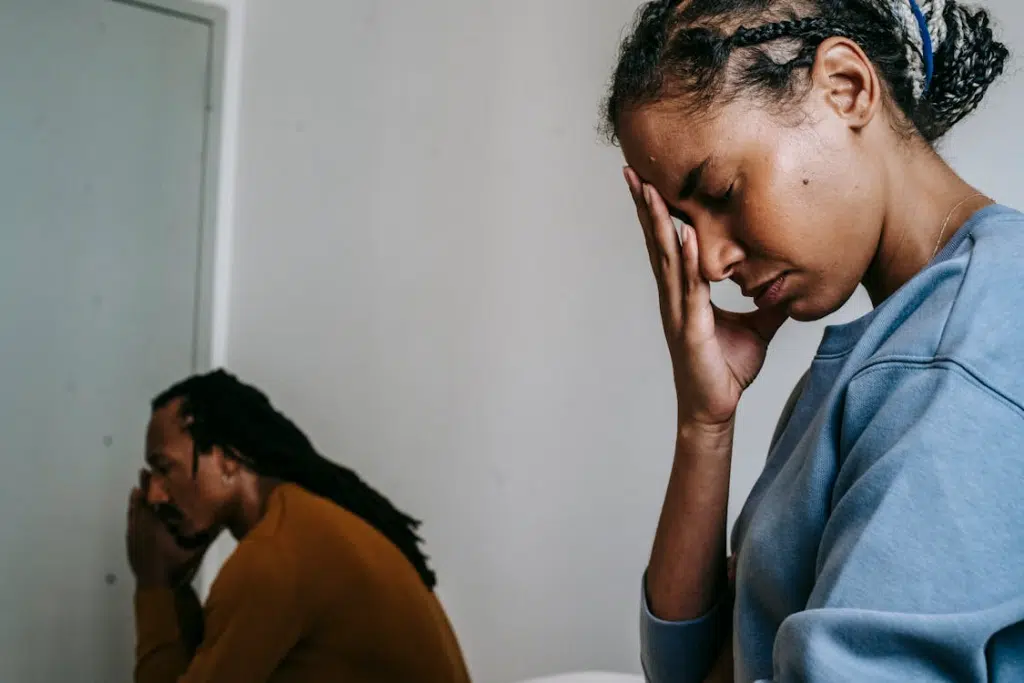
Low confidence makes people second-guess themselves. They see the red flags, then wonder if they’re being too harsh. They fear being unfair or making the “wrong” decision. Some people have been told they’re too sensitive, so they doubt their instincts. This makes them stay longer than they should. They keep collecting evidence, hoping for certainty. But certainty rarely comes in real time. Red flags remain, and the person remains stuck. Doubt becomes paralysis.
They’re Afraid of Being Alone

Fear of loneliness keeps many people in unhealthy relationships. Being alone sounds worse than being disappointed. Some people fear they won’t find someone better. Others fear starting over after investing time and emotion. Loneliness can feel like failure, especially when friends are partnered. So they choose familiar stress instead of uncertain freedom. Even bad attention can feel better than no attention. Fear is powerful because it affects identity. People often stay because leaving feels like stepping into a void.
They Feel Invested and Don’t Want to “Waste” Time

Time investment creates emotional pressure. People think leaving means all the effort was pointless. They keep going because they want the story to pay off. This is the sunk cost trap. The more time, money, or energy invested, the harder it is to stop. They tell themselves, “I’ve already come this far.” But investment doesn’t guarantee a good future. Staying out of sunk cost often creates more loss. Yet emotionally, it feels like quitting. Red flags get tolerated because the cost of leaving feels too high.
They Confuse Attention With Love

Some people feel deeply validated by being wanted. If the partner is intense, jealous, or constantly texting, it feels like devotion. In reality, it may be control or insecurity. But it still feeds the need to feel chosen. People stay because the attention makes them feel special. They overlook red flags because the emotional high feels like love. The relationship becomes addictive. When attention fades, they chase it harder. Red flags become the background noise behind validation.
They Keep Waiting for a Clear “Dealbreaker Moment”

Some people won’t leave until something obvious happens. They want a dramatic reason so they won’t feel guilty. So they tolerate constant small issues. They tell themselves it’s not “bad enough” yet. But small issues repeated for years can be more damaging than one dramatic event. Waiting for the big moment often means missing the slow decline. The relationship becomes a holding pattern. They don’t leave because they don’t feel justified. Meanwhile, the red flags keep accumulating.
They Believe They Can “Fix” the Person

Some people stay because they think love will heal the partner’s issues. They become the coach, rescuer, or therapist. Fixing gives them purpose, especially if they tie self-worth to being needed. They tolerate red flags because they see them as projects. But projects don’t create stable partnership. People change only when they choose to, not when someone loves them hard enough. Over time, the fixer becomes exhausted. But leaving feels like abandoning the mission. Red flags remain because the focus is on rescue, not reality.
They’re Addicted to the High-Low Cycle

Some relationships run on emotional extremes. Big fights, big makeups, intense closeness, then distance again. The cycle becomes chemically addictive. Calm feels boring after chaos. People stay because the highs feel like proof of connection. They ignore red flags because drama has become normal. The relationship becomes a roller coaster, and they mistake adrenaline for love. Over time, the cycle damages trust and peace. Yet they keep returning because withdrawal feels painful. Addiction to intensity is real.
They’re Attached to the Image of the Relationship
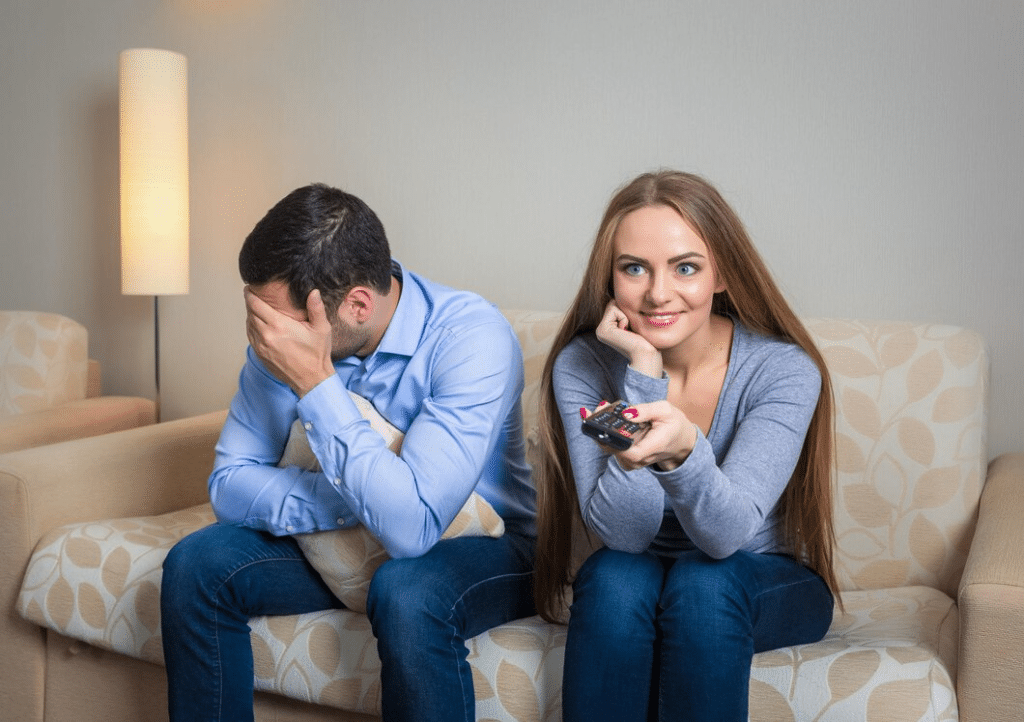
Some people stay because they want the relationship to work publicly. They don’t want to explain a breakup. They don’t want to admit they chose wrong. They fear judgment from family or friends. This is especially common when the relationship is “serious” or long-term. The public story becomes more important than private reality. They tolerate red flags to protect the image. Pride keeps them stuck. Leaving feels like humiliation. So they keep trying to make the story true.
They Mistake Apologies for Change

Some partners apologize beautifully. They cry, promise, and sound convincing. People stay because they confuse emotional apology with real transformation. The apology creates hope and resets the relationship temporarily. Then the pattern returns. Over time, the apology becomes part of the cycle. People keep staying because the apology feels like love. But love without change becomes manipulation, even if unintentional. Real change is behavioral and consistent. When that’s missing, red flags remain. The person stays because they keep believing the words.
They Normalize the Red Flags Because They’ve Seen Worse

Some people grew up around unhealthy relationships. Compared to what they know, the current red flags feel minor. They think, “At least there’s no screaming,” or “At least they come home.” This creates a low bar. They tolerate disrespect, neglect, or control because it’s not extreme. But “not the worst” isn’t healthy. Over time, the relationship still harms them. Normalizing happens slowly because it feels like survival. People accept less because their reference point is painful. Red flags don’t look red if you’re used to smoke.
They Fear the Practical Fallout

Leaving isn’t only emotional. It’s logistical. Money, housing, children, shared friends, and social consequences all matter. Some people stay because leaving would disrupt everything. Even dating relationships can involve shared routines and support systems. The fear of instability keeps them in place. They choose the known struggle over the unknown chaos. Practical fear can override emotional truth. They tell themselves they’ll leave “when it’s easier.” Easier often never comes.
They Believe Their Needs Are Too Much

Some people were taught to minimize themselves. They feel guilty for wanting consistency, respect, or attention. When red flags appear, they blame themselves for being demanding. They keep staying because they think they should be more patient. This creates self-silencing and lowered standards. Over time, resentment grows because needs don’t disappear. They just go underground. People tolerate red flags when they’ve learned to distrust their own needs. Healthy love doesn’t require self-erasure.
They Don’t Leave Until the Hope Dies

For many people, the final reason is simple. They stay because they still believe. They believe the partner will change, the relationship will improve, or the love will return. The problem is that hope has a lifespan when patterns don’t change. When hope finally dies, leaving becomes possible. That’s why breakups often look sudden. The decision was building quietly for a long time. Red flags don’t always end the relationship immediately. They end it slowly through exhausted hope.
The Hidden Cost—What Staying Usually Does to Self-Respect

Staying while ignoring red flags often changes how a person sees themselves. They start feeling weaker, smaller, and less confident in their own standards. They may become more anxious, more reactive, or more numb. Over time, they stop trusting their instincts because they keep overriding them. This creates a quiet identity problem: “Why am I accepting this?” The relationship becomes not only stressful, but self-respect draining. Many people don’t leave because they’re attached. Then they stay long enough to feel ashamed of staying. Shame makes leaving even harder.
Why Red Flags Get Louder After Commitment

Many people notice the red flags early, but the relationship still feels exciting. After commitment, the patterns intensify because there’s less pressure to impress. What felt “small” becomes constant. The person who tolerated the early signs now feels stuck with the upgraded version of the same problem. This is why waiting doesn’t fix red flags. It often rewards them. The longer the relationship lasts, the more the cost of leaving increases. That’s also why people tolerate more—they feel locked in.
Knowing the Red Flag Isn’t Enough—The Real Question Is What It’s Costing

Most people continue because leaving costs something too: comfort, routine, identity, and hope. But staying also costs something, usually slowly. If red flags are visible, the most important move is honesty with self, not denial. The goal isn’t to panic or label everything toxic. The goal is to stop negotiating with reality. A healthy relationship does not require ignoring your instincts or shrinking your needs. Clarity starts with boundaries, not more patience. When a red flag keeps repeating, it’s no longer a warning—it’s a pattern. And patterns are what decide outcomes.








Ask Me Anything