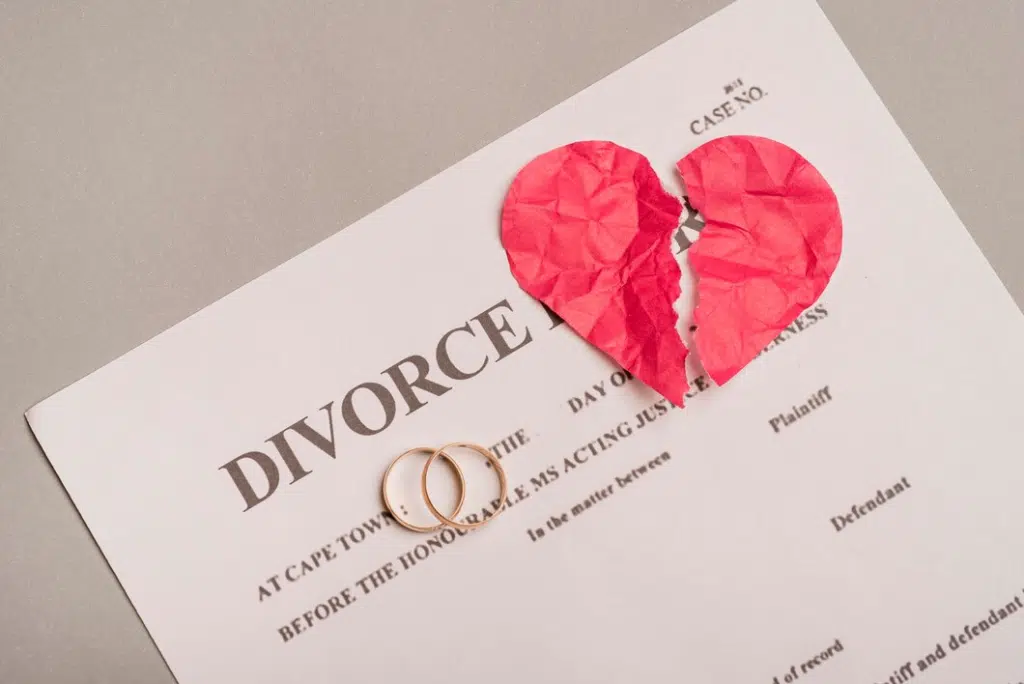
Divorce often ends the marriage, but it doesn’t immediately end the emotions. Many people carry thoughts for years that they never said out loud during the relationship. Some stayed quiet to keep peace. Some stayed quiet because they didn’t have the words. And some stayed quiet because they hoped things would change without confrontation. After divorce, the pressure to protect the relationship image disappears. That’s when honesty tends to show up—sometimes painfully, sometimes with relief. These thoughts aren’t always polite, but they’re often real. They also explain why “out of nowhere” endings rarely happen. Here are the thoughts many people finally admit after divorce.
“I Was Lonely Even While Married”

This is one of the most common confessions. Being partnered didn’t mean feeling emotionally connected. The relationship may have worked on paper, but the inner world felt unseen. Conversations stayed functional instead of intimate. Over time, loneliness became normal. The painful part is that loneliness inside marriage feels invisible to outsiders. People often stayed because they didn’t want to break a “stable” life. But stability without connection is still loneliness. After divorce, many admit this was the real wound.
“I Kept Lowering My Standards to Keep Peace”

At first, standards were clear. Then conflict made those standards feel costly. People compromised more than they planned because they wanted harmony. Over time, compromise turned into shrinking. They stopped asking for basic effort because it felt like begging. They accepted less affection, less time, and less partnership. They told themselves it was normal marriage reality. After divorce, they often realize how much they tolerated. Peace felt cheaper than confrontation, until the cost became too high. That’s when they admit the truth.
“The Relationship Was Running on My Effort”

Many divorced people admit they were the one keeping things alive. They initiated repair, planned time, and carried the emotional labor. The other partner participated, but rarely led. This created exhaustion that wasn’t obvious at first. Over time, the relationship felt like a job with no rest. When they finally stopped carrying it, the marriage collapsed quickly. That’s why the other partner felt blindsided. After divorce, this is often said plainly: it wasn’t mutual. It was maintained by one person’s energy.
“I Tried to Explain, But It Never Really Landed”

Many people did talk about problems. The issue was that nothing changed. They felt like their partner listened in the moment and then returned to the same patterns. Over time, they stopped believing conversation mattered. They became quieter and more detached. The other partner often interpreted the silence as improvement. After divorce, the truth comes out: the silence was resignation, not peace. Being unheard repeatedly kills hope. And hope is what fuels effort.
“I Was More Relaxed When You Weren’t Around”

This one sounds harsh, but many people admit it. They felt calmer alone than together. Home didn’t feel like relief—it felt like tension management. Even small interactions felt loaded. Over time, they started avoiding shared space. Not always consciously, but through busyness and distraction. After divorce, they recognize the truth: the marriage had become emotionally heavy. Feeling relaxed away from the relationship was a sign it wasn’t healthy. They just didn’t want to admit it while still married.
“I Was Tired of Begging for Basic Decency”

Many divorced people say they didn’t want perfection. They wanted consistent basics: respect, time, attention, and partnership. Having to repeatedly ask felt humiliating and exhausting. Over time, they stopped asking. That was the beginning of the end. After divorce, they often say, “I should’ve left when I started begging.” Begging damages dignity. Dignity matters in long-term love. When dignity breaks, love becomes harder to feel.
“I Resented You, But I Didn’t Know How to Fix It”

Resentment can grow quietly for years. Many people didn’t even realize it was building until they felt numb. They carried small disappointments that were never repaired. Each one added weight. Over time, resentment became the relationship atmosphere. They didn’t always want to leave, they just didn’t know how to return to warmth. After divorce, they admit resentment was the real poison. It wasn’t one big betrayal. It was a thousand small ones. Repair wasn’t happening, so resentment hardened.
“I Was Afraid to Be Honest Because It Would Start a War”
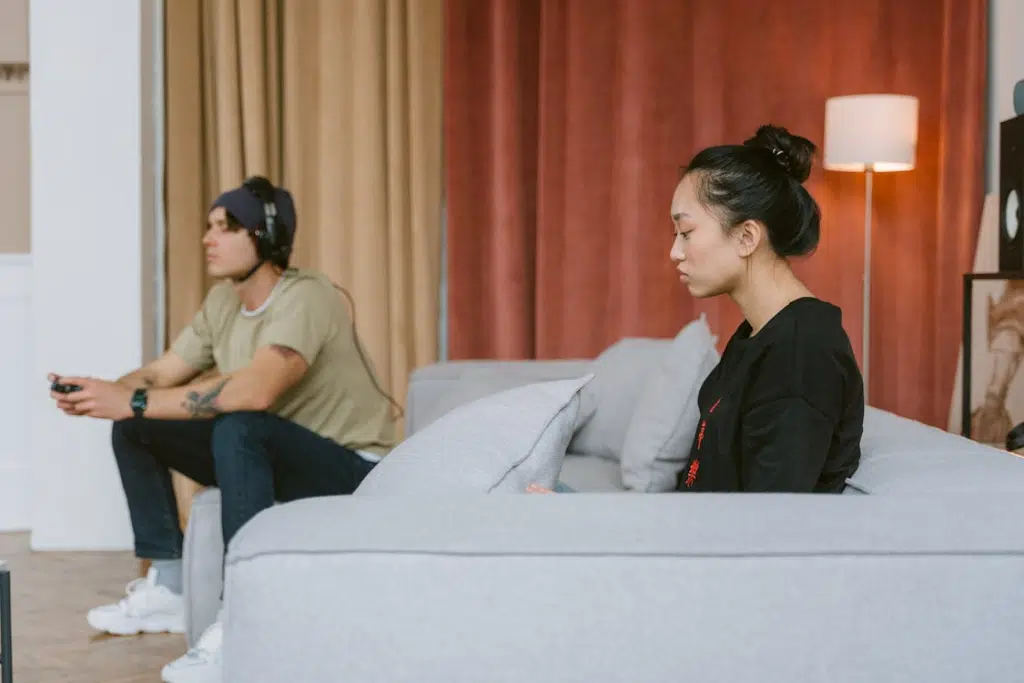
Some people withheld truth to avoid conflict. They learned that honesty triggered defensiveness, shutdown, or escalation. So they edited themselves. This created surface calm but deeper disconnection. After divorce, they realize they weren’t fully themselves in the marriage. They were performing peace. They often say, “I couldn’t say what I really felt.” That’s a painful truth, because intimacy needs honesty. Without honesty, partners become strangers. The relationship may continue, but it doesn’t feel alive.
“We Stopped Being a Team”

Many divorced people say the biggest loss was teamwork. Instead of “us versus the problem,” it became “me versus you.” Small issues became battles. They stopped assuming good intent. They started preparing for conflict even in normal conversations. That shift killed softness and increased defensiveness. After divorce, they often admit they didn’t feel supported. They felt opposed. Teamwork is not romance, but it’s the backbone of long-term love. When teamwork dies, the relationship becomes exhausting.
“I Stayed Too Long Because I Feared Starting Over”

Fear keeps many marriages together longer than love does. People stayed because leaving felt terrifying. They worried about loneliness, finances, and identity. They also feared regret and judgment. So they endured dissatisfaction. After divorce, many admit the fear was bigger than the relationship itself. They often say, “I wish I didn’t wait so long.” Waiting didn’t fix it. It just extended the unhappiness. Fear creates delay, not repair.
“I Grieved the Marriage While We Were Still Together”
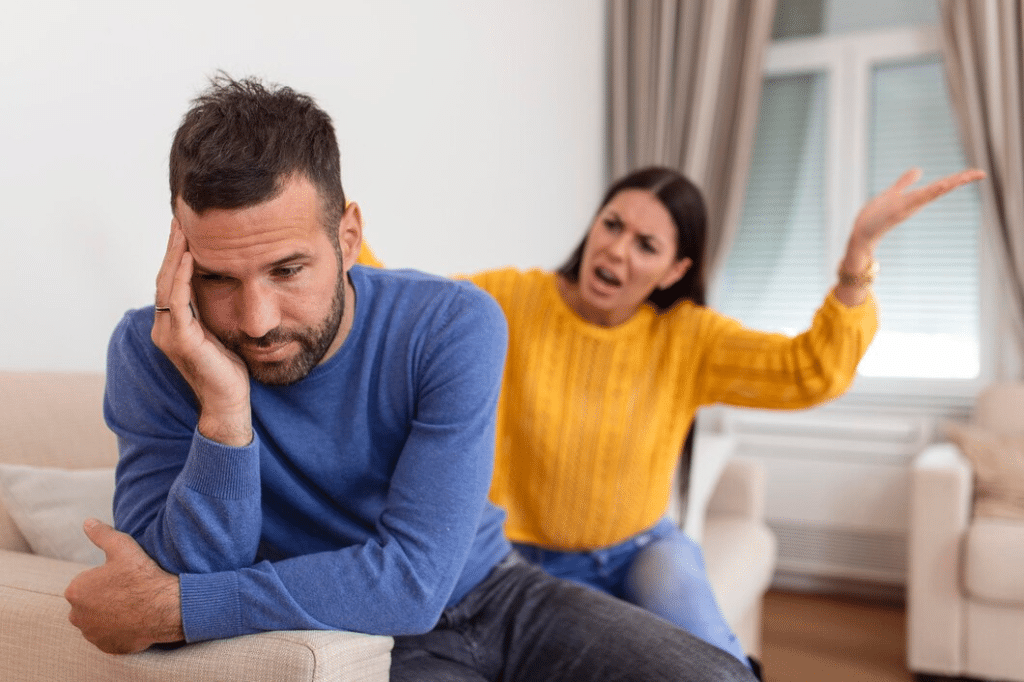
This is why divorce can feel sudden to one person. The other person has been emotionally grieving for months or years. They cried privately, detached slowly, and lowered expectations. By the time divorce happened, they were already emotionally prepared. After divorce, they admit they had been letting go for a long time. The marriage ended internally before it ended legally. This isn’t always cruel—it’s often survival. They tried to hold on, then they couldn’t. Grief happened early because hope was dying.
“I Stopped Feeling Desired and I Stopped Trying”

Desire is not only physical. It’s feeling chosen, noticed, and valued. When compliments and affection disappeared, many people felt invisible. Over time, they stopped putting effort into closeness. Not out of punishment, but because they felt unwanted. Bedroom activity often became less frequent or less connected because the emotional climate was cold. After divorce, many finally admit how much this affected them. Being undesired changes self-esteem. It also changes relationship motivation. When desire disappears, distance grows.
“If We Got Help Earlier, We Might Have Made It”

Many divorced people regret waiting too long for support. They assumed they could fix it later or that time would solve it. Later became too late. Structured help could have translated conflict, built repair tools, and reduced emotional damage. After divorce, they often see how fixable some patterns were. Not easy, but fixable. Pride and delay cost them. They often say, “We waited until it was a crisis.” Crisis help is harder than early help. This thought shows up often.
“I Didn’t Feel Respected”

Respect is a quiet dealbreaker. Many divorced people admit the tone, sarcasm, or dismissiveness changed how safe the marriage felt. They may have still loved their partner, but they didn’t feel valued. Over time, disrespect eroded attraction and emotional trust. Respect also affects willingness to repair. People stop trying when they feel degraded. After divorce, they often say, “I couldn’t stay in a relationship that didn’t protect my dignity.” Love struggles when dignity is not protected. Respect is not optional long-term.
“I’m Not Proud of Everything, But I’m Finally Honest”

After divorce, many people admit their part too. They see where they avoided, withdrew, or contributed to the pattern. They also admit what they needed and never voiced properly. The main shift is that denial ends. Clarity arrives because the relationship no longer needs protecting. These thoughts are painful, but they’re also instructive. They show how marriages usually end through patterns, not one moment. The lesson isn’t perfection, it’s earlier honesty and earlier repair. Many people say the same thing in the end: “I wish we told the truth sooner.”
“I Thought Things Would Improve After the Next Milestone”

Many couples stay because they believe the next milestone will fix the strain. After the wedding, after the move, after the promotion, after the kids get older. The milestone becomes the excuse to delay real repair. Over time, milestones pile up but the emotional climate stays the same. After divorce, people admit they were living on “after,” not on reality. They wanted a future version of the marriage more than the current one. Hope became delay instead of action. The truth is that milestones amplify patterns, they don’t erase them. When the pattern doesn’t change, the milestone won’t either.
“We Confused Being Busy With Being Connected”

Many divorced couples admit they were always doing something together but rarely connecting. Shared errands, shared screens, shared responsibilities replaced intimacy. They talked all day, but mostly about tasks. Being busy made them feel like the relationship was alive. In reality, they were co-managing life, not nurturing love. After divorce, they realize how little emotional presence existed. They weren’t lacking time, they were lacking attention. Busyness became a cover story for drift. The marriage felt occupied, not close.
“I Felt Like I Couldn’t Be Fully Myself”

Some people realize after divorce that they were shrinking. They avoided topics, softened opinions, and edited emotions to keep the peace. They didn’t want to trigger conflict or judgment. Over time, they felt like they were living beside their partner, not with them. After divorce, they often admit they felt relief being able to speak freely again. This doesn’t mean the partner was evil. It means the emotional environment didn’t feel safe enough for honesty. Intimacy needs freedom to be real. Without that, love becomes performance.
“We Kept Trying to Win Instead of Trying to Understand”

Many couples admit they argued like opponents. They focused on proving a point rather than solving the problem. Over time, every disagreement felt like a power battle. This made the relationship exhausting and emotionally unsafe. After divorce, people often realize how much pride controlled their communication. They weren’t protecting the marriage, they were protecting ego. Understanding became secondary to being right. That mindset quietly kills tenderness. Love can’t grow in a courtroom.








Ask Me Anything