
Dating advice often celebrates certain traits as automatic green flags. Calm, independence, confidence, and honesty all sound great on paper. But context matters. A behavior that looks healthy once can become harmful when it turns into a repeating pattern. Some habits are not green flags at all, they are cover stories for avoidance, control, or emotional immaturity. The tricky part is that these habits can feel attractive early on. They can even feel like maturity compared to obviously toxic behavior. But long-term relationships are built on consistency, repair, and shared effort. These 15 habits are common examples of things people praise as green flags, until they realize what they actually lead to.
The “Calm” That Isn’t Calm: When Stability Is Actually Shutdown

Calm is a real green flag when it means emotional regulation and respectful communication. But some people look calm because they disconnect, not because they’re stable. Emotional shutdown can look like maturity if it avoids drama. In reality, it often avoids repair. Repair is necessary for closeness. If calm comes with emotional distance, it can become lonely fast. Many people confuse low emotion with emotional safety. Emotional safety includes warmth, honesty, and engagement, not just silence. These habits show when “calm” is actually avoidance.
They Never Argue With Anyone

Never arguing can sound peaceful. But it can also signal conflict avoidance. Conflict avoidance usually means needs and boundaries are not being expressed honestly. Over time, unspoken issues stack into resentment. Resentment often shows up later as sudden coldness or distance. Healthy couples disagree because real life requires negotiation. What matters is how disagreement is handled. A partner who never argues might also never repair. That can leave problems unresolved for years. Peace without honesty is not a green flag. It is a quiet risk.
They’re “Chill” About Everything

Being easygoing is attractive. But being chill about everything can mean low investment. If nothing matters to them, your needs may not matter either. This can show up as vague plans, low initiative, and minimal effort. At first, it feels refreshing compared to controlling partners. Later, it feels like indifference. Healthy chill includes commitment and follow-through. An unhealthy chill avoids responsibility. A relationship cannot grow on “whatever you want” energy forever. Engagement is different from control, and engagement matters. If chill equals passive, it’s not a green flag.
They “Need Space” Every Time Things Get Real

Space is healthy when it is communicated and temporary. But constant space during emotional moments can be avoided. If every serious conversation triggers distance, intimacy becomes impossible. The partner learns that honesty has consequences. That teaches self-censorship. Self-censorship kills closeness. Many people mistake emotional distance for maturity. But maturity includes staying present during discomfort. A partner can take a break and still repair. If repair never comes, space becomes abandonment. That’s not stability. That’s disconnection.
They Stay Neutral Even When You’re Hurt

Neutrality can look mature. But it can also signal low empathy. If someone never offers comfort when you’re hurt, emotional safety is weak. Some people call it being logical. But relationships are emotional bonds, not debates. Comfort is not weakness; its connection. If your pain does not move them, that matters long-term. Over time, you stop sharing. Then the relationship becomes emotionally thin. A partner who cannot respond to pain will struggle with long-term intimacy. Warmth is required for love to feel safe. Neutrality without care is not a green flag.
The “Independence” That Becomes Avoidance: When “Not Needy” Means Not Present

Independence is healthy when both people can have a life and still choose each other. But some people use independence to avoid commitment and accountability. They may resist labels, avoid planning, or keep emotional distance. At first, it feels modern and low-pressure. Later, it feels unstable. Healthy independence still includes consistency and clarity. Unhealthy independence creates “maybe” relationships. Maybe relationships create anxiety. Anxiety makes people overthink and chase. A partner who is truly mature can be independent and still be reliable. Reliability is the real green flag.
They Never Ask for Anything

Not asking for anything can look low maintenance. But it can also signal emotional shutdown. Some people don’t ask because they don’t trust anyone to show up. Others don’t ask because they plan to leave easily. Either way, a relationship without needs is not intimacy. Intimacy requires mutual vulnerability. If someone never expresses needs, they may also never express the truth. That creates surface-level connection. Surface-level connection feels fine until stress arrives. Then the relationship has no depth to hold it. A partner who never needs anything may also never bond deeply. Deep bonding requires sharing. Silence is not always strength.
They Keep Everything Separate “To Stay Healthy”

Some separation is healthy. But extreme separation can be a commitment dodge. If a partner keeps finances, plans, social circles, and emotional life fully separate, the relationship may never become a team. Teamwork is what makes long relationships stable. Extreme separateness can create emotional loneliness. It can also make it easier for them to exit without impact. Healthy couples merge some parts of life over time. They don’t merge everything, but they build shared structure. Shared structure creates security. Security supports closeness. If the relationship stays separate forever, it may not be moving toward real commitment.
They’re Proud of “Not Being Controlling”

Not being controlling is good. But some people use that label to avoid caring. They may say, “Do whatever you want,” while actually disengaging. Healthy non-control includes interest, boundaries, and mutual respect. Unhealthy non-control can hide apathy. A caring partner still asks questions, sets shared agreements, and stays involved. A disengaged partner avoids responsibility and calls it freedom. Freedom is not the same as partnership. Partnership requires mutual effort. Effort requires involvement. If involvement is missing, “not controlling” becomes a cover for not caring.
The “Honesty” That’s Actually Cruel: When Truth Becomes a Weapon

Honesty is a green flag when it includes kindness and timing. But some people use “honesty” to justify harshness. They confuse truth with bluntness. Bluntness can become an emotional injury, especially when repeated. A healthy partner can be honest without humiliating you. Honesty should build trust, not fear. If honesty makes you feel smaller, it’s not healthy. If feedback feels like an attack, emotional safety drops. Emotional safety is a requirement, not a bonus. These habits show when honesty becomes cruelty.
They Say “I’m Just Being Real” After Hurting You

This often signals low empathy. A mature person can speak the truth while protecting dignity. Someone who hides behind “being real” may avoid accountability for tone. Over time, this creates a relationship climate of fear and defensiveness. You start filtering your words to avoid being judged. That creates distance. A relationship should not feel like constant evaluation. Feedback should build, not break. If someone refuses to adjust their tone, that is not confidence. That is rigidity. Rigidity makes relationships emotionally unsafe.
They Criticize You Constantly “To Help You Improve”

Constructive feedback is useful. Constant criticism is rejection. Some partners frame criticism as support, but it often becomes controlled. It makes you feel like you’re always failing. Over time, confidence shrinks. Shrunk confidence reduces attraction and openness. Many people stay because they think the critic cares. But caring includes appreciation too. Healthy partners notice what’s working, not only what’s wrong. If praise is rare and criticism is constant, it is not love. It is management. Management kills romance.
They Confess Every Thought and Call It “Transparency”
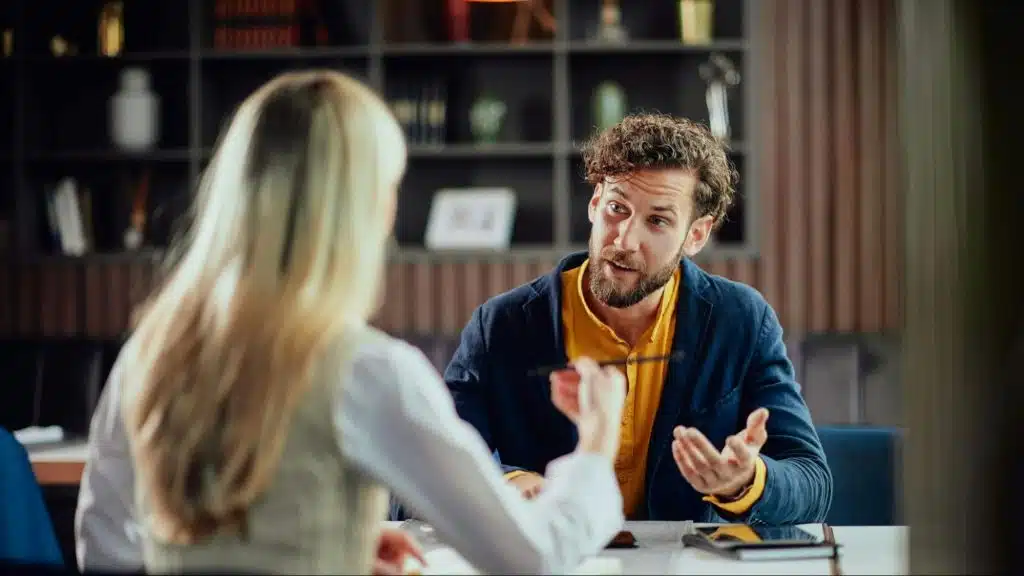
Transparency is healthy when it builds trust. But “confessing everything” can become emotional dumping. Some people share every attraction, every irritation, and every impulse as a way to avoid self-regulation. That creates insecurity in the relationship. A partner should not have to carry every raw thought. Mature people filter with care and responsibility. Oversharing can also be a subtle power move: “accept this or you’re insecure.” Healthy transparency includes discretion and respect. The goal is safety, not shock. If transparency increases anxiety, it needs boundaries. A relationship should feel calmer, not more threatened.
The “Confidence” That’s Actually Ego: When Self-Assurance Ignores Your Experience

Confidence is attractive when it’s stable and humble. But ego can look like confidence early. Ego refuses feedback, dismisses feelings, and demands to be right. It can also create emotional invalidation. When your experience is dismissed, you stop sharing. Then the relationship becomes one-sided. True confidence can apologize. True confidence can adjust. Ego defends at all costs. If “confidence” makes communication feel unsafe, it’s not a green flag. It’s a warning.
They Never Admit Fault Because They’re “Strong”

Strength without accountability is not maturity. A partner who never admits fault is building a fragile relationship. Fragile relationships break under normal stress. If they cannot apologize, conflicts never fully repair. Unrepaired conflict becomes resentment. Resentment becomes emotional distance. Emotional distance becomes the breakup story. A mature partner can be strong and still humble. Humility keeps relationships alive. Without humility, the relationship becomes a power struggle. Power struggles are exhausting. Exhaustion kills love.
They Dismiss Your Concerns as Insecurity

A partner who cares will take concerns seriously, even if they disagree. Dismissal is a red flag because it shuts down honest conversation. It also trains you to doubt yourself. That creates anxiety and self-censorship. A healthy partner can reassure without mocking. They can clarify without belittling. If concerns are always labeled as insecurity, the relationship becomes emotionally unsafe. Safety is the foundation of long-term trust. Without safety, affection becomes guarded. Guarded affection eventually fades.
Tips: How to Tell the Difference Between a Real Green Flag and a Disguised One

Watch what happens when stress shows up. Healthy traits hold under pressure. Disguised traits become avoidance, coldness, or control when things get real. Look for consistency across time, not one impressive moment. Notice whether they repair after conflict or just “move on.” Pay attention to how they respond to boundaries: respect or punishment. Watch whether they show empathy when you’re hurting. Real green flags make you feel calmer over time. Disguised ones make you feel more confused. Calm clarity is the goal.
Tips: Questions to Ask Yourself Before Calling It a Green Flag

Does this behavior increase emotional safety or reduce it? Does it create more closeness or more distance? Does it feel respectful, or does it feel like a quiet power move? Does it make communication easier or harder? Is the person consistent, or only impressive when it benefits them? Do you feel more like yourself, or more filtered? Are needs allowed, or is everything “too much”? These questions reveal the pattern behind the behavior. Patterns tell the truth faster than charm. Charm can be temporary. Patterns are the future.
Tips: What to Do If You Realize It’s Not a Green Flag

Start with a calm conversation about the impact, not the label. Describe the pattern and what it causes emotionally. Ask whether they’re willing to adjust behavior consistently. Watch the response: curiosity is a good sign, defensiveness is not. Set boundaries if the pattern is damaging your peace. Do not try to “earn” basic care by shrinking yourself. Healthy relationships make room for needs and repair. If change is real, the relationship can improve. If change is promised but never happens, it’s a pattern. Patterns are the decision point.
Real Green Flags Create Safety, Clarity, and Consistent Effort

A true green flag makes a relationship feel calmer and more honest over time. It includes emotional presence, respect, and willingness to repair. Some habits look green because they’re better than obvious toxicity. But better is not always healthy. Health includes warmth, accountability, and shared effort. If “calm” becomes shutdown, “independence” becomes avoidance, or “honesty” becomes cruelty, the pattern is not a green flag. The goal is not perfection. The goal is a relationship climate where both people feel safe, valued, and heard. When the habit builds safety, it’s a green flag. When it builds confusion, it’s a warning.








Ask Me Anything