
Many men only understand certain truths about marriage when the relationship is already beyond repair. Not because they are careless or malicious, but because some dynamics are easy to overlook while life is busy and routines feel stable.
The uncomfortable part is this: the warning signs are often visible long before the consequences arrive. They just do not look important until the cost of ignoring them becomes impossible to undo.
Complacency Slowly Replaces Connection

Marriage can quietly shift from partnership to autopilot. Work gets handled. Bills get paid. The routine functions. On paper, everything looks responsible and stable. But emotional attention often gets replaced by logistical cooperation. What once felt like effort and curiosity becomes familiarity and assumption. The dangerous part is that nothing seems broken. Until one day it becomes clear that stability without connection slowly drains the relationship of energy.
Providing Is Not the Same as Participating

Many men grow up believing that responsibility equals love. Showing up to work, paying the mortgage, and maintaining stability feels like proof of commitment. Yet partners often experience marriage through attention, conversation, and emotional presence. When one person believes providing is enough while the other wants engagement, both people walk away feeling misunderstood. One thinks he has done everything right. The other feels completely unseen.
Silence Can Be Misread as Stability

Some marriages do not have explosive fights. They simply have fewer meaningful conversations. Conflict avoidance can feel peaceful for a while. But silence is not always harmony. It is often distance disguised as calm. When serious issues stop being discussed, resentment tends to build quietly instead of resolving itself.
Appreciation Often Arrives Too Late

Long marriages are built on small acknowledgments that rarely feel urgent in the moment. Gratitude for everyday effort. Recognition for emotional support. Simple verbal appreciation. Many men realize after separation how rarely those things were said out loud. The strange irony is that appreciation often becomes clearest once the opportunity to express it regularly has disappeared.
Emotional Distance Happens Gradually

Very few relationships wake up one morning emotionally disconnected. Distance usually develops through small habits. Less curiosity about each other’s lives. Fewer shared conversations. More time spent in parallel routines instead of shared ones. Over time, the emotional bond weakens while the logistical partnership remains intact. When someone finally notices, the emotional gap may already feel too wide to close easily.
Problems Do Not Fix Themselves With Time

A common hope in long relationships is that tension will settle naturally if ignored long enough. Many couples assume stressful phases will pass on their own. Sometimes they do. But unresolved issues often deepen with time rather than fade. What begins as mild frustration can quietly turn into long-term resentment when no one addresses it directly.
Emotional Neglect Rarely Looks Dramatic

Neglect in marriage rarely resembles cruelty or obvious mistreatment. More often, it shows up as indifference. Conversations become shorter. Curiosity fades. Emotional reactions become muted. Nothing technically abusive happens. Yet the absence of emotional engagement slowly erodes intimacy. It is the quiet absence of effort that eventually becomes impossible to ignore.
Women Often Reach the Breaking Point Earlier

Relationship counselors frequently observe that one partner has already processed years of frustration before a breakup conversation even happens. By the time divorce enters the discussion, emotional withdrawal may have already been underway for a long time. The partner who felt comfortable with the status quo is often the one most surprised by how final the decision sounds.
Divorce Rarely Feels Like Freedom
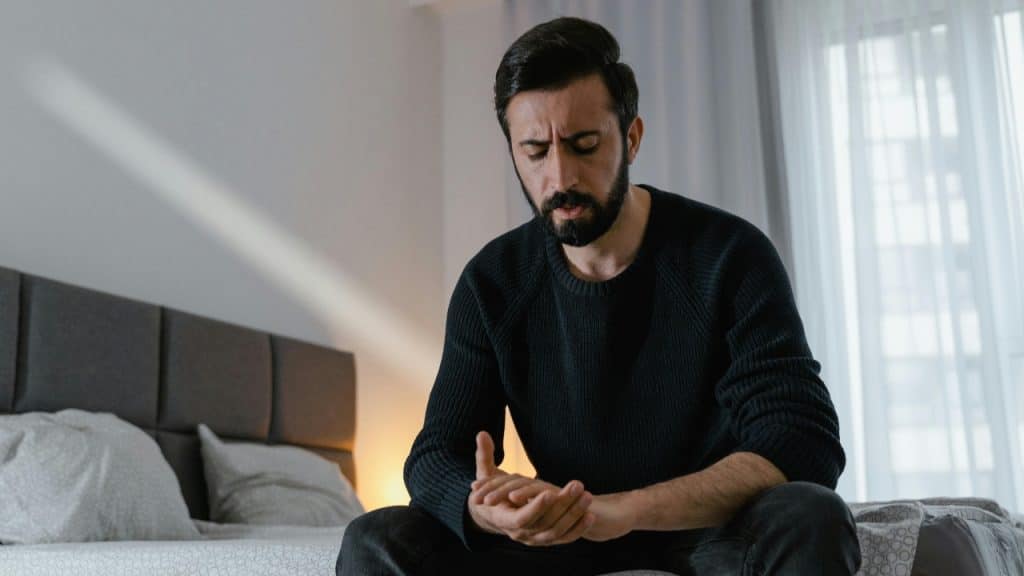
During difficult periods, separation can look like an escape from pressure. Many men imagine relief once the tension disappears. The reality tends to be more complicated. Divorce removes conflict, but it also removes structure, shared routines, and daily companionship. The absence of those things can feel heavier than expected once the dust settles.
Loneliness Is Not Something Most Men Plan For

Marriage often anchors social life in ways people do not notice while they are still inside it. Shared friends, family gatherings, daily conversation, and emotional support all revolve around the partnership. After a divorce, many men realize how much of their social connection lived inside that structure. Rebuilding it later can take time and effort that few anticipated.
Financial Consequences Are Often Underestimated

Divorce quickly reshapes financial stability. Shared assets become divided. Legal costs accumulate. Two households replace one. The economic reality of separation often arrives faster than the emotional adjustment. For many men, the financial ripple effects continue for years after the relationship itself has ended.
Children Experience More Than Parents Realize

Even when parents try to shield their children from conflict, tension inside a marriage rarely goes unnoticed. Kids often sense emotional distance long before adults acknowledge it openly. How parents communicate, handle disagreements, and show respect during difficult moments can shape how children later understand relationships themselves.
Regret Often Focuses on Small Moments

When men reflect on the end of a marriage, the regrets are rarely about dramatic turning points. They often revolve around everyday interactions. Conversations that were rushed. Apologies that were never offered. Time that could have been spent listening instead of assuming everything was fine. The moments that once seemed minor later carry surprising emotional weight.
Starting Over Is More Complicated Than Expected

Dating again after divorce can feel unfamiliar and exhausting. Social dynamics change. Expectations shift. The emotional energy required to build trust again is significant. Many men realize that rebuilding a long-term relationship takes far more effort than maintaining the one they once had.
Love Requires Ongoing Attention

Long marriages do not survive on history alone. Shared memories, loyalty, and commitment matter. But relationships also depend on ongoing attention to the present. Curiosity about each other’s lives. Effort during ordinary days. Emotional availability when things get difficult. Without those things, even strong relationships can slowly lose the sense of connection that once made them feel solid.








Ask Me Anything