
Marriage is often viewed as a major life milestone. However, readiness rarely depends on age alone. It tends to form through repeated experiences that shape emotional maturity, stability, and long term clarity. Hesitation about marriage usually does not appear as a dramatic refusal. Instead, it often shows up through small patterns in behavior, planning, and communication. A partner may sense uncertainty earlier through subtle shifts in tone or commitment level, while the man involved may still be evaluating internally. Over time, these patterns can reveal whether preparation for lifelong partnership is present. The following slides outline common signs that may suggest a man is not fully ready for marriage and explain how these signals often emerge.
Marriage Talks Keep Getting Delayed

Conversations about engagement or long-term commitment may suddenly shift to lighter topics. He might respond briefly, laugh it off, or suggest discussing it another day. This reaction does not always mean rejection, but it can signal discomfort. Repeated redirection often shows that the subject feels heavy or premature to him. A partner may begin to notice a pattern rather than a single moment. Paying attention to how consistently the topic is avoided can reveal how ready he truly feels.
Long-Term Plans Stay Vague

Long term commitment often grows from a shared sense of direction. When career goals or lifestyle plans remain undefined, deeper decisions may feel premature. Marriage usually requires agreement on priorities and long range vision. Ongoing uncertainty about life goals can slow emotional readiness. Without clarity, commitment may feel overwhelming instead of exciting. Confidence in direction often supports confidence in partnership.
Independence Comes Before Partnership

Independence is healthy within any relationship. Challenges arise when compromise feels threatening rather than cooperative. Marriage involves blending decisions, routines, and responsibilities. Strong resistance to shared structure may indicate reluctance. Valuing personal space is reasonable, yet rejecting collaboration suggests caution. Balance between autonomy and unity often reflects preparedness.
Finances Lack a Clear Plan

Financial readiness does not require perfection, but it does require effort. Continued instability without visible steps toward improvement can raise concerns. Marriage introduces shared budgets and long term financial planning. Avoiding money conversations may signal deeper uncertainty. Responsible action demonstrates seriousness about the future. Ignoring financial realities often delays commitment.
Emotional Walls Stay Up

Marriage typically involves emotional transparency. When vulnerability remains limited, connection may feel incomplete. Guarded communication can create distance even in close relationships. Sharing fears and personal struggles builds trust. Reluctance to open up may reflect unfinished personal growth. Emotional openness often increases alongside readiness.
Daily Lives Remain Separate

Partnership requires some blending of everyday routines. When lifestyles remain firmly divided, integration may feel resisted. Marriage usually includes coordinated schedules and shared spaces. Refusal to adjust small habits can reveal uncertainty. Separate daily patterns sometimes suggest comfort without deeper intention. Willingness to merge practical details signals stronger commitment.
Responsibility Gets Avoided

Long term partnership depends on shared accountability. Dodging responsibility in minor issues may hint at larger concerns. Marriage brings emotional, financial, and practical duties. When obligations feel burdensome, hesitation can surface. Blame shifting often replaces direct problem solving. Consistent reliability reflects maturity and readiness.
Marriage Sounds Like a Burden

The way commitment is described often reveals deeper beliefs. When marriage is repeatedly labeled as restrictive, hesitation may exist beneath the surface. Healthy partnerships are built on growth, not confinement. Consistent negative remarks about lifelong commitment can shape emotional distance. Even casual jokes about feeling trapped may reflect genuine concern. A positive and balanced view of marriage usually signals stronger readiness for the next step.
Love Is There But Certainty Is Not

Warm gestures and thoughtful moments can exist alongside doubt about the future. Expressions of love may feel sincere while long term plans remain unclear. Mixed signals create confusion within the relationship. Confidence about the present does not always translate into commitment about tomorrow. Inconsistent language about marriage often points to internal conflict. Clear and steady intention tends to remove that uncertainty.
Future Planning Feels One-Sided

Marriage involves active participation in shared decisions. When conversations about housing, finances, or timelines feel one sided, questions may arise. Limited engagement in planning can suggest emotional hesitation. Serious commitment requires more than passive agreement. Interest in shaping a shared future often reflects intention. Withdrawal from practical discussions may indicate caution about moving forward.
Single Life Still Looks Better

Regularly highlighting the benefits of staying single may reveal doubt. Comparing married life to independent living can signal ongoing evaluation. Reflection is normal, yet constant comparison may delay clarity. Strong partnerships are built on confidence rather than alternatives. Continued focus on other possible paths can slow emotional progress. Decisive commitment usually replaces repeated second guessing.
Milestones Keep Moving Further Away

Timelines sometimes change due to circumstances. However, repeatedly pushing milestones forward without firm reasoning may suggest deeper uncertainty. Postponement can become a quiet way of avoiding final decisions. Commitment typically includes steady movement toward shared goals. Endless delay often creates emotional strain within the relationship. Clear explanations and concrete plans provide reassurance and stability.
Preparation Talks Get Shut Down

Premarital discussions are designed to strengthen understanding. Avoiding structured conversations about expectations may signal discomfort with permanence. Preparation encourages clarity about values, finances, and long term roles. Reluctance to explore these areas can reflect hesitation. Honest dialogue builds confidence before marriage. Willing participation often indicates emotional readiness for deeper commitment.
The Present Matters More Than the Future

Enjoying the present is an important part of any relationship. Concern arises when long range planning feels unnecessary or unwelcome. Marriage requires attention to shared goals beyond immediate enjoyment. Exclusive focus on short term experiences may signal uncertainty about permanence. Sustainable partnership combines joy with thoughtful preparation. Forward looking conversations often reflect serious intentions.
Family Ties Stay at a Distance
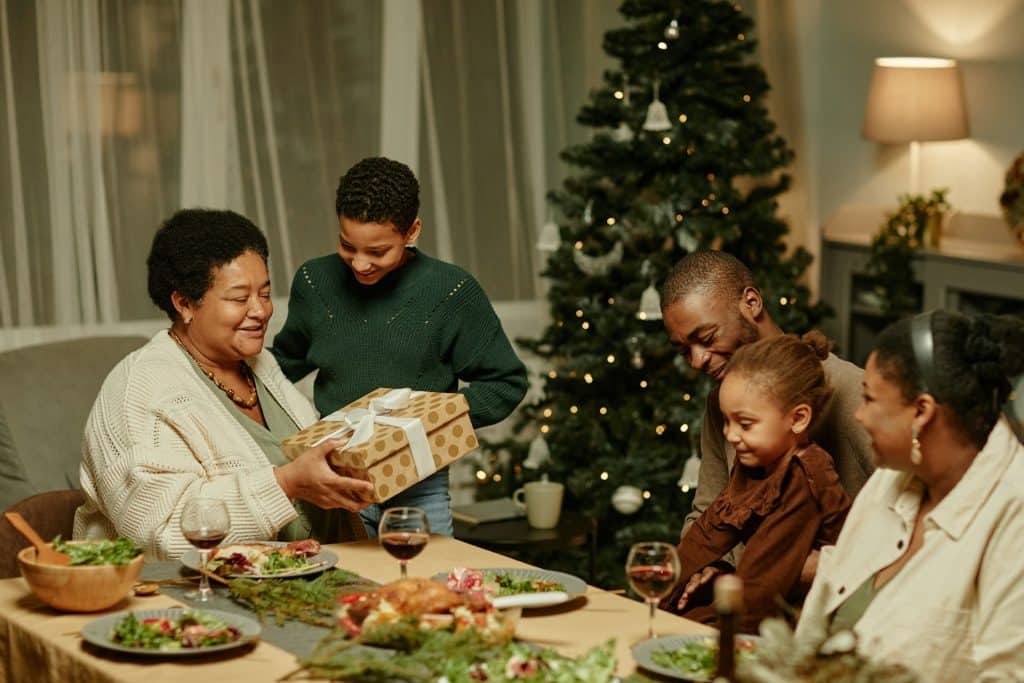
Marriage usually extends beyond two individuals and connects wider family circles. Limited effort to build those relationships may suggest caution. Integrating families introduces shared traditions and responsibilities. Avoidance of deeper connection can reflect uncertainty about long term commitment. Strong family involvement often signals serious intention. Distance from that integration may indicate hesitation about permanence.
Conflict Resolution Falls Short

Disagreements naturally occur in close relationships. The real indicator of readiness is how conflict is managed. Shutting down, withdrawing, or refusing discussion may signal emotional immaturity. Marriage requires patience, compromise, and consistent communication. Unresolved tension can weaken long term stability. Healthy conflict resolution often reflects preparedness for lifelong partnership.
Personal Direction Feels Unclear

Clear self understanding supports confident commitment. When values, goals, or identity feel unsettled, marriage may seem premature. Defining career ambitions and lifestyle preferences takes time. Ongoing personal exploration can slow readiness for permanent partnership. Internal stability often strengthens shared plans. A solid sense of identity typically makes long term commitment feel more secure.
Permanence Feels Overwhelming

Marriage represents lasting responsibility and shared life building. The thought of permanence can feel heavy without emotional preparation. Fear of lifelong obligation may remain unspoken yet influence behavior. Indirect signs of hesitation may appear instead of direct statements. Confidence grows when stability and clarity are present. Comfort with lasting commitment usually reflects genuine readiness.
Excitement About the Future Is Limited

Enthusiasm about tomorrow often signals emotional investment. When conversations about joint dreams feel flat, uncertainty may exist. Energy toward building a shared life strengthens connection. Lack of visible excitement can indicate hesitation about permanence. Genuine commitment is usually accompanied by anticipation. Passion for common goals reveals deeper intention.
Marriage Readiness Still Needs Time

Being unprepared for marriage does not automatically mean absence of love. Commitment develops through stability, clarity, and shared purpose. Subtle patterns such as avoidance, delay, or guarded responses may reveal inner evaluation. Growth toward lifelong partnership often happens step by step. Honest communication allows both individuals to understand their position. Recognizing these signals provides insight without forcing a rushed decision








Ask Me Anything