
Healthy relationships consist of two independent individuals who choose connection while maintaining separate identities, friendships, interests, and autonomy. Some people, however, experience a partner’s independence as abandonment, rejection, or threat. This insecurity manifests as punishment, through sulking, guilt-tripping, creating obstacles, or emotional withdrawal, whenever partner exercises normal autonomy. The resentment stems from the belief that partnership should mean constant togetherness, that her independent life diminishes relationships, or that autonomy equals lack of love. This mindset transforms reasonable independence into relationship crimes requiring punishment. These seventeen patterns reveal when someone punishes rather than supports a partner’s healthy autonomy.
Sulking or Mood Shifts When She Makes Plans Without You

Visible displeasure, withdrawn behavior, or mood deterioration when she schedules activities that don’t include you. This emotional response punishes her social autonomy. If her girls’ night out generates sulking that poisons days before and after, the sulking is punishment. The mood pattern teaches that her independent social life creates relationship tension. Adults deserve social lives independent of their partner without their partner’s emotional blackmail.
Making Her Feel Guilty About Time With Friends or Family

Expressing hurt feelings, making comments about being abandoned, or highlighting sacrifices made to enable her time away. This guilt-inducing punishes normal social connection. If spending time with friends requires managing his feelings about being “left alone,” guilt is being weaponized. The guilt-tripping makes her social time emotionally costly. Partners shouldn’t feel guilty for maintaining friendships and family relationships.
Creating “Emergencies” or Problems When She’s Out

Texting with urgent issues, calling repeatedly, or manufacturing crises when she’s enjoying independent time. These interruptions punish her absence through forced attention. If her nights out consistently involve urgent calls or texts about problems that weren’t urgent before she left, sabotage is occurring. The pattern makes leaving difficult because “emergencies” always arise. Coincidental crises during her autonomous time reveal manipulation.
Keeping Track of How Much Time She Spends Away
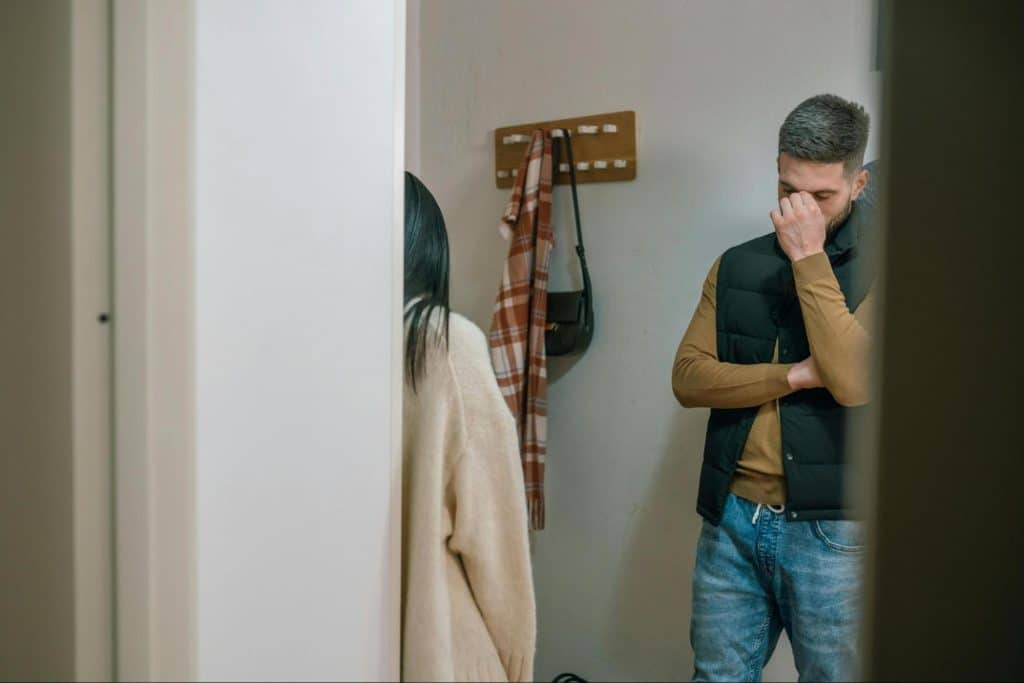
Mental scorekeeping about frequency of her outings, hours away, or time with others creates ammunition for resentment. This tracking treats her time away as an offense requiring monitoring. If he can recite exactly how many times she went out this month while she was “supposed to be home,” surveillance is happening. The accounting turns normal social life into evidence of wrongdoing. Adults don’t owe detailed time accounting to partners.
Complaining About Her Work Hours or Commitment

Expressing resentment about work schedule, overtime, travel, or career dedication positions her professional life as a problem. This complaining punishes career investment. If professional success or work demands meet constant criticism about time away from home, career becomes relationship enemy. The complaints make her choose between career satisfaction and relationship peace. Partners should support career ambitions not resent them.
Making Side Comments About Her Success or Achievements

Sarcasm, minimizing comments, or backhanded observations about promotions, recognition, or professional growth reveal resentment. This undermining punishes professional success. If career wins meet “must be nice to care more about work than family” or similar jabs, success is being punished. The comments express that professional achievement threatens him. Success should be celebrated not used as evidence of wrong priorities.
Refusing to Support Her Career Advancement Opportunities

Resistance to relocations, training, education, or opportunities that advance career demonstrates prioritizing his comfort over her growth. This resistance punishes ambition. If career opportunities meet “we can’t do that” without genuine discussion, her growth is being blocked. The refusal treats her career as optional while his is essential. Both careers deserve support and sometimes require family adjustment.
Creating Household Crises During Important Work Events

Suddenly needing her during presentations, having “emergencies” during big meetings, or generating problems during work travel. These crises force choosing between work and home during critical moments. If major work events correlate with home crises requiring her attention, sabotage is happening. The timing makes professional success difficult while appearing coincidental. Genuine emergencies don’t consistently align with her important work moments.
Unable to Let Her Have Alone Time Without Interruption

Constant interruptions when she’s trying to read, relax, pursue hobbies, or simply be alone. This intrusion denies personal space and solitude. If her attempts at solo activities meet persistent interruptions with questions, requests, or presence, boundaries are being violated. The inability to leave her alone communicates that her need for solitude is illegitimate. Adults need alone time; partners should respect that without taking it personally.
Treating Her Hobbies as Wastes of Time
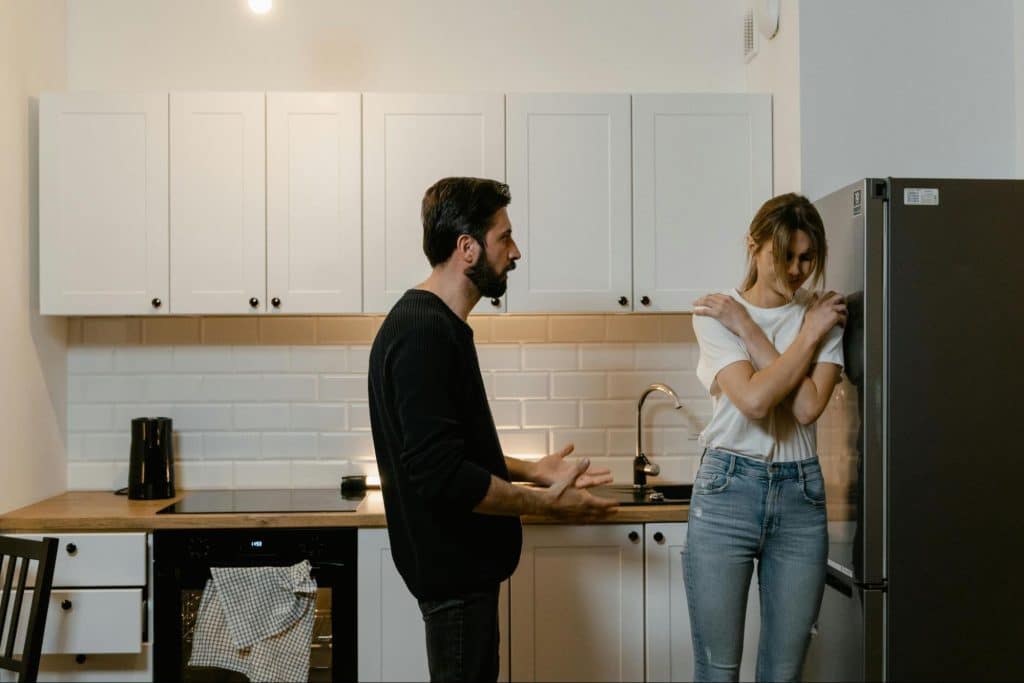
Dismissive comments about her interests, hobbies, or activities positions them as frivolous or selfish. This dismissal devalues what brings her joy. If her hobbies meet “that’s pointless” or similar judgment, her interests are being attacked. The criticism makes pursuing interests feel like defending against accusations of wasting time. Personal interests deserve respect not judgment about productivity or value.
Following Her Around or Demanding Constant Togetherness
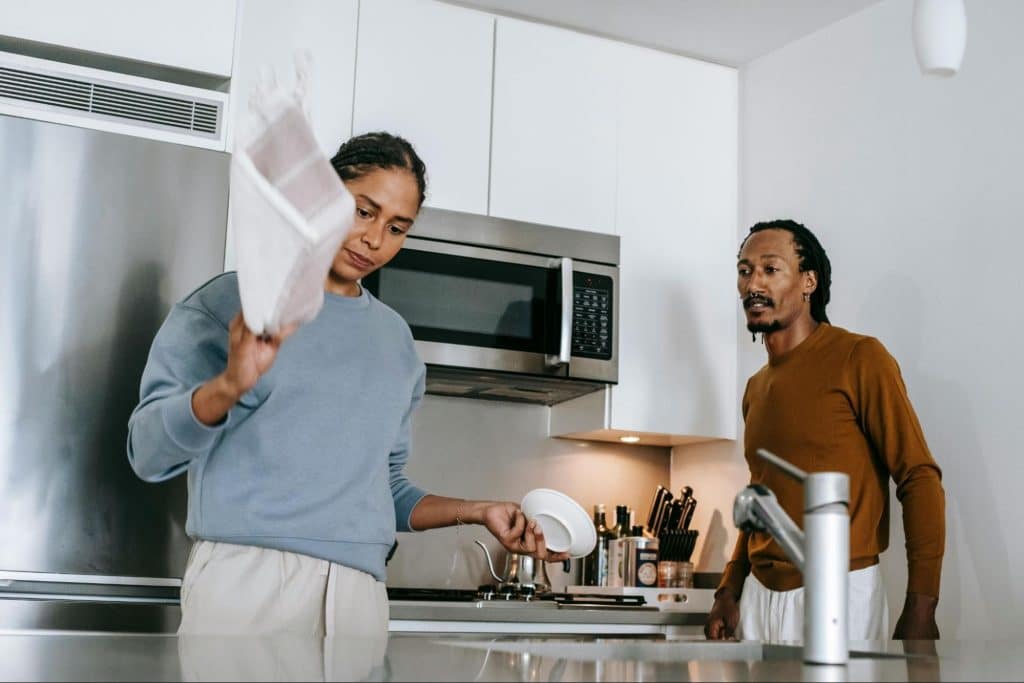
Physical presence in every room she enters, following from space to space, or inability to occupy home separately. This shadowing eliminates personal space. If she can’t be in a different room without him appearing shortly after, autonomy within home is denied. The constant proximity feels suffocating rather than connecting. Healthy couples can exist separately within shared space.Making Her Ask Permission for Personal Time
Getting Upset When She Makes Decisions Independently

Anger or hurt when she makes personal decisions, purchases, schedule changes, commitments, without consulting him first. This reaction punishes independent decision-making. If buying clothing or scheduling appointments without discussion generates upset, autonomy is being restricted. The reaction teaches that all decisions require his input. Adults make personal decisions independently; consultation is courtesy not a requirement.
Undermining Decisions She’s Made

Changing plans she made, overriding choices, or implementing different decisions without discussion. This undermining punishes her decision-making authority. If her choices get reversed or ignored in favor of his preferences, her authority is being negated. The pattern communicates that her decisions don’t count unless he agrees. Respecting partners means honoring decisions in their domains.
Passive-Aggressive Compliance That Makes Her Regret Decisions

Going along with her choices while sulking, doing a poor job, or making experience miserable. This malicious compliance punishes her for deciding. If agreeing to her plans but making participation unpleasant, compliance is weaponized. The behavior makes her wish she hadn’t decided because consequences are worse than if he’d openly disagreed. Genuine support means engaged participation not resentful attendance.
Holding Her Choices Against Her Later

Bringing up past decisions as evidence of poor judgment or ammunition in arguments. This grudge-holding punishes choices long after they’re made. If decisions from months ago get referenced as mistakes or used to question current judgment, the past is weaponized. The pattern makes every decision risky because it could become future evidence. Decisions should be allowed to pass without becoming a permanent record of failure.
Withdrawing Affection When She Asserts Independence

Emotional coldness, physical distance, or love withdrawal following her autonomous choices. This affection-withholding punishes independence through deprivation. If exercising normal autonomy leads to days of emotional coldness, love is a conditional weapon. The withdrawal teaches that independence costs affection. Healthy love doesn’t evaporate when a partner does independent things.
Making Her Comfort Him About Her Independence

Requiring emotional labor where she soothes his insecurity about her autonomous activities. This role-reversal makes her independent about his feelings. If going out with friends means first reassuring him, then managing his mood after, her activity becomes his emotional event. The pattern makes her autonomy about him rather than her. Her activities shouldn’t require managing his feelings about them.
Comparing Her to Other Women Who “Don’t Do That”

Referencing other wives who don’t have independent social lives, careers, or hobbies as implied criticism. This comparison suggests her autonomy is abnormal or wrong. If her independence meets comments about women who “actually prioritize family” or similar comparisons, shaming is happening. The comparison implies good wives don’t need autonomous lives. Different women have different needs; comparisons are manipulation.
Threatening Relationship When She Maintains Boundaries

“If you really loved me” or relationship-threat statements when she maintains an autonomous life. This ultimatum-making forces choosing between autonomy and relationship. If maintaining friendships, career, or independence meets threats about a relationship’s future, coercion is operating. The threats position autonomy as a relationship-ending offense. Healthy relationships survive and thrive with partner autonomy.
Autonomy Strengthens Relationships; Resentment Destroys Them

These seventeen patterns reveal that resenting and punishing partner’s independence stems from insecurity, possessiveness, or fundamental misunderstanding of healthy relationships. Partnership doesn’t mean merger into a single unit where autonomy threatens connection. Healthy relationships involve two complete individuals with separate friendships, interests, identities, and autonomous lives who choose connection. Resentment toward a partner’s independence, expressed through sulking, guilt-tripping, undermining, or withdrawal, creates a suffocating environment where she can’t be a full person. The punishment teaches that exercising normal autonomy creates relationship problems, forcing choice between being herself and keeping peace. This dynamic is unsustainable: either she shrinks to accommodate his need for constant togetherness or she leaves to reclaim autonomous life. If multiple patterns resonate, a partner’s normal independence is being treated as betrayal requiring punishment. The correction requires examining why her autonomous life feels threatening. Secure people celebrate partner’s friendships, support career success, and respect the need for personal space. Insecure people resent anything that doesn’t center them. Partners deserve autonomous lives; punishment for having them is controlling behavior that destroys relationships.








Ask Me Anything