
There’s no drama. Nothing major is really happening in the relationship, but something feels off. The thing about burnout is that it’s not loud. It’s silent, and you might not even notice it until you realize that there’s no more spark between you two, and spending time with the person feels draining. The signs of burnout might seem normal, but in reality, you are now experiencing emotional exhaustion.
This post will uncover 17 subtle signs that your relationship is running on fumes, along with what to do about them.
You Always Say “I’m Fine”

Men are expected to keep emotions in check, so even if they know something is wrong, they just respond with “I’m Fine” to keep the peace. “I’m fine” is their default answer to shut down repetitive questions and avoid drama. The truth is, it’s a sign of an emotional shutdown. You want to avoid vulnerability, and sometimes, you’ve just grown tired of explaining how you feel, so you shut them down with “I’m fine.” To resolve this, be honest about how you feel, so it can be addressed before it turns into resentment. You can start small with “I’m feeling tired”, or “I’m feeling overwhelmed right now, but we can talk about it later.””
You Avoid Arguing

You’re tired of arguments. Maybe the issue isn’t really worth the fight, or you just want to keep the peace. Sometimes, avoiding arguments can feel normal because some men think a good relationship means no fighting or yelling. However, a healthy conflict can strengthen a relationship when you face it with respect and empathy and focus on finding solutions. It can help you strengthen your relationship. On the other hand, sweeping things under the rug can erode trust and partnership. When faced with conflict, focus on solving problems together, not on who wins.
You Stick to the Same Routine

Having the same routine might feel normal because it’s comforting and you’re used to it. However, when every day feels like a rerun, it might mean stagnation. It could also mean that you’re burned out. You just don’t have the energy to create variations in everything that you do together. You might feel disconnected from your partner. While routines can be cozy, spontaneity won’t hurt either. You can try a different restaurant or a random weekend trip to keep the fun and excitement in the relationship.
You Prefer Being Alone Most of The Time

This might seem normal because wanting some time for yourself is okay. However, when you’d rather be anywhere else alone than spend time with your partner, it is a sign of disengagement. It could also be that you’re too tired to engage, or that there are deeper feelings of resentment you hide from them. To deal with this, it would be best to talk to your partner. Be honest with them about why you need space.
You Don’t Miss Them When They’re Not Around

You used to be together, and the thought of being apart from them kills you, but now, it seems like you don’t notice anymore when they’re not around. While independence is healthy, not missing your partner can be quite indifferent. Their absence might feel like a break. It could be because you’re emotionally tired, or you might be avoiding your partner. Whatever it is, it is worth asking yourself if you are enjoying your independence or avoiding how you feel around them. When they’re not around, you can start small by sending a message to them. Ask them about their day to start a conversation and create an opportunity for connection.
You Avoid Physical Intimacy

Physical intimacy isn’t just about sex, but about connection. When the connection fades, it feels draining. You start to avoid being close with your partner, not because you don’t feel attracted to them anymore, but because you feel depleted. If intimacy feels like another thing on your to-do list, it’s a major sign of emotional burnout. When you feel off, it’s best to address your feelings and talk to your partner about it. You can also start with low-pressure gestures like sitting close or holding hands to keep the spark alive.
You Stop Being Curious

This might seem normal because you feel like curiosity is just for new couples, and you already know your partner, so you don’t feel like asking too many questions about their life. However, curiosity helps you discover more about your partner and keeps the connection alive. When you stop caring about their whereabouts, you stop getting to know them even better, and you start drifting apart without realizing it. It unravels your connection. To resolve this before it’s too late, be present. Pay attention to what your partner says, ask simple questions about her day, and be genuinely interested in her day.
You’re Not Excited About the Future Together

You used to talk about big dreams, but now, you just don’t see your future being with them. When your partner brings up plans, you just nod, but you don’t share anything either. It could be a sign of emotional disengagement. Maybe there’s a deeper reason behind it, but you can’t be honest about them, so you just respond with non-committal “We’ll see” to avoid the subject. What you can do instead when you’re feeling burned out is to reignite the dreams. Remind yourselves of your plans for the future. It could be a short-term plan, like a weekend getaway, or a long-term plan, like buying a house. Be honest about how you feel about them.
You Avoid Deep Conversations

You keep things surface-level. You just talk about the weather, what’s for dinner, or what time you go home, but never about dreams, plans, or secret fears. You might be avoiding deep conversations because past conversations ended up in conflict, and you don’t want to argue anymore. It could also be because you’re finding it hard to be vulnerable with your partner because of low self-worth, or you don’t want to feel judged. Whatever the reason is, avoiding deep conversations can quietly create emotional distance. It’s like a wall that cuts the connection.
You’d Rather Be At Work

It could be because home has become a place of conflict rather than comfort. There might be unspoken tension or unresolved issues that have been draining you, so as much as possible, you spend more time at work, so you can avoid spending much time at home. It could also be because of the loss of connection. You tell yourself or even your partner that it’s about providing or ambition, but the truth is, you’re escaping. The more you escape, the more distant you become, and your relationship suffers. It’s best to talk honestly to your partner and address the elephant in the room. Also, you can start with small moments of connection, like having dinner together or spending at least 10 minutes a day asking each other how your day went. You need to be consistent to keep the connection alive.
You Can’t Remember the Last Time You Felt Close

You’re sharing the same space, but emotionally you feel miles apart. You go through the routines, but the warmth that used to be there isn’t there anymore. The house feels empty again. It could be that something in the past made you feel disappointed or hurt, so you distance yourself from your partner. When you can’t remember the last time you felt close, it’s a warning sign. It’s a sign of disconnection.
You’re Not Laughing Together Anymore

Your laughter could fill up the room. You could be cracking jokes, and they genuinely laugh each time. But now, it feels like jokes fall flat. You might not even have the time to tease them playfully. It could be because you feel emotionally distant from your partner, or there’s tension in the household.
It Feels Like a Roommate Situation, Not a Partnership
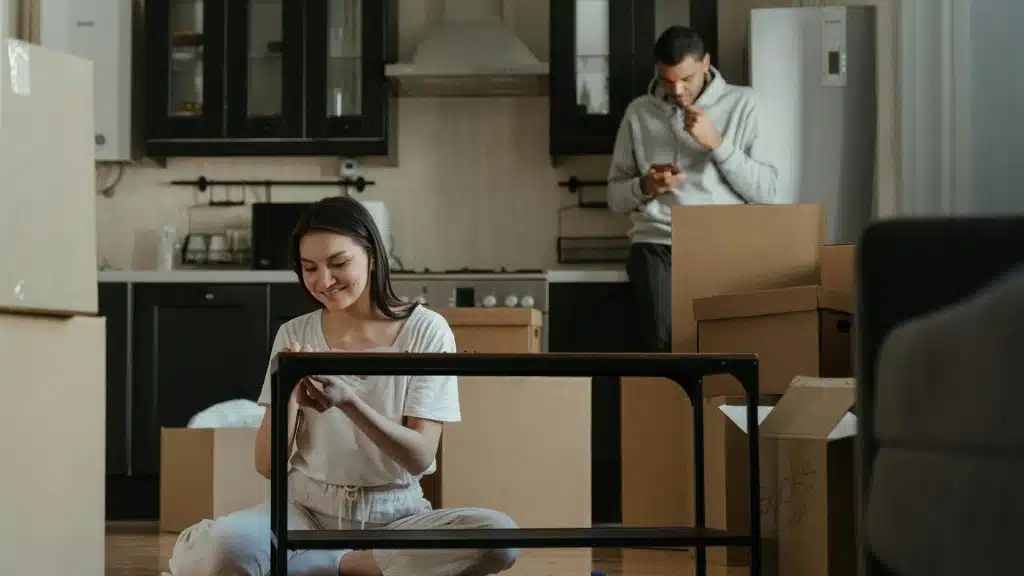
You’re living in the same house, sharing responsibilities, and sharing a schedule, but that’s just it. There’s no chemistry anymore. There are no moments of connection to deepen your relationship. It feels like you’re roommates, not partners. This situation could feel normal because of familiarity, but in reality, it’s a sign of disconnection. It could be because there’s unresolved tension, or because you feel emotionally depleted, so you’ve stopped investing in your connection. If you want to reconnect again, you can address the issue gently and reintroduce affection. It could be a hug or a light peck on the cheeks.
You Don’t Feel Like a Team

It feels like you’re both busy living your own lives, even if you’re in the same house. They manage their tasks, you manage yours. You stopped doing shared tasks or having shared dreams. It feels like everything feels transactional. It can feel normal because it’s easy to slip into roles where you forget you are also partners. However, when you feel like this, it could be a sign of emotional burnout or of resentment toward the person. You could reintroduce teamwork by having shared goals, even the small ones. You could plan a short trip or take a class you both want to do.
You’ve Stopped Putting In Any Effort
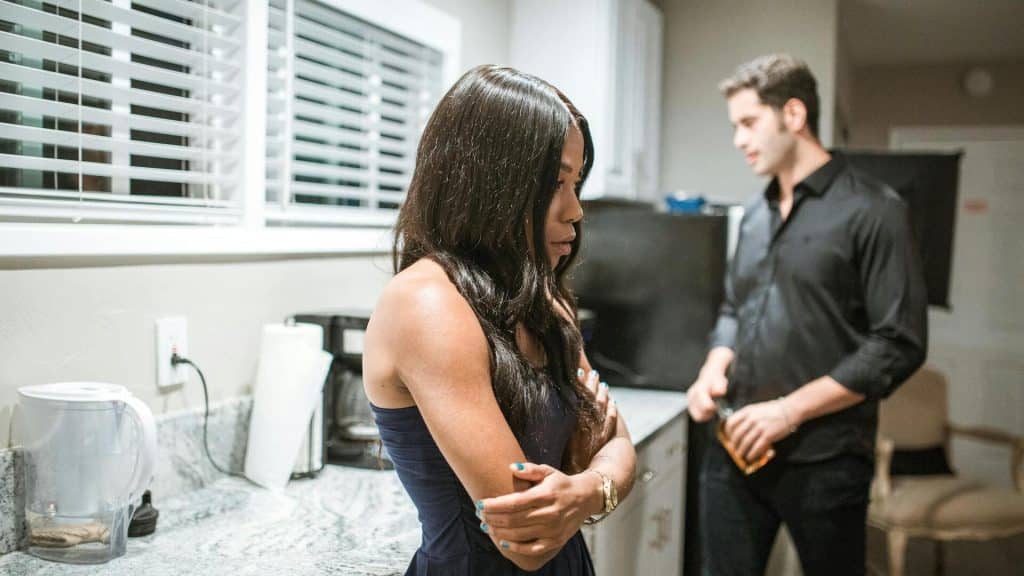
You used to be excited about planning surprise dates or bringing “just-because” flowers. You know that for a relationship to thrive, you need consistent efforts, but now, you don’t put in effort anymore. It could be that your efforts haven’t been appreciated before, and you fear rejection again, so you stop trying. It could also be that you no longer feel close to your partner. When you stop showing up, the relationship starts to erode. If you want to start putting effort back into your relationship, start small: compliment them or send a “just thinking of you” message to create small moments of connection and help them feel seen again.








Ask Me Anything