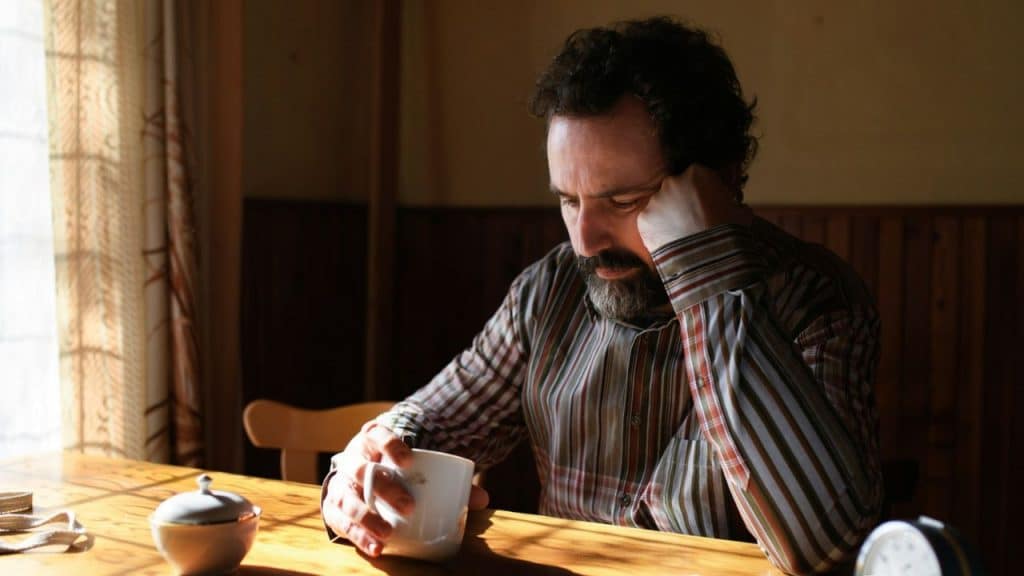
If you are reading this, you are probably not dramatic or reckless. You are tired, conflicted, and carrying more weight than you admit out loud. Many men stay stuck in an unhappy marriage because they feel responsible for everyone except themselves. This is not about pushing divorce or shaming you into staying. Think of this as a pause, a deep breath, and a chance to look at your life without lying to yourself. And yes, if marriage came with an instruction manual, you would have read it by now.
“Am I Staying Because I Want To, Or Because I Am Afraid To Leave?”

This question matters more than most men realize. Ask yourself if you are staying because you still want this marriage, or because leaving feels terrifying. Fear shows up as worries about money, judgment, the kids, or starting over at forty-five. Desire feels different. It has energy, even when things are hard. An unhappy marriage can keep you frozen when fear is driving the decision. If fear disappeared tomorrow, would you still choose to stay? Be honest here. This is not about courage points. It is about understanding what is actually keeping you in place.
“Does This Relationship Bring Stability Or Constant Emotional Drain?”

Stability is calm, even during conflict. Emotional drain feels like constant tension, second-guessing, and recovery time after every interaction. Pay attention to how you feel after spending time with your spouse. Do you feel grounded or worn down? Many men in unhappy marriages confuse familiarity with stability. They stay because chaos feels predictable. That still costs you. Ask yourself whether this relationship supports your mental focus or constantly pulls energy away from your work, health, and patience. Over time, that drain affects everything, even if you keep functioning.
“Do I Feel Respected In This Marriage?”

Respect is not about big gestures or public praise. It shows up in tone, listening, and how disagreements are handled. Do your opinions matter, even when they are inconvenient? Can you say no without punishment or guilt trips? In many unhappy marriages, men feel tolerated rather than respected. That slowly changes how you see yourself. Think about daily interactions, not anniversaries or vacations. If respect is missing, love alone will not carry the marriage. A long-term partnership without respect becomes a quiet power struggle.
“Can I Be Myself Around My Spouse, Or Am I Constantly Guarded?”

Emotional safety means you can speak without rehearsing every sentence. If you feel you have to filter your thoughts, hide parts of yourself, or stay silent to avoid conflict, something is wrong. Ask yourself when you stopped being fully honest. Many men shrink in unhappy marriages because it feels easier than fighting. Over time, that self-suppression builds resentment. You might still function as a provider or parent, but you stop showing up as a whole person. A marriage should allow you to be real, not constantly guarded.
“If Nothing Changes, Could I Live Like This For Another Five Years?”

This question removes short-term coping from the equation. Forget getting through the next month or holiday. Picture your life exactly as it is now, five years from today. Same patterns. Same arguments. Same silence. How does that feel in your body? Staying in an unhappy marriage often becomes an endurance contest. Endurance is not a life plan. You are not weak for asking this. You are being realistic. If the honest answer is no, then something has to change, one way or another.
“Am I Staying For The Kids, And Is That Helping Or Hurting Them?”

Many men stay for the kids, and that instinct comes from love. But staying only helps if the home is emotionally healthy. Children learn relationships by watching you. They notice tension, distance, and resentment, even when you think you are hiding it well. Ask yourself what you are actually modeling. Are you teaching them commitment, or teaching them to tolerate unhappiness? The stay or leave marriage decision gets complicated with kids, but avoiding the question does not protect them. It just delays clarity.
“Have We Both Taken Real Responsibility For The Problems?”

Every marriage has issues. What matters is how both people respond to them. Have you both taken real responsibility, or does one of you carry the emotional labor? Apologies mean nothing without changed behavior. In many unhappy marriages, one partner keeps trying while the other stays defensive or detached. That imbalance creates quiet resentment. Ask yourself if effort is mutual or one-sided. A marriage cannot heal if accountability only flows in one direction. That is not a partnership. That is survival mode.
“Do I Feel Emotionally Lonely Even Though I Am Married?”

Loneliness inside a marriage hits harder than being single. You share a home, routines, and responsibilities, yet feel unseen. Many men describe this as being invisible in plain sight. You talk logistics but not feelings. You coexist but do not connect. This kind of emotional isolation slowly wears you down. It can also make you question your own needs. Feeling lonely does not mean you failed. It means something important is missing. Ignoring it will not make it go away.
“Am I Avoiding Conflict To Keep The Peace?”

Avoiding conflict feels mature at first. Over time, it turns into self-betrayal. If you constantly swallow your needs to keep things calm, resentment builds quietly. Ask yourself how often you stay silent just to avoid another argument. Peace that depends on your silence is not real peace. It is emotional debt. Eventually, that debt shows up as anger, numbness, or withdrawal. An unhappy marriage often survives on avoidance, but it does not improve that way. Conflict handled well can be healthy. Avoidance rarely is.
“Have I Lost Motivation and Confidence Because Of This Relationship?”

Look at your motivation, confidence, and energy over the last few years. Have you lost your edge, not because of age, but because home feels heavy? Marriage stress leaks into your work, fitness, and ambition. Many men underestimate this connection. They assume burnout comes from work alone. Ask yourself if your relationship supports your momentum or constantly pulls you off balance. When your personal life feels unstable, everything else becomes harder. This is not selfish to notice. It is practical.
“Am I Growing As A Person, Or Just Surviving?”

A healthy marriage supports growth, even during hard seasons. An unhappy marriage traps you in maintenance mode. You focus on managing emotions, avoiding triggers, and getting through the day. Ask yourself when you last felt excited about the future. Growth does not mean constant happiness. It means forward movement. If you feel stuck year after year, something is wrong. Surviving is not the same as living. This question helps you see whether the marriage supports the man you are becoming, or keeps you stuck where you are.
“Do We Actually Want The Same Future?”

Shared history does not equal shared direction. Look beyond love and nostalgia. Do you agree on lifestyle, finances, values, and long-term goals? Or are you just avoiding those conversations? Many men stay because leaving feels like throwing away years of investment. But alignment matters more than time served. Ask yourself where each of you is headed. If your visions no longer match, pretending otherwise will not fix it. Long-term misalignment creates constant friction, even when affection remains.
“Have I Lost Myself In This Marriage?”

This question often hits hardest. Think about who you were before the marriage, and who you are now. Have you given up interests, confidence, or parts of your personality to keep things stable? Losing yourself does not happen overnight. It happens through repeated compromise without repair. An unhappy marriage can slowly convince you that your needs matter less. Ask yourself if you still recognize the man in the mirror. If not, that deserves attention, not dismissal.
“If A Close Friend Were In My Situation, What Would I Tell Him?”

Imagine a close friend describing your exact situation. Same arguments. Same doubts. Same fears. What would you tell him? Men are often wiser when advising others than when judging themselves. This question creates emotional distance and clarity. It cuts through rationalization. If your advice to him sounds different from what you allow yourself, pay attention. That gap often reveals the truth you already know but avoid. Honesty is easier when it is not personal. Use that advantage.
“If I Left, What Would I Miss, And What Would I Gain?”

Every decision has a loss. Leaving an unhappy marriage means grief, disruption, and uncertainty. Staying also has costs, even if they are quieter. Ask yourself what you would truly miss, and what you might gain. Peace. Self-respect. Stability. Emotional space. This is not about fantasy or escape. It is about realistic tradeoffs. Thinking clearly about an unhappy marriage and what to do requires facing both sides without fear-based thinking. Clarity comes from balance, not denial.








Ask Me Anything