
Marriage doesn’t usually fall apart because of one big mistake. It erodes because of small truths people dismiss, minimize, or assume will “work themselves out.” Most couples aren’t unloving or incompatible—they’re just operating on bad assumptions about how long-term relationships actually work. The couples who last aren’t luckier; they’re more realistic. They understand that marriage is less about constant happiness and more about consistent care. These core truths don’t sound romantic, but ignoring them is exactly what makes marriage feel exhausting instead of grounding.
1. Love Is Not a Constant Feeling—It’s a Daily Practice

The biggest misconception about marriage is believing love should feel effortless all the time. Feelings fluctuate based on stress, sleep, health, and life pressure—and that’s normal. Long-lasting couples don’t panic when the spark dips; they lean into habits that rebuild closeness. Small acts like checking in emotionally, offering appreciation, or being physically present do more than grand gestures. If you wait to “feel” loving before acting loving, you’ll drift. Action usually comes first, feelings follow later.
2. You Don’t Marry a Finished Person

People grow, change priorities, and outgrow old versions of themselves. Expecting your spouse to remain the same person you married is a quiet setup for resentment. Healthy marriages make room for evolution without taking it personally. The practical move is to stay curious—ask new questions, support new interests, and adjust expectations as seasons change. Loving someone long-term means choosing them again as they become someone new.
3. Conflict Is Inevitable—Avoidance Is Optional

Every marriage has disagreements; not every marriage learns how to fight well. Avoiding conflict doesn’t create peace—it creates distance. The goal isn’t to eliminate arguments but to handle them without contempt or shutdown. Couples who thrive focus on solving the issue, not winning the argument. That means pausing when emotions spike, using “I feel” language, and revisiting hard topics instead of burying them.
4. Attraction Requires Maintenance

Attraction doesn’t disappear overnight—it fades when effort does. This isn’t just about looks; it’s about energy, confidence, and how you show up. When both partners stop caring about how they present themselves, intimacy often follows. Maintenance doesn’t mean perfection—it means intentionality. Dressing decently, staying engaged in life, and expressing desire keeps attraction alive long after the honeymoon phase.
5. Your Partner Is Not Your Mind Reader

Many marital frustrations come from unspoken expectations. Assuming your spouse “should just know” leads to disappointment every time. Clear communication feels awkward at first, but it prevents long-term resentment. Say what you need, want, or feel—without accusation. Directness isn’t unromantic; it’s respectful and efficient.
6. Marriage Exposes Your Unhealed Patterns

Marriage has a way of magnifying emotional wounds you didn’t know you had. Triggers around abandonment, control, or validation often show up in close relationships first. Blaming your spouse for these reactions keeps you stuck. Growth happens when you take responsibility for your patterns and seek healthier responses. Therapy, reflection, and emotional regulation aren’t signs of failure—they’re tools for maturity.
7. You Will Annoy Each Other—Frequently

No matter how compatible you are, small habits will get under your skin. The difference between happy and unhappy marriages isn’t irritation—it’s perspective. Successful couples decide what’s worth addressing and what’s worth letting go. Not every annoyance needs a conversation. Learning to laugh, reframe, or ignore minor quirks saves emotional energy for what actually matters.
8. Effort Is Unequal—And That’s Normal
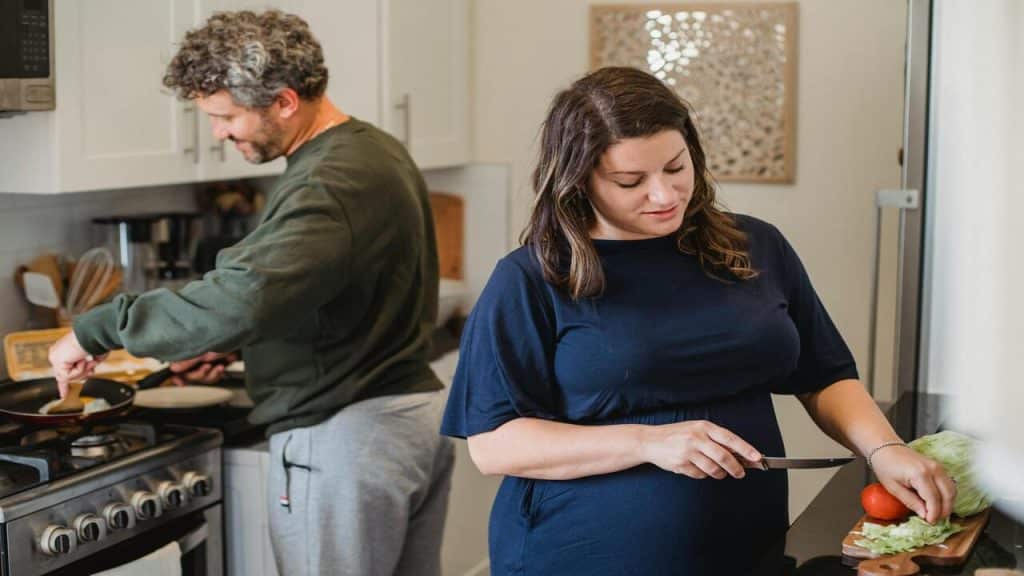
There will be seasons where one partner carries more emotional or practical weight. Expecting perfect balance at all times creates unnecessary scorekeeping. Healthy couples zoom out and look at patterns, not isolated moments. The key is goodwill—trusting that effort evens out over time. If imbalance becomes chronic, that’s a conversation, not an accusation.
9. Romance Doesn’t Compete With Real Life—It Has to Fit Into It
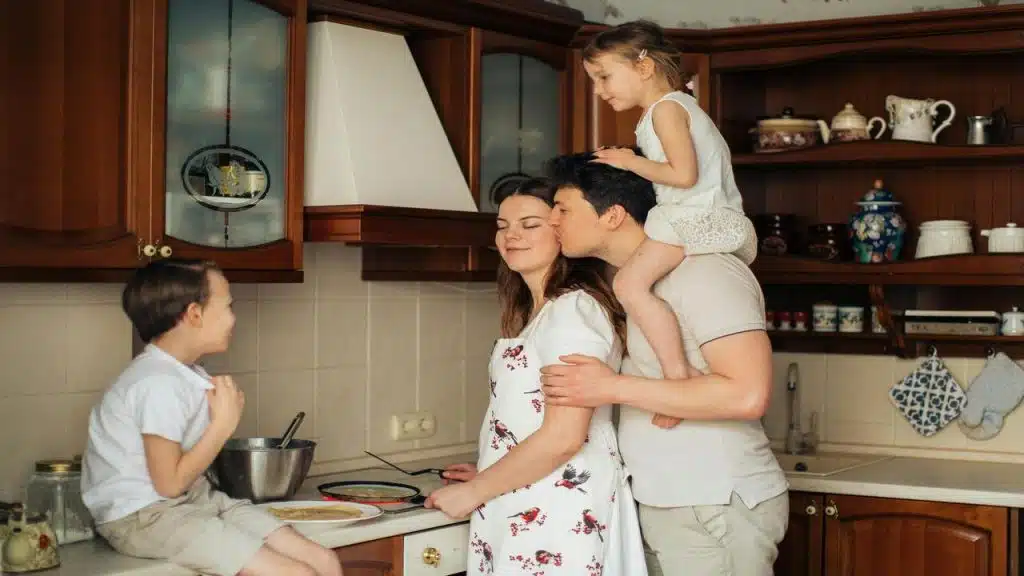
Many couples wait for the “right time” to reconnect, which rarely comes. Romance survives when it adapts to busy schedules, stress, and responsibilities. Short check-ins, planned dates, or shared routines matter more than spontaneous gestures. Waiting for perfect conditions keeps intimacy on pause. Build connection into your actual life, not your fantasy one.
10. Silence Can Be More Damaging Than Arguments

Stonewalling and emotional withdrawal slowly erode trust. When issues go unspoken, partners start feeling invisible or unimportant. Addressing problems imperfectly is better than not addressing them at all. Even saying, “I need time to think, but I want to come back to this,” keeps the connection intact. Presence matters more than eloquence.
11. Respect Matters More Than Being Right

Being technically correct won’t save a marriage if respect is missing. Tone, timing, and empathy shape how messages land. Long-term couples prioritize the relationship over the argument. That means choosing understanding over ego and repair over pride. A simple apology often does more than a flawless explanation.
12. Intimacy Is Emotional Before It’s Physical

Physical closeness often reflects emotional safety. When partners feel unheard, unappreciated, or disconnected, desire naturally drops. Fixing intimacy starts outside the bedroom—with kindness, attentiveness, and trust. Small emotional repairs create big physical shifts over time. Intimacy is built all day, not just at night.
13. Marriage Requires Boundaries With Others
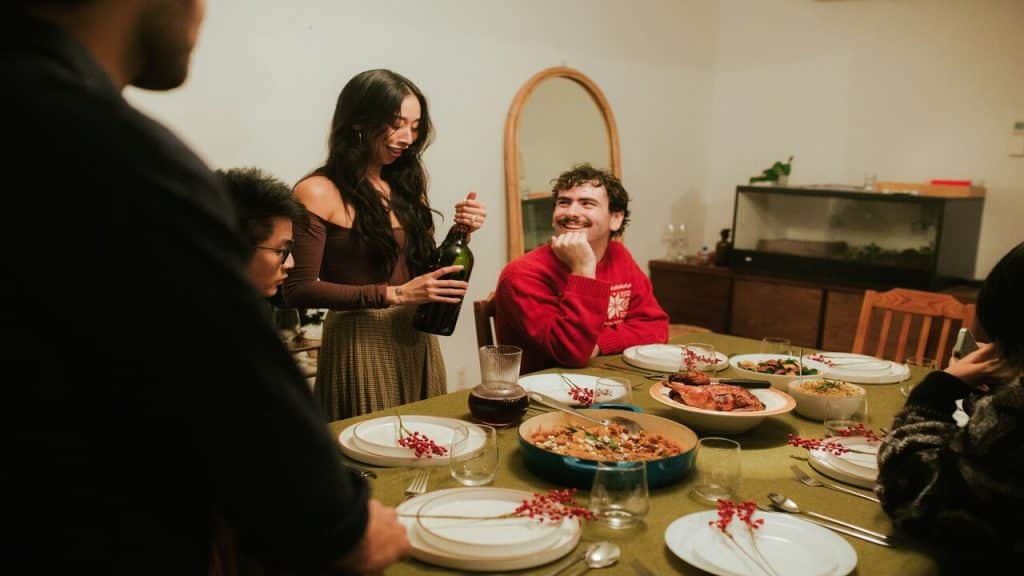
Outside influences—family, friends, work—can strain a marriage if boundaries aren’t clear. Loyalty doesn’t mean isolation, but it does mean prioritizing your partner emotionally. Oversharing marital issues with the wrong people creates division. Strong couples protect their relationship by deciding together what stays private and what doesn’t.
14. You Won’t Always Like Each Other

Love and liking aren’t the same thing. There will be moments of frustration, distance, or emotional fatigue. Mature couples don’t catastrophize these phases. They understand that disliking someone temporarily doesn’t erase commitment. What matters is staying respectful and connected while feelings shift.
15. Gratitude Is a Relationship Multiplier

Appreciation softens hard seasons and amplifies good ones. Feeling taken for granted is one of the fastest ways resentment grows. Noticing small efforts—chores, support, consistency—keeps goodwill alive. Say thank you often, even for routine things. Gratitude changes how both partners show up.
16. Marriage Is a Skill, Not an Instinct

No one is born knowing how to be a great spouse. Communication, conflict resolution, and emotional regulation are learned skills. Couples who improve treat marriage like something worth studying and refining. Reading, counseling, or intentional check-ins aren’t signs of trouble—they’re signs of investment. Skill-building prevents problems before they explode.
17. Staying Isn’t About Endurance—It’s About Choice

Lasting marriages aren’t built on suffering through unhappiness. They’re built on choosing repair, growth, and recommitment—again and again. Staying isn’t passive; it’s active participation. Couples who thrive don’t ask, “Is this easy?” They ask, “Is this worth nurturing?” And then they act accordingly.








Ask Me Anything