
Falling in love does feel different. The days are happier, the mood is joyful, and nothing seems to irritate you when you fall in love for the first time. You think it’s all a coincidence? Or does love possess some ultra-healing powers? Well, in a way, that is correct. Our brain is the centre for all our emotions, and this is where all the magic—chemical or subconscious—occurs that makes you feel so happy. Here are 15 complex biological, chemical, and psychological processes that happen when we fall in love with someone.
What Happens in the Brain When You Fall in Love

Love isn’t just a feeling. There is an entire brain chemistry that changes when you fall in love with someone. It stimulates the release of happy hormones in your brain, which makes you feel elated and gives you those butterflies in your stomach. The pleasure and reward centre is activated.
The Role of Dopamine: Love as a Reward System
Dopamine is the excitement and pleasure hormone of the brain. When you get infatuated with someone, there is a rise in the release of dopamine. This keeps you interested in your partner and makes you anticipate your next meetup, text, or call.
Oxytocin and Vasopressin: The Bonding Hormones

The two hormones that are responsible for forming bonds and attachment are oxytocin and vasopressin. The spike in their levels maintains a sense of emotional intimacy, emotional safety, and security in your relationship as it evolves.
The Psychology of Attraction: Why We Choose Certain People

Whether we realise it or not, our subconscious mind naturally inclines us towards someone’s aura and overall vibe. The brain can make an inner calculation about whether your personality and mindset match or not.
Physical Chemistry: Pheromones and Scent in Attraction
Human attraction is influenced by chemicals called pheromones that signal attraction and partner selection at a cellular level. That’s how humans are built naturally to find the partners they sense are most compatible with them.
Love at First Sight: Myth or Reality?

The idea of love at first sight sounds more like a fantasy, but isn’t it true that the instant you meet someone special, you feel a different kind of emotion—that chemistry between you, the conversations that flow so effortlessly between you, and the way they tick all the boxes on your checklist for the psychological image you had of your ideal partner?
The Stages of Falling in Love: From Infatuation to Attachment

Dopamine is the excitement hormone, and the initial honeymoon phase in your relationship witnesses a surge in its levels. As your relationship evolves and grows, the high levels are replaced by the love hormone, oxytocin, which now strengthens your bond.
Evolutionary Reasons for Love and Pair Bonding
Bonding isn’t just for the sake of love, but the evolution of the human race depended on reproduction for proliferation and survival. So, a long-term relationship and shared parenting benefit evolution, as this ensures sustenance, security, and safety.
The Impact of Past Experiences on Romantic Choices
Other factors that come into play when you fall in love are your past traumas, attachment issues, parenting neglect, or family patterns. These all determine the kind of person you get attracted to. Your past can impact your psychology, and that influences your choice in partners and how you perceive love.
How Stress and Cortisol Affect Early Love

High stress may at first make you feel drawn intensely towards someone, but long-term depression and anxiety can prevent you from establishing deep and genuine bonds. Your poor mental well-being can get in the way of your love life.
The Science of Heart Racing and Butterflies

When you feel attracted towards someone, it’s not just in your heart. That redness in your cheeks and that racing heart of yours are signs of an adrenaline rush. These physical signs signal our keen interest in a potential partner.
Why Opposites Sometimes Attract
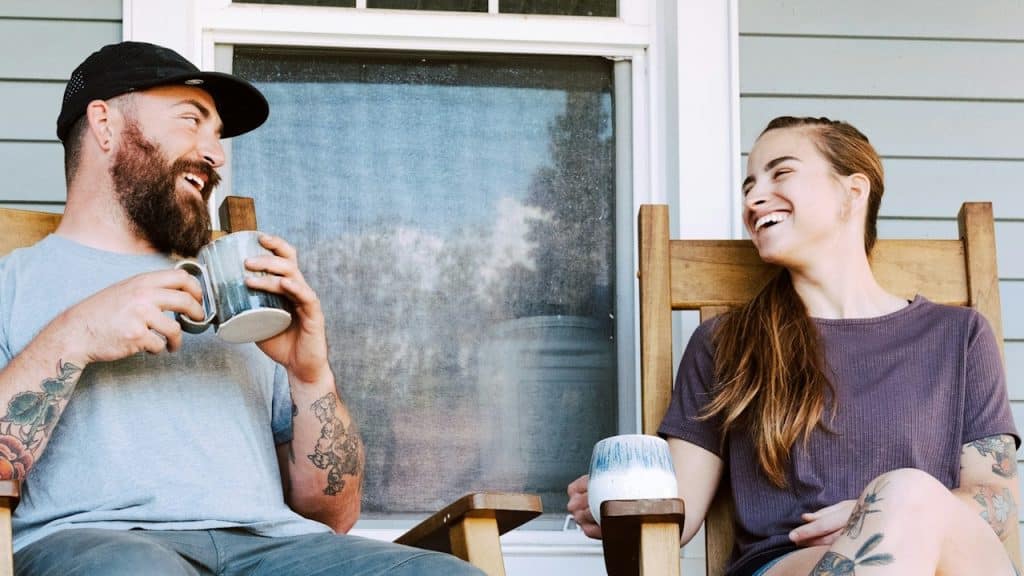
It’s usually said that opposites attract. You may feel appealed to a personality entirely different from yours. And honestly, these differences help sustain a long-lasting partnership by striking a balance between your complementary traits.
The Role of Social and Cultural Influences on Love

Your culture, faith, societal norms, family values, and peer pressure can shape the way you see love or express it. These become our guides quietly, without us even knowing.
Long-Term Love: How Chemistry Changes Over Time
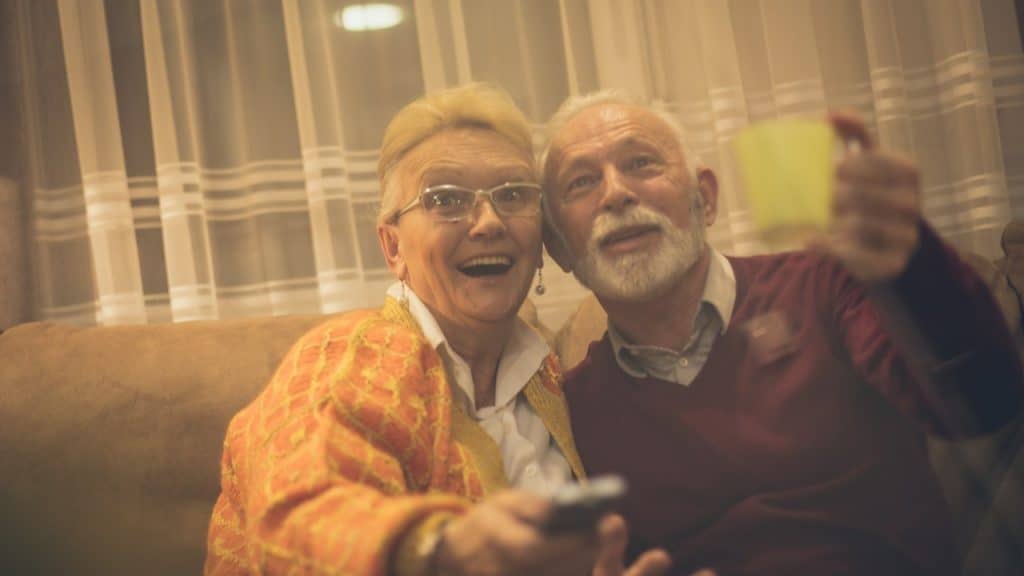
As you both enter an official relationship, and as years pass by, the very passionate romance declines and you develop a stronger, deeper emotional intimacy that maintains a healthy marriage or partnership.
The Connection Between Love and Overall Health

Happy spouse, happy house isn’t just a saying; it really is true. When your partner is in love with you and receives the same level of love from you, they appear pleasant and healthy, while those in failing relationships appear dull and stressed out. Love has important health advantages, like a better immune system, better cardiac health, less stress, and higher life expectancy.
Final Thoughts
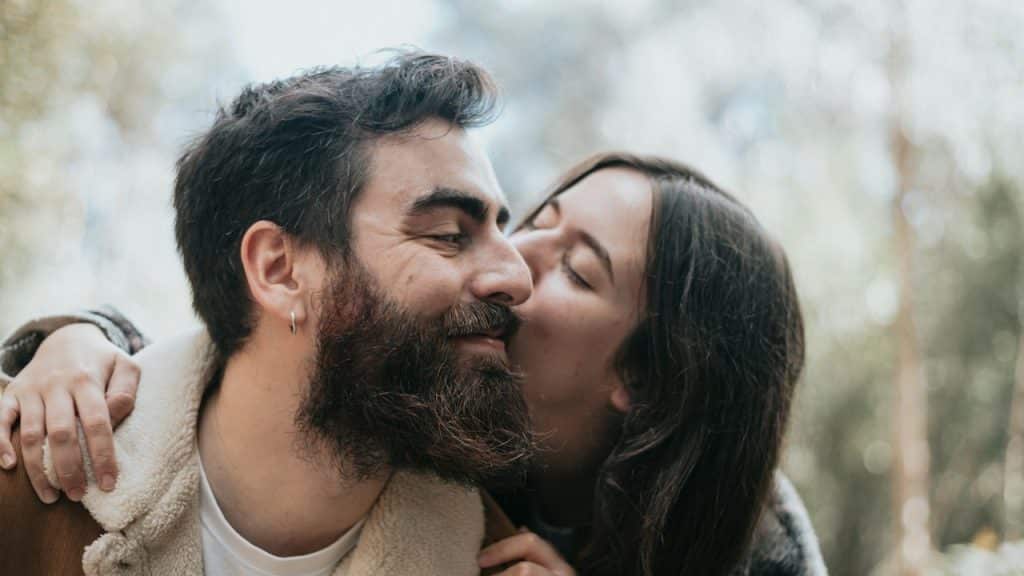
Falling in love isn’t just an exciting journey marked by intense emotions of love and admiration; it is also a biological process with the release of brain chemicals and hormones. This experience is also shaped by psychology and evolution. Understanding the science behind love will make us appreciate love for the great power it holds and help us build stronger, more lasting connections.







Ask Me Anything