
Dating in your midlife comes with its own set of challenges. One of the biggest is learning how to handle disagreements without turning a small debate into a full-blown argument. You want to be honest about your thoughts without making her feel attacked or dismissed. When you master the art of disagreeing respectfully, you instantly level up in emotional intelligence. You build trust, show maturity, and make her feel safe sharing her perspective.
Use “I” Statements Instead of “You” Statements

Framing your thoughts with “I” makes a huge difference. Instead of saying “You are wrong about this,” say “I see it differently because…” This keeps the focus on your perspective instead of attacking hers. It signals that you respect her opinion while still being honest about your own. “I” statements make your disagreement feel like a conversation, not a confrontation. They help avoid defensiveness and keep the vibe calm. When you express yourself this way, she’s more likely to listen without feeling judged. It’s a subtle shift that shows maturity and emotional intelligence.
Acknowledge Her Point Before Sharing Yours

Start by recognizing that she has a valid perspective. A simple “I get where you’re coming from” goes a long way. This doesn’t mean you’re giving up your stance. It’s about showing empathy and understanding before offering your own view. People are more open to hearing a different opinion when they feel heard first. It also sets a cooperative tone rather than a combative one. You get to disagree without making it personal. This approach builds respect and keeps the conversation smooth.
Stay Calm and Keep Your Voice Steady

Your tone says more than your words ever will. Even a small rise in volume can trigger defensiveness. Keep your voice steady and relaxed. Avoid sarcastic or condescending undertones. Staying calm signals that you’re confident and not trying to dominate the conversation. It also helps prevent the disagreement from escalating. She’s more likely to engage openly if she senses you’re composed. Think of it as setting the emotional temperature for the conversation.
Focus on Ideas, Not Character

Disagree with the idea, not the person. Avoid saying things like “You’re being irrational.” Instead, focus on the topic at hand. For example, “I think there’s another way to look at this” keeps the discussion about the issue, not her. This prevents the conversation from feeling like an attack. Criticizing the person destroys trust and shuts down communication. Keeping your critique on ideas shows maturity and respect. It also encourages her to do the same.
Ask Questions to Understand Her Perspective

Instead of immediately countering, ask questions to clarify. “Can you explain what you mean by that?” shows genuine curiosity. It gives you a chance to understand her viewpoint fully before responding. People appreciate being listened to, and questions signal respect. This also reduces misunderstandings that can escalate disagreements. By learning her reasoning, you can respond thoughtfully instead of reacting impulsively. Questions turn debates into dialogues.
Use Humor Carefully to Diffuse Tension

A light, playful comment can ease tension if used correctly. Make sure it’s never sarcastic or belittling. Humor can create a moment of shared laughter that reminds both of you that the disagreement isn’t a threat. It’s a way to stay connected while navigating a tough conversation. Timing is key, and reading the mood is essential. When done right, it signals confidence and emotional awareness. Avoid jokes that undermine her point or dismiss her feelings.
Agree to Disagree When Needed

Sometimes the best choice is to simply agree to disagree. Not every argument needs a resolution. A statement like “We see this differently, and that’s okay” respects both viewpoints. It prevents frustration from building and keeps the relationship positive. Accepting that you won’t always align shows emotional maturity. It also keeps future disagreements from piling up unresolved. Letting go doesn’t mean losing. It means choosing the relationship over being right.
Take a Pause if Emotions Rise

If things get heated, step back instead of pushing through. A simple “Let’s take a moment” can prevent things from spiraling. Cooling off allows both of you to think more clearly. It’s better to pause than to say something you’ll regret. This shows you value the conversation and her feelings. Coming back after a short break often leads to more productive dialogue. Self-control here is a sign of confidence and respect.
Avoid Absolutes Like “Always” or “Never”

Words like “always” and “never” make your argument feel like an attack. They exaggerate the situation and put her on the defensive. Instead of saying “You never listen,” say “I feel unheard sometimes.” This keeps your feedback specific and fair. Absolutes turn small disagreements into big fights. Using precise language shows you’re aware and considerate. It makes your disagreement feel constructive rather than critical.
Listen More Than You Speak

Sometimes the best way to disagree is to truly listen first. Let her explain her point fully without interrupting. Active listening shows that you respect her perspective. It also gives you better insight into how to respond. People naturally become less defensive when they feel heard. Listening more means you’re strategic and mature. It also sets the tone for a healthier conversation.
Avoid Bringing Up Past Arguments
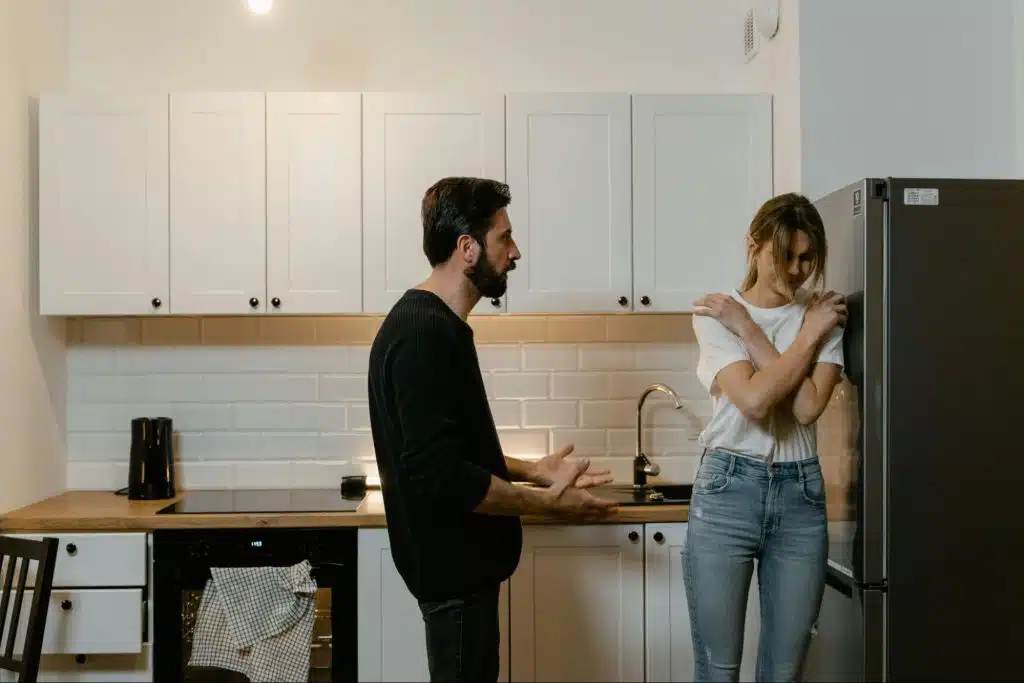
Keep the disagreement in the present moment. Dragging up old fights creates unnecessary tension. Focus on the issue at hand, not history. This prevents resentment from creeping into the conversation. Staying in the moment keeps your discussion productive. It also signals that you’re committed to solving problems, not scoring points. Your past doesn’t define how you handle disagreements today.
Show Appreciation for Her Honesty

Acknowledging her willingness to share her opinion builds trust. A simple “I appreciate you being open with me” goes a long way. It validates her perspective without necessarily agreeing. Gratitude creates a cooperative environment. It shows that you value her input and respect her viewpoint. This approach makes future disagreements less threatening. Appreciation smooths the edges of any tough conversation.
Keep Body Language Open and Inviting

Non-verbal cues matter just as much as words. Avoid crossing your arms or looking away. Lean slightly forward and maintain eye contact to show engagement. Open body language makes you appear approachable rather than defensive. She’ll feel safer expressing herself when you’re physically open. It also reinforces that your disagreement is about ideas, not personal attacks. Body language can either escalate or diffuse tension.
Don’t Interrupt or Talk Over Her
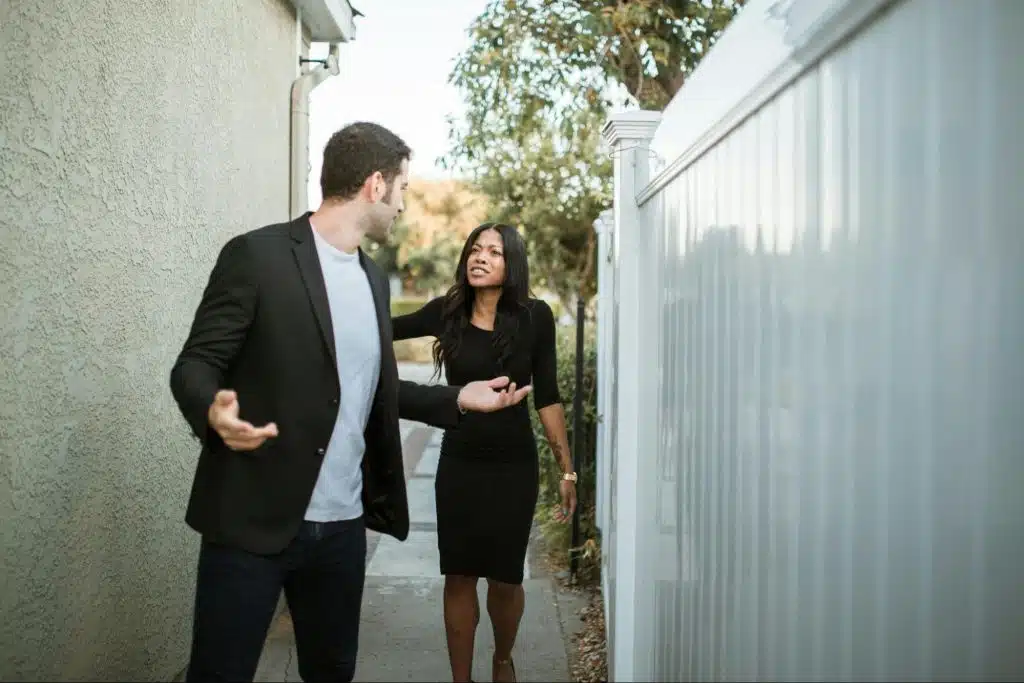
Cutting her off communicates disrespect. Let her finish her thoughts fully before responding. This not only shows patience but also that you value her input. Interruptions can make a disagreement feel like a battle. Waiting for your turn demonstrates self-control and respect. It also increases the chances of her listening to your perspective. Conversations flow better when both sides are heard completely.
Reframe the Conversation as Collaboration

Instead of thinking “I need to win,” think “How can we find common ground?” Framing it as collaboration keeps the energy positive. Words like “Let’s figure this out together” show teamwork. This approach reduces defensiveness and encourages compromise. It makes disagreements feel like problem-solving, not confrontation. Collaboration signals maturity and emotional intelligence. It also strengthens the connection instead of weakening it.
End With Affirmation of Respect and Care

Even if you still disagree, reaffirm that you respect her and value the relationship. A statement like “I respect your view, and I’m glad we can talk openly” reinforces trust. Ending on a positive note prevents lingering resentment. It shows that disagreement doesn’t threaten your connection. Affirmation leaves both of you feeling safe and understood. This sets the stage for healthier discussions in the future.








Ask Me Anything