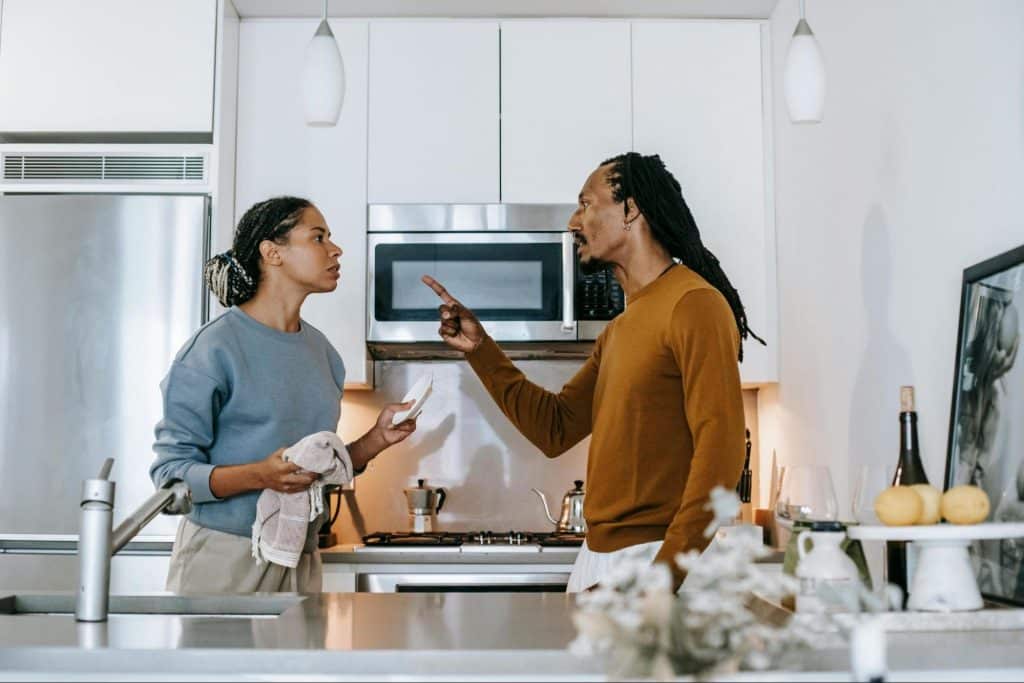
Love can survive tension, but it rarely survives the slow erosion of respect. Most couples don’t realize when it starts, it’s not dramatic, just subtle. The tone shifts, the effort softens, and admiration fades. Disagreements turn from discussion into dismissal. By the time either partner notices, the foundation has already cracked. Respect doesn’t vanish overnight; it slips quietly through moments of pride, neglect, and silence.
They Start Talking at Each Other, Not to Each Other
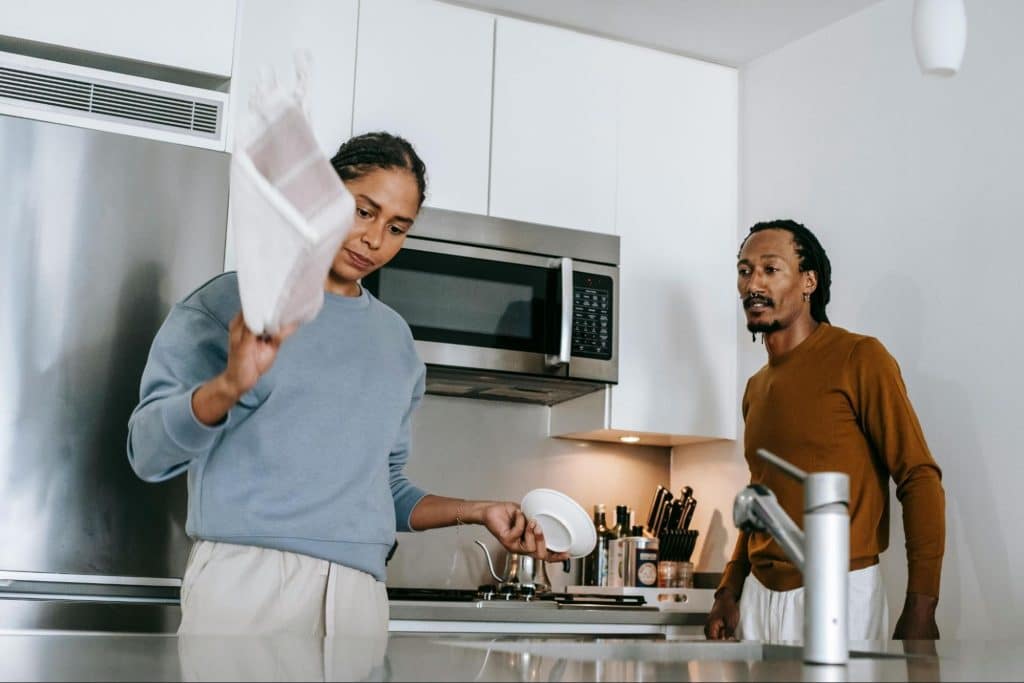
When respect fades, conversations become competitions. Instead of listening to understand, each person waits to respond. There’s less curiosity and more correction. What used to be teamwork turns into scorekeeping. The emotional tone shifts from warmth to defensiveness, and even small talk feels tense. Respect thrives on patience, but impatience makes every word sound like criticism.
They Dismiss Feelings Instead of Validating Them

At first, one partner shrugs off an emotional concern, “You’re overreacting.” Soon it becomes routine. When feelings are minimized, emotional safety disappears. Validation turns into avoidance because it’s easier to dismiss than to engage. But the moment someone’s emotions stop mattering, the relationship starts feeling like a negotiation, not a connection.
They Keep Score of Sacrifices
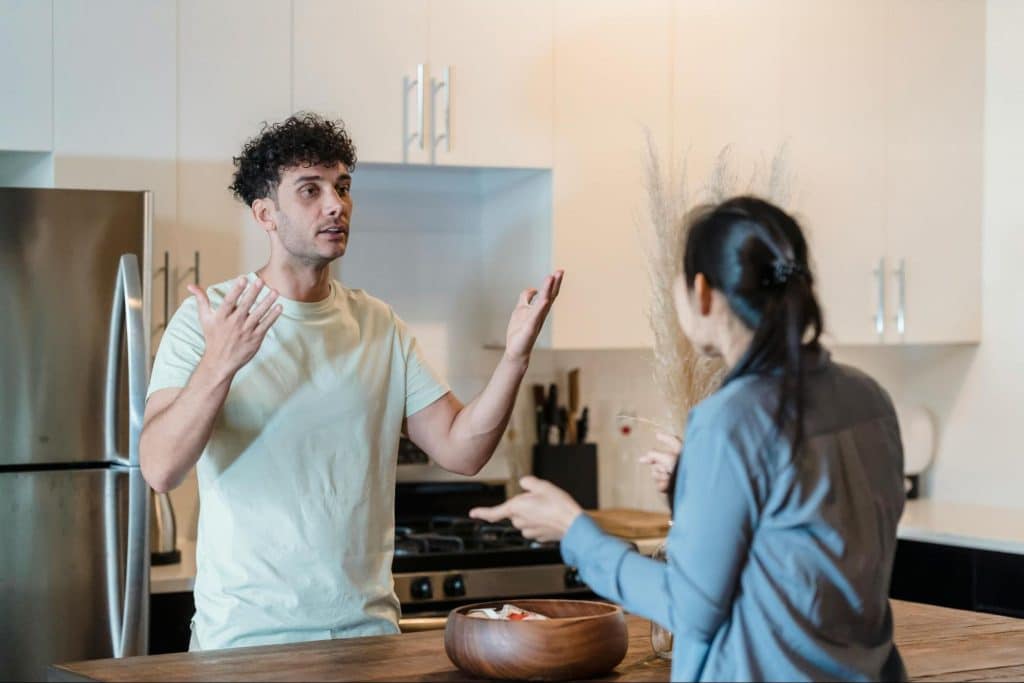
Love turns transactional when respect fades. Partners start silently counting who gave more, who tried harder, who compromised less. Instead of gratitude, there’s quiet resentment. When every good deed becomes ammunition, the relationship shifts from giving to calculating. True respect disappears when kindness becomes conditional.
They Stop Apologizing Sincerely

Apologies lose meaning when ego takes over. “I’m sorry you feel that way” replaces “I hurt you, and I understand why.” The words are there, but the accountability isn’t. Without genuine remorse, every apology feels like strategy, not healing. The inability to admit fault poisons mutual respect faster than any argument.
They Mock or Undermine Each Other in Public

What used to be light teasing becomes humiliation. One subtle jab, one sarcastic remark, and admiration crumbles a little more. When couples start making jokes at each other’s expense, it signals deeper disconnection. Public disrespect always begins privately. What’s hidden in sarcasm is often resentment in disguise.
They Stop Protecting Each Other’s Reputation

In healthy love, you defend your partner even in their absence. But when respect weakens, couples talk about each other with criticism instead of pride. Small complaints to friends turn into passive contempt. Protecting each other’s image is a quiet form of loyalty, and once it’s gone, trust goes with it.
They Prioritize Winning Over Understanding
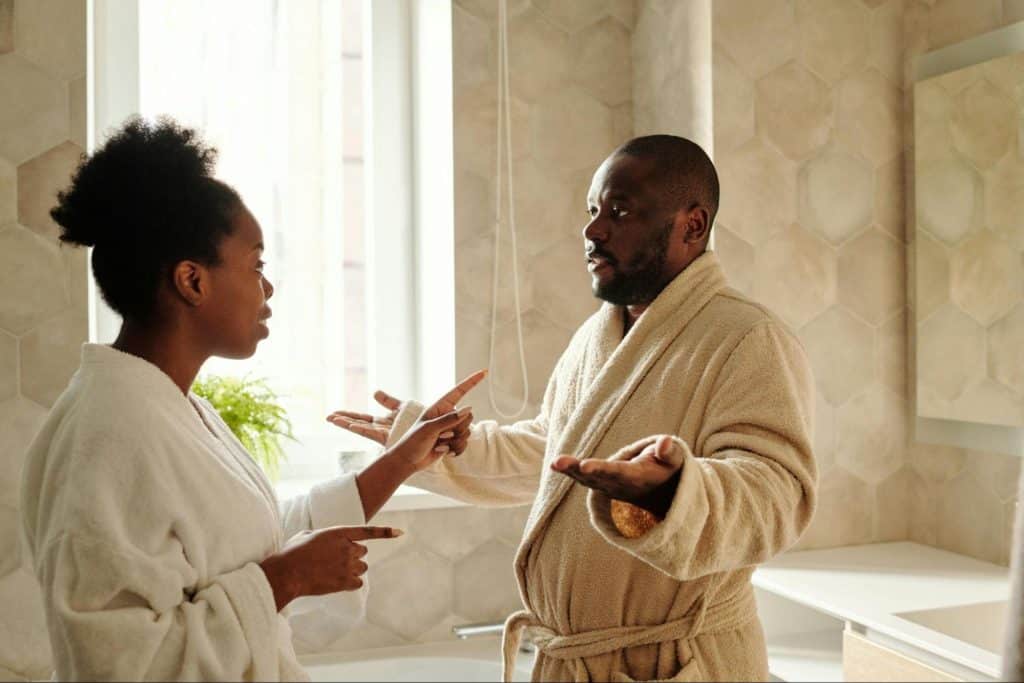
When respect fades, empathy dies first. Partners become so focused on being right that they forget how to be kind. Each debate turns into a contest for dominance instead of connection. In these moments, truth doesn’t matter, only victory does. And every victory won at your partner’s expense becomes a loss for the relationship.
They Withdraw Instead of Confronting Issues
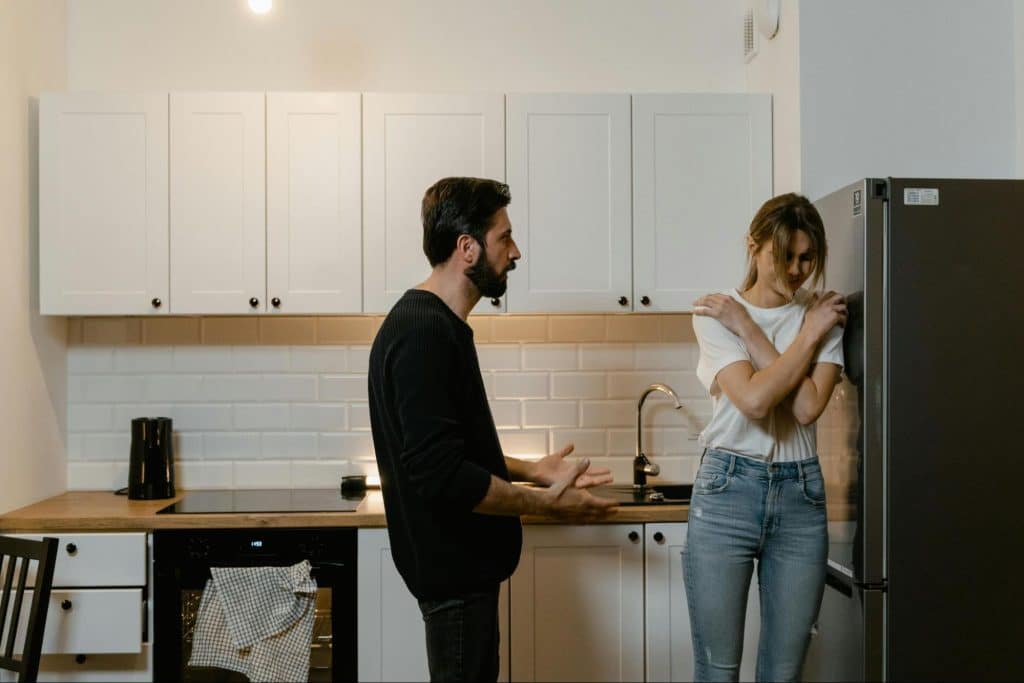
Disengagement feels easier than another exhausting argument. But silence doesn’t bring peace, it breeds distance. When partners start shutting down instead of speaking up, emotional walls rise. They stop resolving and start retreating. Avoidance may look calm, but it’s just quiet decay.
They Stop Saying “Thank You”

Gratitude fades in long relationships when small gestures go unnoticed. Respect thrives in acknowledgment, a simple “thank you” keeps appreciation alive. Without it, effort feels invisible. When couples stop expressing gratitude, their love becomes maintenance, not meaning. The smallest courtesies hold the biggest weight.
They Criticize Character Instead of Behavior
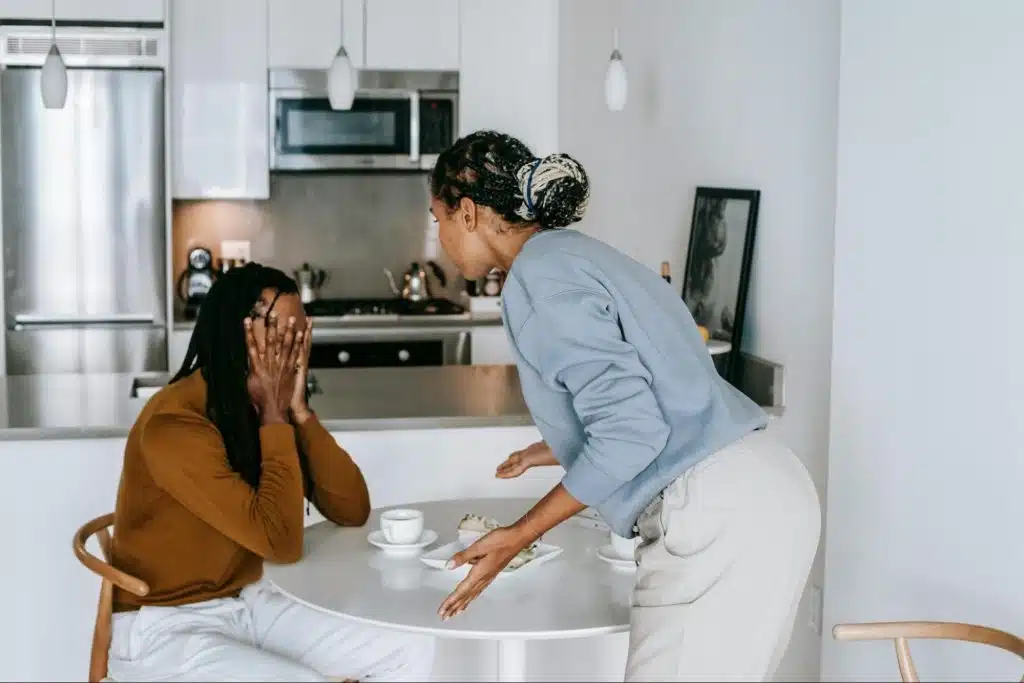
Respectful couples correct actions; disrespectful ones attack identity. “You forgot” turns into “You never care.” Over time, repeated character attacks scar self-worth. It’s no longer about resolving problems, it’s about wounding pride. Words, once used to connect, now become weapons.
They Stop Seeking Each Other’s Opinions
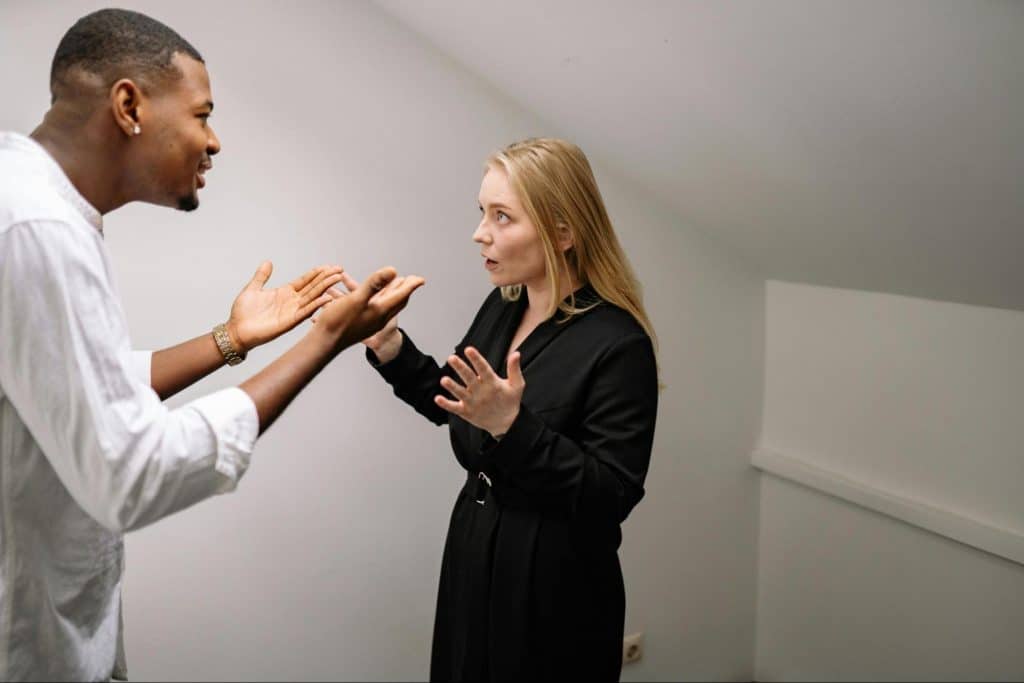
Mutual respect is built on valuing each other’s perspective. But when that fades, one partner’s input feels irrelevant. Decisions are made unilaterally, financial, emotional, even personal. This creates a quiet imbalance where one leads and the other simply follows. When input stops being invited, equality disappears.
They Compare Instead of Appreciate

Comparison kills connection faster than conflict. Whether it’s to past relationships, friends, or imagined ideals, comparison turns appreciation into inadequacy. No one feels respected when they’re measured against someone else. Admiration fades when fantasy replaces gratitude for the person standing beside you.
They Avoid Physical Affection
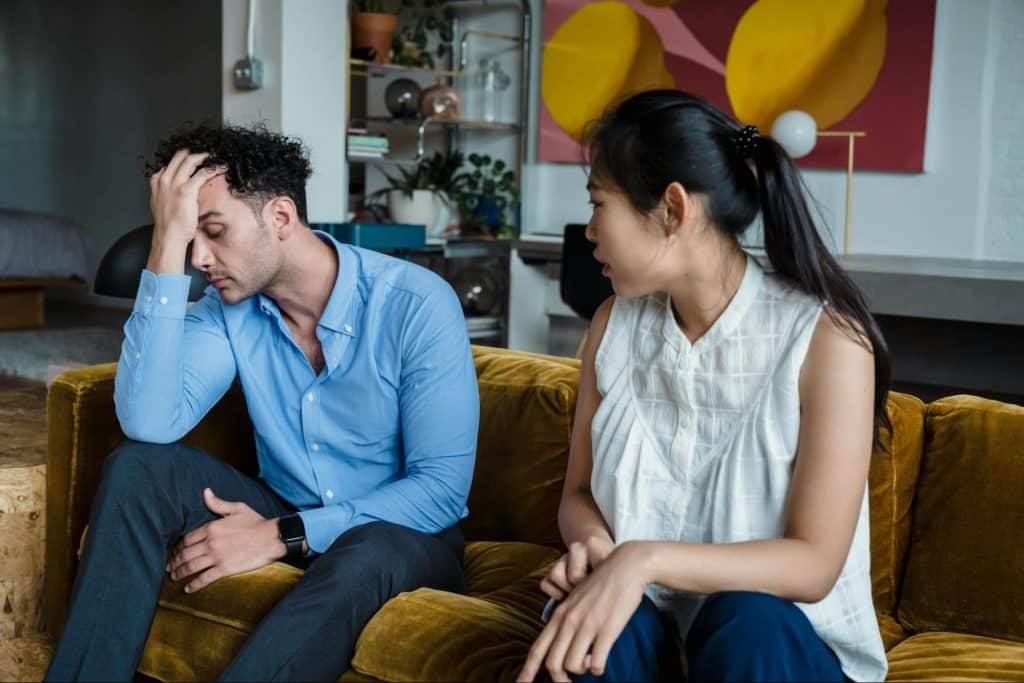
Physical touch used to be instinctive, now it feels forced or forgotten. When respect erodes, affection often follows, replaced by distance or routine gestures. A hug turns into a pat. A kiss turns into a habit. Love still exists, but it no longer feels alive. The absence of tenderness always speaks louder than words.
They Focus on Faults, Not Effort
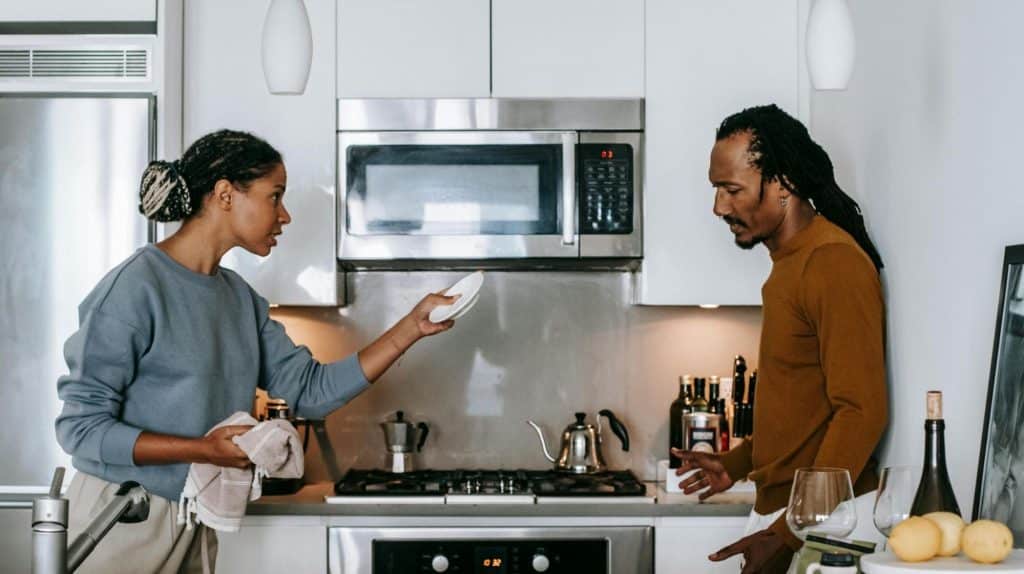
Criticism becomes the default lens. Every mistake stands out while every effort goes unnoticed. When partners stop looking for what’s good, they only see what’s missing. Respect requires fairness, and when judgment outweighs appreciation, love starts feeling like punishment.
They Stop Being Curious About Each Other

Respect is tied to interest, in thoughts, dreams, and changes. When couples stop asking questions, they stop seeing each other as individuals. Conversations turn predictable; curiosity fades. You can’t respect someone you no longer take time to understand. Comfort, when left unchecked, becomes indifference.
They Hold Grudges Instead of Rebuilding Trust

Everyone gets hurt, but healing takes humility. Without it, resentment festers in silence. Holding grudges replaces forgiveness with quiet revenge. Respect can’t coexist with bitterness because it demands empathy. Every unspoken resentment is a brick in the wall separating two people who still live side by side.
They Stop Admiring Each Other
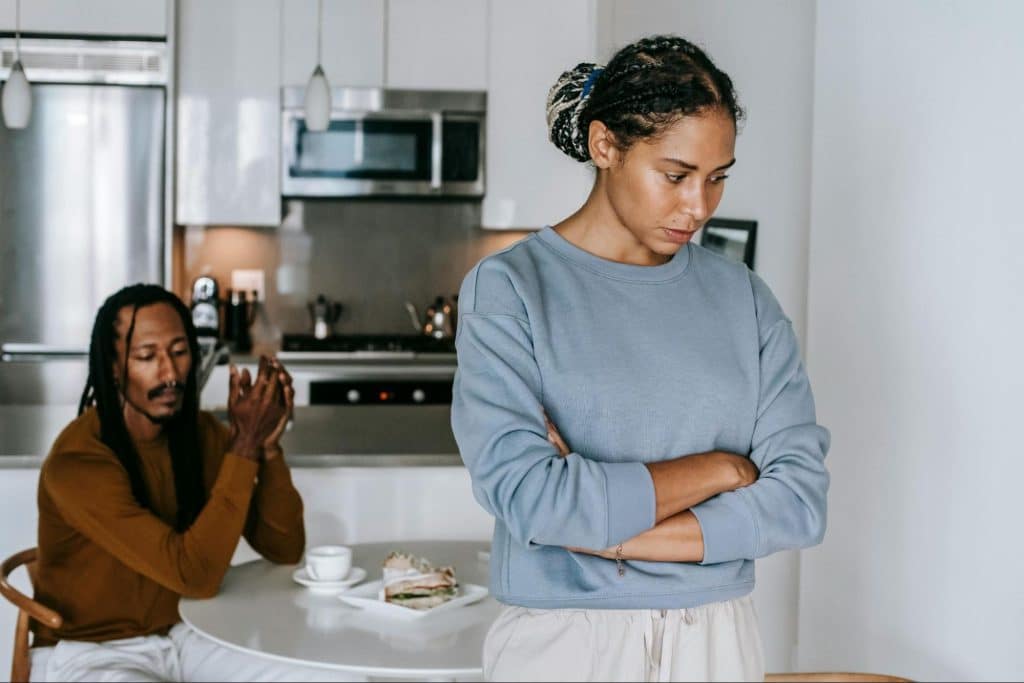
Admiration is the soul of respect. It’s not about idolizing, it’s about noticing effort, growth, and resilience. When couples stop admiring, love loses its energy. What once inspired me now irritates. Without admiration, attraction becomes habit, not desire.
When Respect Goes, Love Follows Quietly Behind

Relationships rarely end because of one big betrayal. More often, they fade because respect was neglected in the details, the tone, the listening, the daily gratitude. Love may keep people together, but respect determines how long they stay fulfilled. Rebuilding it means bringing back admiration, gentleness, and mutual care. Once you remember how to speak kindly and listen with intention, love starts breathing again.








Ask Me Anything