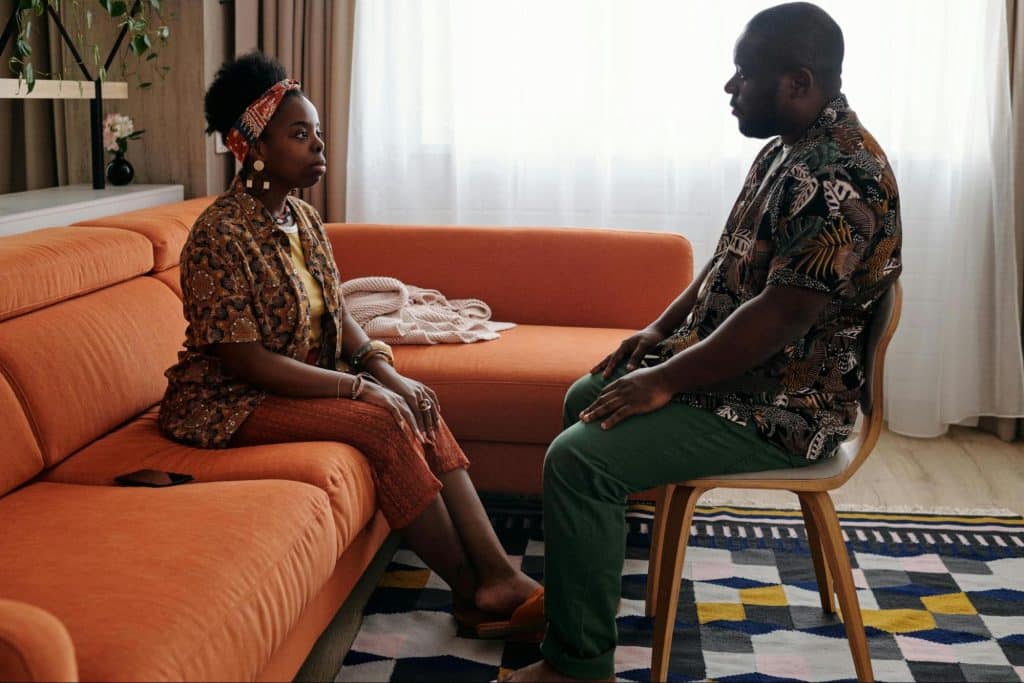
Most men don’t destroy good relationships intentionally. They do it quietly, through habits that once protected them but now push love away. Healthy connection demands openness, but fear of rejection or loss often makes men tighten control instead. Emotional safety feels foreign after years of independence or disappointment, so they defend rather than receive. The result is distance created under the illusion of strength.
They Withdraw When Things Get Emotional
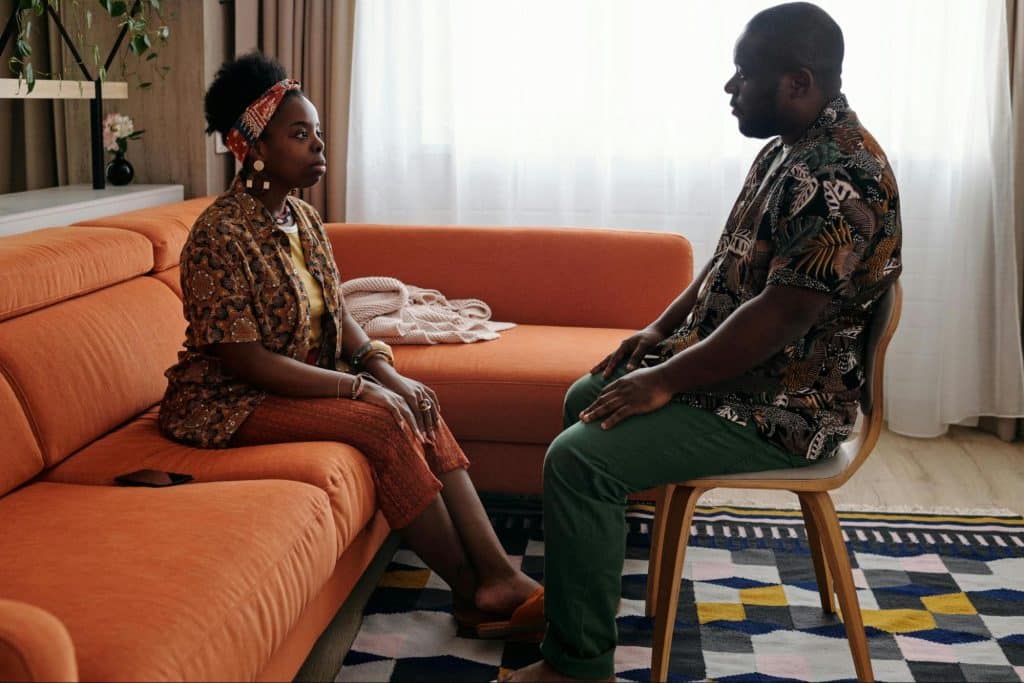
When emotions rise, many men retreat. Silence feels easier than confrontation, but withdrawal tells a partner her feelings don’t matter. What begins as a pause to “cool off” becomes a pattern of avoidance. Over time, she stops sharing, assuming you don’t care. Distance replaces communication, and affection fades in the quiet.
They Turn Affection Into Performance

Men often show love through action, providing, fixing, solving. But when affection becomes transactional, it loses warmth. She doesn’t need a problem solved; she needs to feel seen. When you measure love by tasks completed, emotional intimacy disappears. Relationships collapse when effort replaces connection.
They Mistake Control for Care

Taking charge can feel responsible, but over-management slowly erodes respect. Deciding “what’s best” for your partner removes her agency. Real care empowers, not confines. Control may create order, but it kills equality. Love needs freedom to breathe; dominance only tightens the air.
They Hide Vulnerability Behind Confidence

Men are taught that confidence equals strength, but constant composure builds walls. Hiding fear, sadness, or doubt may protect pride, but it also blocks closeness. Partners crave honesty, not perfection. Vulnerability is not weakness; it’s emotional truth. Without it, love becomes polite performance.
They Avoid Apologizing Properly

A quick “sorry” without accountability feels hollow. Many men minimize mistakes to protect ego, but humility builds trust faster than excuses. Real apologies don’t erase fault, they acknowledge humanity. When pride wins, connection loses. Love grows in ownership, not defense.
They Stop Listening Once They Feel Accused

The moment criticism sounds personal, attention shuts off. But most partners aren’t attacking, they’re asking to be understood. Interrupting or deflecting turns discussion into battle. Listening doesn’t mean agreeing; it means valuing her voice. The inability to hear emotion is how respect quietly dies.
They Use Humor to Deflect Depth

Jokes lighten tension, but constant humor hides discomfort. Laughing through serious talks makes partners feel dismissed. Sarcasm masks fear of honesty, trading vulnerability for entertainment. The short-term relief costs long-term closeness. Sometimes, sincerity is the bravest thing a man can say.
They Expect Gratitude for Bare Minimum Effort

Routine gestures, working hard, showing up, paying bills, matter, but expecting constant praise turns partnership into parent-child dynamics. Love shouldn’t require applause. When validation becomes currency, resentment follows. True partnership thrives on shared appreciation, not scorekeeping.
They Compare Instead of Connecting

Some men keep mental checklists, past partners, friends’ marriages, social expectations. Comparison shifts focus from building to judging. Every relationship has its own rhythm; measuring it against others steals joy. Love weakens when you treat it like competition instead of collaboration.
They Equate Silence with Peace

Avoiding conflict feels safer, but unspoken tension doesn’t disappear, it festers. Partners sense unresolved emotion even when words stop. Real peace isn’t the absence of disagreement; it’s the presence of understanding. Silence may keep things calm today but costs intimacy tomorrow.
They Let Routine Replace Romance

Comfort becomes complacency. Small surprises, compliments, or curiosity fade, replaced by predictable schedules. Stability is healthy, but it shouldn’t feel lifeless. When effort dies, attraction follows. Love survives on intentional warmth, not autopilot.
They Overvalue Logic and Undervalue Emotion

Men often pride themselves on being rational, but relationships aren’t math equations. Dismissing feelings as “irrational” invalidates emotional reality. Understanding doesn’t require solving, it requires empathy. Logic builds plans; emotion builds bonds. One without the other leaves the connection hollow.
They Fear Being Dependent

Independence is admirable, but partnership means interdependence, leaning without losing self. Men afraid of dependence avoid relying on anyone, even emotionally. That distance reads as rejection. Strength isn’t doing everything alone; it’s trusting someone enough to share the load.
They Hold Onto Old Wounds

Unhealed pain from past relationships quietly dictates current behavior. Distrust, jealousy, or emotional distance often stem from unresolved hurt. Carrying yesterday’s battles into today’s love guarantees repeat endings. Healing isn’t forgetting, it’s refusing to make a new partner pay for an old war.
They Test Love Instead of Building It

Some men push limits, withdraw affection, delay replies, or create tension, to see if she’ll stay. It’s emotional self-sabotage disguised as curiosity. Testing love only proves fear. Security can’t grow under suspicion. Real strength lies in building, not baiting.
They Confuse Comfort for Connection

Familiarity feels safe, but it can dull passion. Staying in a relationship simply because it’s easy breeds emotional laziness. Connection requires renewal, not routine. When comfort becomes escape, the relationship turns into quiet coexistence. Love should challenge, not sedate.
Awareness Is the Turning Point

The hardest truth is that most sabotage happens quietly, not maliciously. Men protect themselves from pain but end up creating it. The cure isn’t perfection, it’s awareness. Once you see your patterns, you regain control over them. A healthy relationship doesn’t need flawless men, it needs conscious ones.








Ask Me Anything