
Some relationships end long before you stop feeling them. The echoes of old pain can linger quietly, shaping what you expect, accept, and fear in new love. You may think you’ve moved on, but your reactions tell a different story, mistrust, hesitation, or emotional distance disguised as independence. Carrying the past into the present doesn’t mean you’re broken; it means you’ve learned to protect yourself. But at some point, the same walls that kept you safe begin to keep you isolated. Healing starts the moment you recognize what you’ve been carrying.
You Compare Without Meaning To

Comparison sneaks in quietly. You notice how your new partner communicates, loves, or argues, and somehow, your mind drifts to what an ex did better or worse. You’re not trying to relive the past, but old benchmarks have a way of sticking. The more you compare, the less space you give someone new to be themselves. Healing begins when you realize that every person deserves a blank page, not a rewrite of a previous story.
You Expect Rejection Before It Happens

You brace for loss even when nothing’s wrong. When a message takes too long or a tone feels off, your mind fills the silence with old endings. You’ve learned to prepare for heartbreak before it arrives, but all that does is make you live through pain twice, once in fear, and again in reality. Expecting rejection becomes a self-fulfilling prophecy. New love can’t thrive when you’re always waiting for it to fail.
You Find Comfort in Emotional Distance

Closeness feels risky, so you keep your walls high. You tell yourself you just need space, but deep down, it’s protection from getting hurt again. Emotional distance can feel like control, you can’t be abandoned if you never fully show up. But what once kept you safe now keeps you lonely. Love can’t reach you through a door you never open.
You Overanalyze Small Shifts in Behavior
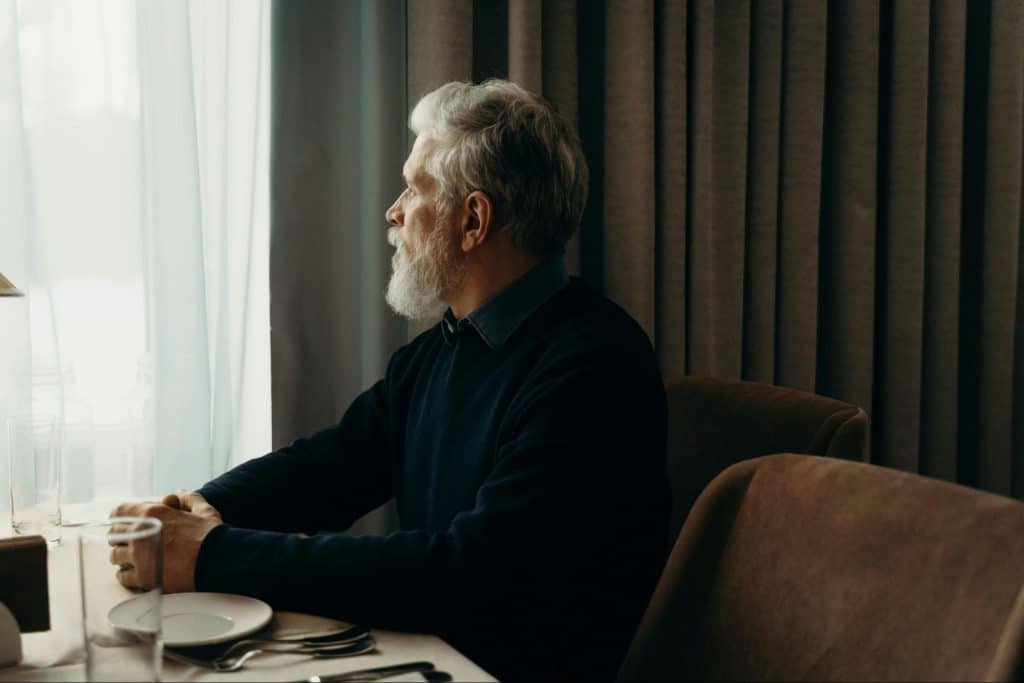
Every pause or sigh feels loaded. A short reply becomes a warning sign; a missed call turns into confirmation of your fears. These aren’t instincts, they’re echoes of anxiety born from inconsistency you once endured. When you live in analysis mode, you stop experiencing love and start auditing it. The past doesn’t just haunt you, it dictates your reactions before your heart gets a chance to breathe.
You Mistake Caution for Compatibility

You gravitate toward people who seem emotionally distant, convincing yourself they’re “low drama” or “easygoing.” In truth, they just feel familiar, they don’t trigger your vulnerability. But avoiding closeness isn’t the same as finding peace. Sometimes comfort isn’t compatibility; it’s your pain recognizing a pattern. You can’t heal by repeating what hurt you just because it feels safe.
You Struggle to Believe Affection Is Genuine

When someone loves you gently, it feels suspicious. You question motives, search for red flags, or assume they’ll change once they “get comfortable.” It’s not cynicism, it’s protection built from disappointment. But distrust poisons even the kindest love. Until you believe that affection can exist without an agenda, you’ll keep rejecting the very thing you say you want.
You Apologize for Needing Reassurance

You downplay your emotions, afraid of seeming too sensitive or too demanding. You’ve been told before that you “expect too much,” so now you silence your needs to keep the peace. But reassurance isn’t weakness, it’s clarity. A healthy partner won’t make you feel guilty for seeking stability. You don’t have to earn emotional safety; you just have to stop apologizing for wanting it.
You Pull Away When Things Start Going Well

When love feels good, part of you panics. Happiness feels fragile, and you wait for the moment it collapses. So, before that can happen, you pull back first, convincing yourself it’s smart, not scared. But self-sabotage disguised as control only keeps you stuck in the same cycle. The fear of loss shouldn’t stop you from experiencing something real.
You Keep Testing Their Loyalty

You create small tests, delayed replies, emotional distance, sudden coldness, just to see how they’ll react. You call it curiosity, but it’s really a craving for proof. The problem is, constant testing turns love into a trial no one can pass. Trust isn’t built through games; it’s built through presence. The only way to know if someone will stay is to stop pushing them away.
You Struggle to Accept Differences Without Fear

When your new partner reacts differently from your ex, you feel uneasy, as if calmness means disinterest or disagreement means disaster. Old patterns convince you that different is dangerous. But people love differently, not wrongly. If you treat every difference as a threat, you’ll never experience the beauty of being understood in new ways.
You Carry Guilt From What Went Wrong Before
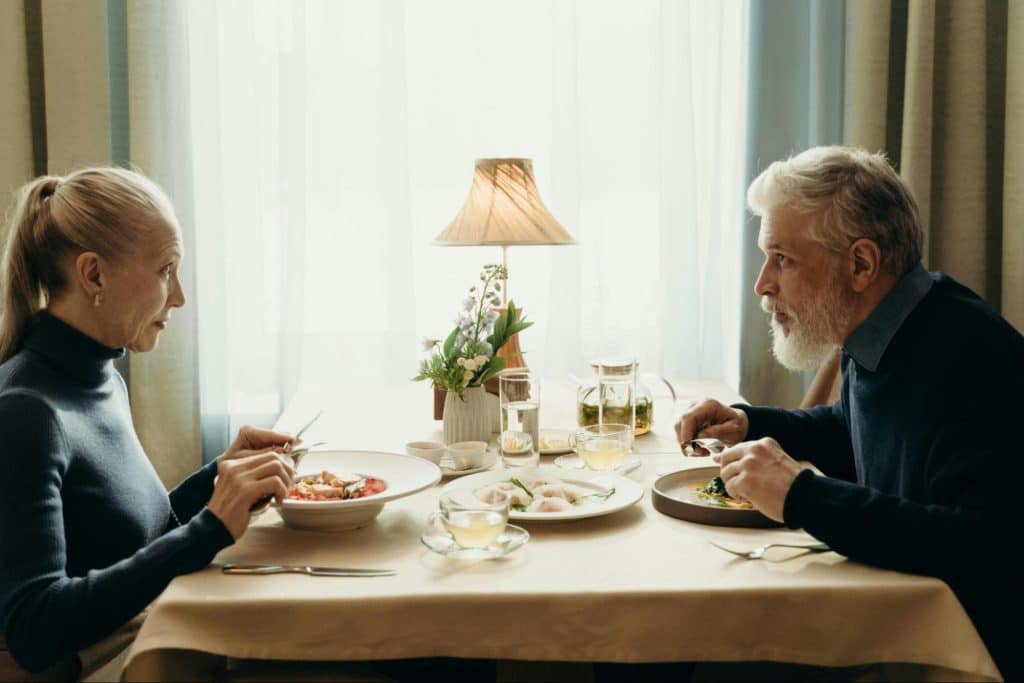
Even when you were the one left hurt, you still find ways to blame yourself. You replay old conversations, wishing you’d spoken softer or fought harder. Guilt becomes a form of loyalty to the past, as if staying sorry honors what you lost. But guilt isn’t growth. You can take responsibility for your part without punishing yourself forever.
You Avoid Vulnerability to Stay in Control

You share stories, but not emotions. You talk about your life, but not your fears. Control feels like safety, yet it blocks real intimacy. Vulnerability isn’t losing power, it’s choosing honesty over fear. When you stop hiding, you stop carrying.
You Fall for Familiar Pain

You’re drawn to the same kind of people who hurt you, because pain feels like home. It’s not love you’re chasing, it’s recognition. The mind confuses familiarity with comfort, even when it hurts. Healing begins when you stop mistaking emotional chaos for connection. Sometimes the most healing love will feel boring at first, only because peace is new to you.
You Expect Love to Feel Like Work

You equate struggle with depth, as if easy love can’t be real. You’ve been taught that love must hurt to matter. But not every connection needs saving, and not every partner is a project. Real love is effort, yes, but it isn’t exhaustion. Ease doesn’t mean emptiness; it means alignment.
You Carry Unspoken Suspicion Into Every New Start

Even when things are going well, you’re scanning for hidden motives. You’re not paranoid, you’re just tired of being blindsided. But suspicion built on old pain can sabotage new trust before it begins. It’s okay to be cautious, but don’t confuse awareness with fear. Not everyone is a repeat of your worst memory.
You Confuse Intensity With Connection

The adrenaline rush of attraction can feel like certainty, heart racing, constant thoughts, emotional highs. But intensity isn’t intimacy. It’s often anxiety wearing passion’s disguise. True connection is calm, not chaotic. When you stop chasing sparks and start valuing peace, love finally becomes sustainable.
You Fear Healing Means Forgetting

Letting go can feel like betrayal, as if moving on erases the significance of what you endured. But healing doesn’t mean the past disappears; it means it stops defining you. You can remember without reliving. The heart doesn’t forget what shaped it, it simply learns to carry it differently. Peace isn’t amnesia; it’s acceptance.
When Healing Becomes the New Love Story

Healing from the past isn’t about closing yourself off, it’s about opening again, wiser and lighter. Old wounds lose their grip the moment you stop using them as armor. Love can’t thrive in the shadow of yesterday, but it can grow in the light of understanding. When you stop expecting the past to repeat, you make space for something new to begin. The truest form of healing isn’t found in avoiding love, it’s in learning to receive it without fear.








Ask Me Anything