
No one tells you how loud, messy, and strangely beautiful life becomes once you’re a dad. One day you’re a husband, and the next, you’re a man juggling bottles, bills, and bedtime battles. You’re still the same man, but now your time, patience, and energy belong to everyone else. And you can’t shake the feeling that marriage after kids is a completely different ball game. This isn’t a rant or a pity party—it’s a gut-level look at how things really shift when fatherhood hits. Think of it as a reality check for men who want to keep their marriage steady while raising the next generation.
You’ll Miss the Freedom You Didn’t Know You Had
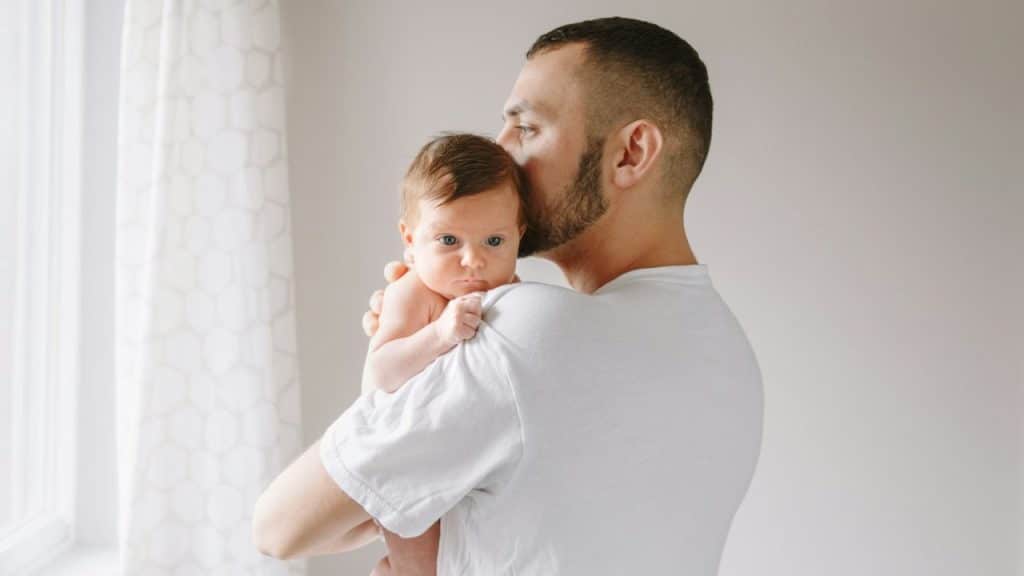
You never realize how free you were until every moment demands coordination. Quiet mornings and spontaneous weekends fade fast once kids arrive. You start longing for small things, like finishing a meal in peace. This isn’t about wanting your old life back—it’s about adjusting to a new one that demands more structure and less spontaneity. Freedom just takes a different form now.
Your Priorities Will Shift Overnight

The moment your child arrives, the scoreboard resets. Work ambition, hobbies, even friendships can fade into the background. It’s not about neglect but necessity. This shift can feel disorienting at first, but it also clarifies what truly matters. The trick is making sure your marriage doesn’t disappear in that process.
Your Wife’s Attention Isn’t About You Anymore
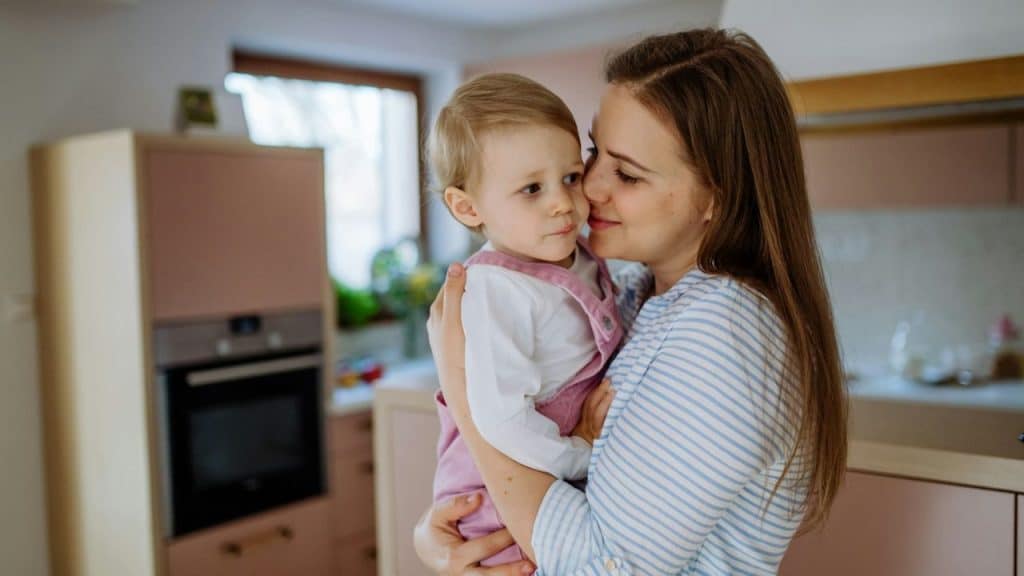
When your wife becomes a mother, her focus shifts to survival mode. She’s managing a thousand moving parts, and emotional space is limited. What feels like distance is often exhaustion, not disinterest. This is where patience and empathy matter more than ego. The best thing you can do is meet her where she is, not where you wish she’d be.
Your Marriage Becomes a Logistics Operation

Once kids enter the scene, love becomes a series of scheduled tasks. Date nights turn into grocery runs, and your conversations often revolve around car seats and school lunches. The romance that once came naturally now needs planning. It’s not that affection disappears; it just hides under layers of responsibility. Keeping the connection alive means treating your marriage like a priority, not a side project.
Money Stress Becomes More Real

Nothing exposes financial tension like raising kids. Every expense suddenly carries more weight—schools, health care, even grocery bills feel amplified. What used to be small disagreements now feel like high-stakes choices. The pressure is real, but transparency is your best defense. Talk about money early and often, before stress turns into distance.
Your Intimacy Will Take a Hit

Exhaustion is a powerful mood killer. Between sleepless nights, stress, and constant noise, physical connection naturally slows down. You start scheduling what used to happen on impulse, and that can feel strange. But intimacy evolves; it becomes less about heat and more about effort. The couples who last are the ones who keep trying, even when the spark feels buried under fatigue.
You’ll Argue About Parenting Styles

No matter how aligned you were before kids, parenting exposes every difference. One of you might be stricter, the other more lenient. You’ll clash over bedtime routines, discipline, and what “good parenting” means. These moments can feel personal, but they’re often about your own upbringing resurfacing. The key is learning to discuss instead of defend.
You’ll Feel Like Teammates More Than Lovers

Parenthood turns marriage into a mission. You divide duties, trade shifts, and check progress like project managers. The romance that once fueled your connection now takes effort to find. But this team phase doesn’t have to be cold. When you both stay aligned on your shared goals, teamwork can actually deepen your bond—it just looks different than before.
You’ll Notice How Differently You Handle Stress

Kids magnify stress in ways that test even the strongest marriage. You’ll notice how each of you reacts under pressure, and it won’t always be pretty. Maybe you withdraw, while she talks through every worry. These patterns can cause friction unless you learn each other’s coping styles. Understanding those differences keeps stress from turning into resentment.
Sleep Deprivation Will Mess With Everything
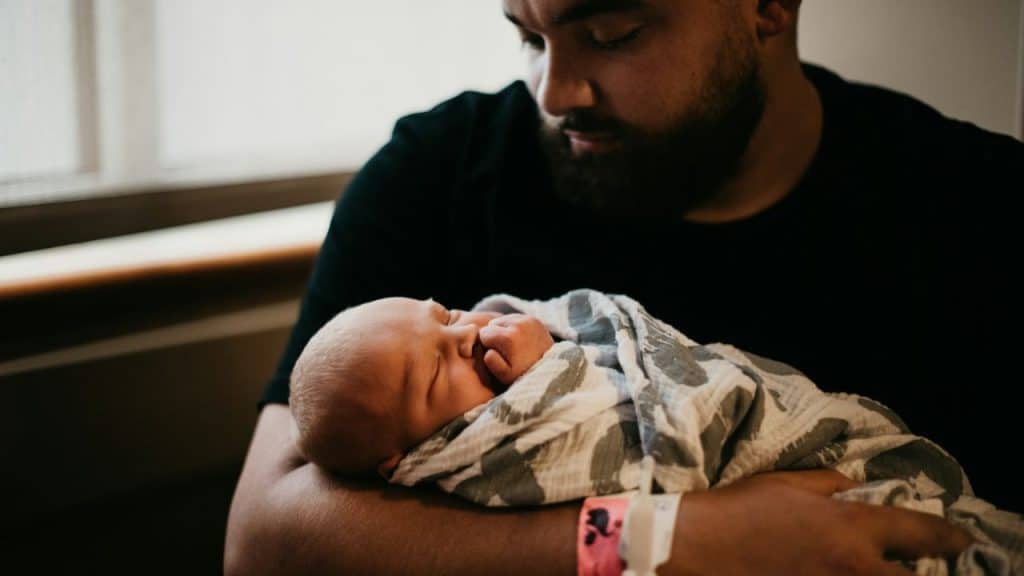
Sleep loss doesn’t just make you tired—it rewires your patience, mood, and attraction. You find yourself snapping over small things or zoning out during conversations. This phase tests how well you both can function while running on fumes. The good news is that it passes, but the lessons in communication and empathy it forces can last much longer.
You’ll See a Different Side of Your Wife—Good and Bad

Motherhood changes a woman in real, visible ways. You’ll see her strength, her tenderness, and sometimes her breaking points. It can be both inspiring and confronting. She’s learning a new identity just like you are, and it’s not always graceful. The more you accept this unfiltered version of her, the closer you’ll grow as partners.
You’ll Resent the Lack of Attention

There will be nights when you feel like a ghost in your own marriage. You’ll watch your wife pour every ounce of her energy into the kids and have nothing left for you. That quiet resentment builds fast if you don’t name it. You’ll start wondering when you stopped being a husband and became background noise. The hard truth is that marriage only survives this phase if both of you fight to stay seen.
You’ll Question Your Own Identity

Becoming a father can shake your sense of self. You start juggling roles—provider, husband, parent—and it’s easy to feel like you’re losing parts of who you were. That inner conflict can quietly affect how you show up at home. Rebuilding your identity means permitting yourself to change, not fighting to be the man you were before.
You’ll Start Avoiding Home Sometimes

There will be days when you take the long way back from work just to have silence for a few minutes. You’ll feel guilty about it, but also strangely relieved. The noise, the chaos, the endless requests—it wears you down. Avoidance becomes a quiet escape, and if you’re not careful, it becomes a habit. This is how emotional distance sneaks in before you even notice it.
You’ll Feel Unseen Sometimes

Fathers often operate in the background, quietly doing their part while attention naturally gravitates toward the kids. It’s fulfilling, but it can also sting when your efforts go unnoticed. You might feel invisible in your own home if you don’t speak up. Connection requires acknowledgment on both sides, so don’t wait for appreciation—start the conversation.
You’ll Compare Yourself to Other Dads

You’ll scroll through social media and see other fathers seemingly nailing it—calm, fit, and endlessly patient. Meanwhile, you’re running on fumes, wondering if you’re doing enough. That quiet comparison can eat at your confidence. But every family has chaos behind the curtain. The goal isn’t to compete; it’s to keep showing up, even when no one’s clapping.
You’ll Realize Marriage Doesn’t Get Easier—You Just Get Tougher

Every stage of parenthood brings a new challenge that tests your bond in different ways. The sleepless nights, the teenage years, the career sacrifices—they all take turns pulling you apart. You keep thinking it’ll settle, but it doesn’t. What actually changes is you. You get better at adapting, forgiving, and pushing through. That’s what keeps the whole thing from collapsing.








Ask Me Anything