
Every man knows what it feels like to be cast as the bad guy before anyone hears the full story. Maybe it was at work, at home, or during a breakup—you became the “problem.” The truth is, men often carry pressures no one sees and make choices that get misunderstood. If you’re a man who’s ever been judged without context, this is for you. These stories aren’t about excuses; they’re about perspective, growth, and learning how to take ownership without losing yourself.
The Workaholic Husband

He’s called distant, cold, or emotionally unavailable. But behind that long string of late nights might be a man quietly terrified of failing the people who depend on him. He’s carrying the weight of financial pressure and silent expectations to provide. What looks like obsession with work might actually be fear disguised as responsibility. Sometimes, his absence isn’t neglect—it’s sacrifice no one talks about.
The Silent Partner in Marriage

He doesn’t share feelings, doesn’t fight back, doesn’t “open up.” People think he doesn’t care, but silence often hides a man who’s been taught his emotions are dangerous or unwanted. Maybe he’s afraid that speaking up will make things worse. Maybe he just never learned how to be heard. Silence can be a shield, not proof of indifference.
The Father Who Provides but Isn’t Present

He misses games, school plays, and dinners. His kids call him “the dad who’s never home.” Yet when you look closer, you find a man trying to keep promises—to pay for college, to protect his family’s stability. He trades presence for provision, thinking that’s what love requires. It’s not that he doesn’t care; it’s that he’s been taught showing love means providing first and living later.
The Divorced Dad in the Villain Role

Every divorce needs a villain, and too often it’s him. He’s accused of walking away, breaking vows, or giving up. But maybe he left because the house turned toxic, or staying meant losing himself. Sometimes, the decision to walk away isn’t about quitting—it’s about survival, self-respect, and protecting what’s left of his peace.
The Man Who Says “No” to Social Events

He skips the party or the team dinner, and suddenly he’s labeled cold or detached. The truth might be burnout, anxiety, or a simple need to protect his time. Not every “no” is rejection; sometimes it’s maintenance. Some men recharge in silence, not in rooms full of noise and small talk.
The Man Who Didn’t React in a Crisis

He stayed calm when everything went sideways, and people mistook it for apathy. But calm can be control, not detachment. Some men handle chaos by locking emotions away to think clearly. The absence of panic doesn’t mean the absence of care—it means he’s steady when everyone else falls apart.
The Man Who Prioritized Self-Improvement Over Others

He pulled away, focused on his goals, and suddenly he’s accused of being selfish. But there are moments when you need to rebuild before you can show up for anyone else. Growth often looks like distance. What feels like withdrawal might actually be preparation for a stronger return.
The Husband Who Chose Stability over Romance
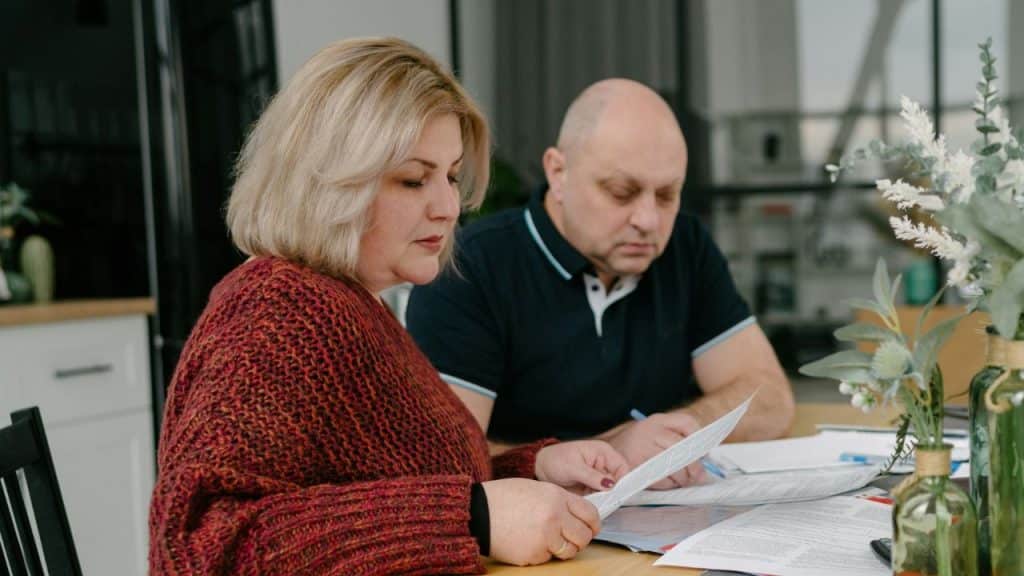
She says the spark is gone, that he’s too predictable. Yet behind that steadiness is a man who’s choosing reliability over chaos. He’s trying to build safety, not excitement. Love, to him, means being the rock she can count on, even if that makes him look unromantic from the outside.
The Man Who Walked Away from a Big Opportunity

He turned down the promotion, the move, the “dream job.” People called it fear or lack of ambition. But what if he saw the burnout ahead, or the family he’d lose in the process? Sometimes wisdom looks like hesitation. Sometimes, choosing less is how a man protects what matters most.
The Man Who Stayed in a Job He Hated

People saw him as unmotivated, afraid to take risks, or unwilling to chase dreams. What they didn’t see was the quiet loyalty behind every clock-in—the sacrifices made to keep food on the table. Staying wasn’t failure; it was endurance. Sometimes the bravest choice a man makes is not leaving, but holding on for the sake of everyone depending on him.
The Man Who Walked Away From an Argument

He’s called passive, weak, or emotionally unavailable because he refuses to fight. But walking away can be restraint, not avoidance. He knows words can’t be unsaid, and sometimes silence keeps love intact. It takes more strength to pause than to prove a point.
The Man Who Refused to Settle
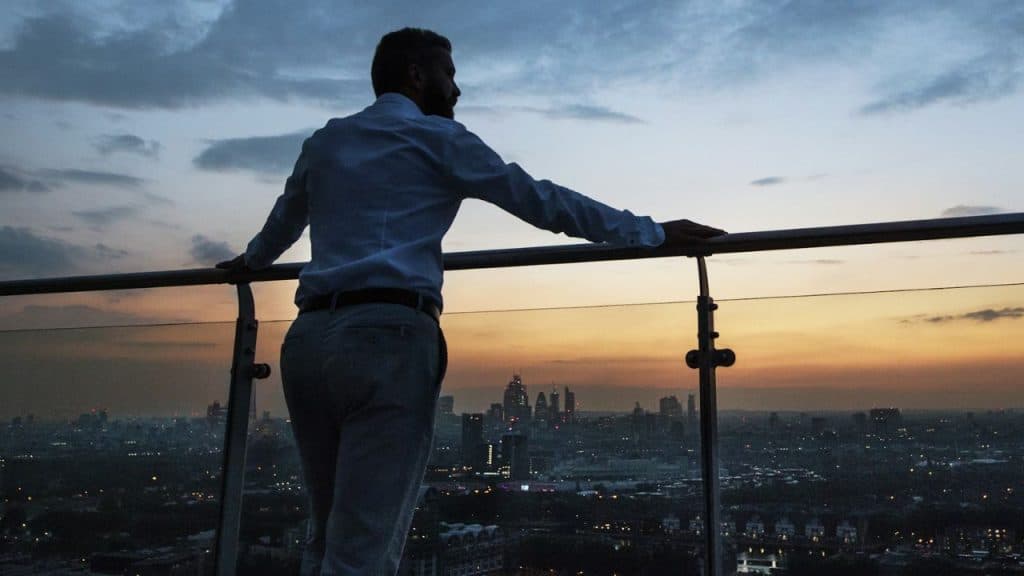
They said he was too picky, too proud, too hard to please. But refusing to settle is not arrogance—it’s self-awareness. He’s been through enough to know what peace feels like, and he won’t trade that for convenience. Sometimes the man who waits alone isn’t lost—he’s just protecting the future version of himself.
The Man Who Didn’t Chase After She Left
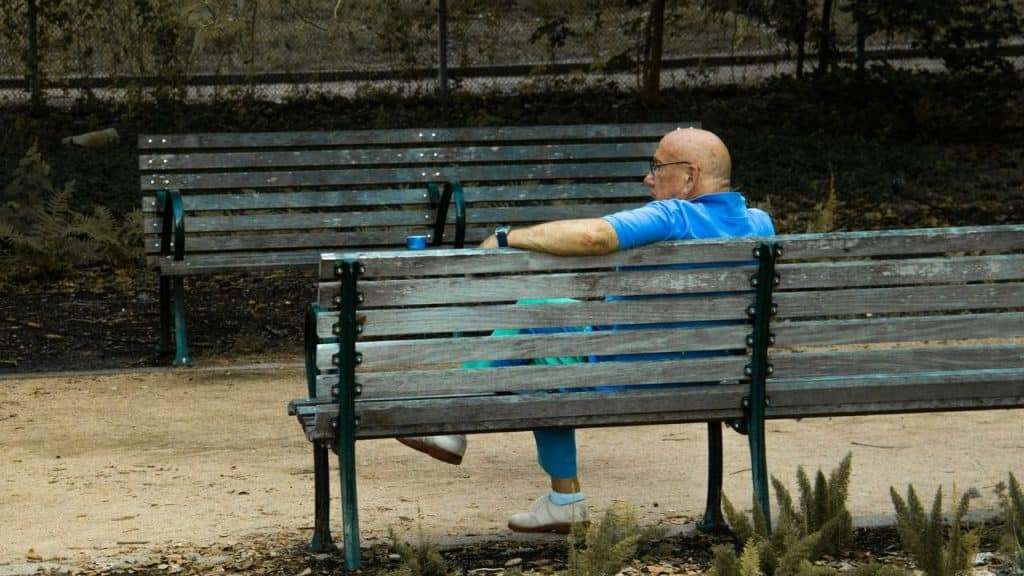
He didn’t run after her, didn’t beg, didn’t make a scene. People assumed he didn’t care. But maybe he loved her enough to let her go, knowing that chasing someone who’s already decided to leave only deepens the wound. His quiet acceptance isn’t coldness—it’s dignity.
The Man Who Doesn’t Post His Relationship Online

In a world obsessed with proof, he’s judged for privacy. People call it secrecy or distance, but not every love story belongs on the internet. He’s not hiding her; he’s protecting something real from the noise. For him, love is felt in private moments, not filtered photos.
The Man Accused Of Being Controlling For Setting Boundaries
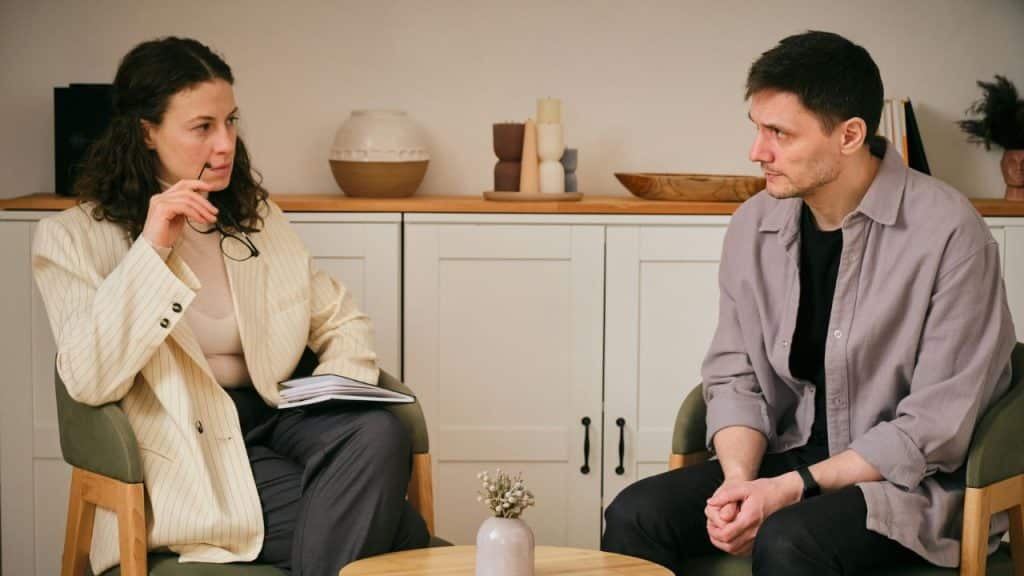
Boundaries are not control; they’re self-respect. When a man asks for consistency, it’s because chaos drains him. He’s not policing someone’s freedom; he’s protecting his emotional safety. Boundaries are the framework that keeps connection healthy, and without them, resentment takes root. What looks like control is often a plea for mutual respect.








Ask Me Anything