
The divorce is final. The papers are signed. You’ve split the bills, the house, maybe even the dog. On paper, it’s over. But deep down, it still doesn’t feel that way. Being emotionally married means part of your heart is still tied to a relationship that’s already ended. If you’ve ever wondered why you can’t fully move on, this list might hit closer to home than you expect.
You Still Think About What She’d Say

You catch yourself pausing before picking an outfit, imagining how she’d react. That mental voice means she still lives rent-free in his head. You note what she used to prefer, what she’d approve of, and use it like a built-in filter even though the marriage is officially over. Experts say when you keep acting like you’re still one half of “we,” you haven’t emotionally checked out.
You Stalk Her Social Media

Scrolling through her pics, watching who she’s with is emotional attachment in disguise. Researchers identify behaviors like this as part of what’s called emotional divorce: still connected, still invested, just not legally married anymore. You’re not as detached as you think. Pulling out of that scroll-zone is the first move toward real freedom.
You Compare Every Woman to Her

No matter who shows up now, no one quite passes her “test”. Every new encounter has to contend with her standard. Experts say measuring present people against past relationships is a red flag of emotional unbonding. If every new date falls short, the problem might be your unresolved past and not the women you’re meeting.
You Replay Old Arguments in Your Mind

You still replay your fights in your head. Variables change, words shift, but you keep trying to “win” a battle that’s long over. According to relationship psychologists, replaying past conflicts is a way the brain stays attached because the fight felt meaningful and unresolved. Until you stop the replay, you’re still emotionally married to the fight.
You Feel Guilty When You Start Enjoying Single Life
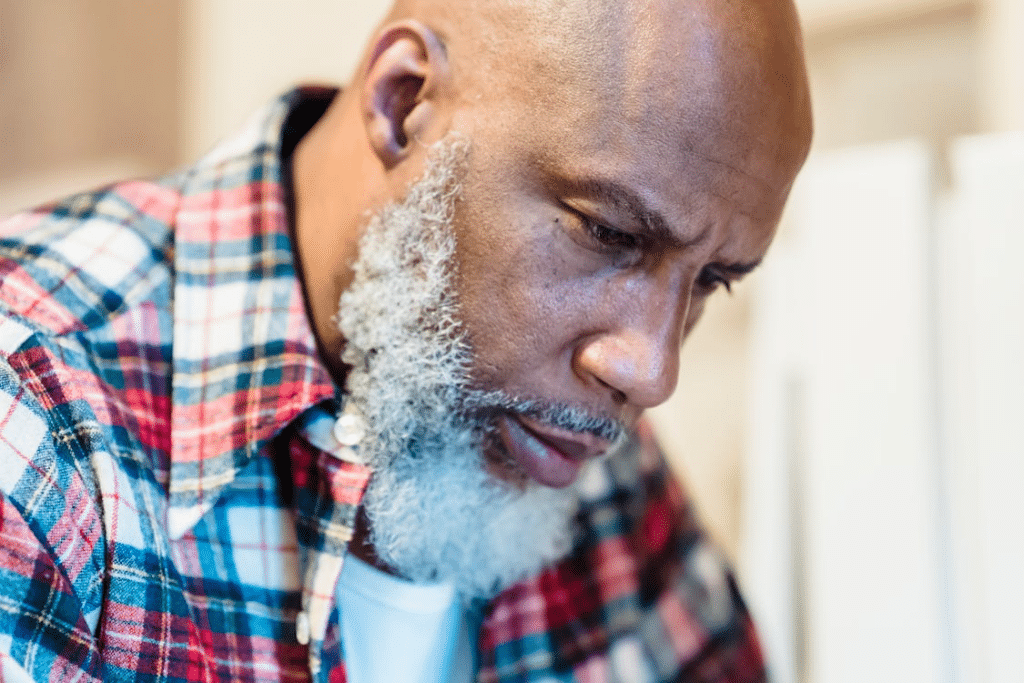
You’re on a date, laughing hard, feeling light and then the guilt sneaks in. You might enjoy the freedom, but a part of you still holds onto that old version of commitment. Emotional divorce research shows guilt around newfound joy usually means the old relationship still has power. When fun triggers guilt, it’s time to question whose rulebook you’re obeying.
You Still Use “We” Instead of “I”
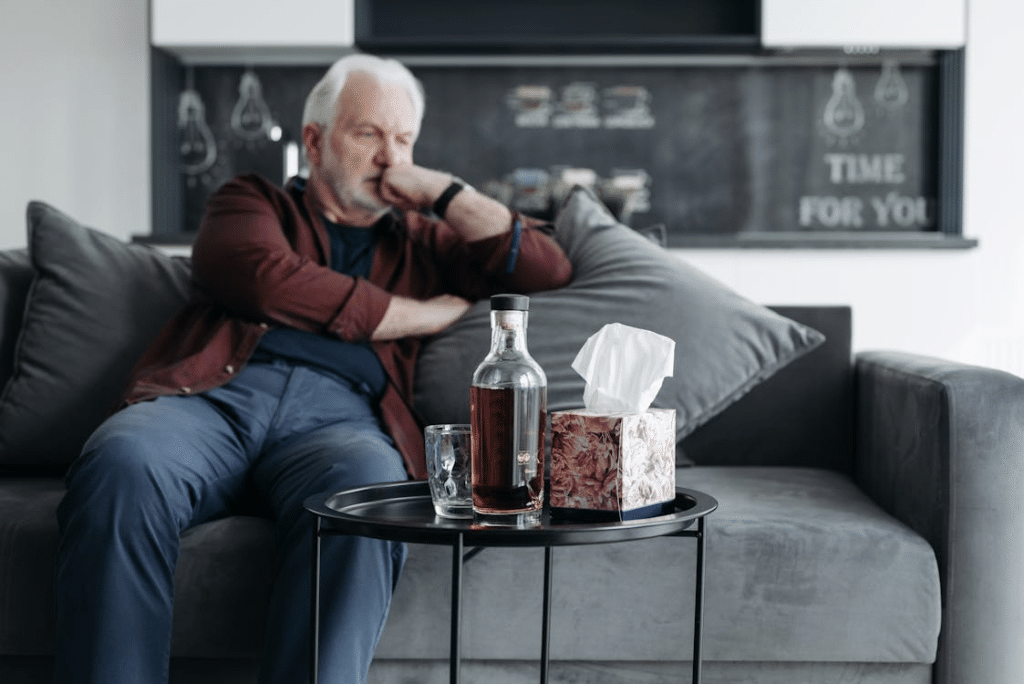
When you’re talking about finances, holidays, even day-to-day life, “we” slips out too easily. That’s emotional residue. Your identity still orbits the past relationship. You might say, “We decided,” or “We used to….” even though “we” no longer exists. Switching your language from “we” to “I” is reclaiming your path.
You Avoid Dating Because “No One Will Understand You Like She Did”

That’s a classic emotional entrapment. You romanticize a relationship to avoid vulnerability. Real growth happens when you actually step into the ring with someone who doesn’t know you yet. Avoidance masks fear, not freedom.
You’re Still Angry or Trying Too Hard Not to Be

Anger and avoidance mean you’re not free. You’re still pissed at what happened, or so determined not to be that you bottle it. Neither path says “I’m done.” Unresolved anger is proof of emotional connection, even if it’s a bad one. If the emotion hasn’t run its course, you’re still emotionally in the game. No reset without the closure.
You Keep Her Stuff

You saved that jacket, her photo, the little things. You tell yourself it’s “just sentimental,” but those items anchor you to the past. Researchers show that keeping physical tokens of a past partner is a sign you aren’t done emotionally. You might say, “I’m keeping it for the memories,” but really, it’s keeping the memory alive in a loop.
You Feel an Unspoken Need to “One-Up” Her

You check your career, your looks, your dating scene, just to see if you’re doing better than she is. That’s competition rooted in attachment. Comparing your life to an ex’s life is a tactic of rejection and re-engagement disguised as progress. You’re still playing her game. Real victory is indifferent. No scoreboard needed.
You Talk About Her More Than You Realize
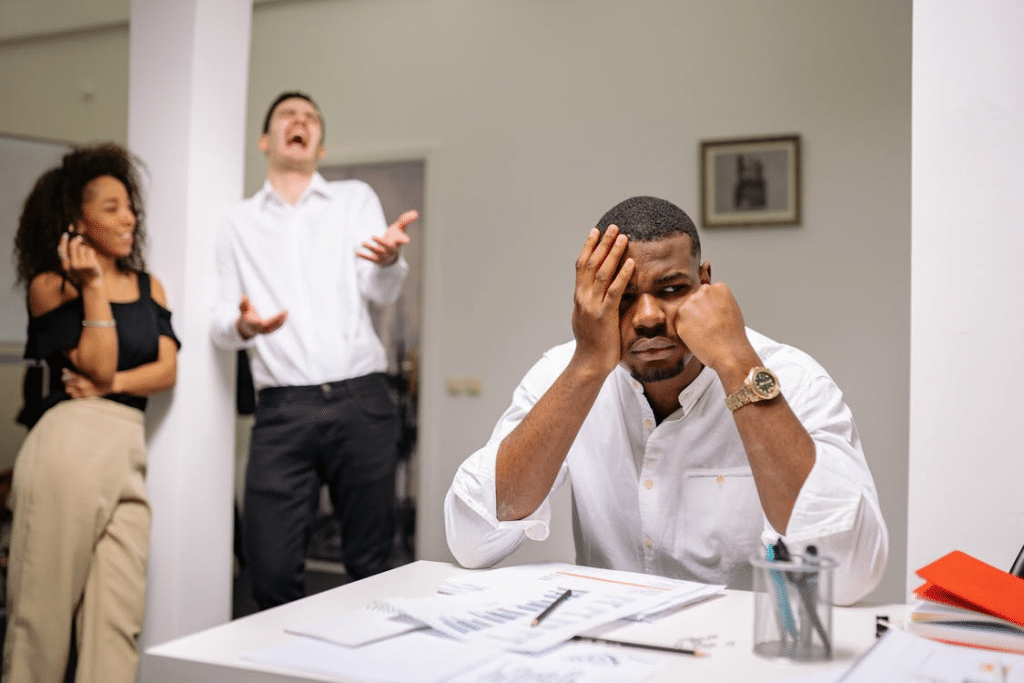
She still pops up in your stories far too often. You’re telling old anecdotes, referencing shared jokes, sneaking her into conversations. People who’ve emotionally moved on tend to mention their ex less. If she’s still part of your narrative, you’re still part of hers, in your head at least.
You Fantasize About “Running Into” Her

You play that movie in your mind. You bump into her, she sees how well you’re doing, and she regrets leaving. That’s wishful thinking. Relationship therapists say fantasizing about “what if” is a loop of unfinished business. You don’t care about her reaction anymore. You’re busy chasing your own.
You Avoid Revisiting Shared Places
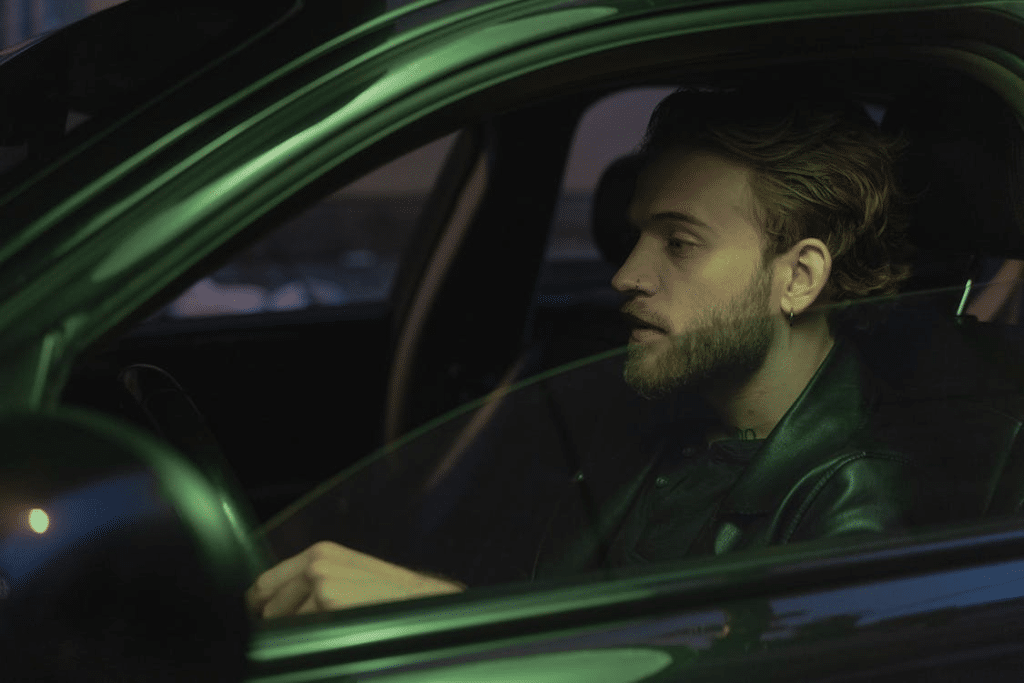
You steer clear of that restaurant, city, and song because it triggers stuff you haven’t faced yet. Avoidance is proof you’re still engaged in the emotional divorce. When avoidance dominates the relationship, emotional separation has already begun. Pick one place from the past, go back, sit, and feel. If you still wince, you haven’t healed.
You Feel Protective When Someone Criticizes Her
Even if you were hurt, you find yourself defending her. You pick up your shield even though your name’s not on the battlefield anymore. Defending an ex reveals attachment, nostalgia, or unresolved guilt. You’re not just over it but still emotionally invested in her image. Time to drop the sword and walk away.
You Still Feel Married When You’re Alone

When no one’s watching, your habits, thoughts, and patterns still orbit around her as if she never left. That’s the essence of being emotionally married. You may have escaped the legal contract, but your mind’s still signed on. Research on emotional divorce shows you can feel married long after the paperwork is done. Real freedom is internal. You wake up and your first thought is you, not we. And you go to sleep because you decided it.








Ask Me Anything