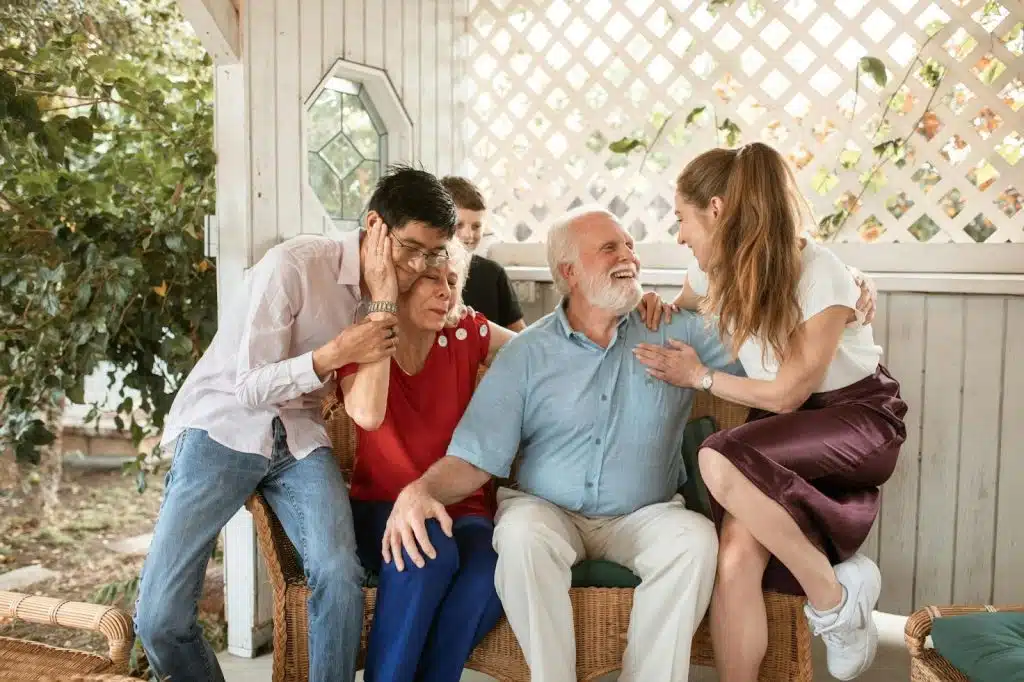
Love has always been a timeless pursuit, but the way people express and experience it has evolved dramatically over generations. Once defined by patience, effort, and handwritten letters, love now thrives in an era of instant messages and fleeting attention spans. The digital age has made connection easier, but not necessarily deeper. What was once slow and deliberate is now fast and convenient, and while that brings freedom, it can also blur meaning. Old love wasn’t perfect, but it had a rhythm built on presence and perseverance. Modern love, though different, reflects a world that values independence, equality, and self-discovery. The question isn’t which is better, it’s what we’ve lost and gained along the way.
Patience vs. Instant Gratification

Old love demanded patience, waiting for a letter, a phone call, or even a long-awaited visit. That waiting created anticipation and emotional depth, making every reunion feel sacred. Today, instant communication gives us connection on demand but often at the cost of reflection. When everything happens so quickly, emotions can lose their weight. Modern couples can stay constantly in touch but still feel distant. The convenience of now sometimes replaces the magic of waiting. Love still thrives best when time isn’t seen as a burden, but as part of the bond itself.
Commitment Before Comfort

For past generations, commitment came before comfort, you stayed, you worked it out, you grew together through the storms. Old love wasn’t about perfection but persistence. Modern relationships, however, often prioritize personal comfort, where leaving can feel easier than repairing. There’s freedom in that choice, but also fragility. When the focus shifts entirely to self-satisfaction, love loses its endurance. The truth is, lasting love often requires choosing discomfort until understanding is found. Old love teaches that sometimes, commitment is the very thing that creates comfort in the end.
Private Love vs. Public Display

Couples in the past often kept their love sacred and unseen, shared only between two hearts. Public affection existed but was intimate and intentional. Today, love frequently lives online, through posts, photos, and curated moments. While celebrating love publicly can be joyful, it can also pressure couples to perform instead of connect. A picture may get hundreds of likes, but that doesn’t always mean the relationship feels loved. Old love thrived in privacy, where affection needed no audience. Real intimacy still grows best in quiet corners, not in public feeds.
Effort vs. Convenience

Before dating apps and social media, love took deliberate effort. You had to show up, plan, and follow through. Modern tools make connection accessible, but sometimes at the cost of meaning. Convenience can create laziness where love once required creativity. Sending a good-morning text is easy, showing up for someone’s hardest day is not. The greatest relationships blend the old-school effort with modern ease, proving that convenience is helpful, but effort is irreplaceable.
Letters vs. Texts

A handwritten letter once carried emotion through every stroke of ink. It was permanent proof that someone cared enough to slow down. Now, love lives in texts and emojis, fast, fun, but fleeting. Digital communication makes love constant but sometimes superficial. We say more but feel less. Old love invites us to bring that lost intentionality back, to write with thought, listen with patience, and speak with depth. Technology can connect hearts, but sincerity is what keeps them close.
Forever vs. For Now

Old love often began with the goal of forever, even when the road was rough. People didn’t enter relationships lightly; they entered with endurance in mind. Modern love, however, values personal growth and flexibility, which can be healthy, but it sometimes sacrifices longevity for freedom. The idea of “for now” replaces “for always.” This makes relationships more adaptable but less stable. Love doesn’t have to last forever to matter, but the intention to build something lasting still gives it strength.
Repairing vs. Replacing

When old-school couples hit hard times, they repaired, whether it meant difficult conversations or forgiveness that took years. They believed in mending what was broken rather than discarding it. Today’s culture often treats relationships like products: when one fails, you upgrade. This mindset makes it harder to build resilience. True connection isn’t found in perfection but in persistence. Love that endures knows how to fix, not flee. It’s in those repairs that trust deepens and partnership becomes unbreakable.
Romantic Pursuit vs. Equal Partnership

Once upon a time, love was driven by pursuit, long courtships, grand gestures, and chivalry. Modern relationships are more balanced, where both partners share the emotional and practical load. Equality has made love healthier and more mutual, though it sometimes loses the old spark of romance. The thrill of being pursued doesn’t vanish, but it evolves. Today’s couples can reignite that excitement by showing effort, not entitlement. Love feels most alive when both people chase each other continuously, even after commitment.
Dependence vs. Interdependence

Old love often blurred into dependence, one partner led, the other followed. It worked for survival, but not always for happiness. Modern love celebrates interdependence, where two complete individuals choose to grow together without losing their identities. This independence fosters respect and balance, but too much self-focus can create emotional distance. Love flourishes when strength and vulnerability coexist. The healthiest relationships merge old devotion with modern freedom, united, but never confined.
Community Validation vs. Self-Choice

In earlier times, love was a collective decision. Families, friends, and culture heavily influenced who people married. That brought security, but also pressure and limited freedom. Modern relationships give people full autonomy to choose, love across beliefs, backgrounds, and borders. However, that independence can feel isolating when there’s no community to guide or support. Old love had roots; modern love has wings. The balance lies in choosing freely while still valuing the wisdom of those who came before.
Patience in Communication vs. Constant Connection

Old love required patience, waiting days for a reply, replaying conversations in your head, learning to miss someone fully. That silence built emotional endurance. Today’s couples are constantly connected but often emotionally disconnected. We fill the quiet with endless chatter but rarely listen deeply. The art of missing someone has faded in a world that never stops talking. Love grows not from constant communication but from meaningful communication, words that carry weight and care.
Boundaries vs. Accessibility

In old relationships, space was built in naturally. Distance created desire, and absence reminded couples of each other’s value. Today, constant access through phones blurs boundaries, making it harder to truly rest or reset emotionally. Love becomes suffocating when every moment must be shared. True connection thrives when both partners protect their individual space. Boundaries don’t weaken love; they give it room to breathe and flourish.
Promises vs. Preferences

Commitments once meant something sacred. People didn’t leave over disagreements; they adapted and endured. Now, preferences often guide relationships, we stay as long as it feels right. It’s a sign of emotional awareness but can make love unstable. Promises, though imperfect, create security that fleeting feelings can’t provide. Modern relationships need both, the honesty to adapt and the courage to stay. Without that balance, love remains temporary even when it feels passionate.
Contentment vs. Comparison

Before social media, couples focused on their own connection. Joy was measured in shared moments, not public milestones. Today, comparison is constant, someone else’s highlight reel can make your real life seem dull. This pressure erodes gratitude. Old love found satisfaction in small, quiet rituals; modern love must fight to protect that simplicity. The happiest couples learn that fulfillment isn’t about appearing perfect but about feeling peaceful together.
Growth Together vs. Growing Apart

Old couples often grew together by sharing traditions, raising families, and facing life side by side. Modern couples pursue personal growth, which can sometimes pull them apart. Independence is valuable, but shared direction keeps relationships aligned. Growth should not mean growing away. The goal isn’t to remain unchanged but to evolve in sync. Love lasts when both people keep choosing to grow toward each other, not away from one another.
Respect Over Romance
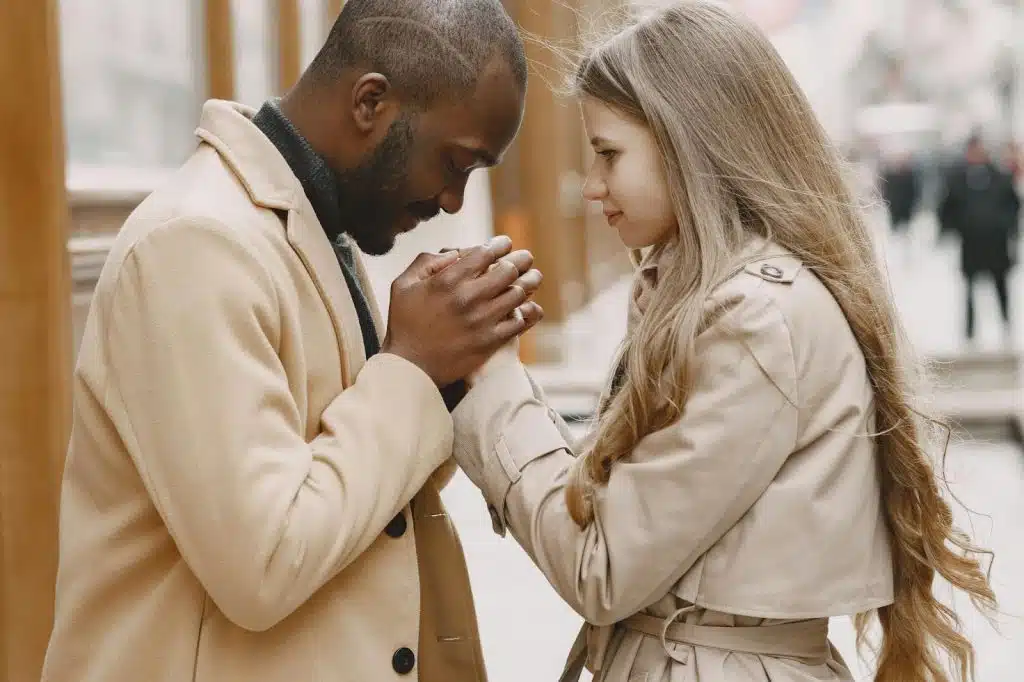
In old relationships, respect was non-negotiable, even when passion faded. People understood that admiration outlasts attraction. Modern love often reverses this, prioritizing chemistry over consistency. But romance without respect crumbles quickly. A partner who honors your boundaries, your dreams, and your flaws gives love a foundation that lasts. When respect fuels passion, it turns fleeting sparks into enduring warmth.
Tradition vs. Transformation

Love used to follow a set pattern, date, marry, build, endure. It provided stability, but not always joy. Modern love redefines what partnership means, opening doors for new kinds of connection. This freedom can be empowering yet confusing. Some find meaning in commitment; others in exploration. The truth is, there’s no single formula anymore. What matters is authenticity, loving in a way that’s honest, intentional, and true to who you are.
Conclusion

Love hasn’t disappeared; it has simply changed its shape. What once thrived on patience now moves at the speed of light. What once relied on duty now seeks emotional depth and equality. Each era has its wisdom, the endurance of old love and the self-awareness of modern love. Perhaps the secret isn’t to pick one over the other but to merge both: the timeless commitment of yesterday with the mindful connection of today. Because no matter how love evolves, it remains the most human thing we ever do.








Ask Me Anything