
Sometimes, an apology starts with a change in tone rather than a sentence. A man who’s been defensive or distant begins to speak more gently, carefully choosing his words. There’s no grand confession, just quiet respect where there was once frustration. It’s his way of saying, “I know I hurt you,” without stumbling over the words. The shift may be small, but the sincerity behind it is unmistakable.
He Gives You Space, Then Comes Back Thoughtfully

When emotions run high, some men retreat, not out of indifference but out of reflection. He takes time to cool down, think, and understand what went wrong before approaching again. When he does return, it’s calmer, with less ego, more patience, and subtle remorse in his presence. His silence wasn’t avoidance; it was a pause to reset and approach differently. That quiet return often carries more meaning than a dozen sorrys.
He Listens Instead of Defending Himself

For many men, real apology begins when they stop explaining and start listening. When he lets her speak without interruption or justification, it’s a sign that he’s accepted accountability. He may not say “I was wrong,” but his silence shows humility. Listening becomes his way of restoring balance, giving her voice the space it deserves. It’s a wordless act of respect that says, “You matter more than my pride.”
He Looks at You Differently

A softened gaze can say everything words can’t. The look lingers longer, filled with recognition of the pain caused. It’s not the stare of guilt, but the awareness of having crossed a line. When a man looks at someone like that, quieter, gentler, remorseful, it’s often the truest form of unspoken apology. It’s his eyes admitting what his mouth can’t.
He Fixes What’s Broken
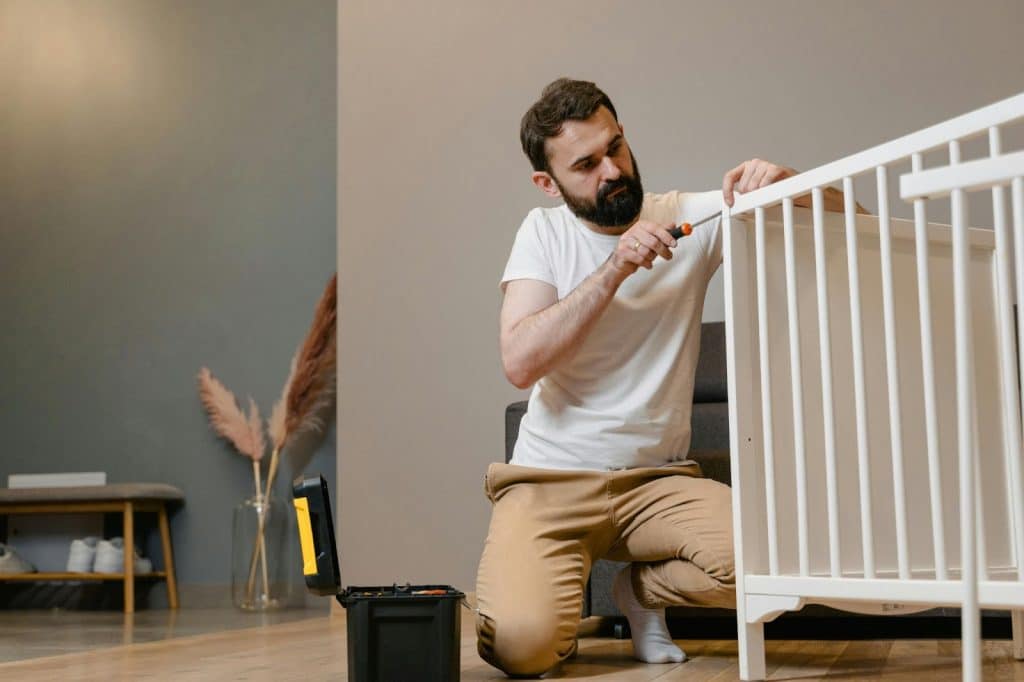
It could be something small, a cabinet hinge, a leaky faucet, a forgotten errand, but when a man feels sorry, he often expresses it through action. Fixing things becomes symbolic of mending what’s wrong between you. It’s not about the task itself, but the intent: “I’m trying to make things right.” He’s repairing more than objects; he’s restoring trust.
He Becomes More Helpful Without Being Asked

When guilt lingers, effort follows. A man who feels remorse might start helping more around the house, running errands, or doing thoughtful tasks without mention. It’s his way of showing that he’s trying, that he wants to ease her load and earn her comfort again. These gestures, though practical, carry deep emotional weight. They’re silent bridges back to peace.
He Buys or Brings Something Meaningful

Not out of materialism, but meaning, a favorite snack, a small gift, or something that recalls a shared memory. For some men, a thoughtful offering becomes a quiet peace treaty. It’s their way of saying, “I was thinking of you, and I want to make it better.” The item itself doesn’t fix anything, but the effort behind it reveals remorse wrapped in care.
He Shows Up on Time, Every Time
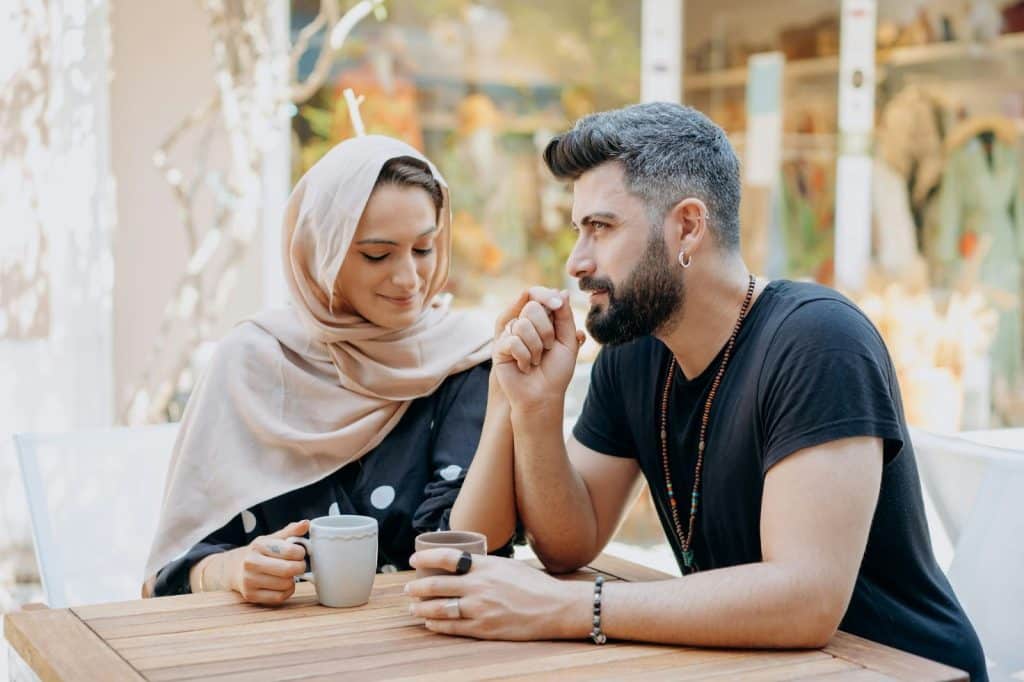
When a man realizes his actions have hurt someone, reliability often becomes his new form of apology. He makes sure he’s there when he says he will be. He stops being careless with her time because he knows it reflects his respect. Consistency replaces carelessness, and through punctuality, he rebuilds the trust his absence may have weakened.
He Touches You More Gently

Physical touch changes when it carries remorse. A hand on the shoulder, a lingering hug, or a forehead kiss, these small gestures carry deep emotion. They’re cautious, tender, and deliberate, as if he’s reminding her that his heart still cares. For men who struggle to verbalize feelings, touch becomes the safest way to communicate regret and affection at once.
He Goes Out of His Way to Make You Laugh

When guilt weighs on his chest, he often tries to lift hers. Humor becomes his bridge back to warmth, not as a distraction, but as an offering. A shared laugh says, “I still want us to feel okay again.” It’s not about avoiding the issue; it’s about restoring the ease between them that conflict took away. For many men, laughter is the language of reconciliation.
He Repeats Your Needs, and Follows Through

When he starts recalling things she’s said, how she likes her coffee, when she needs quiet, or what makes her feel appreciated, it’s more than attentiveness. It’s atonement. Following through on her needs is his way of showing, “I heard you. I’m learning.” The apology lives not in words, but in correction, in effort that proves he wants to do better.
He Spends More Time Beside You

Sometimes, he won’t talk about what happened, he’ll simply be there. Sitting closer on the couch, joining her on errands, or choosing to stay in rather than go out. His quiet company says, “I want to be near you again.” It’s presence as penance, not grand gestures, but proximity that rebuilds connection, one silent evening at a time.
He Pays More Attention

He starts noticing her mood, tone, or needs more carefully than before. Noticing becomes his apology, a sign that he’s aware of where he fell short. He listens for cues, watches for signs of discomfort, and adjusts without being told. It’s effort disguised as intuition. He’s learning to be more mindful, and that mindfulness speaks volumes.
He Avoids Repeating the Same Mistake

True remorse isn’t about words; it’s about change. When he remembers what hurt her and makes a conscious effort not to repeat it, that’s the most powerful apology of all. It’s quiet accountability, steady and consistent. He might not say, “I’m sorry,” but his growth is proof that he means it. The best apology is always changed behavior.
He Becomes More Patient

Where there was once frustration, there’s now restraint. He waits before reacting, listens longer, and tries to understand her perspective more fully. This shift doesn’t happen overnight, it’s deliberate, born from reflection. Patience becomes his act of repair, his way of saying, “I don’t want to hurt you again.”
He Expresses Affection Through Effort

A man who regrets his actions begins showing love through consistency. He keeps promises, follows up, and does the small things that say, “You still matter.” It’s not about saying the right words but doing the right things, repeatedly. Over time, effort replaces apology, and actions become louder than any confession could be.
He Tries to Make Things Feel Normal Again

After tension, a man who truly feels sorry will try to bring back the rhythm of the relationship. He’ll reintroduce routine, shared meals, familiar jokes, casual touches, as a way to heal what’s strained. Normalcy becomes comfort, and comfort becomes his unspoken way of saying, “I still want this.” It’s subtle but deeply intentional.
He Starts Communicating Better

Even if he’s not saying sorry directly, he begins being clearer, more transparent, and more open. Fewer assumptions, more honesty. He may not announce that he’s learned, but his communication style proves it. It’s not just improvement, it’s emotional maturity born from regret. For men, clear communication often follows the realization of how silence once caused pain.
He Makes an Effort to Rebuild Intimacy

Whether it’s through touch, shared time, or vulnerability, he starts finding his way back to closeness. It’s not forced; it’s gradual. He’s trying to re-earn her trust in the most human way possible, through connection. Every small gesture becomes a thread stitching the bond back together, one apology at a time.
Conclusion, When “I’m Sorry” Doesn’t Need Words

Apologies don’t always come dressed as sentences. Sometimes, they appear in gestures, tone, and quiet consistency. For many men, expressing remorse isn’t about eloquence, it’s about restoration. They fix, they listen, they stay, and they try again. And in those unspoken moments, they often say the most honest version of “I’m sorry” there is, not through words, but through change.








Ask Me Anything