
Heartbreak doesn’t break men differently, they just carry it differently. While some cry openly, others retreat into silence, working through pain in solitude. Society often tells men to be stoic, but silence doesn’t mean indifference, it means they’re processing in private, where vulnerability feels safest. Healing, for men, often happens in the spaces no one sees, in the gym, behind a steering wheel, or in a room filled with unfinished thoughts. This quiet healing doesn’t make them emotionless; it makes them measured. Love leaves its mark, and they rebuild slowly, piece by piece.
He Withdraws to Protect What’s Left
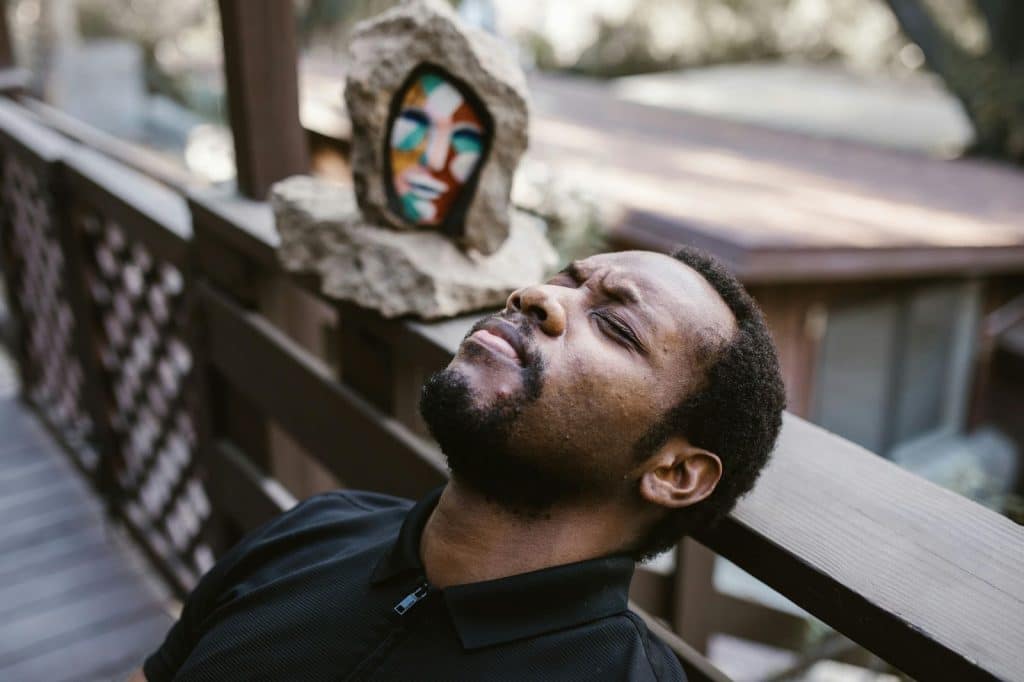
After heartbreak, many men disappear, not out of apathy, but out of self-preservation. Withdrawal is their way of controlling emotional chaos. They pull away from noise, advice, and even friends because solitude helps them find clarity. This retreat isn’t rejection of others; it’s reflection in isolation. In that quiet, they try to make sense of what went wrong without breaking further.
He Focuses on Structure, Not Emotion

When everything feels uncertain, men rebuild through structure. They turn to routines, workouts, work, or daily habits, because stability feels like safety. Focusing on tangible progress helps quiet emotional turbulence. It’s not avoidance; it’s control in a moment when they feel powerless. Through discipline, they slowly create space for calm to return.
He Distracts Before He Reflects

Men often heal in stages, and the first is distraction. They fill silence with movement, late nights, hobbies, or work, because stillness hurts too much. These distractions aren’t denial; they’re emotional triage. They allow space between pain and reflection. Eventually, distraction fades, and reflection begins to surface naturally.
He Feels the Loss in Delayed Waves

Unlike the immediate emotional outpour many expect, men’s grief often comes in waves, slow, quiet, and unpredictable. The first stage is numbness; the second is realization. Weeks or months later, something small, a song, a scent, a memory, triggers what they’ve buried. They don’t cry easily, but when they do, it’s because they’ve finally stopped resisting the loss. Their healing timeline isn’t slower, just more internal.
He Turns Pain Into Purpose

Some men convert heartbreak into momentum. They take the pain and pour it into goals, their careers, their bodies, their passions. This isn’t an escape; it’s transformation. Growth becomes their therapy, progress their closure. In moving forward, they rediscover who they are without needing someone else to define them.
He Struggles to Talk About It

Even in trusted circles, men rarely speak openly about heartbreak. Not because they don’t want to, but because vulnerability still feels foreign. Admitting emotional pain can feel like admitting weakness. So they hold it in, processing silently while projecting composure. It’s not pride; it’s protection from judgment they were taught to expect.
He Keeps Memories Quietly Alive

Men often hold on to memories longer than they admit. They keep photos, playlists, or inside jokes tucked away, not to dwell, but to honor what was real. These quiet tokens serve as reminders of what they once gave fully. Letting go isn’t about forgetting; it’s about learning to look back without reopening wounds. Memory becomes their private proof that they did love deeply.
He Blames Himself First

When love ends, many men internalize it as personal failure. They replay conversations, moments, and choices, searching for what they could’ve done differently. It’s not self-pity, it’s accountability turned inward. Sometimes it leads to growth; sometimes it fuels guilt. Healing begins when they realize not every ending is theirs to fix.
He Finds Healing in Action

Men often find therapy not through talking, but through doing. Fixing, building, running, or working out, movement helps release what words can’t. It gives physical form to invisible emotions. These moments of effort become silent confessions of pain. Each small act of progress becomes a step back toward balance.
He Redefines Strength

Heartbreak forces many men to confront what “strong” really means. Over time, they learn that strength isn’t about suppressing emotion, it’s about surviving it. They discover courage in allowing themselves to feel again. Vulnerability becomes a form of power, not weakness. In facing heartbreak honestly, they redefine masculinity on their own terms.
He Avoids Rebound Love

Men who truly process heartbreak don’t rush to replace what they lost. They know distraction love only delays healing. Instead, they sit with discomfort until clarity returns. This restraint takes maturity, it’s easier to move on than to move inward. But lasting peace only comes when they rebuild from self-awareness, not loneliness.
He Learns Emotional Language the Hard Way

Heartbreak teaches men emotional vocabulary they were never taught to use. They begin to identify the difference between anger and hurt, guilt and regret, solitude and loneliness. It’s uncomfortable but necessary for growth. Each emotion they can finally name becomes a piece of power reclaimed. Healing isn’t just feeling better, it’s understanding themselves better.
He Forgives Quietly

Forgiveness, for many men, happens without words. They rarely reach out for closure, they create it privately. It’s not about reconciliation but release. They forgive not to excuse what happened, but to stop carrying it. In forgiveness, they reclaim their peace, even if no one else ever hears about it.
He Comes Back to Himself Slowly

After heartbreak, men often rediscover old versions of themselves they’d forgotten. They reconnect with friends, hobbies, and dreams that faded during love. Each rediscovery feels like a piece of self-returning. This slow reawakening isn’t dramatic, it’s quiet, steady, and genuine. Healing isn’t about becoming someone new; it’s about remembering who they were before the heartbreak.
He Learns to Set Boundaries

Pain teaches men where they gave too much and expected too little. In healing, they learn that love without boundaries leads to burnout. They start protecting their peace more intentionally. This newfound awareness changes how they choose partners moving forward. It’s not guardedness, it’s wisdom earned through loss.
He Understands Love Isn’t Ownership

The deeper the heartbreak, the clearer this truth becomes, love isn’t something to possess. Men who’ve truly healed know love is about freedom, not control. They stop trying to win back what is left and instead focus on what they can give freely. Love becomes choice, not attachment. It’s how they love again, without fear of losing themselves.
He Turns Pain Into Emotional Intelligence

The hardest heartbreaks teach the softest lessons. Over time, men realize pain makes them more aware, more patient, and more emotionally fluent. What once hardened them now sharpens their empathy. They recognize patterns, communicate better, and lead with gentleness instead of defense. Heartbreak becomes the teacher, not the punishment.
He Loves Differently Next Time

Men don’t love less after heartbreak, they love wiser. They bring more honesty, more awareness, and more peace into their next connection. They understand what real partnership feels like: not excitement, but calm. The next love isn’t about proving they’ve moved on; it’s about showing they’ve grown. True healing changes not who they love, but how.
Conclusion: Quiet Strength, Lasting Healing

Men heal differently, not because they’re less emotional, but because they’re taught to guard where they hurt. In silence, they rebuild their sense of self. Through action, they regain purpose. And with time, they learn that heartbreak doesn’t end them, it shapes them. The strength they find isn’t loud or dramatic, it’s steady, mature, and deeply human.








Ask Me Anything