
Every relationship goes through ups and downs, but there’s a quiet shift that happens when one person starts carrying most of the weight. It’s not always dramatic, it’s often subtle, marked by exhaustion that feels emotional rather than physical. You plan, you fix, you keep things running, and somewhere along the way, love starts to feel like responsibility. When connection turns into caretaking, the balance is gone. This isn’t about blame, it’s about recognizing when effort stops being shared and starts being survival.
You’re Always the One Initiating Everything

When texts, calls, or plans always start with you, it can start to feel like obligation instead of excitement. Relationships thrive on mutual effort, and when you’re the one constantly reaching out, it creates quiet resentment. It’s not about keeping score, it’s about wanting to feel wanted too. When initiation becomes a one-person job, connection turns into maintenance. A love that lasts is one where both people chase each other, even after they’ve been caught.
You Apologize Just to Keep the Peace

Sometimes, saying sorry feels easier than arguing. But when you’re constantly apologizing for things that aren’t your fault, you’re not resolving conflict, you’re suppressing it. Over time, this chips away at your self-worth. Peace that costs your dignity isn’t peace at all. Real love listens, adjusts, and meets you halfway.
You’re the Only One Trying to Fix Problems

It’s easy to believe that if you just try harder, things will get better. But a relationship can’t be repaired by one person’s determination alone. When you’re always the one suggesting changes, finding solutions, or calming things down, it stops being teamwork. Love can’t survive if you’re the only one fighting for it. A relationship is meant to be carried by two, not dragged by one.
You Feel Drained Instead of Recharged

Love is supposed to refill you, not empty you. When every interaction feels heavy, you’re not building connections, you’re managing emotional weight. It’s the exhaustion that comes from constantly being the steady one, the patient one, the problem-solver. Eventually, you stop recognizing yourself. The right relationship shouldn’t leave you needing to recover from it.
You Make Excuses for Their Behavior

It starts with small things, explaining away a harsh tone, a lack of effort, or a broken promise. You tell yourself they’re stressed, tired, or distracted, but the pattern stays the same. Making excuses becomes a habit that protects the relationship but damages your self-respect. Love shouldn’t need defending at every turn. Accountability is a form of love too.
You’re Always the Emotional Anchor
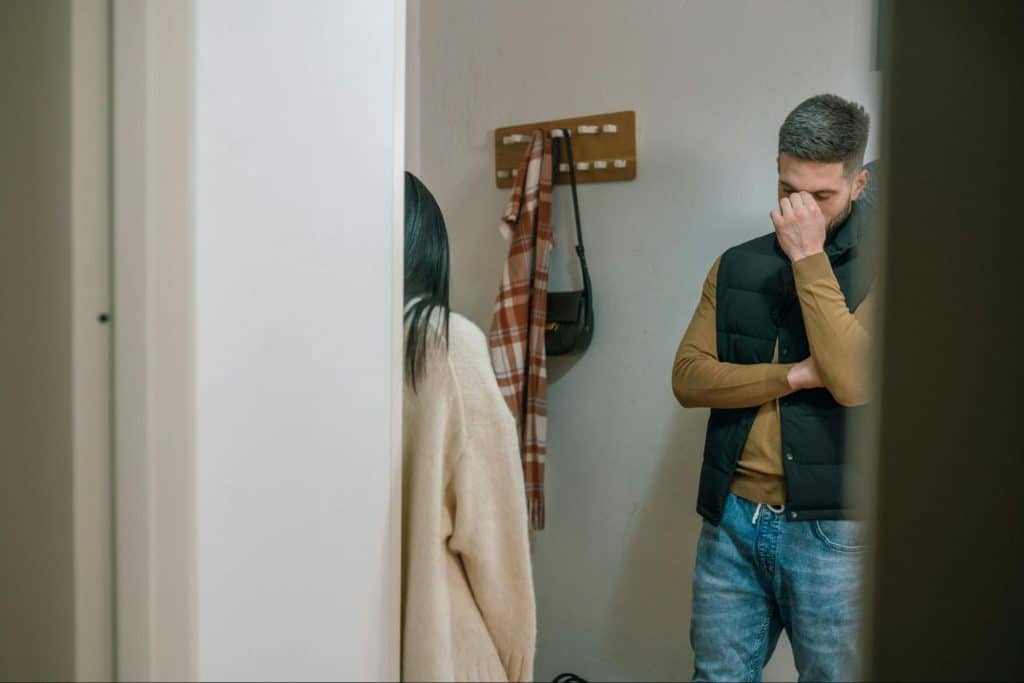
Being dependable is a good thing, but being the only emotional support system is not. If your partner leans on you but isn’t there when you need the same, that’s not balance, that’s burnout. Emotional labor isn’t meant to rest on one person’s shoulders. It’s shared through listening, comforting, and showing up when it matters. When it’s one-sided, even love starts to feel heavy.
You Keep Minimizing Your Own Needs

When you stop asking for help or affection because it feels like an inconvenience, you’ve started silencing yourself. You convince yourself that your needs are “less important,” but they’re not, they’re just unheard. A relationship where only one person feels cared for slowly becomes a quiet form of loneliness. Real love doesn’t require shrinking to keep the peace. It invites both people to feel seen.
You’re Afraid of What Happens If You Stop Trying
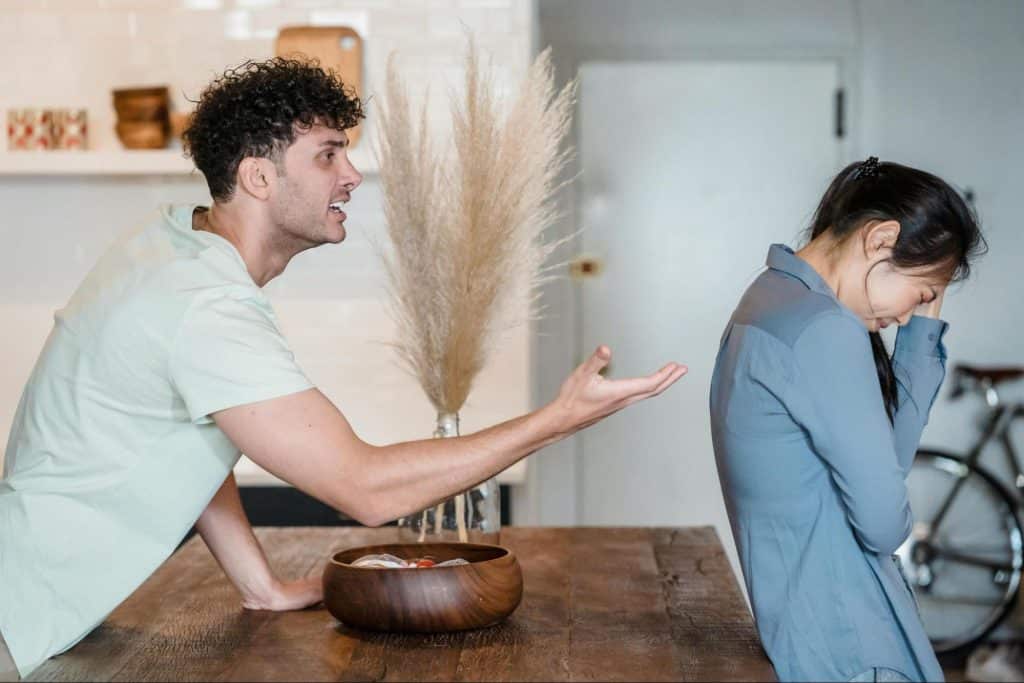
If you’ve ever thought, “If I stop putting in effort, this whole thing will fall apart,” that’s a clear sign of imbalance. Love shouldn’t depend on your constant effort to keep it alive. When one person fears the silence, the distance, or the disconnection more than the other, it’s not partnership, it’s survival mode. Healthy relationships thrive even when one person steps back for a breath. If your rest causes collapse, you were the foundation all along.
You’re Always the One Compromising

Compromise is necessary, but it’s not meant to be a one-way street. When you’re always the one adjusting your plans, opinions, or emotions, it’s no longer a compromise, it’s self-erasure. The healthiest couples find middle ground, not martyrdom. A love that only works when one person bends isn’t balance, it’s quiet control. You deserve a relationship where both people meet in the middle.
You Keep Hoping They’ll Change

It’s natural to want to believe the best in someone, but waiting for them to “finally get it” can become emotional quicksand. Love shouldn’t feel like holding your breath. When you find yourself imagining potential instead of accepting reality, you’re carrying hope for two. Change only lasts when both people want it, and work for it. You can’t build a future on what you wish they’d become.
You Manage the Mood of the Relationship

You start reading their tone, avoiding certain topics, or walking on eggshells just to prevent conflict. Suddenly, you’re not in a relationship, you’re managing an environment. Being the emotional stabilizer keeps things calm on the surface but chaotic inside. You can’t protect peace that doesn’t exist. A loving relationship shouldn’t depend on your emotional self-control alone.
You’re the Only One Showing Appreciation
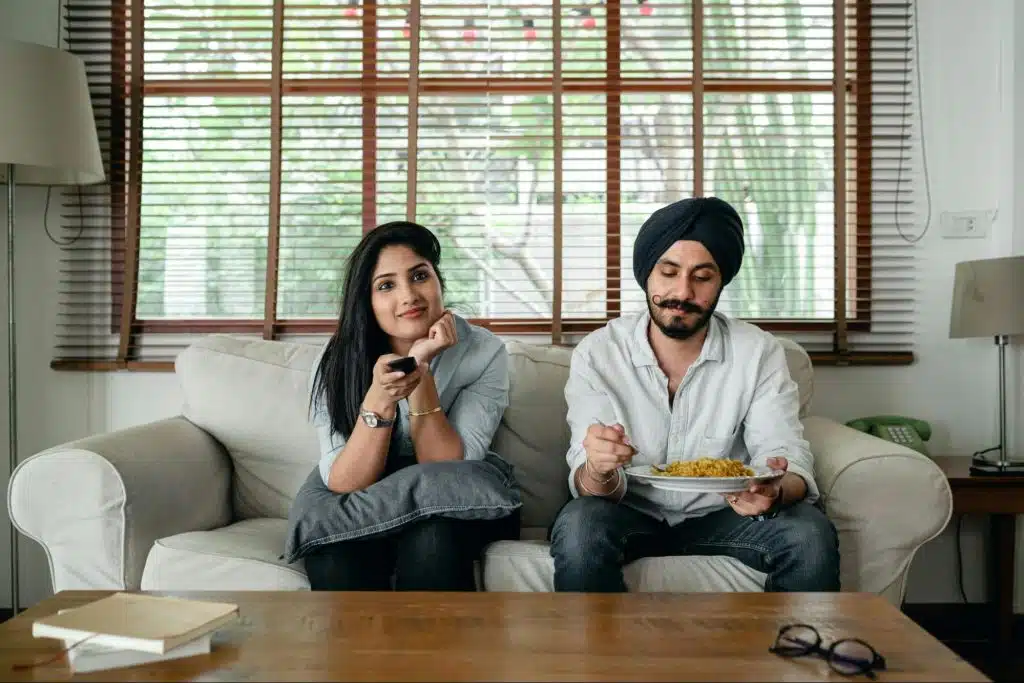
Saying thank you, expressing admiration, and acknowledging effort shouldn’t come from one side. When gratitude fades, resentment grows. Appreciation is the glue that keeps couples close during routine and stress. If you’re the only one giving it, you eventually feel unseen. Love thrives when recognition is mutual, not conditional.
You Feel Guilty for Wanting More

It’s easy to convince yourself that asking for more means you’re demanding or ungrateful. But needing effort, attention, or affection isn’t selfish, it’s human. When your desires are constantly dismissed or minimized, you start to believe they’re unreasonable. Real love doesn’t make you feel guilty for needing to feel valued. Wanting more doesn’t make you needy; it makes you aware.
You Carry the Emotional Memory
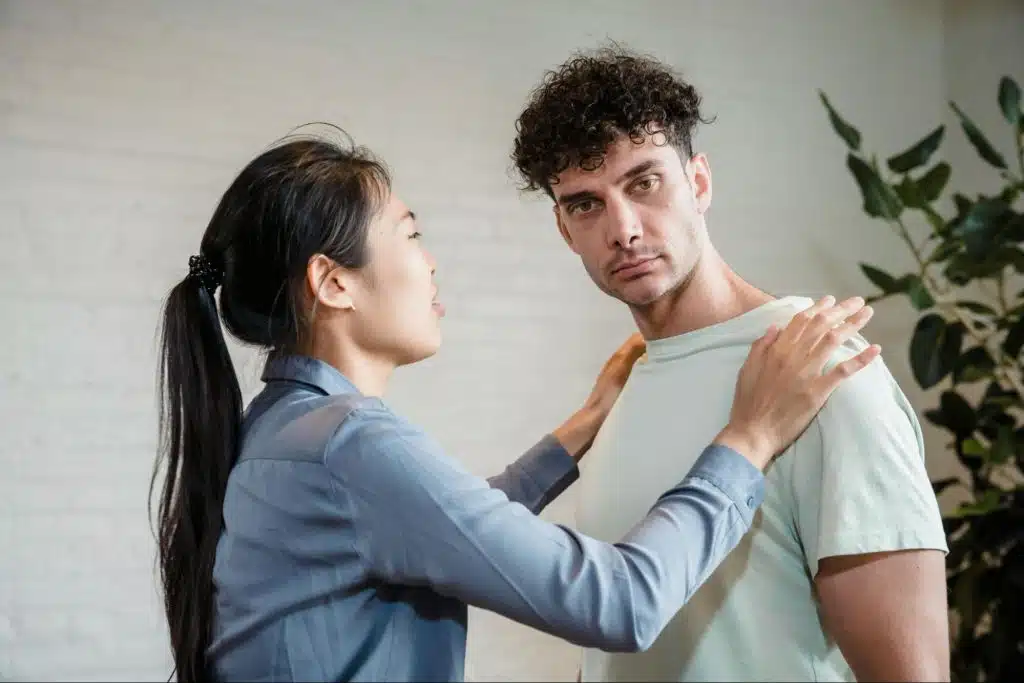
You remember anniversaries, milestones, and special dates, while they barely notice when something matters to you. When one person holds all the sentiment, the relationship loses emotional rhythm. Remembering everything becomes a burden instead of a joy. Connection fades when only one person keeps the memories alive. Love should be built by two hearts, not one historian.
You Handle Every Responsibility Alone

Whether it’s planning the future, paying bills, or keeping routines in check, if you’re managing everything, you’re parenting the relationship, not sharing it. Responsibility is meant to be divided, not dumped. When love turns into project management, affection gets buried under exhaustion. True partnership feels like collaboration, not caretaking.
You Feel More Lonely With Them Than Without Them

One of the clearest signs of imbalance is when solitude feels lighter than togetherness. Loneliness inside a relationship hits deeper than being alone. When connection starts to feel like isolation, it’s not because you stopped loving, it’s because you’ve been loving alone. Love should feel like home, not exile. You can’t thrive in a space where presence feels like absence.
You’re the One Holding Everything Together

You’re the reason communication continues, affection remains, and the connection hasn’t collapsed, and that realization is exhausting. You’ve turned love into endurance, and somewhere along the way, you forgot what being supported feels like. Relationships aren’t meant to be carried; they’re meant to be shared. If you’re holding all the weight, maybe it’s time to see who reaches for it when you finally set it down.
Letting Go of What You Shouldn’t Have to Hold

Being loyal, committed, and patient doesn’t mean you have to carry it all. Real love doesn’t ask one person to keep it alive while the other watches. It’s built on balance, effort that flows both ways, even when life gets hard. If you’re constantly carrying the relationship, it’s not because you’re weak, it’s because you care. But sometimes, the most loving thing you can do is stop carrying what was never meant to be lifted alone.








Ask Me Anything