
For generations, men have carried silent expectations about what marriage should look like. Many of these “rules” were never written down but passed quietly through culture, family, or tradition. While they may have once seemed practical, today they feel outdated and unfair. Times have changed, and relationships demand balance that old standards can’t deliver. Here are 19 marriage rules men are quietly rejecting, because they no longer work.
Men Must Always Be the Provider

For decades, men were defined by their paychecks. The idea that a husband’s worth rests solely on financial provision feels restrictive today. Men want to contribute, but they also want to be more than a wallet. When marriages hold onto this outdated rule, resentment grows. Partnership means shared responsibility, not one-sided pressure. Worth should never be measured only in currency.
Men Can’t Show Vulnerability

The myth that strength equals silence still lingers. Men are often told to keep emotions bottled up, even when stress or sadness builds. But silence doesn’t create resilience, it creates distance. Vulnerability, when shared, strengthens bonds. This rule no longer fits modern marriages where openness is prized. True strength lies in honesty, not suppression.
Men Must Sacrifice Their Dreams

Marriage should be about building a shared future, not erasing individual ambitions. Men often feel pressure to put aside personal goals for the “greater good.” Over time, this sacrifice breeds quiet resentment. Love thrives when both partners pursue dreams together. A rule that demands giving up self-fulfillment is no longer sustainable. Dreams should expand in marriage, not disappear.
Men Should Never Say No
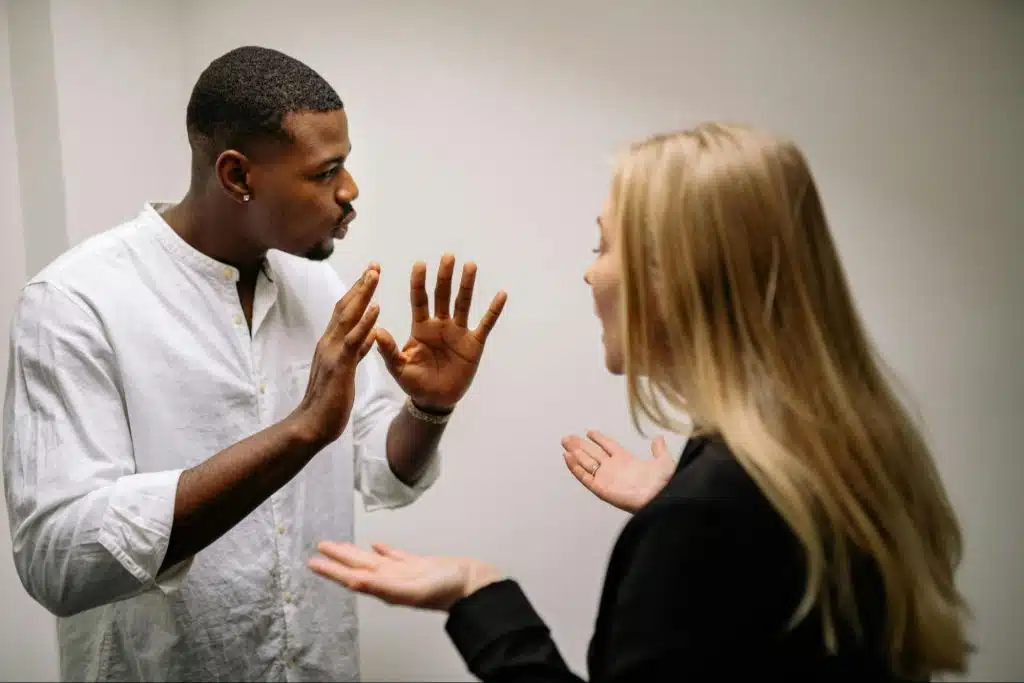
Boundaries are essential, yet many men feel guilty for setting them. The rule that husbands must always agree, whether with chores, intimacy, or family demands, creates imbalance. Saying no isn’t selfish; it’s honest. When men are forced into constant compliance, admiration fades. Marriage thrives on respect, not obligation. Boundaries protect love instead of breaking it.
Men Don’t Need Praise for Effort

There’s an unspoken expectation that men should work silently without needing acknowledgment. But admiration isn’t vanity, it’s validation. When efforts go unnoticed, motivation fades. A lack of gratitude turns contributions into invisible labor. Praise shouldn’t be reserved for one side. Recognition keeps marriages alive; silence drains them.
Men Must Always Apologize First

Apologies should reflect accountability, not gender. Yet many men feel pressure to initiate apologies just to keep the peace. Over time, this one-sided rule builds resentment. Forgiveness works only when it’s mutual. Men notice when reconciliation feels scripted against them. Equality means both sides share the weight of repair.
Men’s Stress Isn’t Serious

Men’s struggles are often minimized with a dismissive “you’ll handle it.” This rule assumes men can endlessly absorb pressure without support. Over time, it creates emotional exhaustion. Stress is serious no matter who carries it. Men need empathy just as much as women. Ignoring this truth weakens both the man and the marriage.
Men Should Carry Burdens in Silence

The rule that men should endure pain quietly does more harm than good. Silence may avoid short-term conflict, but it leaves men isolated. Love is meant to be shared, not endured alone. Modern relationships reject the idea that one partner must carry everything. Openness invites healing. Silence only deepens distance.
Men Fix Everything at Home

From leaking faucets to broken furniture, men are often expected to be the automatic fixer. But not every man has those skills, or the time to constantly repair. This outdated rule turns marriage into a job description. Sharing responsibility or seeking outside help doesn’t make a man less capable. Respect comes from effort, not from conforming to stereotypes.
Men Don’t Belong in Nurturing Roles

Parenting isn’t about gender, it’s about presence. Yet many men still feel their nurturing side is undervalued. Fathers who comfort, cook, or guide are sometimes treated like “helpers” rather than equal parents. This rule belongs to the past. Men aren’t sidekicks in family life, they’re partners. Children thrive when care is shared, not divided by gender.
Men Can’t Expect Affection When Tired

There’s a quiet belief that men must always give affection but shouldn’t expect it when drained. This double standard leaves needs unmet. Love requires mutual care, not one-sided giving. Men deserve comfort and gentleness too. Affection isn’t conditional, it’s shared. Respect grows when both partners replenish each other.
Men’s Privacy Doesn’t Matter

Privacy is often mistaken for secrecy. While women’s need for space is seen as self-care, men’s privacy is sometimes framed as suspicious. This outdated rule undermines trust. Respecting privacy doesn’t mean hiding, it means honoring individuality. Healthy marriages leave room for both closeness and space. Trust flourishes when boundaries are respected.
Men’s Friendships Are Less Important

Men are often expected to set aside friendships once married, while women’s social bonds are celebrated. This rule devalues male camaraderie. Friendships sustain men emotionally and mentally, offering support beyond marriage. Neglecting them breeds isolation. Balanced marriages respect all relationships, not just the romantic one. Strong men maintain strong friendships.
Men Shouldn’t Talk About Marriage Problems

Men are discouraged from discussing marital struggles with friends or mentors, often told to “deal with it privately.” This rule prevents healthy outlets for stress. Silence doesn’t solve, it suffocates. Talking through challenges is not betrayal; it’s wisdom. Men need safe spaces for their voices too. Healthy marriages don’t demand secrecy at the expense of growth.
Men’s Failures Define Them Permanently

When men stumble, their mistakes can become permanent labels. This outdated rule doesn’t allow room for redemption. Failures should be lessons, not life sentences. Resilience grows when partners see effort, not just error. Respect weakens when one side is denied grace. Love is meant to forgive, not brand.
Men Must Always Plan Romance

The burden of romance too often falls on men alone. They’re expected to plan dates, create surprises, and keep the spark alive. But love is a two-way street. Shared responsibility for romance creates deeper intimacy. When pressure falls on just one partner, effort turns into duty. Connection thrives when creativity is mutual.
Men Age Without Care
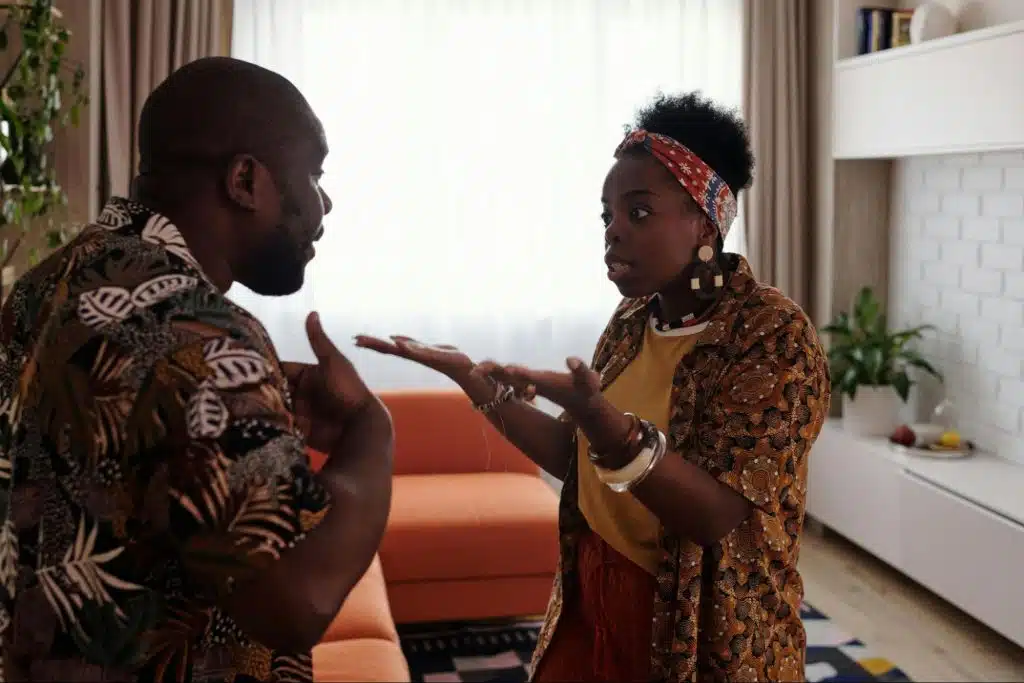
The expectation that men should “age gracefully” without attention or nurturing is unfair. While women are often supported in aging, men’s needs are overlooked. Health, care, and emotional comfort matter for both partners. Marriage should protect both as years pass. Aging deserves compassion, not neglect.
Men’s Careers Matter Less Than Women’s

In some modern marriages, women’s careers are celebrated while men’s are taken for granted. Success is success, regardless of gender. When men’s ambitions are dismissed, admiration fades. Careers should be honored equally. Respect grows when both partners cheer each other on. Professional identity matters for everyone.
Men Must Always Carry Emotional Weight

The final outdated rule assumes men must balance every emotion, lead every repair, and maintain every calm. This silent demand leaves men drained. Marriage thrives when emotional labor is shared. Expecting one partner to carry everything isn’t sustainable. Respect comes from teamwork, not imbalance.
Conclusion

Marriage has always required compromise, but compromise shouldn’t mean clinging to outdated rules. These 19 expectations once defined masculinity and partnership, but today they create more harm than harmony. Men are rejecting these silent demands because they strip relationships of balance and mutual respect. Modern love isn’t about rigid roles, it’s about shared strength. The marriages that thrive now are built on fairness, appreciation, and equal partnership.








Ask Me Anything