
Some toxic marriage behaviors don’t come with flashing warning signs. They sneak in dressed as “normal,” and by the time you notice, the damage is done. You shrug them off as quirks, excuses, or “that’s just how we are.” But those small habits? They’re termites eating the foundation of your marriage. The truth is, what feels routine can quietly turn your relationship into a slow burn toward resentment. Let’s call these out for what they are before they ruin something worth keeping.
Silent Treatment

Shutting down and giving your partner the cold shoulder isn’t cooling off; it’s emotional punishment. What feels like space is really stonewalling, and it kills connection faster than shouting ever could. If you’ve convinced yourself this is just “how you handle conflict,” it’s time to realize silence doesn’t fix anything. It leaves both of you stranded with nothing resolved.
Sarcastic Jabs

That “just kidding” line after a cruel remark isn’t funny, it’s toxic. Sarcasm at your spouse’s expense chips away at respect and makes them feel small. Ask yourself this: if your partner used the same joke on you, would it sting? Humor should lift both of you up, not disguise contempt under a smirk.
Venting to Outsiders

Complaining to friends, coworkers, or family instead of dealing with your partner directly is a coward’s move. It feels safe, sure, but it builds walls in your marriage and recruits an audience for your fights. Worse, it makes your spouse the villain in stories they’ll never get to correct. If you want a marriage that lasts, keep the team of two strong and hash it out at home.
Money Secrets

Hiding receipts, lying about purchases, or keeping secret accounts might seem harmless until the trust cracks wide open. Marriage is supposed to be a partnership, and financial secrets are a betrayal with a price tag. You can’t build a stable future if one person is playing Monopoly while the other’s stuck budgeting reality. Transparency isn’t optional here; it’s survival.
Jealousy Games

Checking phones, interrogating about coworkers, or demanding proof of loyalty might feel protective, but it’s toxic insecurity in disguise. Constant suspicion doesn’t create love; it strangles it. If you think snooping is “normal,” you’re choosing control over trust. That’s not romance, it’s surveillance.
Smothering Closeness

Spending every minute together sounds romantic, but it’s suffocating. Losing your own hobbies, friends, and identity for the marriage only breeds resentment. Healthy love makes your world bigger, not smaller. Without space to breathe, you’ll end up resenting the very person you wanted to be close to.
Unequal Chores
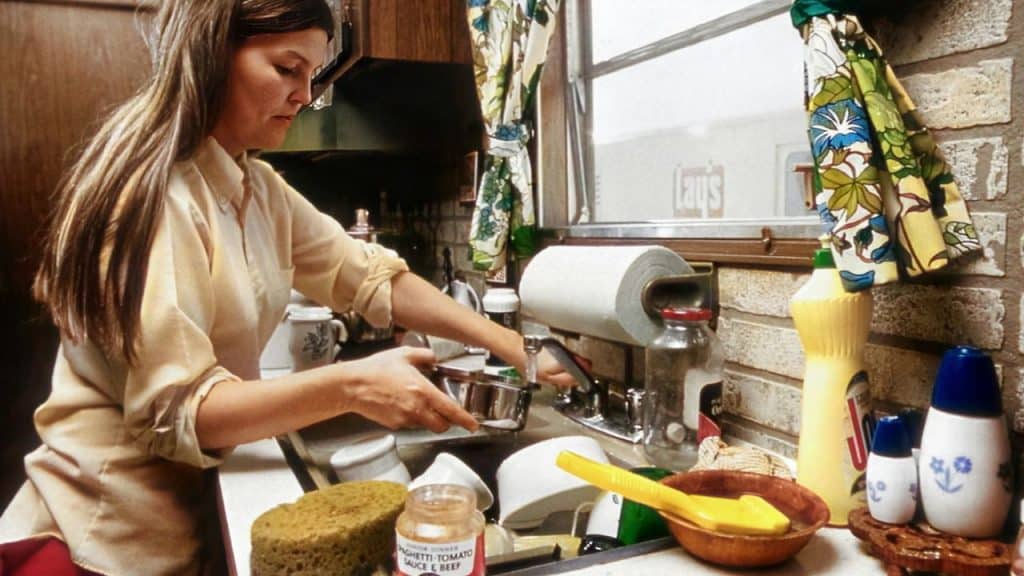
If one person carries the housework while the other coasts, don’t pretend that’s balance. Saying “I work, so I don’t have to do chores” is lazy entitlement, not partnership. Over time, resentment piles up faster than dirty dishes. A real marriage means both of you pulling your weight in ways that count.
“Happy Spouse, Happy House”

That phrase sounds cute, but it often hides one partner’s control. If one person’s happiness is the only priority, the other’s needs get trampled. A relationship built on surrender isn’t harmony; it’s imbalance. Real peace comes from compromise, not one-sided submission.
Fighting in Front of Kids

Telling yourself “kids don’t understand” while you trade insults across the dinner table is a lie. They see it, they feel it, and they absorb it. What’s normal for you becomes their model for relationships. If you want your kids to build healthy marriages one day, show them respect, not warfare.
Ultimatums

“If you don’t do this, I’ll leave” isn’t setting boundaries; it’s manipulation. Ultimatums shut down communication and replace problem-solving with fear. You might get compliance in the moment, but at the cost of long-term trust. Marriage should be about teamwork, not threats.
Scorekeeping

Bringing up old mistakes or keeping tallies of who did more is poison. A marriage isn’t a scoreboard; it’s a partnership. If every fight turns into “remember when you messed up in 2017,” you’re not solving today’s issue; you’re re-litigating the past. Nothing good grows when every misstep is kept on file.
Avoiding Conflict

“Everything’s fine” when it clearly isn’t? That’s avoidance, not peace. Pushing issues under the rug only guarantees they’ll explode later. Avoidance feels easy in the moment but corrodes intimacy in the long run. Talking through tough stuff is uncomfortable, but silence is deadly.
Contempt

Eye rolls, name-calling, mocking—these are contempt in action. And contempt isn’t just rude, it’s one of the biggest predictors of divorce. Once respect dies, love doesn’t stand a chance. If you catch yourself acting like your spouse is beneath you, know you’re not in marriage territory anymore; you’re in enemy lines.
Nagging

Repeating the same request ten times doesn’t motivate; it irritates. Nagging turns your partner into a child and yourself into the bad cop. Over time, both of you tune out and stop listening altogether. Clarity, not constant reminders, gets results.
Defensiveness

Dodging responsibility by counterattacking—“well, you do it too”—feels natural, but it’s poison. It blocks growth and makes every argument a contest. A simple “yeah, I messed up” is more powerful than any excuse. Defensiveness keeps your marriage stuck on repeat.
Peacekeeping at All Costs

Always giving in to keep things smooth isn’t noble; it’s self-erasure. Suppressing your opinions may keep the moment calm, but it builds resentment that will explode later. Marriage isn’t about one person disappearing so the other can shine. Speak up, or you’ll slowly vanish in your own life.
Gaslighting

Telling your spouse “you’re overreacting” or “that never happened” is toxic mind control. Gaslighting makes the other person question their reality until they stop trusting themselves. It might buy you a win in the moment, but it burns the bridge of trust forever. Respect means validating feelings, not erasing them.








Ask Me Anything