
You don’t go quiet because you don’t care. You go quiet because you’re cornered, and saying nothing feels safer than saying the wrong thing. You’ve been told to open up, be more emotional, communicate better… but when you do, you still get slammed. So now? You pull back. Not out of spite, but self-defense.
This isn’t weakness. It’s burnout. And if you’re tired of being emotionally MIA in your own relationship, it’s time to get honest about what’s actually shutting you down.
Constant Criticism

You’re not a project to be fixed. When every conversation feels like a performance review, you start to emotionally check out. It’s a constant drip of correction, judgment, and “helpful” suggestions that make you feel like you can’t do anything right. You start to withdraw because what’s the point of trying if you’re always going to fall short? Eventually, you just get tired of defending yourself and go quiet instead.
Feeling Like a Failure
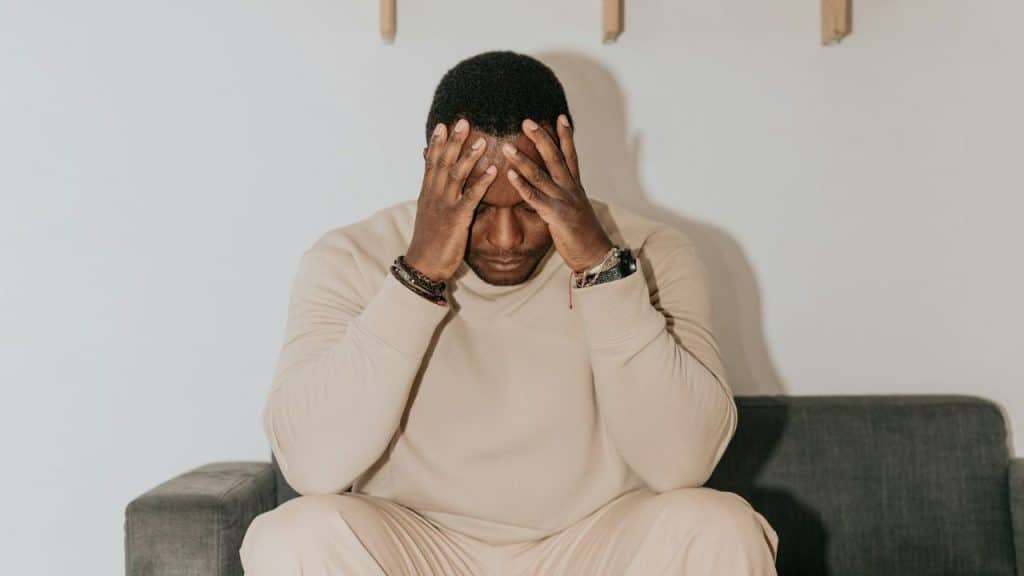
Men tie a lot of their worth to their ability to provide, protect, and perform. So when you’re underperforming, whether it’s at work, with money, or in the bedroom, it’s a direct hit to your identity. This shame isn’t something you’re comfortable sharing. It feels like a burden you have to carry alone, and the fear of letting your partner down can make you retreat inward to hide what you perceive as your flaws.
Being Nagged, Not Noticed

Your partner might think they’re just “reminding” you, but it feels a lot like micromanagement. When the same demands are repeated over and over, you start to feel like your efforts don’t matter. Your brain starts to tune out the noise because you feel like a kid being told what to do, not an equal partner. This isn’t a healthy way to communicate, and you’ll eventually just detach from the conversation altogether.
Lack of Appreciation

Men often equate respect with love. When you put in effort, whether it’s fixing the car or taking out the trash, you want it to be seen and appreciated. If that appreciation is missing and you’re treated like you’re doing the bare minimum, why would you keep trying? When you stop feeling valued for what you do, you stop trying to connect. It’s a natural withdrawal of effort, not an act of meanness.
Emotional Ambushes

Ever been blindsided by a “we need to talk” at the worst possible time? This is an emotional ambush. When deep, intense conversations are sprung on you without warning, it can feel overwhelming and unfair. You need time to process and prepare emotionally. Your silence isn’t a refusal to engage; it’s a defensive measure because you’re being forced to deal with a sudden emotional intensity you’re not ready for.
Stonewalling or Cold Shoulder from Her

This isn’t just a one-way street. When your partner gives you the silent treatment or shuts you out, you’re not likely to chase them down begging for answers. Instead, you’ll often retreat further into your own shell. It becomes a game of emotional chicken, and in a twisted way, it validates your decision to go silent in the first place. You’ll think, “If she’s doing it, why shouldn’t I?”
Disrespect in Front of Others
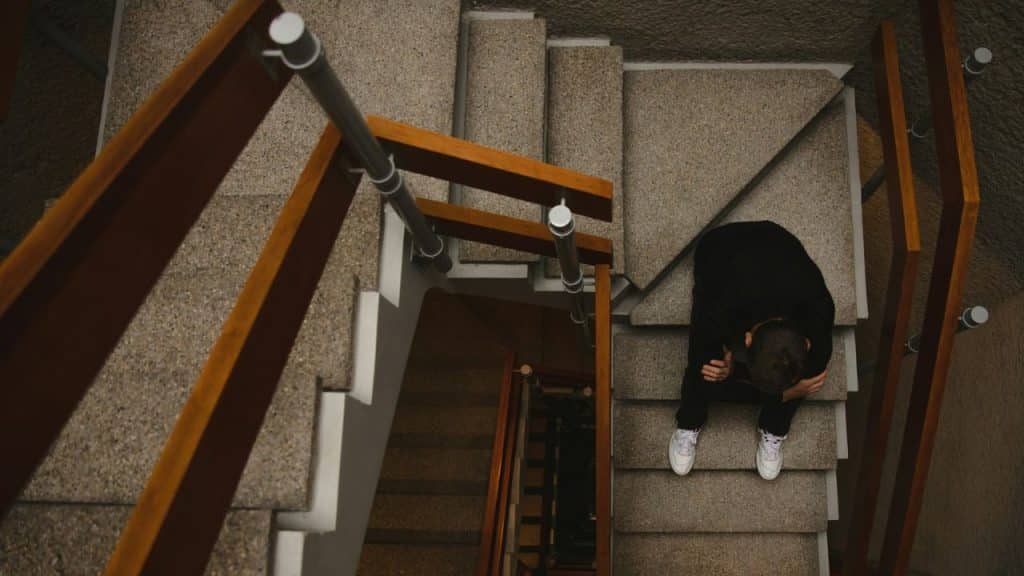
There’s nothing that makes a man feel smaller than being publicly corrected, mocked, or belittled. This isn’t about being an insecure caveman; it’s about a fundamental need for respect. When your partner chips away at your dignity in front of your friends or family, you get embarrassed. That embarrassment doesn’t lead to a verbal fight; it leads to an immediate emotional retreat.
Feeling Powerless or Controlled

You don’t want to be told what to do all the time. When you feel like you’re being pushed around and have no say in the relationship, you’re not going to fight for control. Instead, you’ll simply disconnect from the game. You stop engaging because it feels pointless. Your silence becomes the only power you have, a way of saying, “I’m not playing this game anymore.”
Weaponized Emotions

When tears, guilt trips, or emotional outbursts are used to manipulate you, it can feel like you’re fighting an unfair battle. You know if you respond, you’ll be the bad guy. This makes you want to emotionally tap out completely. Why engage when your partner’s emotions are being used as weapons to make you feel bad and get their way? It’s a toxic dynamic, and you’re smart enough to just get out of the line of fire.
Always Being the Bad Guy

Have you ever felt like you’re constantly walking on eggshells? When every problem, every fight, and every bad mood is somehow your fault, you get tired of defending yourself. Eventually, you stop trying to explain your side. The mental load of always being blamed becomes too heavy, and you just give up. Your silence is a white flag, not of surrender, but of exhaustion.
Past Trauma or Conditioning

Sometimes, the way you shut down isn’t about your current relationship at all. Maybe you grew up in a household where emotions were dangerous, or you were in a past relationship where opening up led to pain. Your silence is a protective reflex, a survival mechanism you learned long ago. It’s not your partner’s fault, but your past experiences are dictating your present reactions. You’re silent because it feels safer.
Being Shut Down When You Do Open Up

This is a big one. You finally muster up the courage to share something vulnerable, and you’re met with a dismissive comment, a change of subject, or a mocking tone. This kind of response is like emotional poison. It tells you, “Never do that again.” After a few times, you learn your lesson. You go quiet, not because you’re unwilling to share, but because you know there’s no point.
Lack of Physical Intimacy

Physical intimacy isn’t just about sex; it’s about touch, affection, and feeling desired. When that connection disappears, you can feel a deep sense of loneliness and emotional distance. Without that physical bond, it’s much harder to maintain an emotional one. When touch is gone, part of your willingness to be open and vulnerable with your partner goes with it. It’s a quiet sign that you’re starting to drift.
No Room to Lead or Decide

Men are often wired to want to provide and lead in some capacity. When every decision is questioned, or you’re completely shut out of the process, it’s emasculating. You start to feel like a passenger in your own life. When you feel castrated emotionally, you’re not going to fight for your place; you’re going to step back and let your partner have total control, which leads to a complete emotional disconnect.
Overwhelming Emotional Demands

Your partner may need emotional support, but when you’re expected to be her therapist, life coach, and emotional punching bag all at once, you’re going to burn out. This weight is too much for anyone to carry. You can’t be her entire support system. Eventually, you’ll shut down under the pressure. It’s not that you don’t care; it’s that you’re being asked to do an impossible job.
Feeling Unneeded

Men need to feel like they bring value to the table beyond a paycheck. When you feel like you’re just a warm body to pay the bills and do chores, your sense of purpose in the relationship dies. This can lead to a quiet, subtle drifting away. You stop trying to connect because you feel your presence isn’t really needed, and your contributions are seen as a given rather than a gift.
Financial Pressure

Money is a huge stressor for most men. The weight of providing for a family or just making ends meet can be crushing. When you’re under financial pressure, you often retreat to try and “fix it” on your own. You don’t want to be seen as a failure or a burden, so you go silent, internalizing the stress and trying to solve the problem alone instead of sharing the load.
Comparisons to Other Men

Being compared to other men, whether it’s her ex, her dad, or some Instagram model, is a gut punch to your confidence. It makes you feel like you’ll never measure up, and it chips away at your sense of self-worth. When you’re constantly feeling inferior, you’re not going to want to engage. You’ll emotionally check out and go silent, because why would you try when you’re always going to lose the comparison?
Not Being Trusted

This is the big one. If your partner constantly questions your motives, doubts your stories, or second-guesses your every move, you’ll eventually stop trying to prove yourself. The constant feeling of being under suspicion is emotionally draining. Trust is the foundation of any real connection. When it’s gone, you lose the will to stay emotionally engaged. You just go quiet because it feels like there’s no point in speaking up.








Ask Me Anything