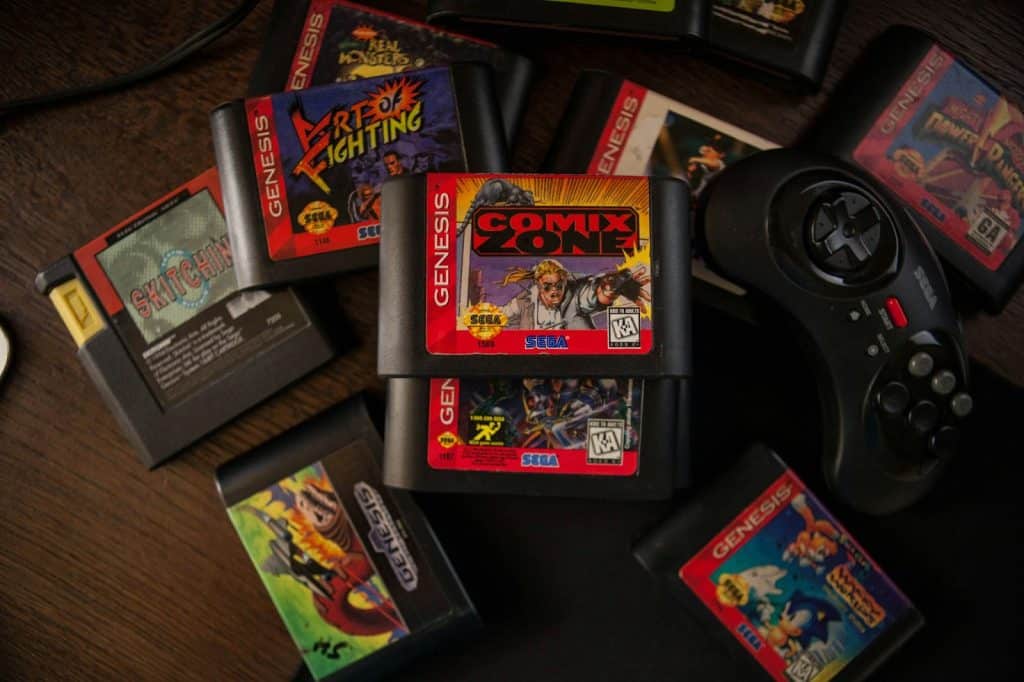
The 1990s gave birth to some of the most influential video games of all time. These titles weren’t just hits back then, they laid the foundation for entire genres. With iconic characters, groundbreaking gameplay, and unforgettable soundtracks, these games continue to resonate today. Whether you’re reliving your childhood or discovering these classics for the first time, each one still holds up in the modern gaming landscape.
The Legend of Zelda: Ocarina of Time (1998)
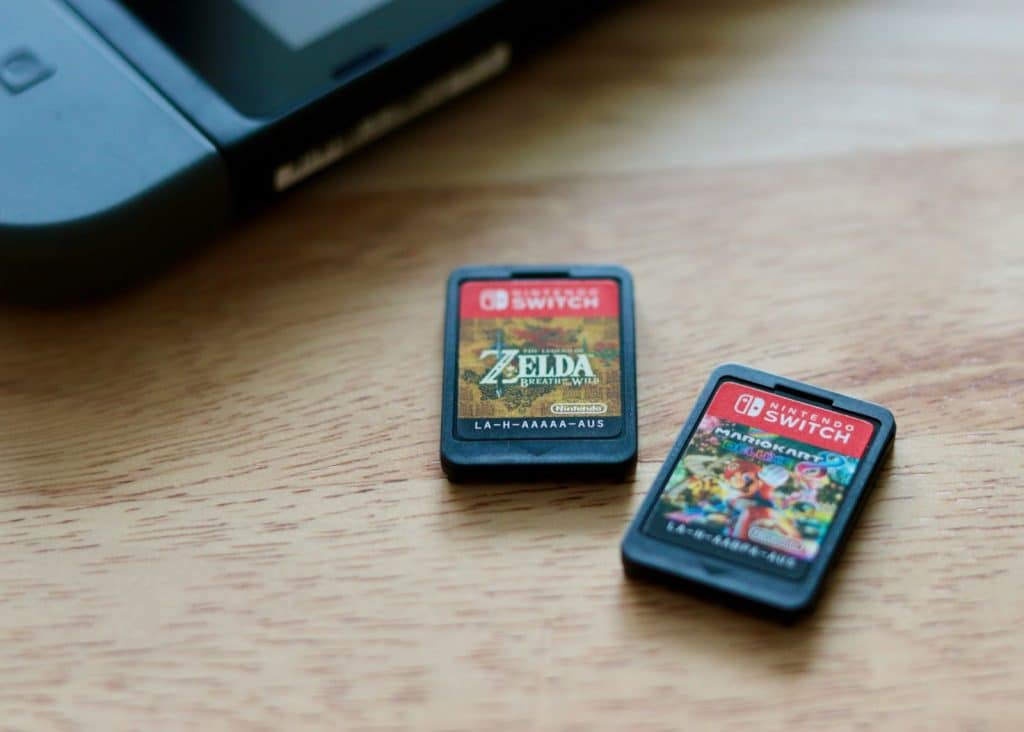
Often hailed as one of the greatest games ever made, Ocarina of Time revolutionized 3D adventure games. With its sprawling world, time-travel mechanics, and emotional storytelling, it set the standard for open-world action games. It remains a staple for anyone exploring the roots of modern game design.
Doom (1993)

This iconic first-person shooter popularized the genre and defined fast-paced, adrenaline-pumping action. Doom is simple in its premise, shoot demons, find keys, escape alive, but endlessly satisfying in execution. Its influence is still seen in today’s FPS landscape.
Final Fantasy VII (1997)
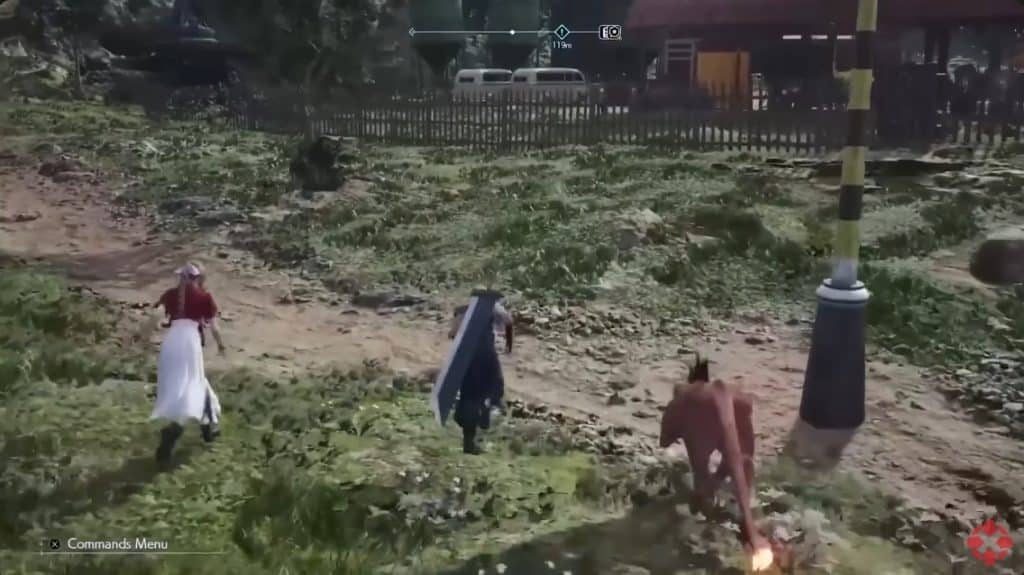
A turning point in RPG history, Final Fantasy VII brought cinematic storytelling and emotional depth to mainstream gaming. Cloud, Sephiroth, and Aerith became cultural icons. The turn-based combat and gripping plot still captivate players decades later.
Super Mario 64 (1996)

Super Mario 64 proved that 3D platformers could be just as tight and satisfying as their 2D predecessors. With intuitive controls and imaginative level design, it was a technical marvel for its time. Its gameplay still feels surprisingly fresh today.
Metal Gear Solid (1998)
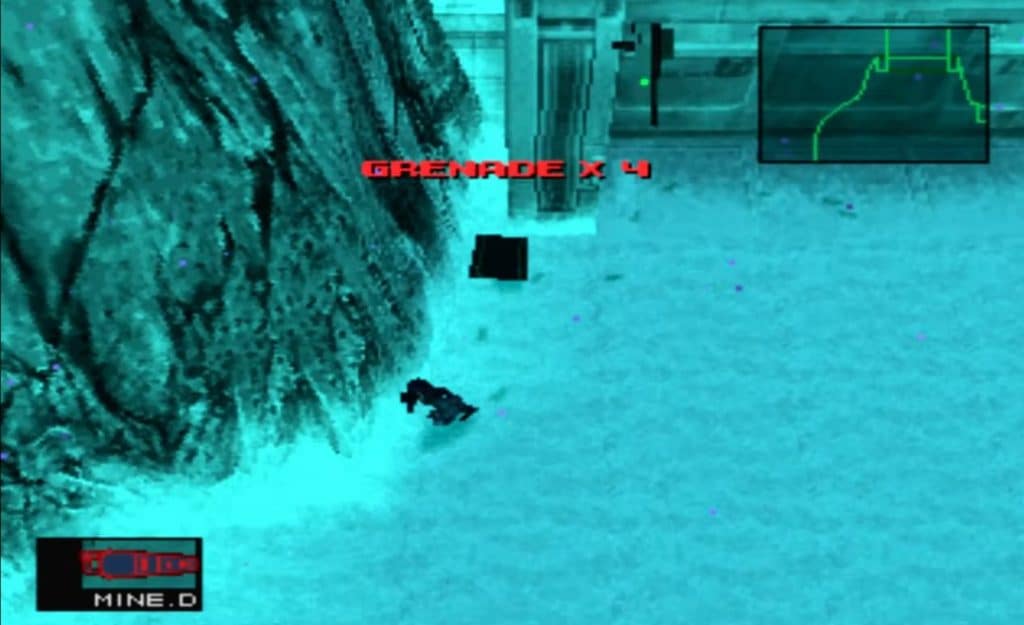
Hideo Kojima’s stealth-action masterpiece introduced cinematic storytelling to console gaming. With voice acting, complex themes, and unforgettable boss battles, Metal Gear Solid is still a must-play for fans of narrative-heavy games.
Half-Life (1998)

Half-Life changed how stories were told in first-person shooters. Its seamless integration of narrative and gameplay set a new bar. While its graphics may look dated, the immersive storytelling and smart level design hold up remarkably well.
Chrono Trigger (1995)
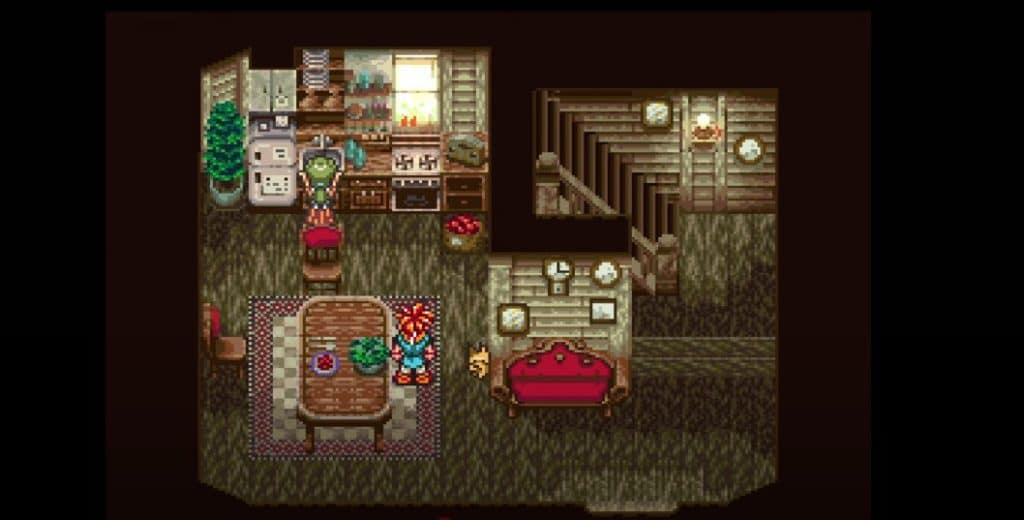
Developed by a dream team of JRPG legends, Chrono Trigger is known for its time-traveling plot, multiple endings, and deeply memorable characters. It’s a masterclass in pacing, and its pixel art still charms today.
Resident Evil 2 (1998)

Before horror games were mainstream, Resident Evil 2 turned fear into fun. With fixed camera angles and resource management, it mastered the art of suspense. It laid the foundation for decades of survival horror games.
Street Fighter II (1991)

The game that truly launched the fighting genre into arcades and living rooms. Street Fighter II offered competitive balance, iconic characters, and endless replayability. It’s still a go-to game for retro tournaments.
Castlevania: Symphony of the Night (1997)
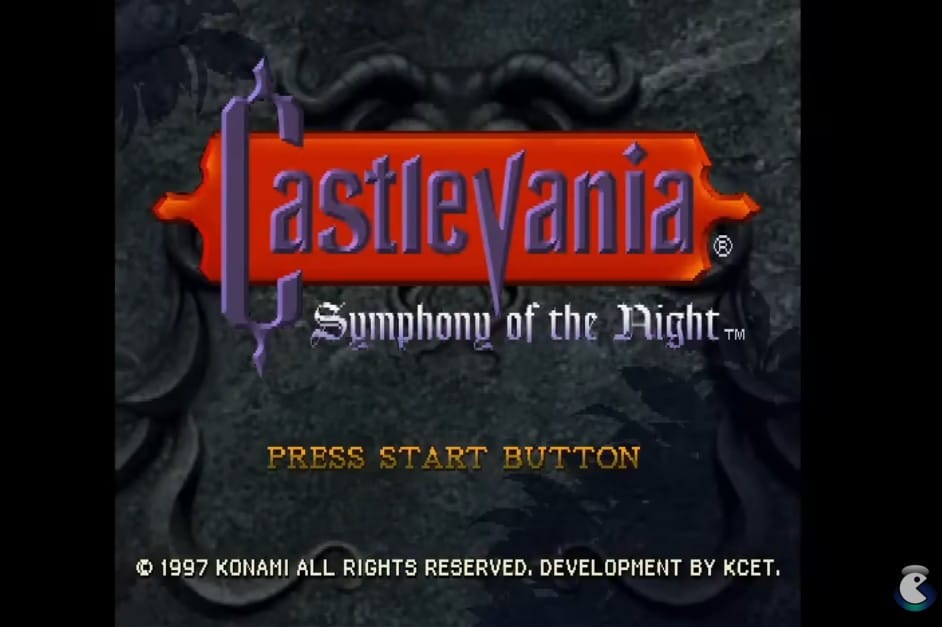
A landmark in non-linear gameplay, Symphony of the Night fused action, exploration, and RPG elements in a gothic package. Its pixel art, soundtrack, and tight controls have earned it a cult following.
Sonic the Hedgehog 2 (1992)
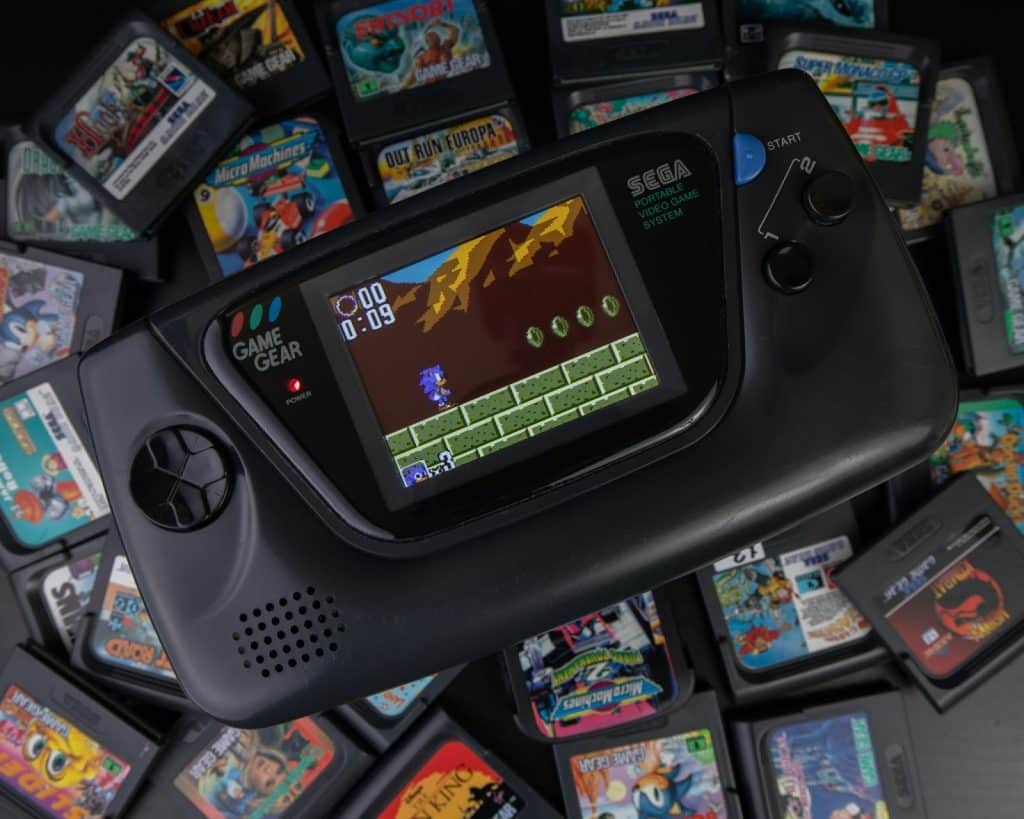
Sega’s answer to Mario, Sonic 2 refined the blue blur’s speed-based platforming. With iconic zones and the addition of Tails, it remains a fan favorite. The game still feels fast, fun, and polished.
Baldur’s Gate (1998)
This isometric RPG brought Dungeons & Dragons to life like never before. Baldur’s Gate offered depth, choice, and endless replayability. Its legacy lives on in countless modern RPGs inspired by its design.
Why These Games Still Matter

Each of these titles pushed boundaries in their time, and continue to inspire developers and gamers alike. They represent an era of experimentation and innovation. In a world of endless sequels and remakes, returning to these games offers a refreshing sense of originality.
How to Play Them Today

Thanks to remakes, ports, and emulators, these classics are more accessible than ever. Whether on official re-releases or retro platforms, you can experience them with modern enhancements or in their original form. They’re not just relics of the past, they’re experiences that still challenge, inspire, and entertain.








Ask Me Anything