
Night owls, we have some bad news: Just getting six hours of sleep every night is not good for you. In fact, that may be an understatement; it might even be dangerous for your health.
You might feel like you’re functioning fine. You’re up late, you’ve built a routine around being productive at night, and your body has gotten used to the rhythm. But just because something feels normal doesn’t mean it’s optimal, or safe. Research shows that six hours of sleep puts your brain and body under the same kind of strain as pulling an all-nighter. Over time, that adds up.
If you’ve been brushing off sleep as a luxury you can’t afford, it’s time to rethink that mindset. Prioritizing rest doesn’t mean you’re slacking–it means you’re investing in longevity, energy, and mental clarity. Here’s what you need to know, and how to start fixing it.
1. Why We Need Sleep

Unfortunately, we as human beings are incredibly limited and we need to recharge–just like our phones. Sleep isn’t just “nice to have,” it’s essential for everything from brain function and memory retention to immune support and hormone regulation. If you’re only giving your body six hours, you’re short-changing your mental clarity, your energy, and even your emotional stability. Think of sleep as your body’s silent repairman. No sleep, no fix.
2. Effects of 6-Hour a Night’s Worth of Sleep

According to the CDC, anything under seven hours is officially classified as “sleep deprivation.” That might not sound like much, but consistently sleeping only six hours a night has been linked to increased risk of heart disease, poor concentration, premature aging, and weight gain. Worse? Your body can adapt to the feeling of being chronically tired, so you stop noticing how much damage is being done. Just because you can function doesn’t mean you’re functioning well.
3. All Things Sleep Hygiene

Sleep hygiene is everything you do to protect and improve the quality of your rest. Think of it as curating your lifestyle around the goal of better sleep. That means having a consistent bedtime, avoiding heavy meals at night, and making sure your environment is cool, dark, and distraction-free. Here’s everything you need to know about improving your sleep hygiene: It’s not about perfection, it’s about patterns. And small wins add up.
Here’s everything you need to know about improving your sleep hygiene:
4. Create an Evening Routine

An evening routine can be anything from your skincare routine to reading a few chapters of a low-stakes book, but here’s the key: Consistency. You want to train your brain to wind down at the same time every night. Make it a ritual: Tea, journal, lavender oil, dim lights. Not only will your sleep improve, but you’ll also start looking forward to that peaceful, non-digital hour that’s just for you. Spoiler: your future well-rested self will thank you.
5. Work Towards Being a Morning Person

Sorry folks, but it’s scientifically proven that morning people are more likely to be productive, alert, and mentally sharp during the times when most of the world is also awake. You don’t need to go full 5 AM-club, but getting to bed earlier and waking up earlier can reset your circadian rhythm and make mornings feel a lot less painful. Give yourself something to look forward to in the morning–a walk, coffee outside, or a guilt-free 30 minutes of doing absolutely nothing.
6. Add Working Out to Your Routine

If it’s been a while since you’ve worked out, now is the best time to get back into the habit, and not just for your physical health. Exercise helps reduce cortisol (your stress hormone) and releases endorphins, which can improve your sleep quality significantly. Aim for 20–30 minutes a day, even if it’s just a brisk walk. But avoid high-intensity workouts right before bed; those can wake you up instead of calming you down.
7. Eat Nutritious Food

Here are some foods that can help you reach your goal of sleeping 8 hours per night: Complex carbs like sweet potatoes, protein-rich snacks like Greek yogurt, and magnesium-packed choices like almonds or bananas. Avoid sugar-loaded treats and greasy fast food late at night. What you eat affects how well you sleep and how well you sleep affects your food choices the next day. It’s a loop. Make it work for you, not against you.
8. Limit Blue Light Exposure at Night

It may be tempting to doom scroll or binge one more episode, but the blue light from your phone, tablet, or laptop tricks your brain into thinking it’s still daytime. This delays melatonin production, making it harder to fall, and stay, asleep. Try switching to “Night Shift” mode on devices, or better yet, cut screen time an hour before bed. Buy a real alarm clock so you can leave your phone across the room. Simple swaps, big results.
9. Don’t Rely on Caffeine to Power Through

Unfortunately, overreliance on caffeine and sleeping less than 8 hours a night are a vicious cycle that feeds itself. You sleep less, so you drink more coffee. You drink more coffee, so you sleep worse. If you’re feeling the crash, try a power nap instead of a third or fourth cup. And stop all caffeine by mid-afternoon, yes, even if you “don’t feel affected by it.” Your brain and body still are.
10. Be Mindful of Alcohol and Sleep

An occasional drink can’t hurt you, but alcohol dependence and quality sleep don’t mix. Even though a glass of wine might help you fall asleep faster, it actually disrupts your REM cycle and makes your sleep more fragmented. That’s why you often feel groggy after drinking, even if you got a full night’s sleep. Try limiting alcohol to earlier in the evening–and not as a nightly ritual. Save it for the weekend, not Wednesday.
11. Make Your Bedroom a Sleep-Only Zone

If you’re lucky enough to have a home office or a separate workspace in your home, make sure to never bring back your work laptop to your bedroom. Studies show that when we blur the lines between our bedrooms and work zones, our brains stop associating our bed with rest. Ideally, your bedroom should be used for two things: sleep and intimacy. That’s it. Keep it tidy, dark, and distraction-free, and make it your sanctuary.
12. Learn About Revenge Bedtime Procrastination
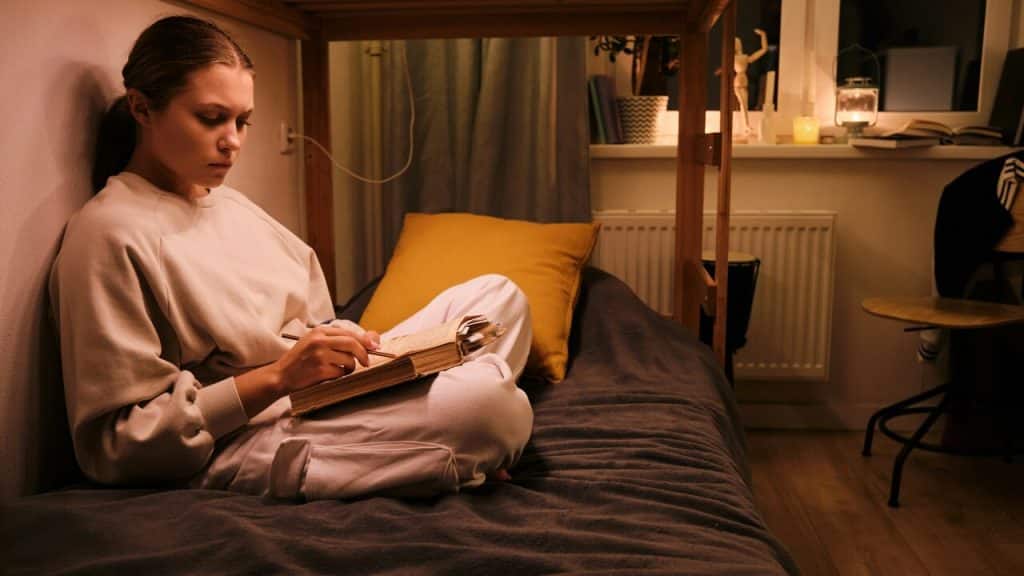
The reason why it’s important to learn about this sleep phenomenon is because you might be suffering from it. Do you sleep late because you’re trying to make up for the hours you weren’t able to have free time? That’s revenge bedtime procrastination. You’re not lazy; you’re tired of being busy. But delaying sleep to “feel free” just ends up making you more exhausted the next day. Try carving out short “me time” windows earlier in the evening instead.
13. Try Melatonin

But don’t rely on it! Maybe in the beginning when you’re trying to shift your body clock or recover from jet lag, but melatonin should be treated like training wheels, not a forever fix. Overuse can mess with your body’s natural production. Start with a low dose (0.5–1mg), and give yourself at least an hour to wind down after taking it. Use it for transition, not dependency.
14. Know When to See a Sleep Specialist

If you’ve tried everything but still wake up groggy, have trouble staying asleep, or feel excessively tired during the day, it might be time to consult a professional. You could be dealing with sleep apnea, insomnia, or other conditions that require medical support. Don’t just accept bad sleep as your personality; there’s a whole science dedicated to fixing it. Get the help you need.
15. Respect Rest

If you respect the hustle, learn to respect rest, too. A massive mindset shift might be needed to stop seeing sleep as “optional” or a weakness. Productivity culture praises those who burn the candle at both ends, but the truth is, you’re more resilient, more creative, and more focused when you’re well-rested. Sleep isn’t laziness–it’s strategy. And the most successful people in the world take it seriously.








Ask Me Anything