
Muscle growth doesn’t happen in the gym, it happens during recovery. Yet many men unknowingly sabotage their progress with habits that keep their bodies stuck in repair mode. Overtraining, poor sleep, and bad nutrition don’t just stall gains, they cause chronic soreness and fatigue. This article unpacks 20 silent recovery killers that are easy to overlook. Fixing even a few of them could mean the difference between constant soreness and finally feeling strong, mobile, and pain-free.
Skipping Cooldowns Completely

Many men finish their workouts and head straight for the shower. But skipping cooldowns limits blood flow and slows recovery. Gentle stretching or light cardio post-workout helps flush out lactic acid. It also signals the body to start the repair process. When cooldowns are ignored, soreness lingers longer than it needs to.
Inconsistent Sleep Schedules

The body does its deepest muscle repair during sleep. Inconsistent or poor-quality sleep disrupts recovery hormones like testosterone and growth hormone. Even a few nights of bad sleep can lead to stiffness, tightness, and chronic soreness. Recovery demands consistency, not just quantity.
Not Eating Enough After Workouts

Some men try to “stay lean” by skipping post-workout meals. But your muscles need protein and carbs to repair and grow. Without refueling, the body stays in breakdown mode. That soreness you feel the next day? It might be more about under-eating than overtraining.
Training Through Pain

Pain is the body’s warning system, not a test of toughness. Pushing through joint pain or deep soreness can lead to lingering injuries. Listening to discomfort doesn’t make you soft, it makes you smart. Ignoring pain turns minor issues into long-term setbacks.
Over-Reliance on Caffeine

Caffeine helps you power through, but too much masks fatigue. When you push past tired signals with stimulants, recovery suffers. The body needs rest, not just energy. Excess caffeine also disrupts sleep, creating a vicious cycle of tired training and poor recovery.
Inadequate Hydration
Dehydrated muscles are tight, fatigued, and slow to heal. If you’re not drinking enough water, your recovery is already compromised. Electrolyte balance also matters, especially after intense sweating. Hydration isn’t just for workouts, it’s for what happens after.
Ignoring Mobility Work
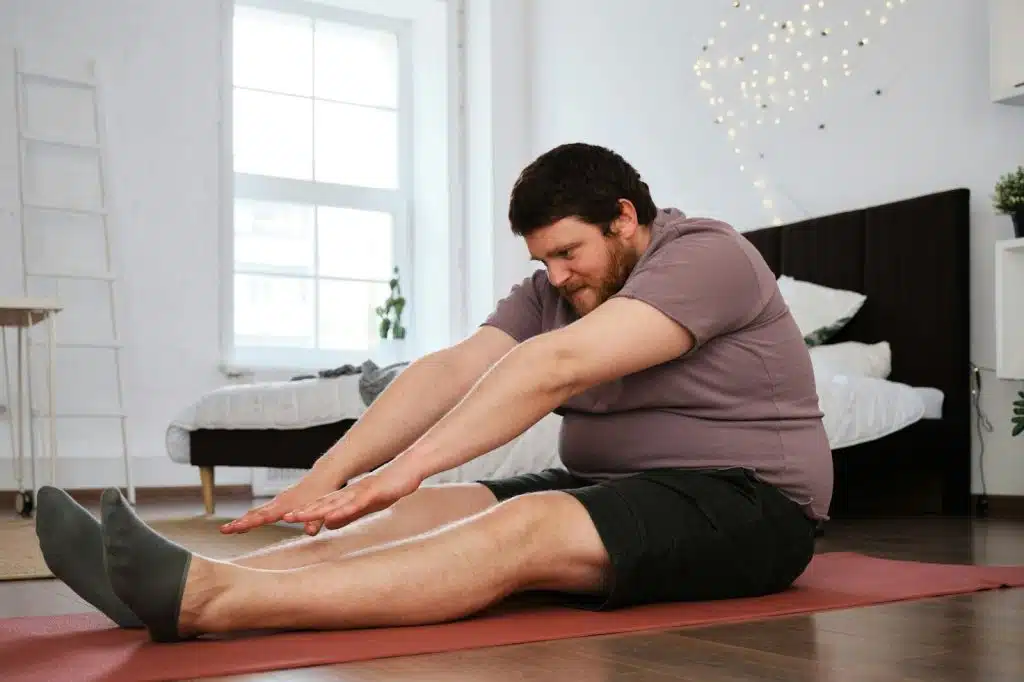
Stretching and mobility work aren’t just warmup fluff, they’re recovery tools. Tight hips, hamstrings, and shoulders lead to compensation patterns. That compensation shows up as soreness in places that aren’t even the problem. Mobility isn’t optional if you want to feel good long-term.
Overtraining Without Realizing It
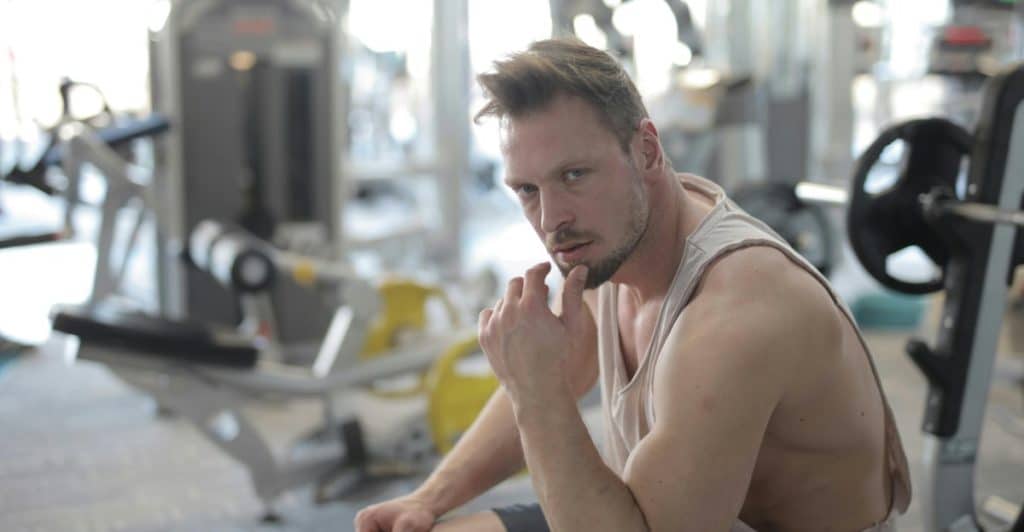
More isn’t always better. Too many men fall into the trap of chasing volume instead of results. If you’re constantly sore, tired, and not progressing, you might be training too much. Rest days don’t mean you’re lazy, they mean you’re strategic.
Using Alcohol to “Unwind”
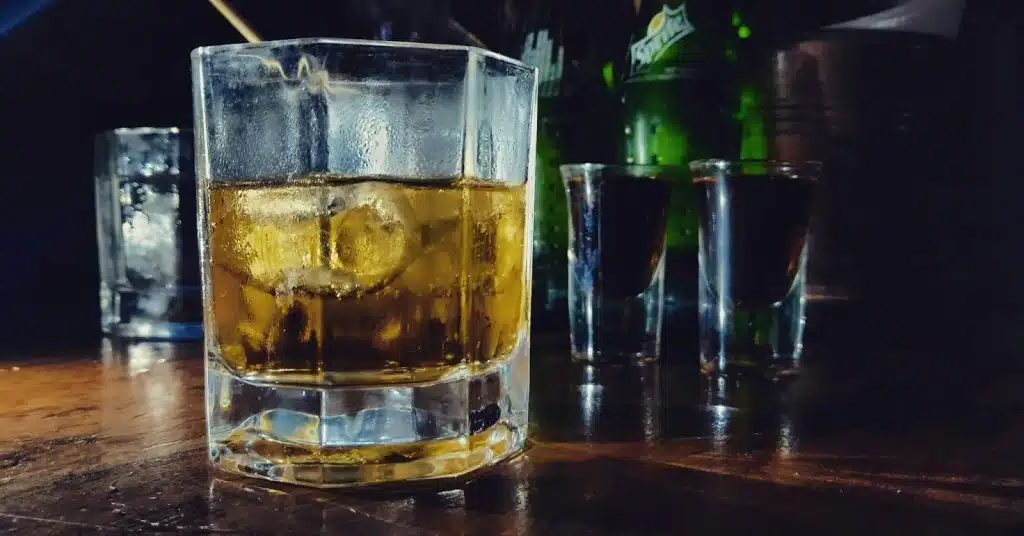
Alcohol might feel relaxing, but it wrecks recovery. It interferes with sleep cycles and dehydrates muscles. Even moderate drinking can blunt protein synthesis and delay healing. If soreness is lingering, that post-gym beer could be part of the reason.
Poor Posture Outside the Gym
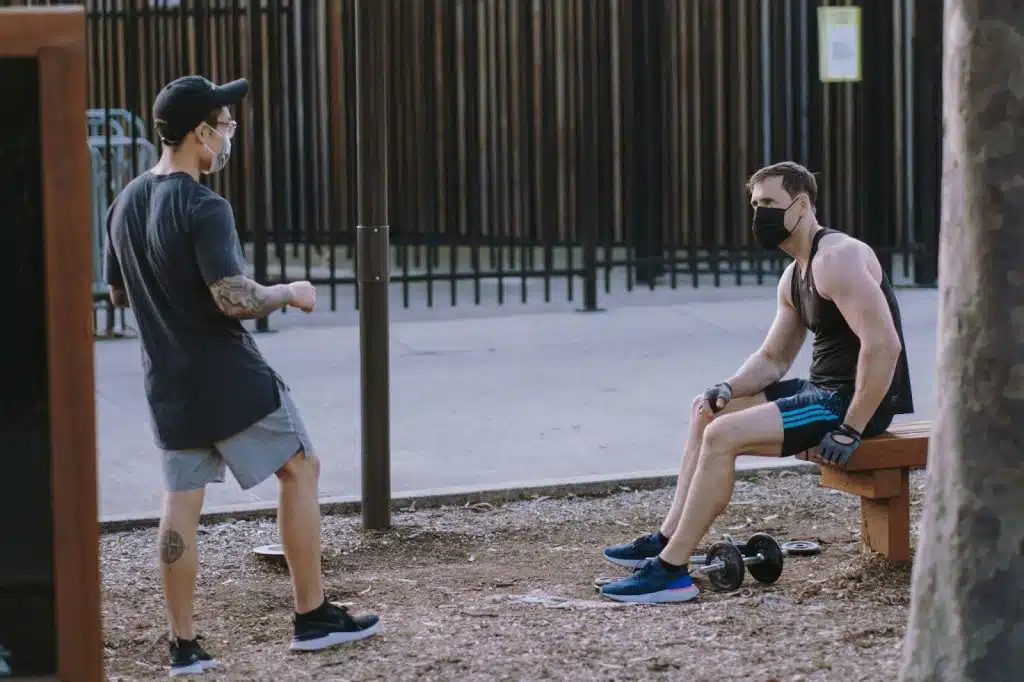
What you do between workouts matters. Sitting hunched over all day puts stress on muscles you just trained. Bad posture keeps the body in compensation mode. Recovery doesn’t end when you leave the gym, it’s a 24-hour process.
Inconsistent Stretching Routines
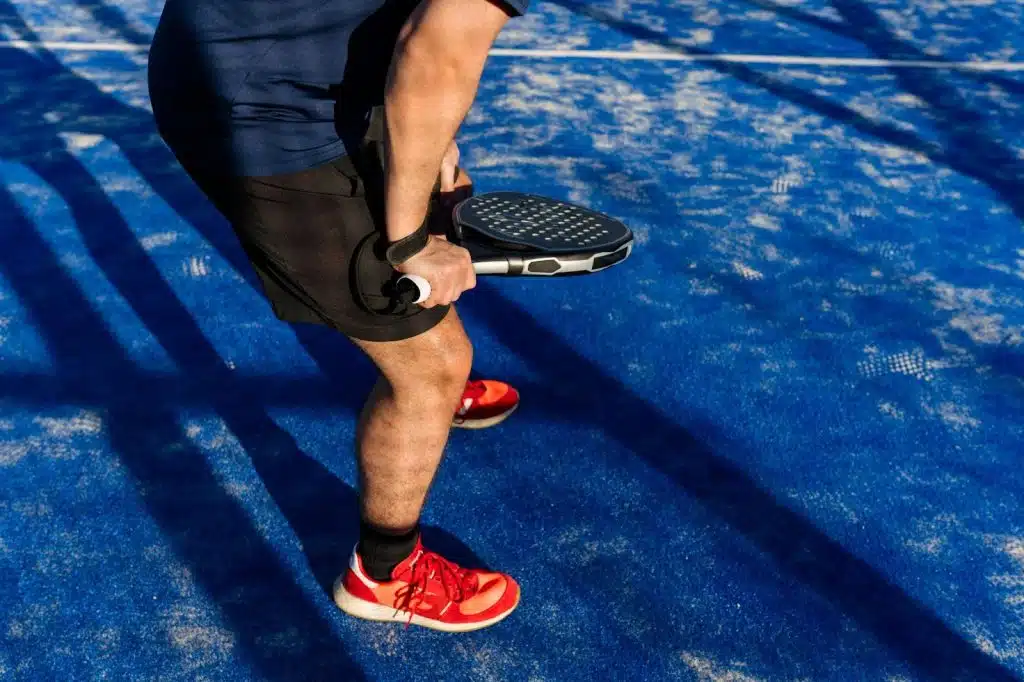
Stretching once in a while won’t undo tightness from training. Muscles need regular attention to stay supple. A random stretch session here and there won’t prevent soreness. Consistency is what creates long-term relief and injury prevention.
Relying Only on Massage Guns
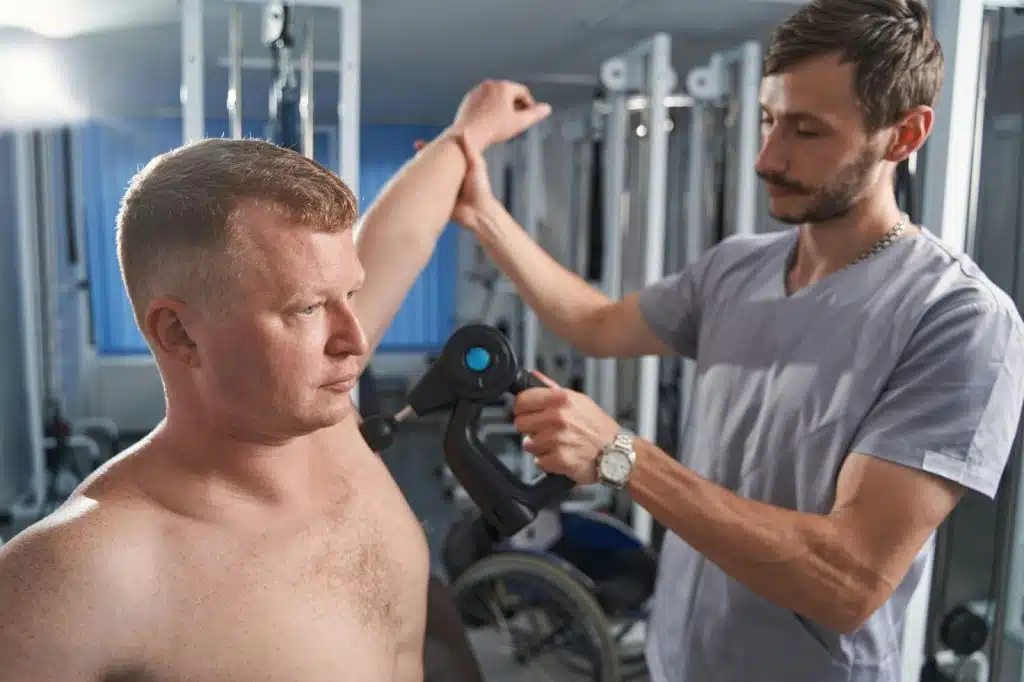
Massage guns are tools, not magic. They help, but they don’t replace real mobility, stretching, or rest. Some men use them to mask tightness instead of fixing the root issue. If you’re still sore after blasting a muscle, it might be time to look deeper.
Not Tracking Your Workouts
Recovery isn’t guesswork. Without tracking sets, reps, and intensity, it’s easy to overdo it without realizing. A training log helps spot patterns, like which exercises cause more soreness or which days need extra recovery time. Data leads to smarter rest.
Neglecting Mental Recovery

Stress raises cortisol, which slows down physical recovery. If you’re mentally fried, your body won’t bounce back either. Recovery includes decompressing, whether that’s walking, meditating, or simply doing less. The mind and body are linked more than most men realize.
Not Adjusting for Age

Recovery changes with age. What worked at 25 won’t work the same at 45. Ignoring that reality leads to constant soreness and slower progress. Adapting your volume, intensity, and rest is part of smart, long-term training, not weakness.
Underestimating Rest Days
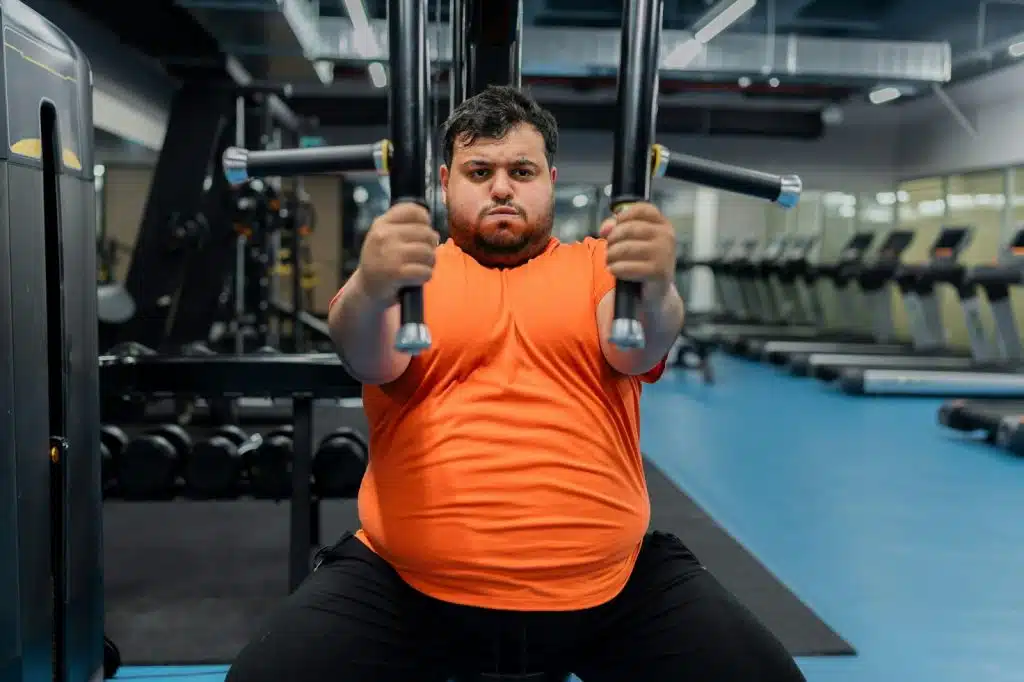
Rest days are not days off, they’re when your body grows. Many men feel guilty about taking them, but recovery is an active process. Without rest, your training doesn’t work. It’s the pause that powers the next push.
Eating Too Little Overall
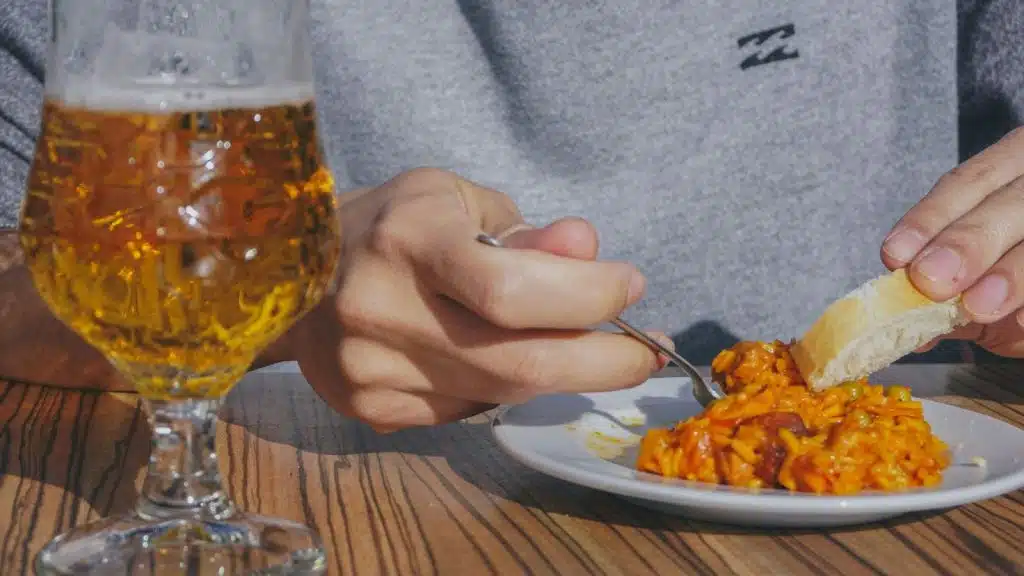
It’s not just post-workout meals, total calorie intake matters. Men who undereat chronically don’t just stall progress; they stay sore. Muscles can’t repair what they don’t have the energy for. More food might be the missing recovery tool.
No Recovery Plan in Place
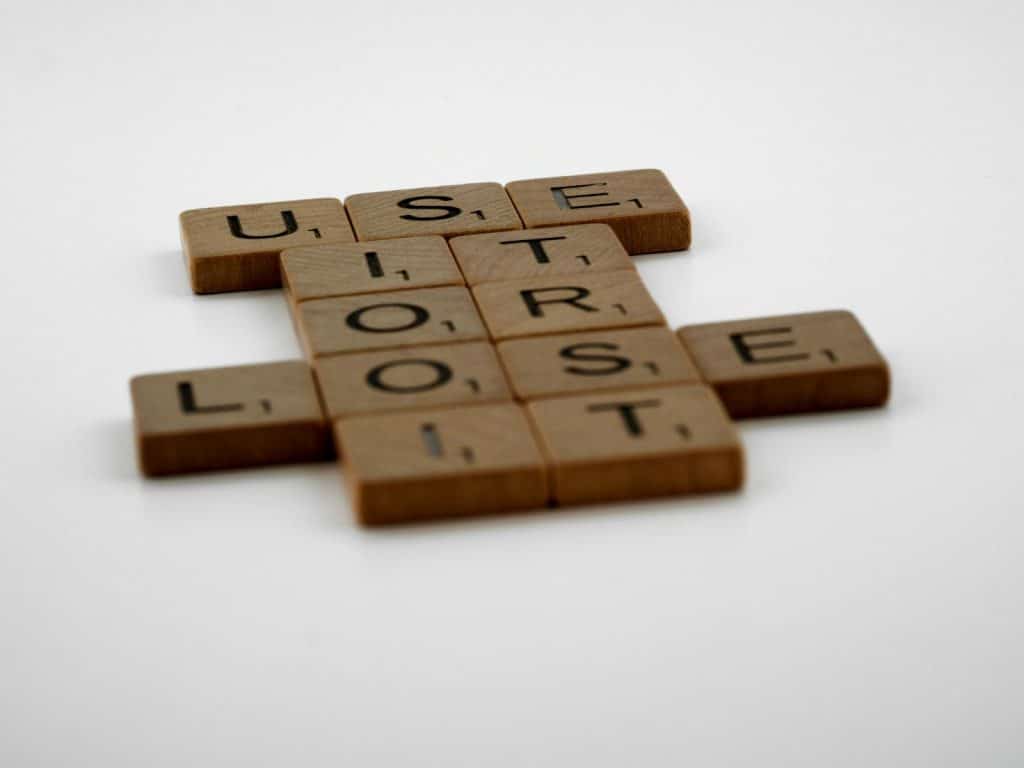
Training plans are common, recovery plans aren’t. But without structured recovery, soreness becomes constant. Scheduling rest, nutrition, sleep, and stress management is just as important as lifting. Recovery isn’t an afterthought, it’s a system.
Believing Soreness = Progress

Some men chase soreness like a badge of honor. But pain isn’t always progress. Being sore isn’t proof you’re getting better, it might just mean you’re not recovering well. Growth feels good. Chronic soreness doesn’t.
The Fix Isn’t Just Rest, It’s Smarter Recovery

You don’t need to train less, you need to recover smarter. Fixing just a few of these habits can reduce soreness, improve sleep, and boost progress. It’s not about being soft, it’s about being efficient. Recovery isn’t the opposite of hard work, it’s what allows hard work to pay off.








Ask Me Anything