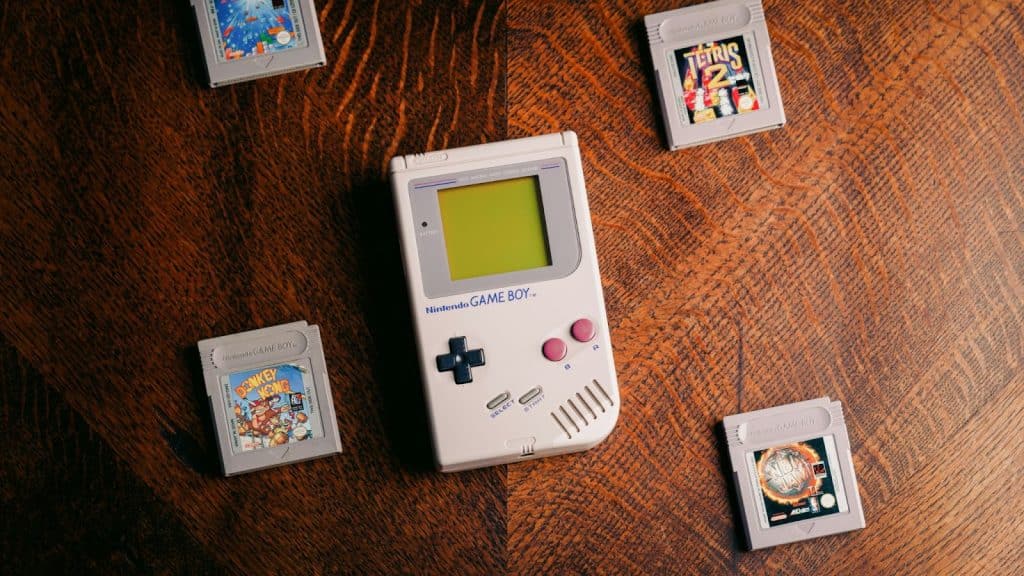
Before cutting-edge graphics and live-streamed battles, these classic games defined what gaming meant for millions of men. They sparked competition, camaraderie, and countless late nights. These titles didn’t need high specs to deliver heart-pounding moments and unforgettable memories. Whether you were mashing buttons or solving puzzles, these games became part of growing up. Let’s revisit the titles that shaped a generation.
Super Mario Bros. (1985)
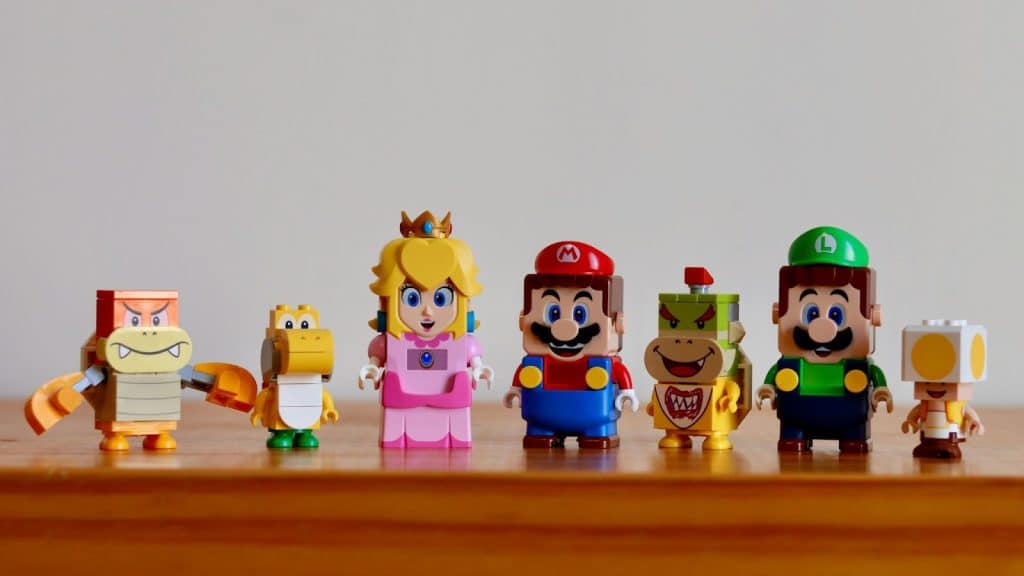
The plumber who became a legend. Super Mario Bros. turned side-scrolling into a worldwide obsession. It introduced tight gameplay, hidden secrets, and catchy music that defined the NES era. Simple yet addictive, the game taught players about persistence and timing. It’s still one of the most iconic entry points into gaming.
Street Fighter II (1991)
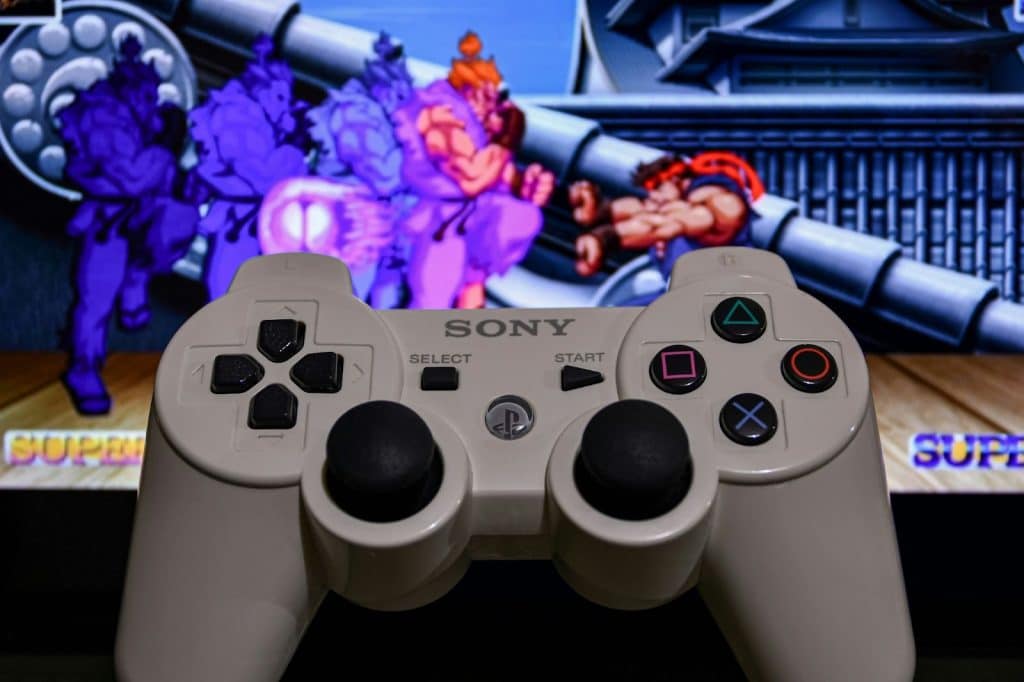
The game that created rivalries. Street Fighter II brought head-to-head competition to arcades and living rooms. With its diverse cast and combo mechanics, players spent hours mastering characters like Ryu and Chun-Li. It defined the fighting game genre and became a rite of passage for many.
The Legend of Zelda: Ocarina of Time (1998)
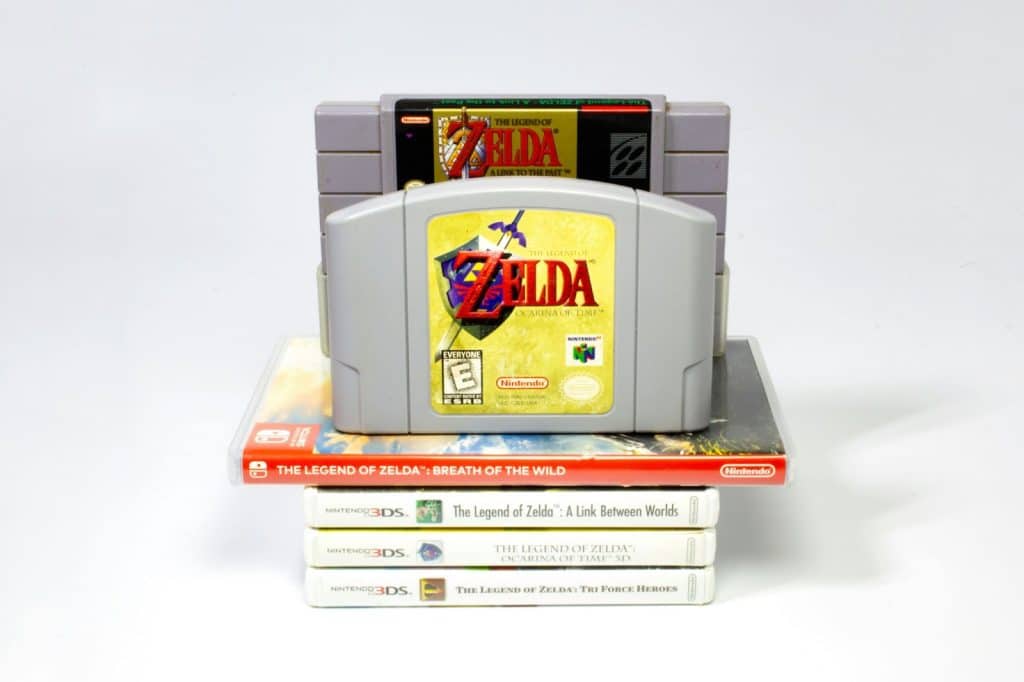
Adventure redefined. Ocarina of Time combined a massive world, emotional story, and innovative gameplay into one unforgettable package. Players experienced Link’s journey through dungeons, puzzles, and epic boss fights. It was a landmark moment for open-world exploration and immersive storytelling.
Doom (1993)
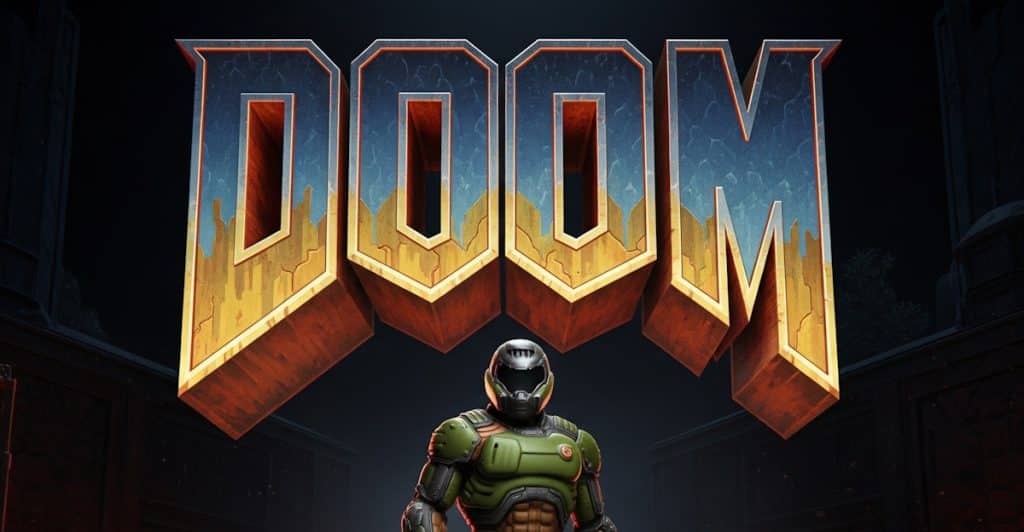
First-person action with attitude. Doom revolutionized shooters, letting players rip through demons in fast-paced mayhem. Its gritty design and LAN multiplayer turned it into a cultural force. It made PC gaming feel intense, rebellious, and endlessly replayable.
Final Fantasy VII (1997)
A story that stayed with you. Final Fantasy VII gave gamers complex characters, an epic plot, and one of the most shocking twists in gaming. Its cinematic approach made RPGs mainstream. Cloud, Sephiroth, and Midgar still live in memory.
Metal Gear Solid (1998)
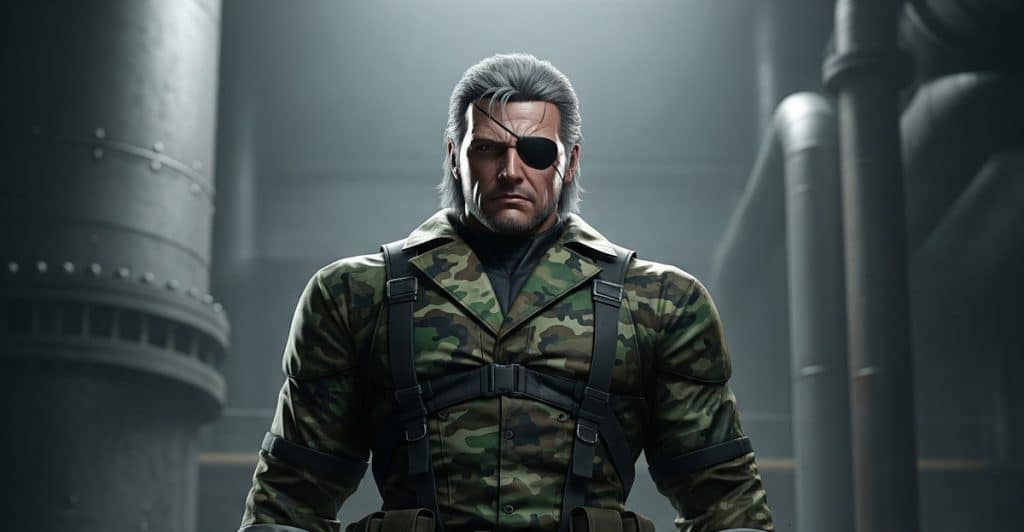
Stealth got serious. Metal Gear Solid asked players to think before shooting. Its mix of sneaky gameplay, voice acting, and political themes set a new standard. Snake wasn’t just a soldier, he was part of a larger, thoughtful narrative.
GoldenEye 007 (1997)

Multiplayer mayhem. GoldenEye made split-screen shooters a household staple. Whether it was the Facility map or the infamous golden gun, it created moments that sparked both cheers and arguments. It laid the foundation for competitive console shooters.
Tetris (1984)
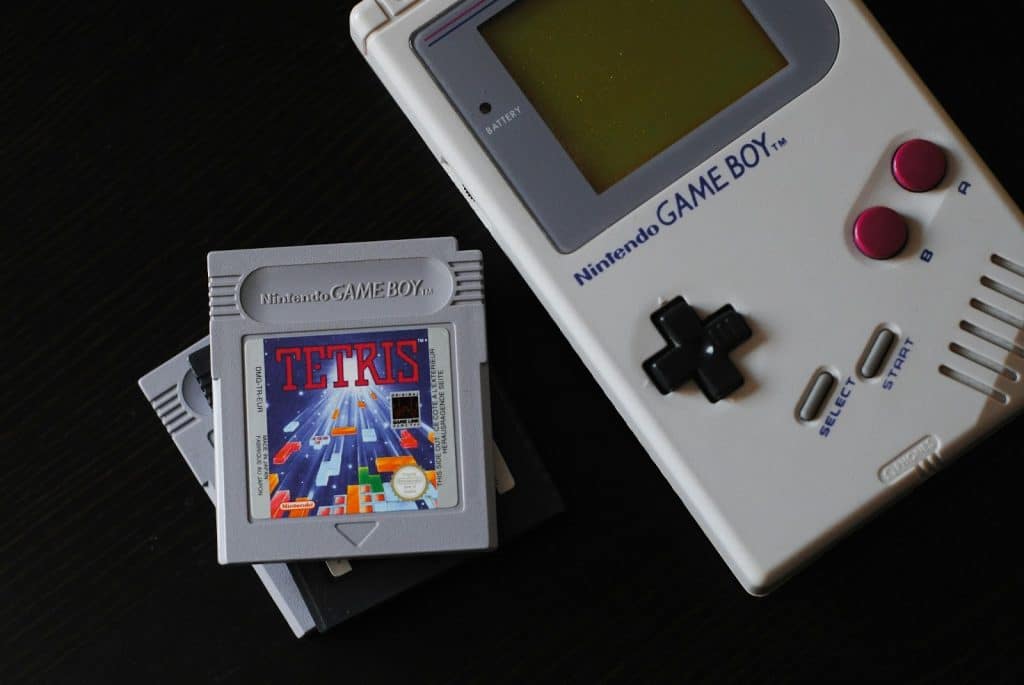
The ultimate puzzle. Tetris crossed generations, consoles, and cultures. Its falling blocks became a symbol of pure gameplay perfection. The satisfaction of clearing four lines at once never faded. It showed that simple mechanics can be eternally engaging.
Sonic the Hedgehog (1991)
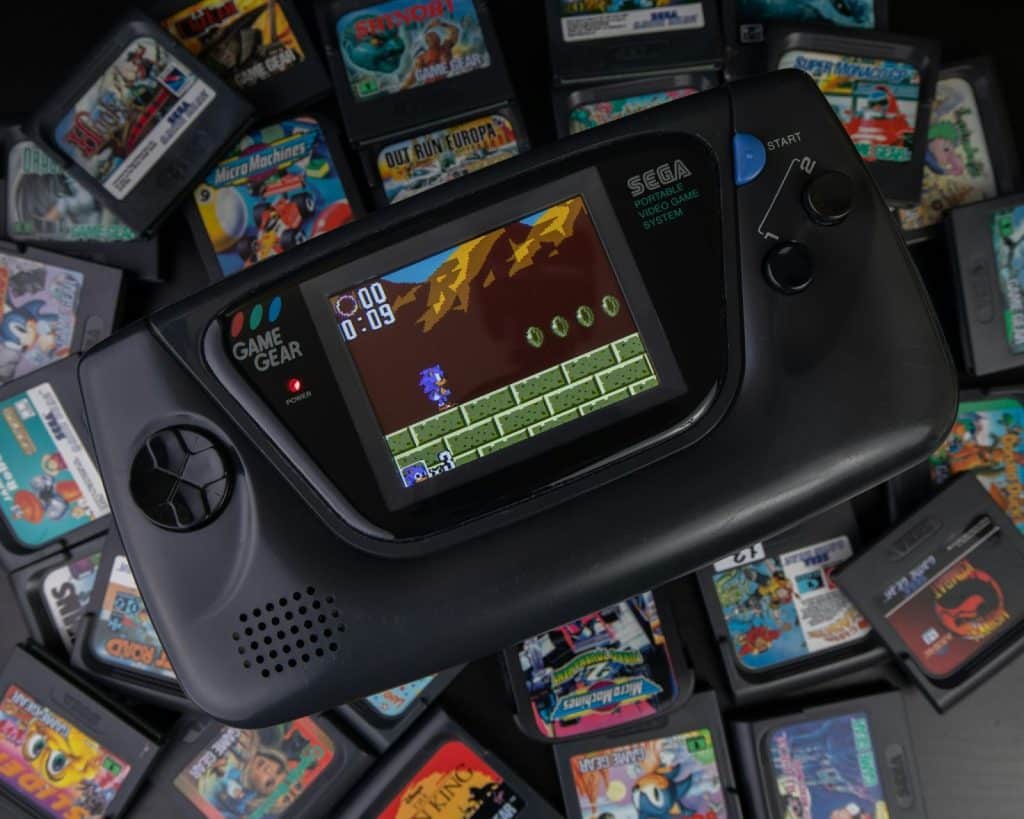
Speed meets style. Sonic was Sega’s answer to Mario, and it worked. With vibrant visuals and a blazing pace, it appealed to a new kind of gamer. The blue blur made platformers feel exciting and edgy.
Resident Evil (1996)
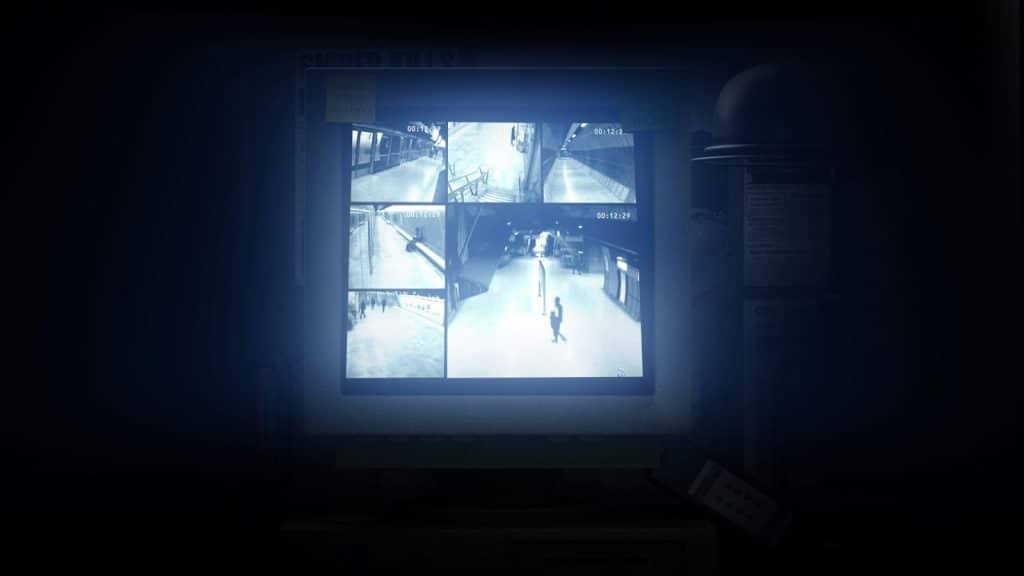
Horror got real. Resident Evil made players afraid to open doors or walk into dim hallways. It combined tension, puzzles, and survival mechanics that pushed limits. It proved games could be scary, cinematic, and strategic.
NBA Jam (1993)
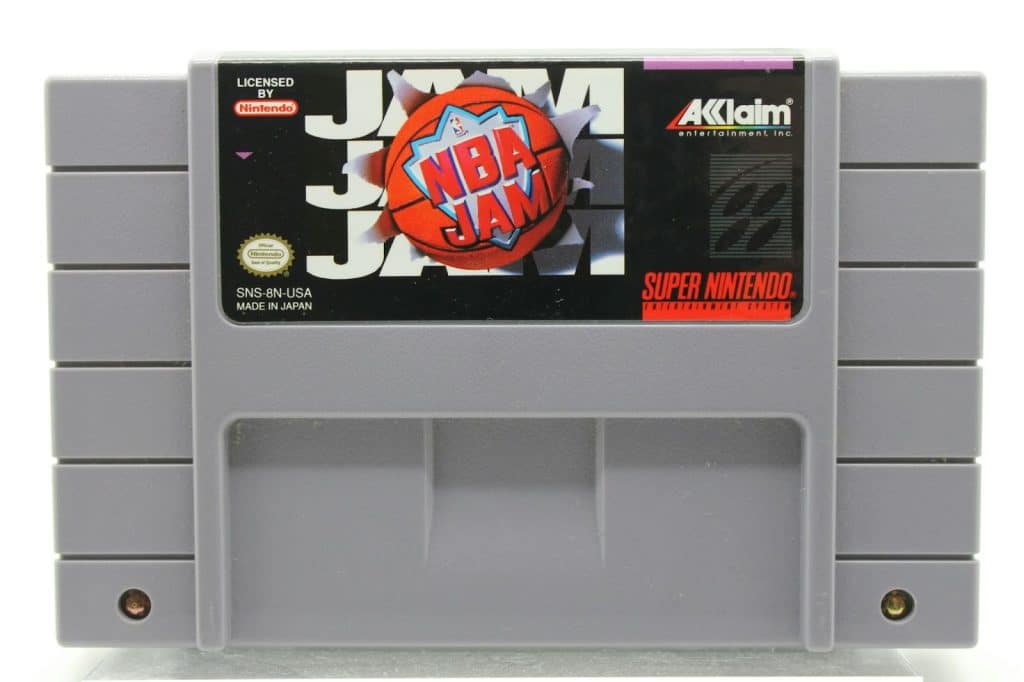
Arcade sports at its best. NBA Jam threw realism out the window for pure fun. With on-fire dunks and trash-talking announcers, it was impossible to play just one game. It captured the essence of ’90s swagger.
Castlevania: Symphony of the Night (1997)
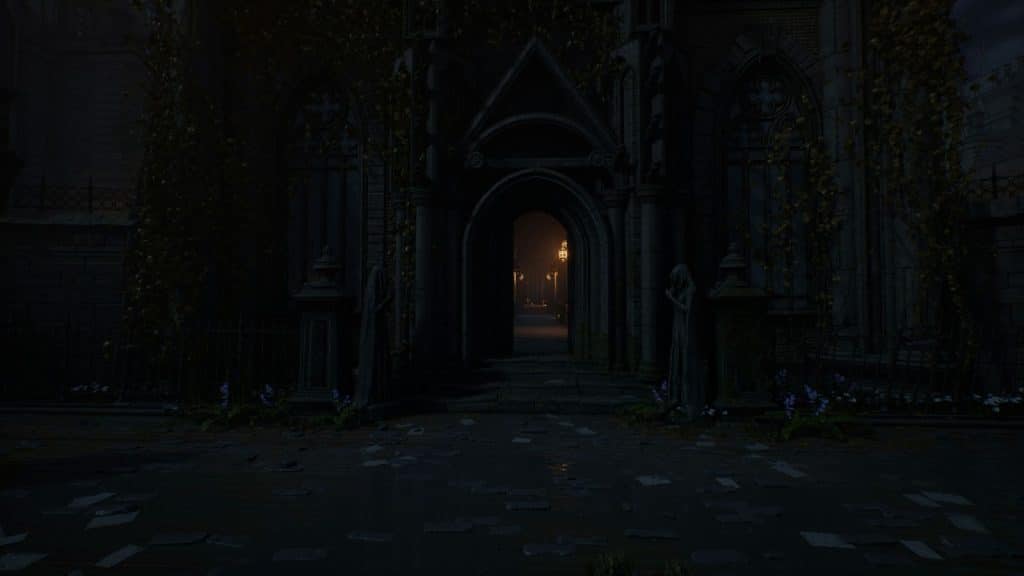
Gothic brilliance. Symphony of the Night mixed action, RPG elements, and haunting music in a genre-defining experience. Exploring Dracula’s castle felt endless and rewarding. It helped birth the “Metroidvania” genre that’s still beloved.
Contra (1987)
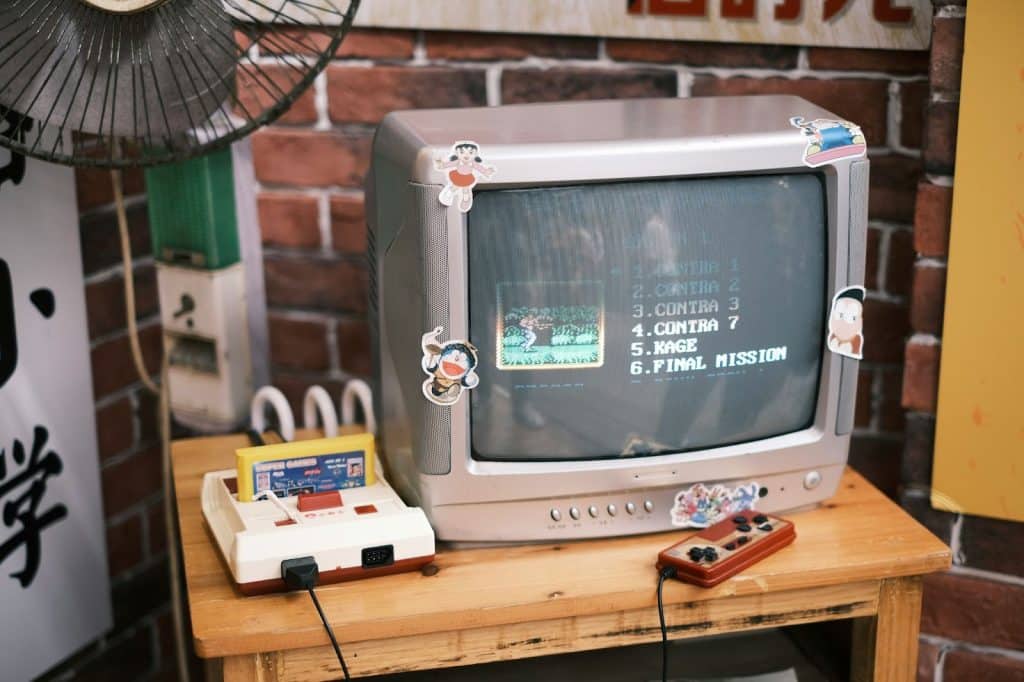
Hard. Unforgiving. Addictive. Contra was known for its brutal difficulty and the famous Konami Code. Beating it meant bragging rights. Its run-and-gun chaos defined old-school challenges.
Pac-Man (1980)
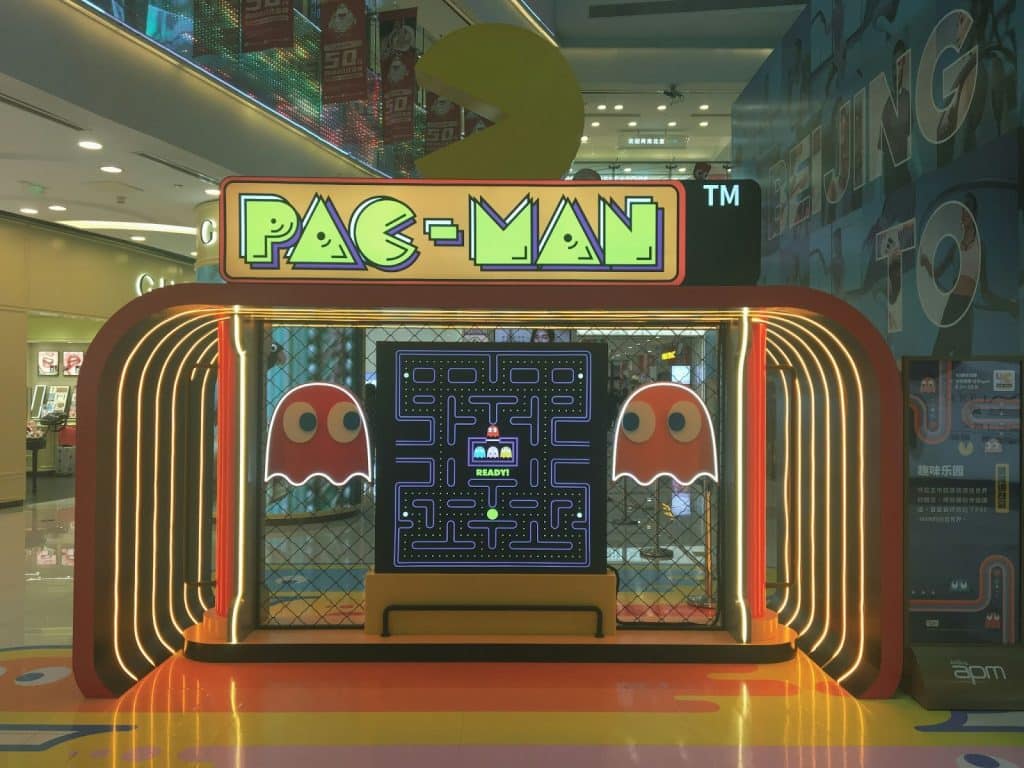
Arcade royalty. Pac-Man was one of the earliest games to gain global fame. With its maze-chasing gameplay and iconic characters, it became an obsession for players of all ages. The game’s simplicity and depth still hold up today.
Chrono Trigger (1995)
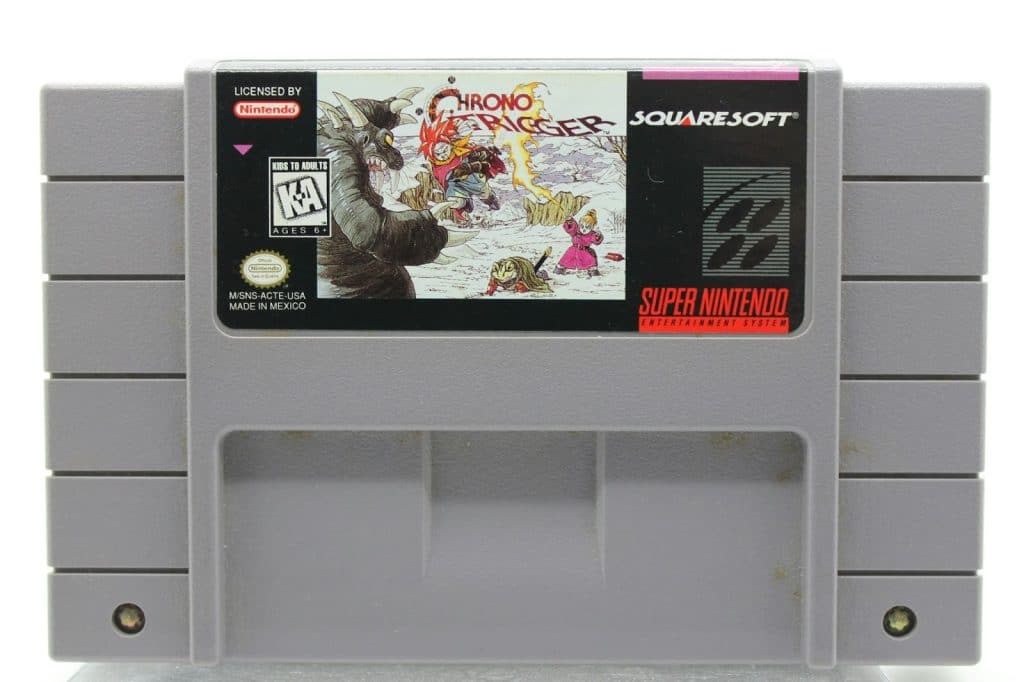
Timeless storytelling. Chrono Trigger offered multiple endings, time travel, and a rich cast of characters. It was ahead of its time in both narrative and gameplay structure. Many still consider it one of the best RPGs ever made.
Half-Life (1998)
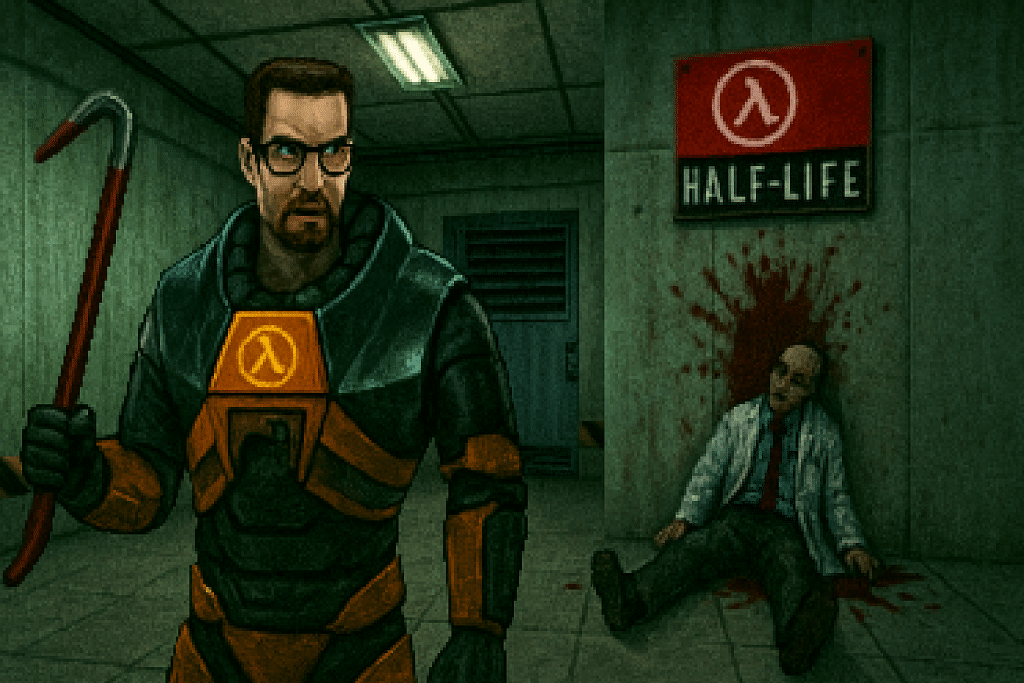
Sci-fi gaming evolved. Half-Life mixed story-driven action with cutting-edge AI and immersive environments. It laid the foundation for narrative-based shooters. Gordon Freeman’s journey changed expectations for what a shooter could be.
Tekken 3 (1997)
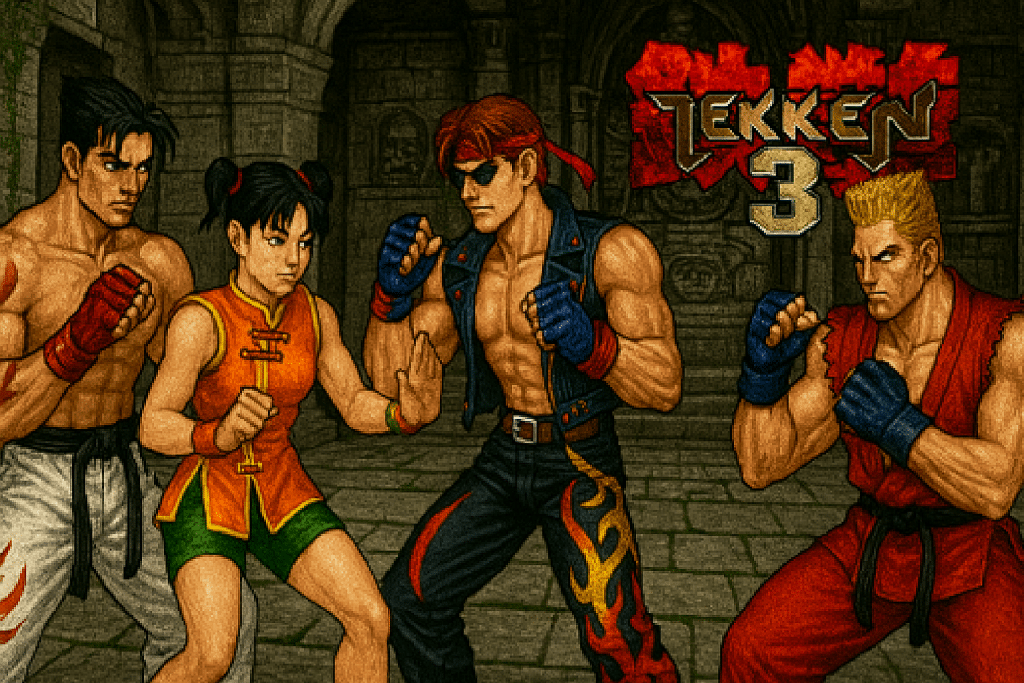
Fighting finesse. Tekken 3 brought smooth 3D combat, dynamic characters, and a deep combo system. Its arcade success translated into massive console appeal. It became a cornerstone of competitive fighting games.
Mega Man 2 (1988)
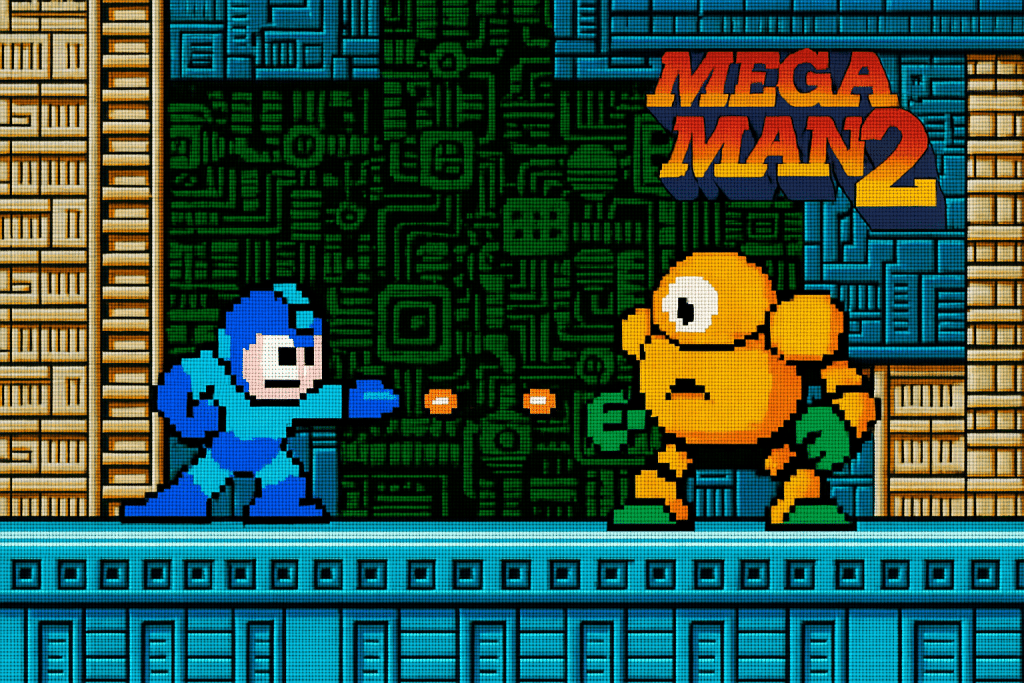
Precision platforming. Mega Man 2 demanded skill, patience, and memorization. Its bosses, music, and level design became instant classics. It’s still a favorite among retro gaming fans.
Minecraft (2011)

Block by block brilliance. Minecraft might be newer than the others, but its impact is massive. With infinite creativity, survival mechanics, and community mods, it transformed gaming into a world-building sandbox. Its retro-inspired visuals tie it to the classics.
Why These Games Still Hit
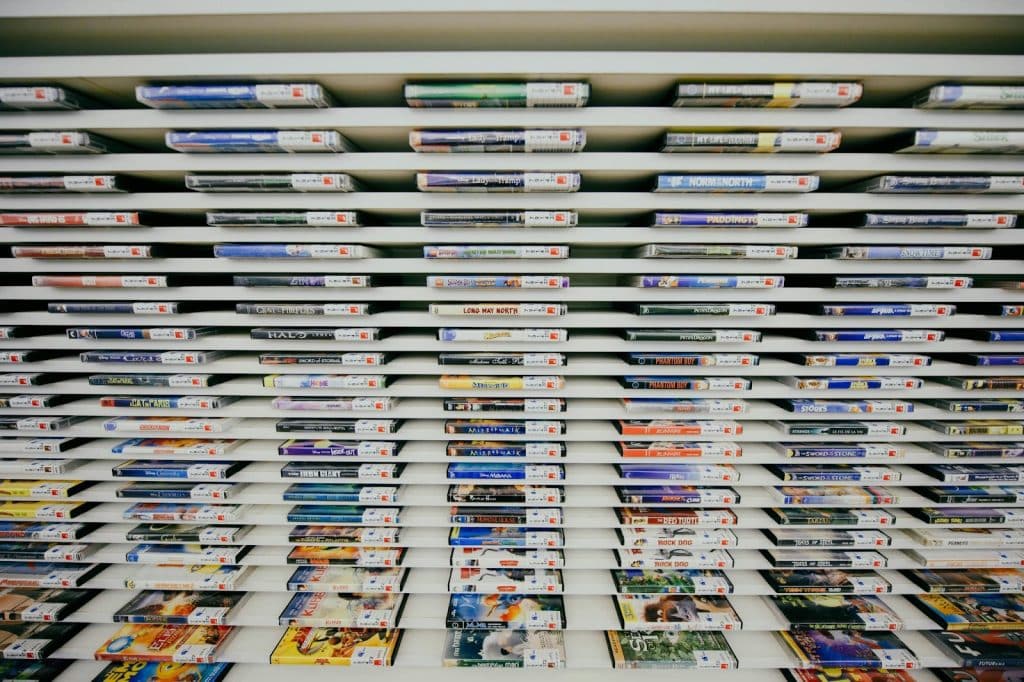
These titles didn’t just entertain, they created connections. Friends bonded over late-night matches, and solo players got lost in massive worlds. The pixelated graphics and simple controls mask deeper memories of triumph, frustration, and joy. They remind us why we picked up a controller in the first place. Nostalgia aside, they laid the groundwork for modern gaming.








Ask Me Anything