
Divorce is often seen as a clean break, but the reality is far more complicated. Many men enter the process thinking freedom or relief will follow, only to discover a wave of unexpected regrets. These regrets don’t always come from dramatic mistakes but from small oversights and unspoken issues. They emerge months or even years later, when the dust settles. Understanding these regrets sheds light on what truly matters in a marriage. Here are 19 of the most common reflections men have after a divorce.
Underestimating the Pain of Loneliness
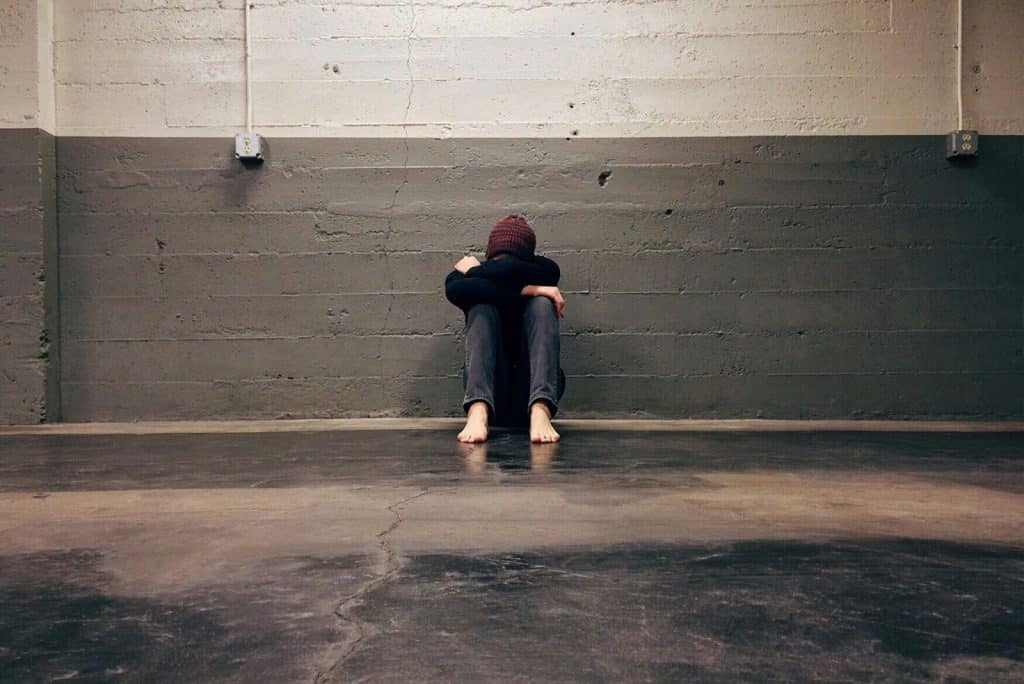
For many men, the shock of loneliness hits harder than expected. What once felt like routine companionship suddenly disappears, leaving silence. The absence of someone to share meals, thoughts, or daily victories creates a heavy void. Over time, loneliness becomes harder to manage than the conflict that once existed. This regret is often unspoken but deeply felt. Freedom can feel empty without connection.
Letting Pride Replace Vulnerability

Pride often keeps men from opening up emotionally during marriage. Holding back feelings may feel like strength at the time, but it creates distance. After divorce, many regret not being more vulnerable and honest. That lack of openness often means missed opportunities for healing or reconciliation. In hindsight, vulnerability could have been the bridge that kept the bond alive. Pride often costs more than it protects.
Allowing Bitterness to Shape the Split

Anger during divorce can feel justified, but it often leaves scars. Men who let bitterness dictate their words or actions later regret the damage caused. Hostility makes co-parenting harder, friendships strained, and healing delayed. What feels like winning a battle often means losing peace in the long run. Regret sets in when the anger fades but consequences remain. Bitterness rarely serves anyone well.
Missing the Comfort of Shared Daily Life

It’s easy to underestimate how meaningful small routines are. From shared dinners to morning chats, these habits provide comfort and stability. After divorce, many men realize how much those everyday moments anchored them. Life feels emptier without them, even if the marriage had struggles. This regret highlights that intimacy often lives in the ordinary. Losing those rituals leaves a deep sense of absence.
Not Fighting Harder for More Time With Children

One of the most profound regrets men express is limited time with their children. Custody arrangements often feel unbalanced, leaving fathers wishing they had fought harder. Over time, the distance affects the bond with their kids. Missed milestones and memories become painful reminders. Many men look back wishing they had prioritized presence over compromise. Regret lingers when family moments are lost forever.
Losing Family Traditions and Rituals

Holidays, vacations, and family rituals often vanish after divorce. What once felt routine, like decorating a tree or Sunday dinners, becomes fractured. Men often regret losing the sense of continuity these traditions provided. Without them, family life feels less grounded. Over time, the absence of these rituals creates emptiness. Tradition is often valued most once it’s gone.
Taking Her Presence for Granted

Daily companionship is often overlooked until it’s lost. Men may not realize how much comfort comes from simply having someone nearby. After divorce, the absence becomes stark and painful. Regret builds as they reflect on how much was taken for granted. Her presence may not have been perfect, but it provided stability. Realizing its value often comes too late.
Letting Little Problems Pile Up

Minor frustrations can feel insignificant in the moment. But when ignored, they compound into major conflicts. After divorce, many men regret not addressing issues earlier. Small problems could have been solved with conversation, but silence allowed them to grow. Over time, the weight of unspoken concerns becomes overwhelming. Regret often comes from realizing how preventable the outcome was.
Underestimating the Financial Strain
Divorce often costs more than men anticipate. Supporting two households stretches income thin. Expenses like alimony, child support, or legal fees add pressure. Over time, the financial reality creates regret about choices made during the split. Many wish they had planned better or sought compromise sooner. The financial burden is one of the harshest wake-up calls after divorce.
Not Protecting Friendships During the Split
Divorce often reshapes social circles. Friends may take sides or distance themselves from the conflict. Men later regret not nurturing these relationships during the transition. Losing mutual friends adds another layer of loneliness. Over time, rebuilding a support system feels harder. Protecting friendships could have softened the blow, but neglect left them to fade.
Ignoring Self-Care During Marriage

Many men reflect on how they neglected health and well-being while trying to manage marriage stress. Poor diet, lack of exercise, or ignoring mental health takes a toll. After divorce, regret surfaces when energy and resilience are low. They realize caring for themselves could have strengthened both the marriage and the recovery. Neglecting self-care feels like a double loss, then and now.
Losing a Shared Home’s Stability
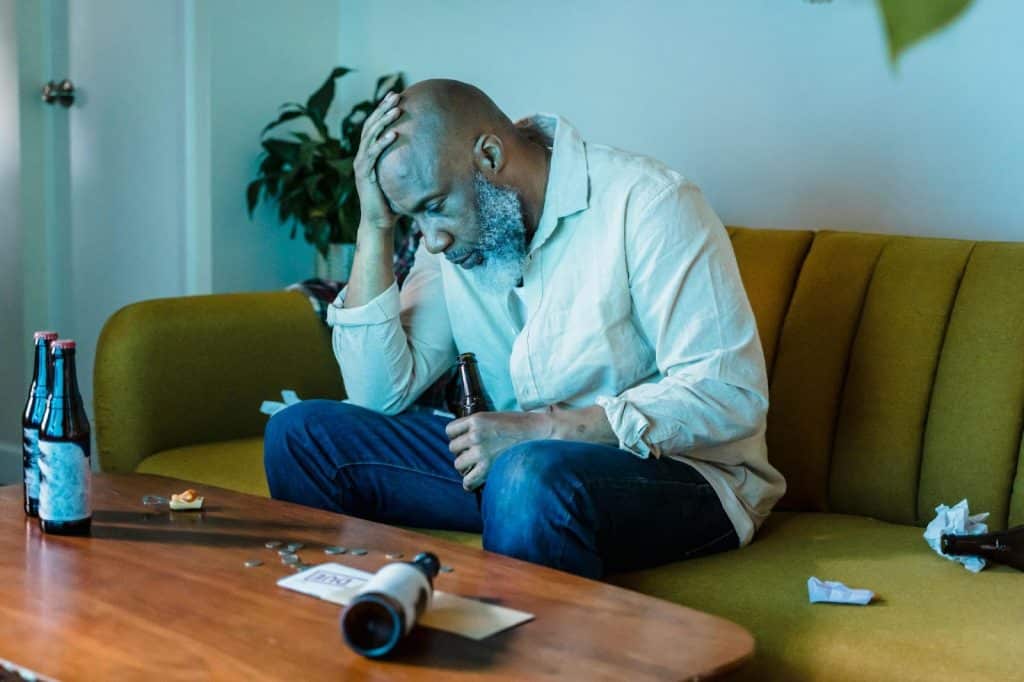
Homes carry memories, comfort, and a sense of belonging. Men often underestimate how painful it will be to leave that behind. Moving out or selling the family home creates lasting regret. The loss isn’t just about walls, it’s about identity and security. Over time, the absence of that stability weighs heavily. A house may be replaceable, but a home often is not.
Neglecting Extended Family Bonds

Marriage connects people to extended families, parents-in-law, siblings, cousins. After divorce, many of these bonds dissolve. Men often regret losing those connections, especially if they were close. Holidays and gatherings feel emptier without them. Over time, the loss extends beyond the marriage to an entire community. These relationships are often casualties men never expected.
Failing to Co-Parent Smoothly

Conflict doesn’t always end with divorce, it often continues through co-parenting. Men who resist cooperation regret the damage it causes their children. Disputes over schedules, rules, or decisions leave lasting scars. Over time, they see how much easier it could have been with more cooperation. Regret sets in when kids carry the weight of parental conflict.
Letting Distance Replace Communication

Silence after divorce may feel easier than conversation. But avoiding communication prolongs conflict and prevents closure. Over time, unresolved issues build resentment. Men often regret not staying communicative and constructive, even after the marriage ended. Distance may feel safe but leads to regret. Communication remains key, even after separation.
Watching Children Take Sides

One of the hardest consequences of divorce is seeing children align with one parent. Men often regret how conflict pushed their kids into difficult positions. The pain of fractured relationships lingers for years. Over time, this regret overshadows even financial or personal struggles. Children should never have to choose sides, but divorce often forces them to. The regret is heavy and enduring.
Realizing Growth Came Too Late

Many men only recognize their need for personal growth after divorce. They see how communication, patience, or compromise could have changed things. Regret sets in because these lessons come too late to save the marriage. Growth is valuable, but timing matters. Over time, they wonder what might have been different had they matured sooner.
Not Appreciating the Power of Compromise

Stubbornness often feels justified in the moment. Yet after divorce, men regret not meeting their partners halfway. Compromise could have solved conflicts before they grew. Over time, the realization that small sacrifices might have saved the relationship becomes painful. Rigidity leaves scars, while compromise fosters connection. Regret lingers because the balance was missing.
Discovering Love Doesn’t Erase Effort

Many men assume love alone will sustain a marriage. After divorce, they realize effort is just as essential. Neglecting the daily work of partnership leads to regret. Over time, they see that love without action cannot survive. Relationships require consistent care, not just emotion. This truth becomes clear only when it’s too late.
Conclusion
Divorce leaves more than legal and financial consequences, it leaves lingering regrets. Men often find that what hurts most isn’t what happened during the divorce, but what they failed to do before it. From underestimating loneliness to neglecting communication, these regrets highlight the fragile but vital aspects of marriage. The lesson is clear: relationships demand attention, honesty, and effort every day. While divorce may close one chapter, its lessons can shape stronger choices in the future. Regret is heavy, but growth remains possible.








Ask Me Anything