
A wife rarely wakes up one day and decides her husband is no longer her first choice. More often, it happens slowly through disappointment, emotional distance, and repeated moments where she feels safer leaning elsewhere. This is not always about another person, and it is not always about divorce. It can look like indifference, constant criticism, or a quiet shift in who she prioritizes emotionally. When a husband stops feeling like the main partner, the relationship begins to run on habit instead of preference. The signs are often subtle at first, then painfully obvious later. These patterns matter because they signal where connection has already weakened.
She Stops Checking In With Him First

Good news, bad news, stress, and decisions no longer go to him first. She tells friends, family, or coworkers before she tells her husband. This signals a shift in emotional priority. It often happens when she expects low support or low interest from him. Over time, the marriage starts feeling like co-living, not partnership. Being “last to know” becomes normal. That is a strong sign he is no longer her first choice.
She Prefers Solving Problems Alone

Instead of asking for help, she handles everything herself. This is not always independence; it can be resignation. She may believe asking leads to disappointment, arguments, or delays. The more she self-manages, the less she sees him as a teammate. Eventually, she stops imagining “we,” and starts imagining “me.” This is how emotional separation begins while still living together. When she would rather struggle alone than rely on him, preference has shifted.
She Seeks Emotional Comfort From Others More Than From Him

When she is overwhelmed, she vents to someone else and feels calmer afterward. With him, she feels tense, misunderstood, or dismissed. This may show up as long phone calls with friends or deep talks with a sibling that she never has with her husband. Emotional comfort is a core “first choice” marker. If she consistently gets that comfort elsewhere, the bond weakens. She may still care, but she no longer reaches for him emotionally. That is a significant shift.
Her Tone Becomes More Polite Than Warm

She starts sounding like a coworker, not a partner. Conversations become logistical, efficient, and emotionally flat. Warmth is replaced by courtesy. This can happen when affection feels unsafe, unrewarded, or awkward. The relationship starts feeling transactional. Politeness can hide detachment. When warmth fades, preference often fades with it.
She Stops Including Him in Future Plans

Plans for travel, goals, life upgrades, and even small weekend ideas stop including him naturally. She talks about what she wants without assuming he is part of it. This can look like “I might do this” rather than “we should do this.” Future language reveals emotional commitment. When she mentally plans alone, she is emotionally positioning herself alone. It is a quiet form of separation. A husband who is not in the picture is not being chosen.
She Stops Asking for His Opinion

She no longer wants his input on decisions, even when they affect both of them. This often happens when his advice feels careless, dismissive, or unreliable. It can also happen if he has a habit of staying neutral to avoid responsibility. Either way, she stops seeing him as a valuable reference point. When a wife does not respect a husband’s judgment, she stops consulting it. That is a major sign he is not her first choice. Respect and preference are linked.
She Becomes Easily Irritated by Him

Small habits suddenly feel unbearable. His jokes feel annoying, his presence feels intrusive, and his comments feel tone-deaf. Irritation is not always hatred; it is often built-up disappointment. When emotional closeness is low, tolerance drops. She may react sharply even when the issue seems small. The intensity often comes from accumulated frustration. If she constantly feels bothered, she is not emotionally choosing him.
She Stops Fighting for Resolution

A wife who still cares usually argues because she wants change. A wife who is done often stops arguing because it feels pointless. She may say “whatever” or “it’s fine” and end the conversation. This is not peace; it is disengagement. The absence of conflict can signal the absence of investment. When she stops pushing for repair, she may have stopped believing repair is possible. That is a dangerous sign.
She Protects Her Time From Him

She fills her schedule with errands, hobbies, work, and social plans that do not include him. Alone time becomes a priority, not a balance. This can be healthy in moderation, but pattern matters. If she consistently chooses distance, she is managing emotional space. The marriage becomes something to fit in, not something to lean into. Time is where preference shows up. When she consistently protects time from him, she is not choosing him first.
She Seems More Alive Around Other People

Her energy changes around friends, colleagues, or family. She laughs more, talks more, and seems lighter. With him, she looks flat or guarded. This contrast can signal that the relationship environment feels heavy to her. People show where they feel safe and energised. If her best version shows up everywhere except at home, the marriage is not feeding her. That does not automatically mean she is wrong or he is wrong, but it is a clear sign of disconnection. Preference often follows energy.
She Stops Sharing Small Details of Her Day

She no longer tells him the small stories, thoughts, or random feelings that build intimacy. Conversations become limited to logistics. This is often because she expects disinterest, judgement, or distraction. Over time, she learns it is easier not to share. Intimacy is built through small, frequent sharing. When that disappears, emotional closeness shrinks. If he no longer gets access to her inner world, he is no longer first choice emotionally.
She Starts Using “I” More Than “We”

Language reveals mindset. She speaks like an individual rather than a team. This can show up in finances, parenting, plans, and identity. It often happens when she feels alone in the marriage already. “We” disappears when partnership feels unreliable. This shift is subtle but powerful. When “we” dies, first choice usually dies with it.
She Stops Responding to His Efforts the Way She Used To

Even when he tries, her reaction is muted or sceptical. She may say “okay” or act unimpressed. This does not always mean she is cruel; it can mean she has seen temporary effort too many times. When trust in consistency dies, appreciation becomes hard. She expects the effort to fade again. That expectation changes how she receives him. When a wife cannot emotionally trust effort, she stops choosing the man behind it.
She Keeps Her Guard Up Around Physical Intimacy

She avoids closeness, affectionate touch, or even casual warmth. This can look like flinching, stiffness, or constant reasons to avoid connection. It is often tied to emotional safety, resentment, or feeling unseen. Physical intimacy usually follows emotional closeness, not the other way around. When she stays guarded, she is signalling disconnection. She may still love him, but she does not feel chosen or safe enough to connect. Guarded intimacy is a serious sign.
She Treats His Needs Like Inconveniences

Requests for time, attention, or affection get met with annoyance. She may respond as if he is asking for too much, even when the request is reasonable. This often happens when she feels overburdened or emotionally depleted. Instead of seeing his needs as part of partnership, she sees them as more work. That shift is not about one moment; it is about emotional capacity and respect. When his needs feel like nuisances, he is not first choice.
She Stops Defending Him to Others
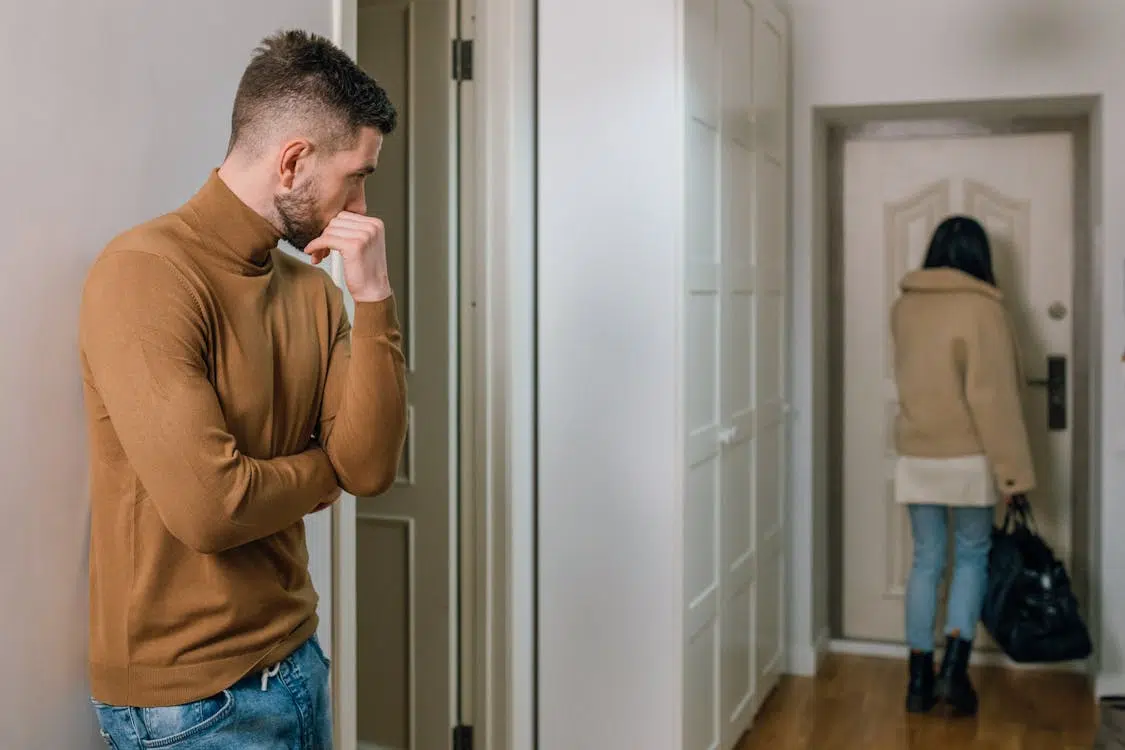
When family or friends criticise him, she stays silent or agrees. She no longer protects his dignity socially. This can happen when she has lost respect or feels embarrassed. A wife who still chooses her husband usually has his back publicly, even if she confronts him privately. When loyalty disappears in public, the bond is weakening. Social protection is a sign of commitment. Silence in those moments is loud.
She Starts Building a Life That Does Not Need Him

She becomes more independent in ways that feel emotionally separating. She may upgrade her routines, finances, friendships, and identity without including him. Independence is healthy, but the motive matters. If it feels like preparing for a life without him, it is not just growth. It is emotional exit planning. She stops relying on him for anything meaningful. When she can imagine life without him easily, preference has shifted.
She Shows More Respect for Other Men’s Opinions

This does not always mean attraction, but it often means comparison. She values another man’s judgment more than her husband’s. She may quote coworkers, friends, or online voices as more credible. This usually happens when the husband’s credibility has been damaged by inconsistency or dismissiveness. Respect is a major pillar of first choice energy. When another man’s opinion carries more weight than her husband’s, the dynamic has changed. That shift is hard to ignore.
She Stops Feeling Proud to Be With Him

Pride is a quiet form of love. When she stops feeling proud, she may also stop feeling chosen, protected, or valued. She may avoid posting about him, avoid bringing him around, or avoid talking about the relationship. Shame or indifference replaces admiration. This often grows from repeated disappointment, not one flaw. A wife who no longer feels proud often feels emotionally disconnected. When pride dies, first choice usually dies too.
The Real Warning Sign Is the Pattern, Not the Moment

One sign alone can be a bad week. Multiple signs over time usually mean the marriage is losing its priority status in her heart. A wife stops choosing her husband first when trust, respect, and emotional safety erode. This does not always mean the relationship is doomed, but it does mean the current pattern is dangerous. Repair usually requires consistent follow-through, emotional presence, and real accountability, not a single grand gesture. When a husband becomes reliable again, preference can return. But when patterns stay the same, distance becomes the new normal.








Ask Me Anything