
Remember when we swore we’d never become that guy? The one whose kids smirk when he says “funky” or whose younger colleagues snicker when he pulls out a DVD. Generational blind spots creep up on all of us, especially when we’re focused on building a career, a business, and a life. If you’re not careful, the little things you do can send the signal that you’re stuck in the past. Let’s have a candid look at the everyday habits that give you away and consider which ones you want to keep and which ones you might retire. Who knows! You might even laugh at yourself a bit along the way.
Outdated Coffee Orders

If your go‑to caffeine fix is the same cappuccino you fell in love with in 1997, Gen Z might already have you pegged. Coffee culture evolves faster than you can say “oat latte,” and while there’s nothing wrong with sticking to what you like, the younger crowd sees that loyalty as a refusal to explore. Trying a new brew, even just once, signals that you’re curious about the present. Are you ordering the same thing because it truly hits the spot, or because you haven’t looked up from your grind long enough to see the menu has changed?
Watching TV for Weather Updates
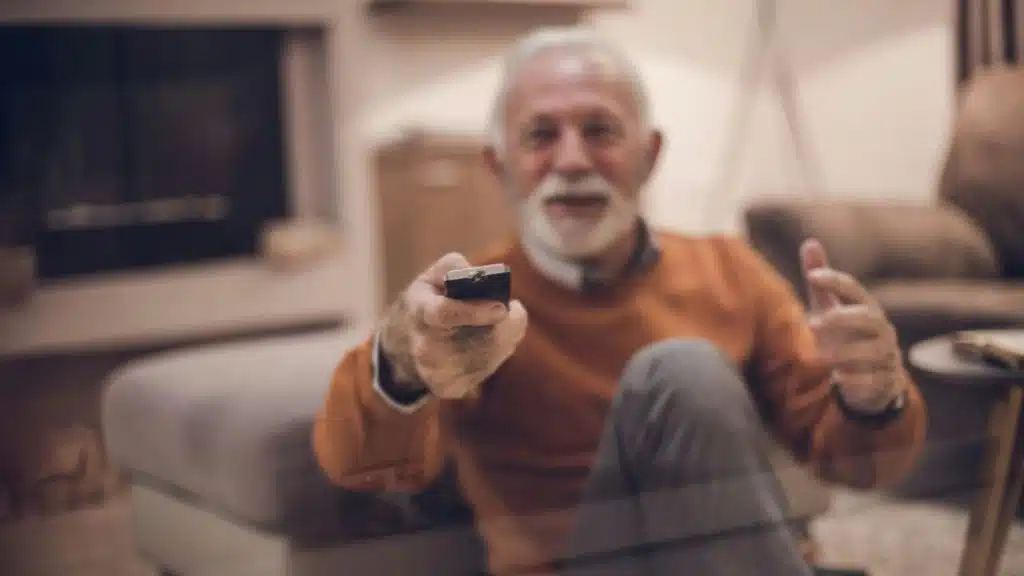
You wake up, flip on the news, and wait through sports scores and traffic just to catch the weather report. Meanwhile, your assistant checked her phone and already knows it’ll rain by noon. Clinging to old routines isn’t a crime, but Gen Z reads this as a sign that you’re unwilling to adapt. Dozens of apps give hyper‑local forecasts in seconds. Ask yourself: is this habit about comfort, or have you resisted new tools because they feel unnecessary?
Hoarding Physical Media

That shelf of DVDs you’re proud of? To a twenty‑five‑year‑old, it looks like a shrine to obsolescence. You might argue for the nostalgic value, but younger people see physical media as clutter and environmental waste. It’s not about throwing away your collections; it’s about understanding why streaming won the day. Consider digitising the classics you can’t live without and gifting the rest to someone who’ll appreciate them. When was the last time you actually used that box set anyway?
Clinging to Retro Hairstyles

Still showing the barber a photo from a ‘90s sitcom? Gen Z notices when someone’s look hasn’t evolved since dial‑up Internet. Holding on to a haircut because it once worked can signal to others that you’re reluctant to change more broadly. Updating your style doesn’t mean chasing trends; it means being aware of the present and choosing consciously. When was the last time you asked yourself if your hair still matches your lifestyle and the person you’ve become?
Using Outdated Slang

If “groovy,” “funky,” or “hip” pop into your vocabulary unironically, prepare for eye rolls. Language shifts quickly, and certain expressions age like milk. That doesn’t mean you should start forcing TikTok catchphrases into your boardroom presentations, but dropping stale slang shows you respect contemporary culture. Think of it as decluttering your speech: you’d replace a fax machine, so why cling to words that have lost their bite?
Writing Checks & Sending Snail Mail

Sending a birthday check might feel generous, but Gen Z wonders why you haven’t used an app yet. Paper checks take days to clear and can even feel inconvenient to cash. The same goes for mailing photos instead of texting them. Digital payments and transfers are efficient, secure, and immediate, freeing you and the recipient from unnecessary errands. Clinging to paper is less about practicality and more about familiarity. Are you ready to let go?
Sneakers and Comfort Over Style

Calling athletic shoes “sneakers” isn’t a crime, but combined with insisting on “comfortable” shoes for every occasion, it paints a picture. Younger professionals are opting for stylish options that don’t kill their feet and see the classic chunky dad shoe as a punchline. Balancing function and fashion can boost your confidence without betraying your values. The next time you buy shoes, ask if they communicate the image you want to project or if they just feel safe.
Groaning When You Move

Every dad‑groan as you sit down or get up might be a badge of honor, but Gen Z interprets it as a reminder of age. These noises become background music to our daily routines, but they also tell a story about how well we’re taking care of ourselves. Strength training, stretching, and general movement aren’t just for gym rats; they’re investments in mobility that pay dividends. How often do you consciously check in with your body rather than just grunt and bear it?
Overplanning Trips and Turning Down Music to Park

Plotting a backup route on a road trip felt wise in the era of paper maps. Now, with GPS recalculating on the fly, it seems anxious. The same goes for turning down the radio to focus on parking. Gen Z jokes that if the music affects your steering, you might need more practice. Trusting technology to handle minor tasks frees up mental energy for bigger decisions. Are you holding on to control because it’s necessary, or because surrendering feels unfamiliar?
Domestic Obsessions

Obsessing over trash day, recycling schedules, or the perfect parking spot can read as fussy to younger eyes. Being organised is admirable, but when routine chores become conversation centrepieces, it suggests a life cramped by minutiae. Gen Z values efficiency and sees these rituals as distractions from more meaningful pursuits. Could delegating or automating these tasks lighten your mental load, or do you secretly enjoy the drama of bin day?
Tech Troubles

If your TV remote might as well be a Rubik’s Cube, it’s time to rethink your relationship with gadgets. When you rely on others to set up streaming accounts, fix Wi‑Fi, or show you how to use the latest productivity app, you telegraph dependence. You don’t need to become a tech wizard, but basic tech literacy is like knowing how to read in a digital age. Take a tutorial, watch a how‑to video, or ask questions without apologising. Isn’t staying current worth the effort?
Social Media Reluctance & Misuse

Facebook is comfortable, but Gen Z sees it as the internet’s retirement home. Never posting videos, misusing hashtags, or admitting you don’t know what a YouTuber is tells younger people you’ve opted out of modern communication. You don’t have to lip‑sync on TikTok, but being open to platforms where conversations are happening keeps you relevant. Pick one app and commit to understanding it; you might even find value beyond memes and dances.
Stuck in Past Entertainment

Swearing by classic rock stations and ignoring podcasts or streaming is like reading only newspapers and skipping books. Entertainment has expanded, with curated playlists, audiobooks, and niche shows available on demand. Being aware of new content doesn’t mean abandoning what you love; it means recognising how people discover and discuss culture today. Isn’t it time to explore a podcast on one of your hobbies or try a playlist outside your comfort zone?
Sticking with Gas Grills

Love the smell of charcoal? Gen Z is experimenting with pellet grills, air fryers, and plant‑based barbecues. Refusing to try new cooking methods can suggest rigidity. Branching out isn’t about abandoning tradition; it’s about learning a new skill and showing you can adapt. Next time you host a cookout, add a twist and try smoking vegetables or using a smart thermometer. Who knows, you might surprise yourself.
Old School Dining Habits

Ordering your steak well done and salting food before tasting might have been normal when you learned to cook, but culinary norms have shifted. Chefs now emphasise the natural flavor of ingredients and proper cooking temperatures. Gen Z reads heavy seasoning and overcooking as a lack of awareness rather than preference. Consider experimenting with medium‑rare or waiting to season after your first bite; your taste buds might thank you.
Overusing Outdated Emojis
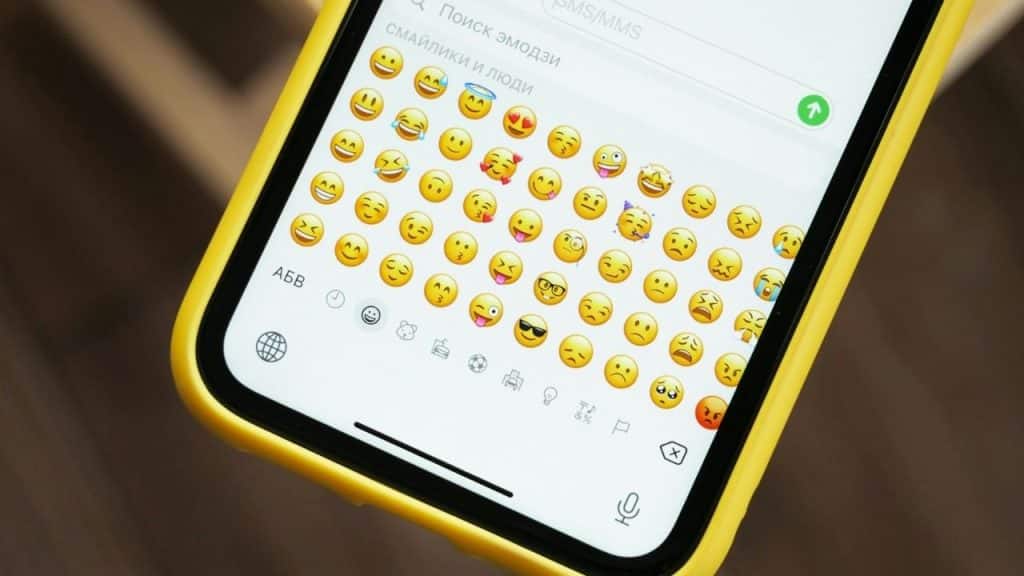
The thumbs‑up emoji feels like a polite “got it” to you. To many young people, it comes across as passive-aggressive or dismissive. Likewise, hearts, OK hands, and poop emojis can signal that you’re out of step with modern nuance. Emojis are about context and tone; using a fist bump, smiley, or even nothing can speak volumes. When in doubt, keep it simple and let your words carry the message instead of a digital relic.
Formal Texting & Signing Off

Do your texts read like formal emails, complete with periods, proper grammar, and even your name at the end? Gen Z sees this as stiff at best and angry at worst. The dreaded “boomers’ ellipses” make messages feel ominous. Dropping some punctuation in casual chats doesn’t mean abandoning your education; it means matching the medium. Shorter sentences and a lighter tone can prevent misunderstandings and show you understand conversational texting.
Preferring Voice Calls & Voicemails

“Call me when you get this,” used to be efficient. Now, phone calls are often intrusive unless scheduled. Voicemails feel like a chore to retrieve when a text could convey the same information. Younger professionals appreciate brevity and the ability to respond on their own time. Before picking up the phone, ask yourself whether a clear text or voice memo would be more respectful of their attention.
Ignoring Pop Culture & Influencers

If you can’t name a single current YouTube creator or have never heard of a viral Netflix show, you’re signalling that you’re not plugged into the cultural conversation. You don’t have to become a fan of reality TV, but being aware of what others are watching and talking about helps you relate. Curiosity is a bridge; ask your kids or colleagues what they’re into and why. You might discover a new passion or at least gain a reference point for your next meeting.








Ask Me Anything