
Being in a long-term relationship should feel like building a partnership, not living with a friendly roommate. Yet, so many men hit a point where they realize their role has shifted from husband-to-be to “just another roommate.” It’s not always about big betrayals or fights–sometimes it’s the small, subtle habits and patterns that make you feel invisible, undervalued, or disconnected.
If you’ve ever felt like your presence is more functional than romantic, these moments will hit home. Each scenario below shows how easily intimacy can be lost–and how to recognize the warning signs before it’s too late.
She Expects You to Handle All Chores Automatically
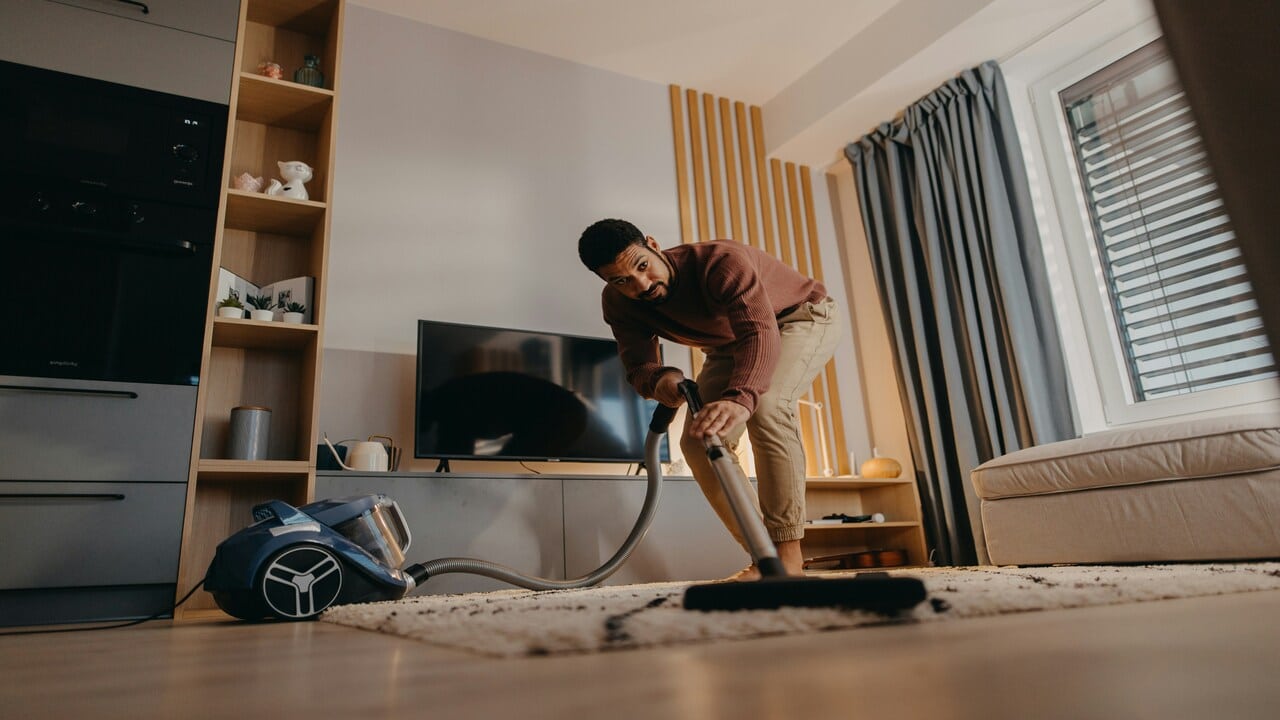
When you notice you’re constantly picking up after her without a word, it’s a red flag. Marriage isn’t supposed to be a one-sided housework contract. Real partners share responsibility willingly, but when you become the default cleaner, it signals a lack of equality. Practical fix: Set boundaries early. Discuss chores openly and make it a joint effort rather than silently taking on everything.
She Prioritizes Friends and Family Over You Constantly

It’s normal to spend time with friends or family, but when you consistently feel like you’re second to everyone else, the dynamic shifts. If every decision seems to revolve around her social circle or relatives, you’re no longer a partner–you’re just a background character. Practical tip: Express how you feel and insist on quality couple time. A healthy relationship balances personal connections with shared priorities.
Romantic Gestures Fade Completely

Early in relationships, small gestures–like surprise texts or thoughtful dinners–signal care and attention. But when those gestures disappear entirely, and the only interaction is logistical, you’re slipping into roommate mode. Keep romance alive by initiating it yourself if it’s gone missing, and gently encourage your partner to engage. Relationships need effort from both sides.
She Treats Your Space as Her Own

If your side of the closet, your chair, or even your hobbies are constantly overridden or ignored, it’s a subtle sign you’re a guest in your own life. Healthy partnerships respect boundaries and personal space. Actionable advice: Communicate your need for autonomy and shared respect. Setting clear personal zones is crucial for maintaining individuality in a committed relationship.
Communication Feels Like a Transaction

When conversations are strictly about schedules, bills, or errands, it’s a sign emotional intimacy is missing. You’re not connecting–you’re coordinating. To change this, schedule time to talk openly about dreams, frustrations, and hopes. Emotional dialogue is the glue that keeps you from sliding into “roommate” territory.
She Rarely Shows Appreciation
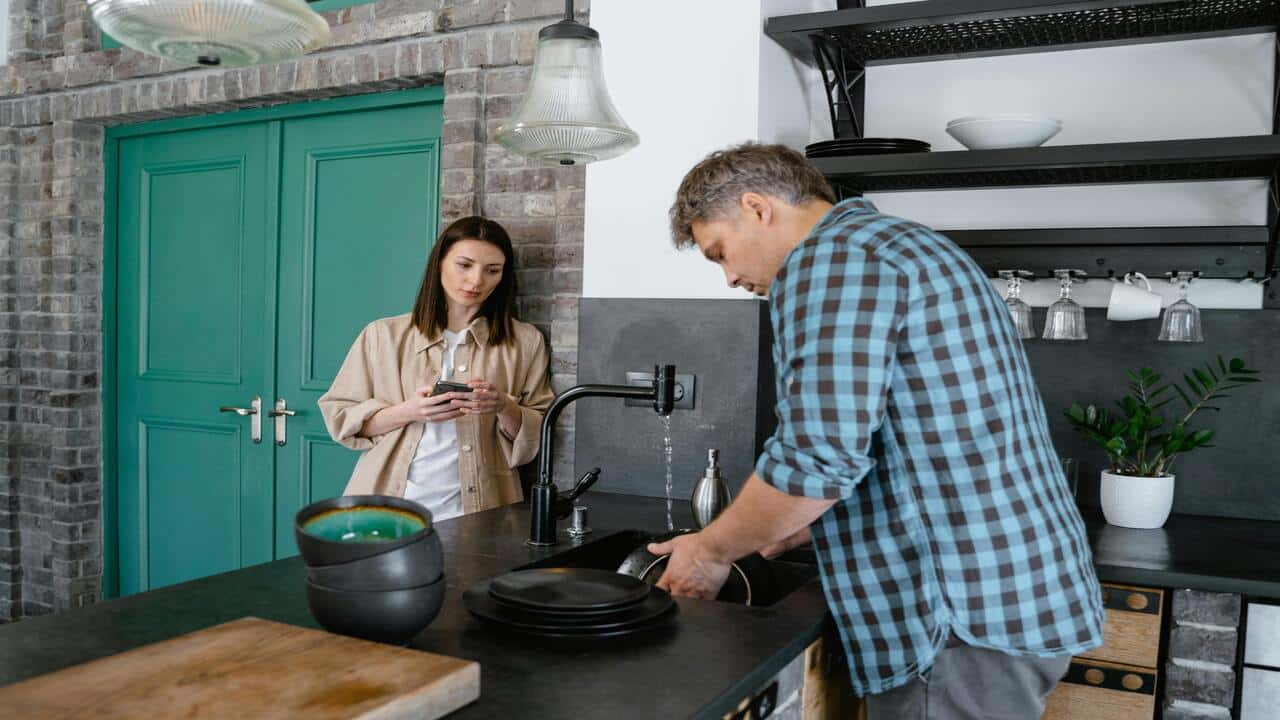
Everyone likes to feel seen. If your contributions–big or small–are routinely ignored, it chips away at your sense of value in the relationship. Practical fix: Don’t silently resent it; express your need for recognition. Even small acknowledgments from a partner can transform a functional relationship into a mutually fulfilling one.
Physical Intimacy Declines Sharply

A lack of physical affection–hugging, kissing, cuddling–signals a shift from romantic partnership to roommate-style coexistence. Physical closeness isn’t about pressure; it’s about maintaining connection. If intimacy has dropped, gently discuss your needs and explore ways to reignite affection without guilt or blame.
She Makes Major Decisions Without You

When big choices–finances, moving, vacations–are made unilaterally, you’re no longer a partner but a bystander. Marriage thrives on collaboration. Practical step: Ask to be included in decision-making processes and establish that shared life choices require discussion. It’s about respect, not control.
Your Opinions Are Dismissed or Ignored

If you feel your input doesn’t matter, it erodes your role as an equal partner. Being brushed aside consistently is exhausting and signals roommate dynamics. Solution: Assert your voice calmly but firmly and expect it to be considered. Equality isn’t optional–it’s essential.
She Assumes You’ll Always Be Available

A true partner respects your time and boundaries. If she expects you to drop everything for her whims without question, it’s not love–it’s convenience. Set clear expectations for personal time and make space for your own life outside the relationship.
Emotional Labor Falls Solely on You

Handling every emotional nuance, planning social events, and remembering birthdays alone is draining. Marriage isn’t a free counseling session for one person. Practical advice: Share the load of emotional labor and delegate responsibilities. Healthy relationships thrive on mutual support.
You Feel More Like a Parent Than a Partner

When you’re constantly reminding, nagging, or managing responsibilities that should be shared, you’re parenting your partner instead of partnering with them. Actionable fix: Set boundaries and make clear that you are equals–not a caretaker for someone who refuses to participate responsibly.
Her Priorities Shift Without Explanation

If her goals, hobbies, or life focus change and you’re left on the sidelines, it creates a disconnect. Ask for transparency and ensure your lives grow together rather than apart. A partnership requires shared vision and alignment, not parallel but separate lives.
She Rarely Shares Her Thoughts or Feelings

When emotional sharing dries up, intimacy suffers. Feeling like a roommate is inevitable if one partner becomes a silent occupant. Encourage open dialogue and create a safe space for her to share, but also set the expectation that mutual vulnerability is necessary.
You’re Only Remembered for Practical Tasks
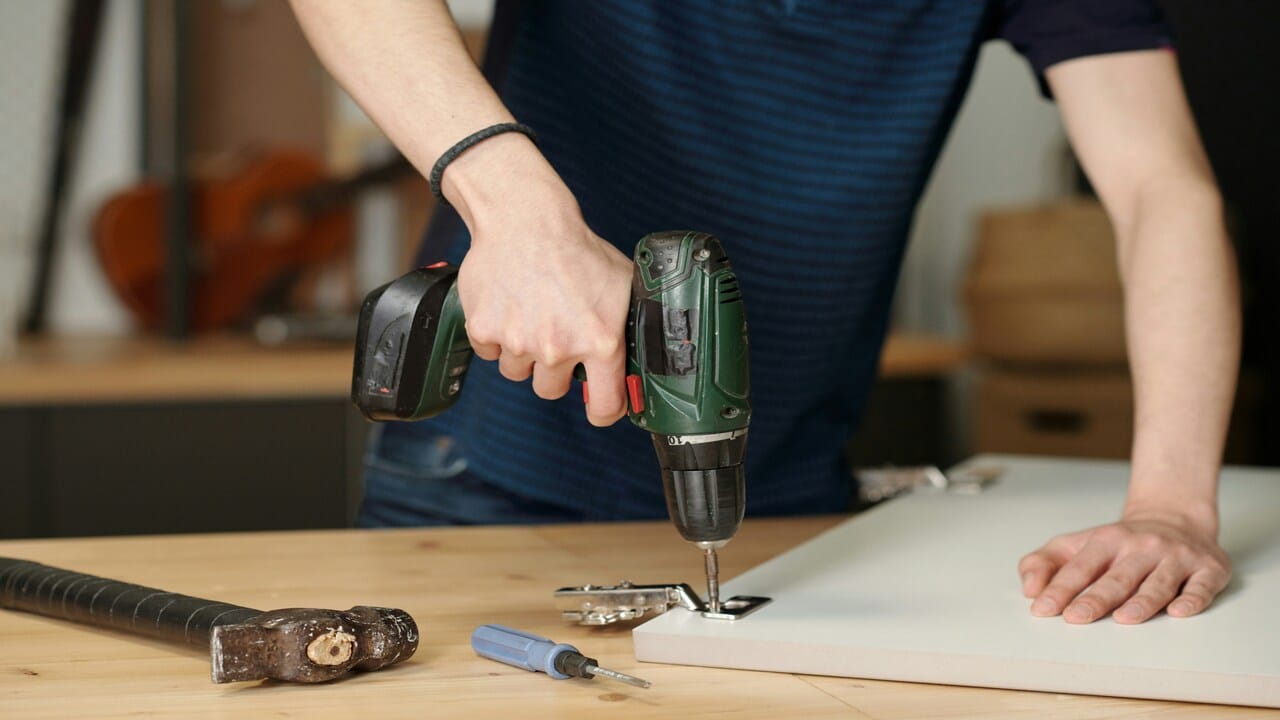
If your role is reduced to paying bills, fixing things, or driving errands, romance takes a backseat. To combat this, schedule fun, intentional activities together that reinforce partnership beyond logistics. Shared joy strengthens bonds more than shared responsibility alone.
Celebrations Lose Their Spark
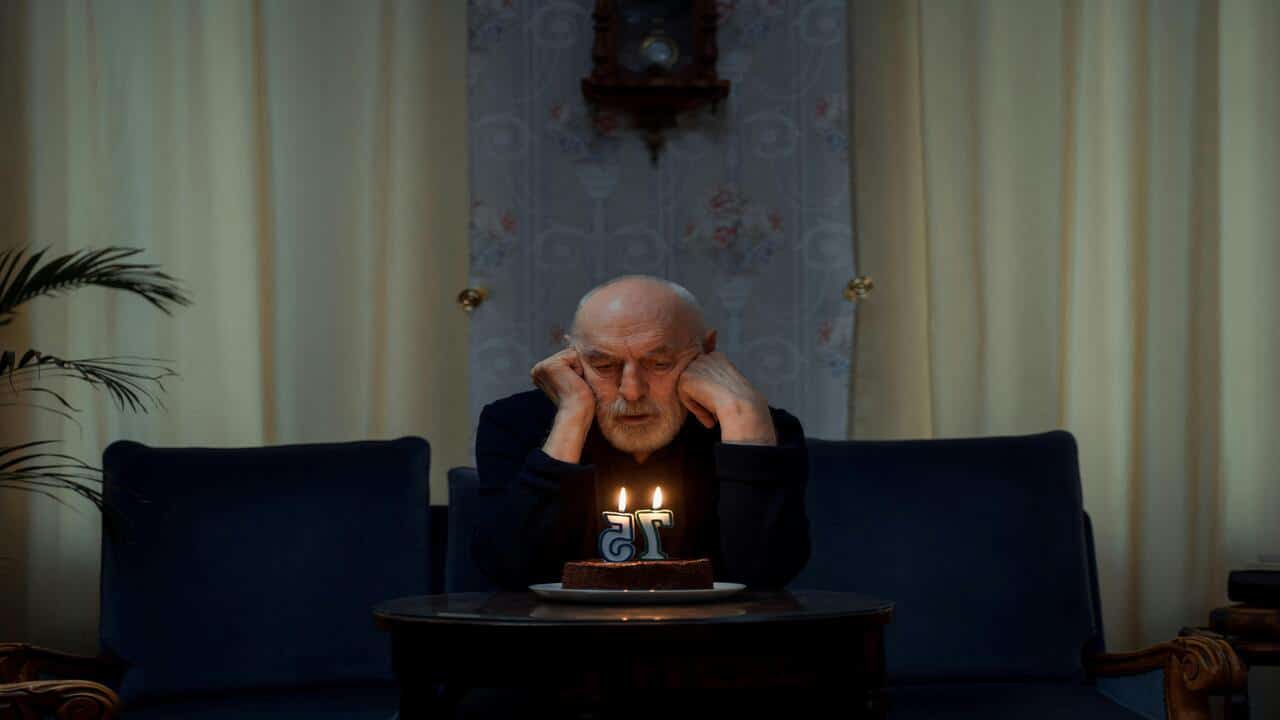
Birthdays, anniversaries, or milestones become purely functional events rather than meaningful celebrations. If she forgets or underwhelms, speak up. Planning small, thoughtful gestures for each other keeps relationships vibrant and reminds both partners they are valued.
You Feel Like You’re Negotiating Love

When affection, attention, or connection feels like something you have to earn constantly, that’s a clear warning. Love shouldn’t be transactional. Set boundaries and express your expectations; a true partnership is about mutual care, not constant compromise.
You Realize You’ve Lost Yourself in the Process

Perhaps the most subtle signal is the moment you feel more like a housemate than an individual with a partner. If your identity, goals, or passions have been sidelined, it’s time to reassess. Strong relationships encourage growth, not co-dependence. Reclaiming your life can revive both self-respect and the relationship.








Ask Me Anything