
There’s a quiet clarity that often arrives in your 50s. It’s not about giving up—it’s about refining. After decades of chasing goals, raising families, building careers, and surviving setbacks, you start to recognize what truly adds value to your life and what only drains it.
The pressure to perform eases. The need to prove softens. You become more selective with your time, your energy, and your emotional investment. Instead of expanding endlessly, you begin editing intentionally. And in that editing process, certain things simply stop mattering. Here are 18 of them—and what to focus on instead.
What Everyone Thinks About You

By your 50s, you’ve lived long enough to realize that most people are too preoccupied with their own insecurities to analyze yours. The exhausting habit of replaying conversations or adjusting your personality to fit every room starts to feel unnecessary. You become more comfortable expressing honest opinions, wearing what feels good, and declining invitations without elaborate excuses. The mental bandwidth you once gave to public perception gets redirected toward inner peace. Instead of asking, “How did I come across?” you start asking, “Was I authentic?” That shift alone can feel liberating.
Chasing Titles and Impressive Labels

Ambition doesn’t disappear in your 50s—but it becomes more personal. A prestigious job title or impressive résumé line no longer defines your self-worth the way it once might have. You begin prioritizing flexibility, meaningful contribution, and emotional well-being over status. The question changes from “How does this look?” to “Does this improve my quality of life?” You recognize that fulfillment often comes from impact and balance, not applause. And surprisingly, letting go of constant ladder-climbing can make your work more satisfying.
Keeping Up With Trends

Trends move fast, and by your 50s, you no longer feel obligated to chase them. Whether it’s fashion, technology, or cultural buzzwords, you adopt what genuinely serves you and ignore the rest. You develop a personal style and rhythm that feels consistent and confident. Instead of trying to appear current, you aim to feel comfortable and aligned. Curating your life becomes more important than updating it. That selective mindset reduces noise and creates a stronger sense of identity.
Winning Every Argument
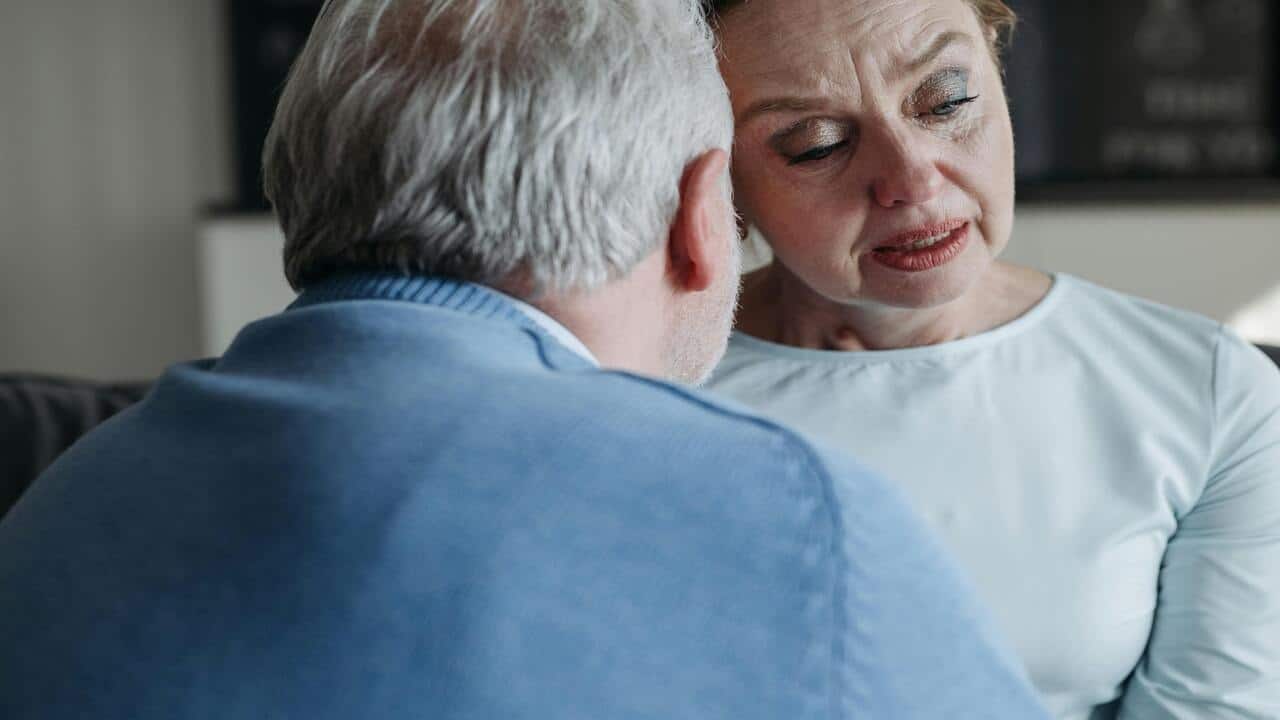
You begin to understand that being right and being at peace are often two different things. In your younger years, proving a point may have felt urgent; now, preserving relationships and emotional energy matters more. You learn to choose your battles carefully and let minor disagreements go. Sometimes you listen without correcting. Sometimes you say, “We see it differently,” and move on. The goal shifts from domination to understanding, and that maturity strengthens your connections.
Pleasing People Who Don’t Reciprocate

By your 50s, your tolerance for one-sided relationships shrinks considerably. You become more aware of who consistently takes and who genuinely gives. Maintaining appearances or fulfilling social obligations out of guilt starts to feel draining. Instead, you invest your time in people who show up, check in, and respect your boundaries. Your circle may grow smaller, but it becomes stronger. Protecting your energy becomes a form of self-respect.
Comparing Your Timeline to Others

Life experience teaches you that success, love, and fulfillment rarely unfold on a predictable schedule. The pressure to match someone else’s milestones fades as you witness how unpredictable life can be. You’ve likely seen people rise quickly and struggle later—and others bloom unexpectedly after setbacks. Instead of measuring yourself against peers, you begin evaluating whether your life aligns with your values. Personal alignment replaces competition. That perspective brings a calmer, steadier confidence.
Accumulating More Stuff

Material accumulation loses its shine when you realize every possession requires maintenance, storage, and attention. In your 50s, many people begin simplifying—not for aesthetic reasons, but for relief. Decluttering becomes therapeutic, a way to create mental and physical space. You prioritize quality over quantity and experiences over objects. The desire to own more is replaced by the desire to manage less. And with fewer distractions, life feels lighter.
Being Available 24/7

Constant accessibility begins to feel unsustainable, and you recognize the importance of boundaries. You no longer feel compelled to answer every message immediately or accept every request. Protecting your time becomes a priority rather than an afterthought. You carve out moments for rest, hobbies, and uninterrupted focus. This doesn’t make you less dependable—it makes you healthier. People adjust to your boundaries, and you gain back precious energy.
Looking Perfect

Appearance still matters, but perfection no longer dominates your thoughts. Wrinkles, gray hair, and scars become symbols of experience rather than flaws to hide. You shift your focus from chasing youth to maintaining health and vitality. Strength, mobility, and good sleep start to feel more important than cosmetic standards. Caring for your body becomes an act of longevity rather than vanity. That shift often leads to deeper, more sustainable confidence.
Impressing Strangers

The older you get, the less you care about performing for an invisible audience. Your home doesn’t need to look magazine-ready, and your vacations don’t need to be curated for social media approval. You value authenticity over optics. Instead of trying to signal success, you define it privately. The opinions of strangers fade in importance compared to the satisfaction of your inner circle. Living quietly becomes far more fulfilling than living impressively.
Holding Onto Old Grudges

Carrying resentment for decades becomes exhausting. In your 50s, you feel the emotional weight more clearly and begin questioning whether it serves you. Letting go doesn’t mean excusing hurtful behavior; it means releasing its grip on your present. You recognize that bitterness drains more energy than forgiveness. Processing, setting boundaries, and moving forward feel healthier than replaying old wounds. Peace becomes more valuable than vindication.
Being the “Strong One” All the Time

Many people reach their 50s after years of being the dependable, responsible anchor for others. But you start to understand that real strength includes vulnerability. Admitting fatigue or asking for help doesn’t diminish your resilience—it humanizes it. You allow yourself to express uncertainty or sadness without guilt. That openness often deepens relationships instead of weakening them. Strength evolves from silent endurance to honest connection.
Fitting Into Every Social Circle

You no longer need universal acceptance. Instead of trying to adapt to every group, you gravitate toward spaces where you feel natural and respected. Superficial networking loses its appeal, while genuine conversations gain value. You prioritize depth over breadth in your social life. The freedom to say, “This isn’t for me,” without explanation feels empowering. Belonging becomes about authenticity rather than approval.
Avoiding Hard Conversations

With age comes the realization that postponing difficult discussions only magnifies future problems. Whether it’s estate planning, health concerns, or relationship tensions, you become more willing to address uncomfortable topics directly. You’ve learned that clarity prevents confusion and resentment. Instead of fearing temporary discomfort, you value long-term resolution. Honest communication becomes an investment in stability and trust.
Fear of Starting Over

By your 50s, you’ve already reinvented yourself multiple times, even if you didn’t label it that way. Career changes, relocations, personal growth—all required courage. You realize it’s never truly “too late” to pursue something meaningful. Instead of seeing change as reckless, you view it as deliberate evolution. The fear of starting over softens because you trust your experience. Reinvention becomes less dramatic and more strategic.
Trying to Control Everything

Life has likely humbled you enough to understand that control is often an illusion. Plans shift, people change, and circumstances evolve regardless of preparation. Instead of gripping tightly, you begin focusing on what you can influence—your habits, responses, and mindset. Letting go of constant control reduces anxiety. Flexibility becomes a strength rather than a weakness. You conserve energy by accepting uncertainty as part of life.
Proving Your Worth

After decades of work, relationships, and resilience, you no longer need constant validation. Your experiences have already confirmed your capability and value. The urge to overextend yourself just to gain approval diminishes. You become selective about where you invest effort. Rather than asking if you’re enough, you assess whether situations meet your standards. That subtle internal shift fosters grounded confidence.
Waiting for Permission to Enjoy Your Life

Perhaps the most powerful change in your 50s is the refusal to postpone joy. You stop waiting for retirement, validation, or perfect circumstances before doing what excites you. Small pleasures—travel, hobbies, quiet mornings—become priorities rather than luxuries. You recognize that time is finite and unpredictable. Living fully now feels wiser than planning endlessly for later. And that awareness brings a renewed sense of urgency to savor the present.








Ask Me Anything