
Security in a relationship isn’t about never fighting, constantly agreeing, or posting curated date nights on social media. It’s about emotional steadiness. It’s about knowing that even when things feel tense, you’re still on the same team. Secure couples aren’t perfect; they’re intentional. They’ve learned how to regulate themselves, communicate clearly, and build trust through consistent behavior over time.
If you’ve ever wondered why some couples seem calm, connected, and deeply in sync—even under stress—these are the habits working quietly in the background.
They Don’t Panic During Conflict

Secure couples don’t treat every disagreement like a breakup rehearsal. When tension rises, they resist the urge to catastrophize or threaten the relationship. Instead of “Maybe we’re just not compatible,” they focus on solving the specific issue at hand. They understand that conflict is information, not danger. Practically, this means taking a pause when emotions spike, lowering their tone, and saying things like, “Let’s figure this out,” rather than “This always happens.” That steady response builds long-term trust because both partners know the relationship isn’t hanging by a thread every time they argue.
They Assume Good Intent First

Instead of jumping to worst-case interpretations, secure couples give each other the benefit of the doubt. If a text goes unanswered or a plan falls through, they don’t immediately assume disrespect or rejection. They ask questions before making accusations. This mindset prevents unnecessary resentment from piling up. A simple shift like saying, “Hey, I noticed you seemed distant earlier—everything okay?” instead of “Why are you ignoring me?” changes the entire tone of a conversation. Over time, this habit creates emotional safety because both partners feel seen, not scrutinized.
They Speak Directly Instead of Hinting

Secure partners don’t expect mind-reading. They ask for what they need clearly and calmly. Instead of dropping passive-aggressive comments or hoping their partner “just knows,” they communicate desires in plain language. That might sound like, “I’d love more quality time this week,” rather than sulking about feeling neglected. Directness removes confusion and reduces resentment. It also models maturity—because clarity is kindness. When both people feel free to express needs without fear of ridicule or rejection, connection deepens naturally.
They Repair Quickly After Arguments

Every couple argues. Secure couples just don’t let arguments linger longer than necessary. They’re willing to circle back and say, “I didn’t handle that well,” or “I see your point now.” Repair attempts—like humor, a gentle touch, or a sincere apology—happen sooner rather than later. They don’t let pride stretch a disagreement into days of emotional distance. Practically, this means setting a rule: no going to bed in silent hostility without at least acknowledging you’re still committed to working through it. Small repairs prevent big cracks.
They Maintain Individual Lives

Security isn’t clinginess. Secure couples encourage friendships, hobbies, and personal growth outside the relationship. They don’t interpret independence as rejection. In fact, they understand that two whole people make a stronger partnership than two people fused at the hip. Practically, this might mean supporting solo trips, separate gym schedules, or time with friends without guilt-tripping. When both partners feel free to grow individually, they return to the relationship refreshed instead of resentful.
They Validate Before They Fix

When one partner shares a problem, secure couples don’t immediately jump into solution mode. They pause to validate feelings first. Saying, “That sounds really frustrating,” goes a long way before offering advice. This prevents the other person from feeling dismissed or misunderstood. Many conflicts escalate not because of the issue itself, but because someone feels unheard. Secure couples understand that emotional acknowledgment often matters more than immediate answers. Validation builds intimacy; fixing can wait.
They Talk About Hard Things Early

Avoidance is the enemy of security. Secure couples address uncomfortable topics—money, boundaries, future plans—before they explode into crises. They don’t sweep concerns under the rug just to keep the peace. Instead, they schedule intentional conversations when emotions are calm. This proactive communication prevents misunderstandings from festering. It also signals maturity: we can handle tough conversations without threatening the relationship. The earlier hard topics are discussed, the less power they hold.
They Take Responsibility for Their Triggers

Secure individuals don’t blame their partner for every emotional reaction. They recognize when a past wound or personal insecurity is being activated. Instead of saying, “You make me feel abandoned,” they might say, “When this happens, it brings up an old fear for me.” That distinction is powerful. It shifts the conversation from accusation to collaboration. Practically, this means reflecting before reacting and owning your emotional patterns. Accountability reduces defensiveness and increases teamwork.
They Express Appreciation Regularly

Secure couples don’t assume love is understood; they articulate it. They thank each other for small efforts, compliment character traits, and acknowledge everyday contributions. Over time, appreciation acts like emotional savings in a bank account. When conflict happens, there’s already goodwill stored up. A habit as simple as naming one thing you appreciated that day can shift the emotional climate of a relationship. Gratitude strengthens bonds because it keeps partners from feeling taken for granted.
They Respect Each Other’s Boundaries

Security means understanding that love doesn’t erase personal limits. Secure couples listen when a boundary is expressed and don’t mock or minimize it. Whether it’s needing alone time, privacy with a phone, or space after work, they treat boundaries as information—not rejection. Practically, this involves asking clarifying questions instead of reacting defensively. Respecting boundaries reinforces trust because it shows you care about your partner’s emotional comfort as much as your own.
They Don’t Keep Score

In insecure dynamics, partners track who did more, who apologized last, or who sacrificed more. Secure couples focus on generosity instead of tallying points. They understand that long-term balance matters more than daily equality. This doesn’t mean ignoring chronic imbalance—but it does mean not weaponizing past efforts during every disagreement. When both partners operate from abundance instead of scarcity, resentment has less room to grow.
They Make Future Plans Together

Security thrives on shared vision. Secure couples talk about where they’re headed—next month, next year, even five years from now. They include each other in decisions that affect the relationship’s trajectory. Even small things like planning trips or discussing career moves signal commitment. This habit builds reassurance because both partners feel considered in the bigger picture. A shared future, even loosely defined, creates emotional stability.
They Apologize Without Deflecting
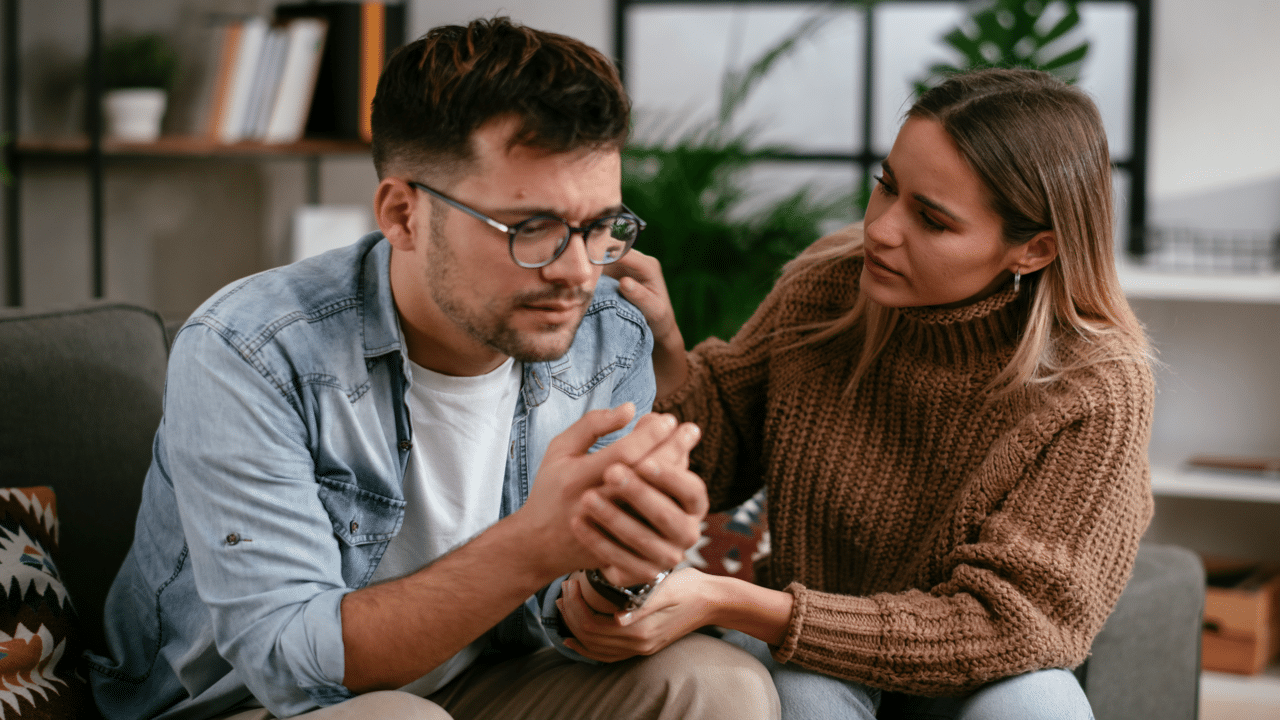
A real apology doesn’t include “but.” Secure partners know how to own mistakes fully. Instead of saying, “I’m sorry, but you also…” they focus on their part. That clean accountability diffuses tension quickly. It shows emotional maturity and respect. Practically, this means naming the behavior, acknowledging the impact, and stating how you’ll handle it differently next time. Apologies are powerful when they’re sincere and specific.
They Allow Emotional Range

Secure couples don’t expect each other to be cheerful all the time. They make room for stress, sadness, frustration, and vulnerability. Instead of trying to “fix” uncomfortable emotions or taking them personally, they offer presence. This emotional flexibility strengthens intimacy because both partners feel safe being fully human. The key is separating mood from meaning—just because someone is quiet doesn’t mean the relationship is in danger.
They Laugh Often

Shared humor is an underrated marker of security. Secure couples use lightness to diffuse tension and reconnect. Inside jokes, playful teasing (without cruelty), and spontaneous laughter build closeness. Humor reminds both people that the relationship is a source of joy—not just responsibility. Even during stressful seasons, moments of levity protect the bond from becoming too heavy.
They Check In, Not Check Up

There’s a difference between curiosity and control. Secure couples ask about each other’s day out of interest, not suspicion. They don’t interrogate or demand proof. A simple “How was your meeting?” feels supportive; “Who were you with?” in an accusatory tone feels invasive. This subtle distinction reinforces trust. When partners feel trusted, they naturally become more transparent.
They Prioritize Physical Affection

Security shows up physically, too. Small touches—a hand squeeze, a hug in the kitchen, sitting close on the couch—maintain connection outside of sex. These micro-moments signal warmth and reassurance. Physical affection regulates stress and deepens bonding. Secure couples don’t wait for special occasions to be affectionate; they weave it into daily life. Consistent touch says, “We’re okay,” even without words.
They Choose Each Other Daily

Perhaps the biggest difference is intentionality. Secure couples don’t rely solely on feelings; they make conscious choices. They choose patience during irritation, honesty during discomfort, and commitment during uncertainty. Love isn’t just something they feel—it’s something they practice. That daily decision to stay engaged, communicate well, and act with integrity is what turns an ordinary relationship into a secure one








Ask Me Anything