
Stress is one of those things every couple assumes they can “power through”… until it starts eating away at energy, patience, closeness, and communication. Healthy couples don’t avoid stress—they get good at managing it together. And the truth is, the best pairs have rituals, boundaries, and micro-habits that keep everyday pressures from becoming relationship-ending storms.
These aren’t romantic clichés or vague affirmations. These are practical, repeatable, science-backed strategies any couple can use to stay emotionally steady and bonded, even when life feels like a lot. If you want a calmer connection and a stronger partnership, these 18 stress-busting habits will help you build exactly that.
Create a Daily 10-Minute Debrief Ritual

A lot of couples underestimate how grounding a short, predictable check-in can be. A daily debrief isn’t a vent session; it’s a quick emotional temperature check that helps you understand what your partner is carrying mentally before stress spills over into the relationship. Healthy couples keep it simple—what was the best part of your day, what challenged you, and what do you need tonight? Over time, this ritual builds emotional awareness and prevents resentment from sneaking in unnoticed. It also helps you reconnect even on the busiest days, so stress doesn’t become a slow, silent wedge.
Set “No Fixing Unless Asked” Boundaries

One of the most common stress triggers between couples is the urge to jump in with solutions when the other person just wants to be heard. Agreeing to the boundary upfront—“Do you want comfort or solutions?”—removes guesswork and defensiveness. It prevents accidental invalidation and stops minor stress from snowballing into fights. When couples practice this consistently, conversations feel safer, calmer, and less draining. And the more predictable your communication gets, the less stressful interactions become.
Build a Shared Calm-Down Routine

Healthy couples don’t just manage conflict—they manage their nervous systems. Creating a shared routine for calming down after a stressful day or heated discussion—like breathing exercises, a short walk, or guided meditation together—can drastically reduce tension. Knowing there’s a predictable way to reset emotions gives both partners confidence that disagreements won’t escalate. It also models emotional regulation, which strengthens trust and intimacy over time.
Schedule Micro Self-Care Together

Stress management isn’t just about avoiding arguments—it’s also about proactively caring for yourselves. Couples who schedule small, shared self-care moments—like cooking a favorite meal together, going for a morning walk, or doing a 15-minute stretch session—tend to feel more connected and resilient. These tiny acts show you value both your individual and shared well-being, and they provide a buffer against the pressures of work, family, or daily life.
Use Humor as a Pressure Release

Laughing together is scientifically proven to lower cortisol, the stress hormone, and increase feelings of closeness. Healthy couples don’t just endure stressful situations—they find small, playful ways to lighten the mood. A shared inside joke, a funny meme, or even a deliberately silly dance in the kitchen can reset the emotional climate. Humor doesn’t erase problems, but it makes them easier to face together.
Practice Active Listening

When stress spikes, couples often talk past each other. Active listening—focusing fully on your partner, repeating back what you heard, and validating feelings—can prevent misunderstandings from escalating. This practice creates a sense of being seen and understood, which lowers tension instantly. Over time, active listening becomes a reflex that diffuses stress before it becomes conflict.
Establish Tech-Free Checkpoints

Phones, notifications, and screens are subtle stress amplifiers. Couples who agree on tech-free times—like during dinner or the first hour after coming home—report feeling calmer and more emotionally connected. These moments allow for uninterrupted conversation, eye contact, and shared presence, which are key to decompressing together. Even small windows of digital disconnection can dramatically improve emotional health.
Delegate Household Stress
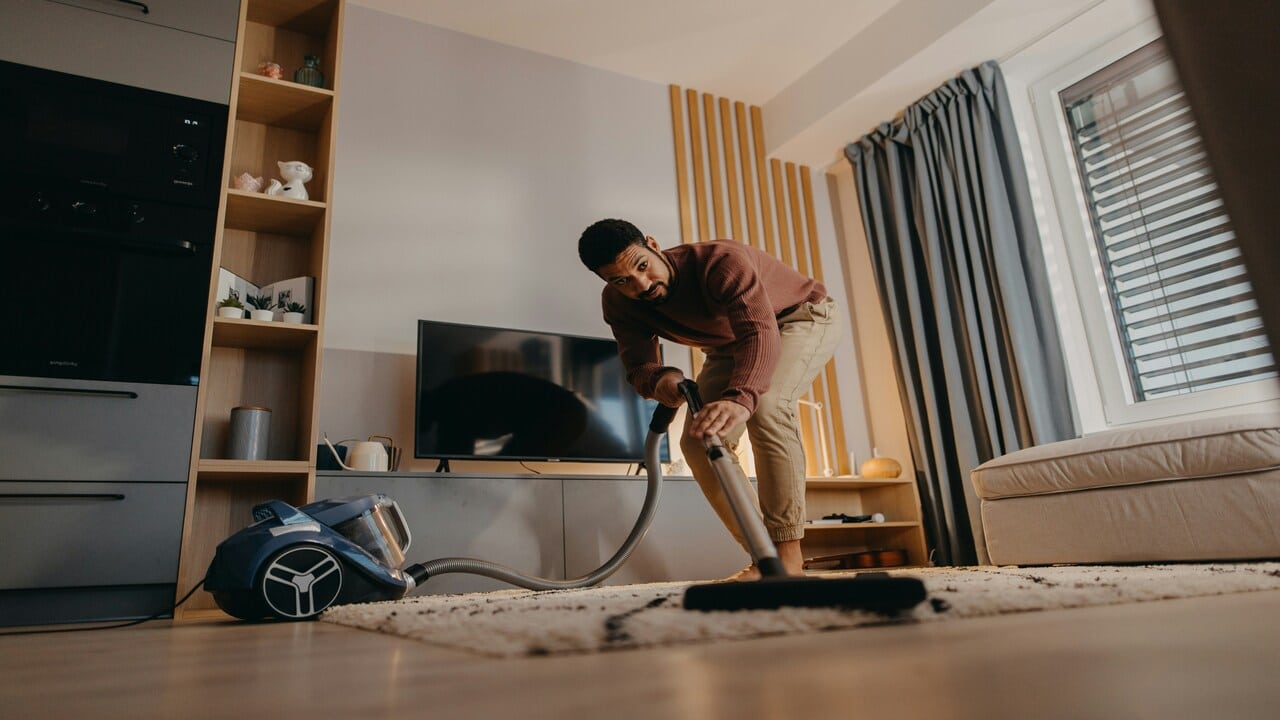
One of the biggest sources of tension is “hidden” chores and responsibilities. Couples who openly divide tasks based on preference, skill, and schedule reduce friction before it starts. Keep a visible system—like a shared calendar or checklist—to prevent assumptions and resentment. Delegation isn’t just practical; it communicates respect and partnership, reducing stress across the board.
Celebrate Small Wins Together

Stress often overshadows daily achievements, leaving couples feeling drained or unappreciated. Make it a habit to notice and celebrate small victories—finishing a tough project, hitting a personal goal, or even surviving a chaotic week. These celebrations reinforce teamwork, gratitude, and positivity, creating a buffer against bigger stressors.
Learn Each Other’s Stress Triggers

Understanding what sets your partner off and what soothes them is crucial for managing joint stress. Keep a mental or written “stress map” for each other: specific situations, words, or actions that trigger tension, and coping methods that help calm them. Awareness prevents accidental conflicts and allows each partner to respond empathetically, reducing unnecessary arguments.
Create a Private Stress Signal

Some couples develop a discreet signal—a hand squeeze, a word, a text message, or a gesture—that says, “I need a pause” without escalating tension. This allows one or both partners to step back before stress explodes, regroup mentally, and return to the conversation calmer. A private signal fosters safety, communication, and emotional intelligence within the relationship.
Rotate Leadership During Stressful Tasks
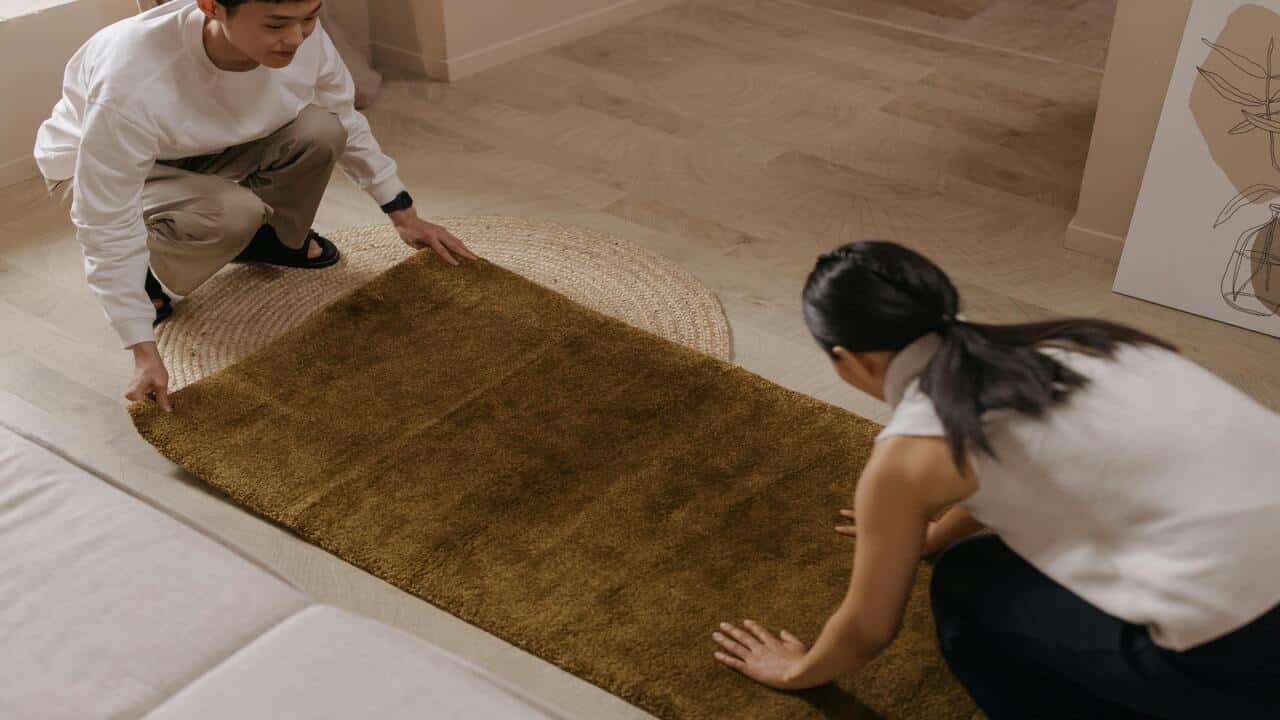
When facing stressful situations like travel, finances, or home projects, rotating who takes the lead can prevent one partner from feeling overwhelmed. It’s a simple way to share responsibility and reduce pressure on the same person repeatedly. Rotating roles teaches flexibility, trust, and collaboration, which are essential skills for long-term resilience.
Schedule Weekly Check-In Meetings

Beyond daily debriefs, weekly check-ins allow couples to discuss bigger-picture stressors: work pressures, family dynamics, or future planning. Set aside 30 minutes to an hour to review the week, plan solutions, and align priorities. These meetings create predictability, reduce anxiety about surprises, and keep both partners feeling informed and supported.
Practice Mindful Touch

Physical touch—like holding hands, hugging, or gentle back rubs—has immediate stress-reducing effects by releasing oxytocin and lowering cortisol. Couples who incorporate mindful touch into their daily routine find themselves calmer and more connected, even during hectic periods. It’s a simple, yet powerful, tool for regulating emotions together.
Use “Perspective Swaps”

When tension flares, pausing to consider your partner’s perspective can defuse conflict. Ask yourself, “How would I feel if I were in their shoes?” Sharing these insights aloud promotes empathy and understanding. Couples who practice perspective swaps report fewer arguments and more constructive problem-solving, turning stress into collaboration rather than confrontation.
Keep a Humor or Gratitude Jar

Some couples benefit from tangible reminders of joy or support. Fill a jar with funny memories, shared achievements, or gratitude notes. When stress builds, pull a note and remind yourselves of the positive moments you’ve created together. This simple ritual reinforces emotional safety and positivity, helping couples stay resilient through tough times.
Set Realistic Expectations

Stress often spikes when one or both partners set unrealistic expectations—about work, parenting, or each other. Talk openly about what’s doable, what can wait, and what requires outside help. Aligning expectations reduces friction, prevents chronic disappointment, and helps couples focus on achievable solutions rather than imagined failures.
Celebrate Relaxation Rituals
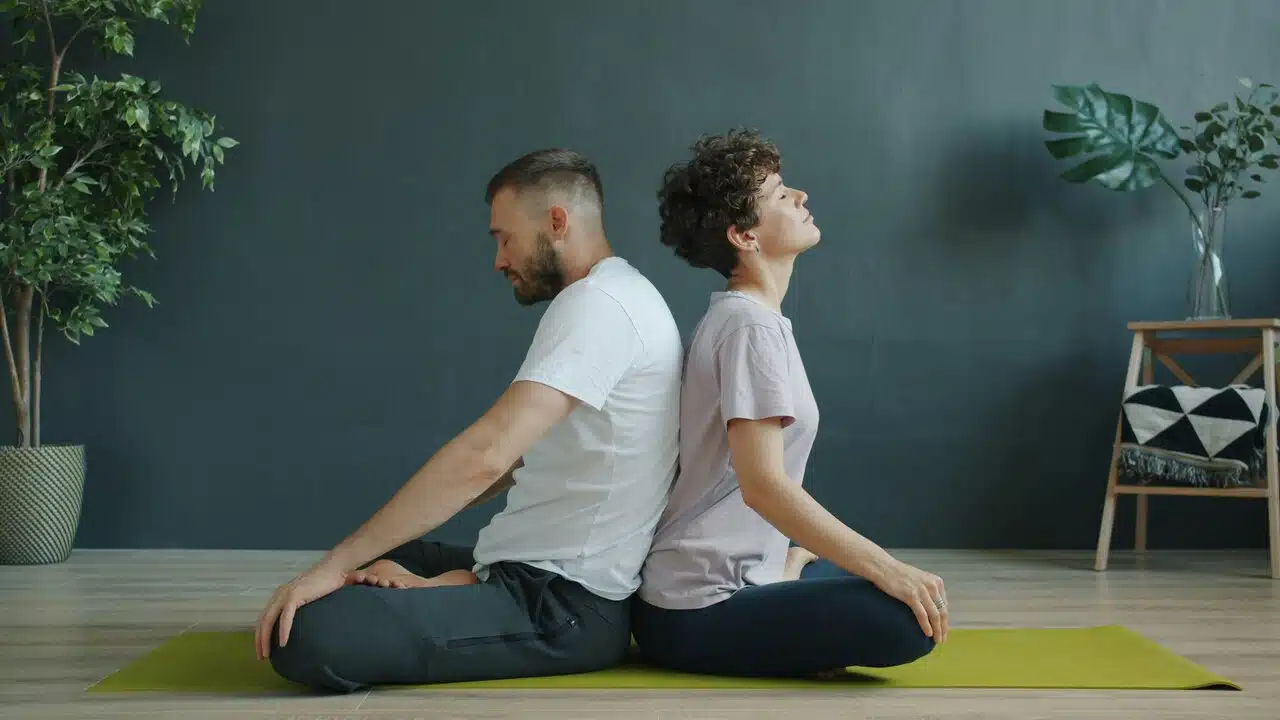
Finally, actively celebrate your calm moments. Whether it’s a Friday night movie, Sunday brunch, or a shared walk in nature, ritualizing downtime reinforces the value of relaxation and makes it easier to protect those moments from being eaten up by stress. Couples who prioritize shared leisure report stronger bonds, better mental health, and a deeper sense of life satisfaction.








Ask Me Anything