
Most relationship red flags don’t announce themselves loudly. They hide behind chemistry, charm, and good intentions. In the moment, they feel small, explainable, or even romantic. It’s only later—after the disappointment, the burnout, or the breakup—that patterns snap into focus. These are the signs people often say, “I wish I’d noticed that sooner.” If you’re dating, committed, or recovering from something that didn’t work out, this list is meant to sharpen your awareness—not make you paranoid. The goal isn’t perfection. It’s clarity, earlier than last time.
They Always Had a Reason for Bad Behavior

Early on, every misstep came with a story. Stress at work. A rough childhood. An ex who “damaged” them. While context matters, patterns matter more. When explanations consistently replace accountability, growth never actually happens. In hindsight, you realize you were dating their potential, not their behavior. Practical takeaway: pay attention to whether apologies are followed by changed actions—or just better excuses.
You Felt Anxious More Than You Felt Calm

The relationship felt intense, but not grounding. You replayed conversations, worried about tone, and overanalyzed silences. At the time, you may have called it passion or caring deeply. Later, you see it was your nervous system staying on high alert. Healthy connections bring a baseline sense of safety, not constant emotional vigilance. If peace feels boring and anxiety feels exciting, that’s worth examining.
They Avoided Difficult Conversations

Any time something uncomfortable came up, they deflected, joked, shut down, or changed the subject. You learned to “pick your battles,” which slowly turned into not speaking up at all. In hindsight, conflict avoidance didn’t mean harmony—it meant issues piling up quietly. Relationships don’t break from arguments; they break from unresolved ones. Watch how someone handles discomfort early—it predicts everything later.
You Were Always the One Adjusting
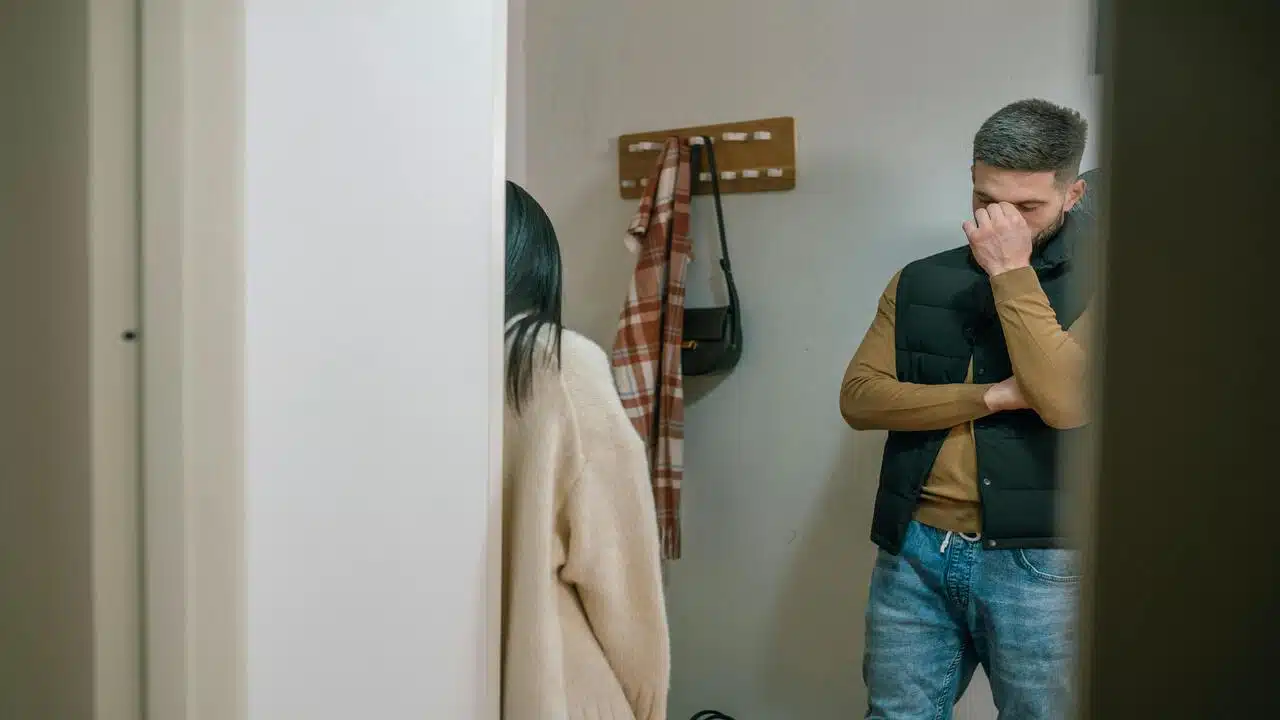
You bent your schedule, softened your needs, and rationalized their limitations. Compromise slowly turned one-sided, but it happened so gradually you barely noticed. Later, you realize you were shrinking to keep the relationship comfortable. Healthy relationships stretch both people, not just one. A good check-in question: Who is changing more to make this work?
They Were Inconsistent With Affection

Some days they were warm, attentive, and deeply connected. Other days they felt distant or unreachable without explanation. That emotional unpredictability kept you trying harder for the “good version” of them. In hindsight, the inconsistency wasn’t mysterious—it was the pattern. Love that feels conditional trains you to perform instead of relax. Consistency is underrated, but it’s everything.
They Spoke Poorly About Everyone From Their Past

Every ex was “crazy,” every former friend was disloyal, every coworker was incompetent. At first, you sympathized. Over time, you realize there was one common denominator in all those conflicts. How someone narrates their past reveals how they’ll eventually narrate you. If they never take responsibility in old stories, they won’t suddenly start later.
Your Gut Kept Whispering, But You Ignored It

There were moments—quiet ones—when something felt off. Nothing dramatic, just a subtle sense of unease. You told yourself you were overthinking, insecure, or afraid of intimacy. In hindsight, your intuition wasn’t dramatic; it was observant. Your gut often notices patterns before your logic catches up. Instead of silencing it, learn to ask what it’s trying to protect you from.
They Dismissed Your Feelings as “Too Much”

Whenever you expressed hurt, confusion, or concern, the focus shifted to how you were reacting—not what caused it. You learned to tone yourself down to avoid being labeled dramatic or sensitive. Over time, emotional minimization erodes self-trust. In hindsight, you weren’t asking for too much—you were asking the wrong person. Emotional safety isn’t optional in lasting relationships.
You Made More Excuses for Them Than They Did

You explained their behavior to friends, filled in gaps for family, and defended them when they weren’t around. Meanwhile, they showed little urgency to correct the impression themselves. In hindsight, that imbalance matters. When someone truly values you, they care how they show up—not just how you explain them. If you’re constantly doing PR for your partner, pause and ask why.
They Resisted Labels or Long-Term Talk

Any conversation about the future felt vague, delayed, or uncomfortable. You accepted “going with the flow” because pushing felt risky. Later, you realize uncertainty benefited them more than you. Clarity isn’t pressure—it’s respect for time and emotional investment. Someone serious about you doesn’t avoid defining what you are or where you’re going.
You Felt Lonely Even When You Were Together

Despite spending time together, something felt emotionally missing. Conversations stayed surface-level, or your deeper thoughts went unanswered. Loneliness inside a relationship often hurts more than being alone. In hindsight, presence without connection isn’t intimacy. Pay attention to how seen you feel, not just how often you’re together.
They Rarely Asked About Your Inner World

They knew what you did, but not how you felt. Your fears, goals, and emotional landscape didn’t spark much curiosity. At the time, you may have accepted that they just “weren’t emotional.” Later, you see that interest is a form of care. Someone invested in you wants to know how you experience life—not just what role you play in theirs.
Their Actions Didn’t Match Their Words

They talked about values, commitment, and growth—but their behavior lagged behind. You held onto the promises instead of the evidence. In hindsight, you realize consistency is the real love language. Words are easy when feelings are high; actions are harder when habits need to change. Believe what someone repeatedly does, not what they occasionally say.
You Felt Responsible for Their Happiness

You monitored their moods, tried to cheer them up, and felt guilty when they were unhappy. Over time, their emotional state became your job. In hindsight, that’s not partnership—it’s emotional caretaking. Supporting someone is healthy; managing them is not. A balanced relationship allows both people to be responsible for their own emotional regulation.
They Didn’t Celebrate Your Wins

Your successes were met with indifference, subtle competition, or quick subject changes. At the time, you brushed it off as them being “low-key.” Later, you realize genuine partners feel joy when you shine. A lack of support during your highs is just as telling as a lack of support during lows. Love expands you—it doesn’t quietly resent your growth.
You Were Afraid to Be Fully Yourself

You edited your opinions, filtered your humor, or held back parts of your personality. It wasn’t explicit—you just sensed some versions of you were less welcome. In hindsight, self-censorship is a warning sign. The right relationship creates space, not performance. If authenticity feels risky, that’s information worth listening to.
Problems Were Framed as “Just How They Are”

Whenever issues came up, they were treated as fixed traits rather than fixable behaviors. You were encouraged to accept, adapt, or lower expectations. In hindsight, this shut down growth before it could start. Everyone has flaws, but unwillingness to evolve is a choice. Love doesn’t mean tolerating stagnation at your own expense.
The Relationship Cost You More Than It Gave You

Looking back, you see the energy, time, and emotional labor outweighed the nourishment you received. You were often depleted, second-guessing, or emotionally tired. At the time, you told yourself relationships take work. In hindsight, you learn that while love requires effort, it shouldn’t feel like constant survival. A healthy relationship adds strength—it doesn’t drain it.








Ask Me Anything