
Respect rarely vanishes overnight. It erodes quietly, in eye rolls instead of eye contact, in sarcasm instead of sincerity, in silence instead of solutions. Most couples don’t wake up one morning and decide to stop valuing each other; they slowly drift into habits that chip away at admiration and goodwill.
The upside? If respect can disappear in patterns, it can also be rebuilt in patterns. Below are 18 common reasons it fades—and what you can practically do, starting this week, to stop the slide before it becomes permanent.
You Start Talking At Each Other, Not To Each Other

Conversations shift from connection to competition. Instead of listening to understand, you listen to respond, correct, or win. Over time, your partner feels unheard, and feeling unheard quickly morphs into feeling unvalued. To fix this, practice what therapists call “reflective listening”: summarize what your spouse just said before adding your point. It sounds simple, but it forces you to slow down and signals that their perspective matters. Respect grows when people feel understood, not out-argued.
Small Acts Of Disrespect Go Unchecked

The sighs, the dismissive “whatever,” the jokes at their expense in front of friends—these micro-moments matter more than grand romantic gestures. When left unaddressed, they become normalized. One practical step: call out minor disrespect immediately but calmly. “Hey, that felt dismissive to me” is better than storing it for ammunition later. Couples who protect the small moments protect the foundation of their marriage.
Appreciation Becomes Assumed Instead Of Expressed

Familiarity can breed complacency. You assume they know you’re grateful, so you stop saying it. Over time, the absence of appreciation feels like invisibility. Make it a rule to express one specific thank-you daily—something concrete, not generic. “Thanks for handling the bills this month” lands differently than “thanks for everything.” Respect thrives where gratitude is vocal and consistent.
Conflict Turns Personal Instead Of Productive

Disagreements are inevitable; character attacks are optional. When arguments shift from “we have a problem” to “you are the problem,” respect erodes fast. A practical shift is to argue the issue, not the identity. Replace “You’re so selfish” with “I felt overlooked when that decision was made.” This subtle language change keeps the door open for repair instead of resentment.
One Partner Feels Consistently Overpowered

If one voice dominates finances, parenting, or major decisions, imbalance creeps in. The quieter partner may withdraw or secretly resent the dynamic. Respect requires shared influence. Schedule intentional decision meetings where both opinions are heard before conclusions are made. Even if you don’t agree, feeling considered preserves dignity.
Boundaries With Others Are Weak

When in-laws, friends, or coworkers are prioritized over your spouse, loyalty feels shaky. Emotional alliances outside the marriage can quietly signal, “You’re not my first team.” Strengthen respect by clarifying boundaries together—what’s private, what’s shared, and who gets priority in conflict. Protecting the marriage publicly reinforces respect privately.
You Stop Investing In Yourself

Self-neglect affects how partners see each other. When ambition fades or personal growth stalls, admiration can quietly decline. This isn’t about perfection; it’s about effort. Pursue something that stretches you—fitness, a class, a skill. Growth rekindles respect because it signals responsibility and self-worth, two traits most partners deeply value.
Financial Secrecy Creeps In

Hidden spending, secret debts, or undisclosed financial stress fractures trust. Even small lies about money can feel like major betrayals. The solution isn’t just transparency; it’s proactive transparency. Have monthly money check-ins where numbers are openly reviewed without shame or blame. Respect increases when both partners feel informed and secure.
Intimacy Becomes Transactional

When affection is used as leverage—given or withheld based on compliance—resentment builds. Intimacy should be connection, not currency. Shift the focus from obligation to understanding: ask what makes your partner feel desired and safe. Rebuilding respect often starts with restoring emotional safety in physical closeness.
Public Criticism Replaces Private Conversations
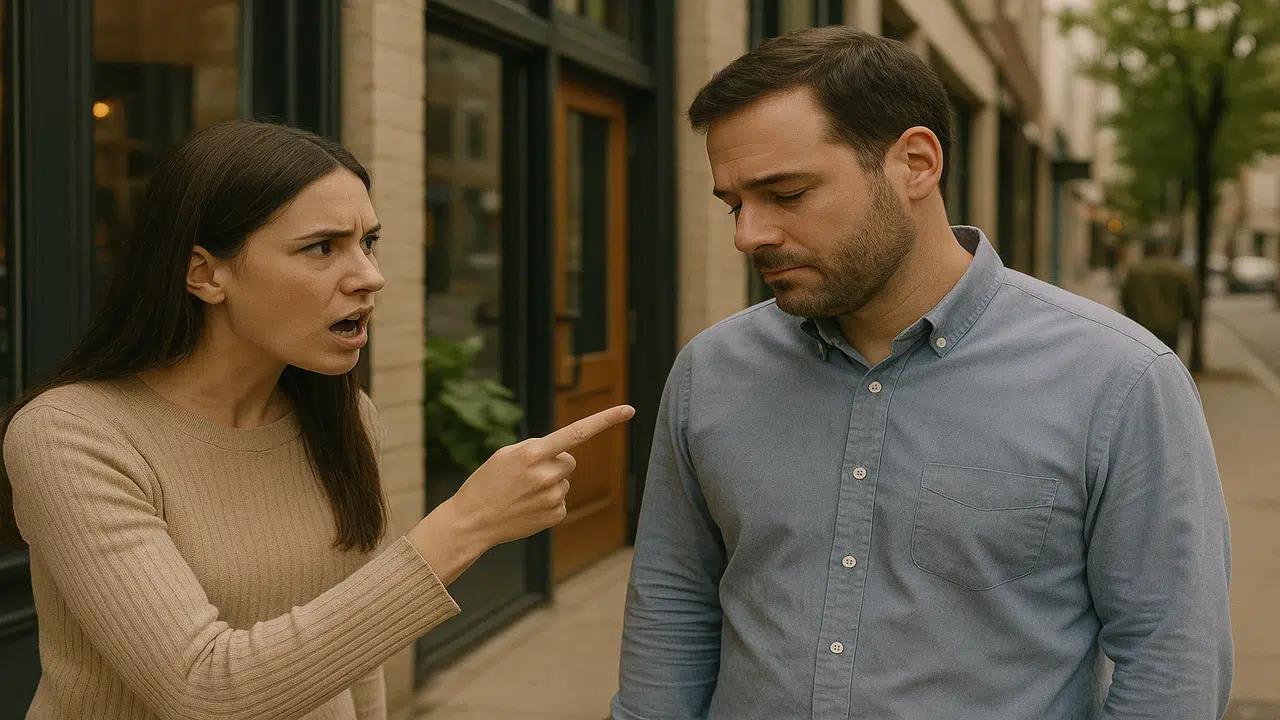
Correcting your spouse in front of others may feel harmless, but it undermines their dignity. Over time, they may feel exposed instead of supported. Adopt a simple rule: praise publicly, correct privately. If something bothers you, wait until you’re alone to address it. Protecting their image shows loyalty, and loyalty feeds respect.
Apologies Become Rare Or Defensive

“I’m sorry you feel that way” isn’t an apology—it’s deflection. When genuine remorse disappears, so does humility. Respect requires accountability. A strong apology includes acknowledgment, ownership, and repair: “I was wrong. I see how that hurt you. Here’s how I’ll fix it.” Consistent accountability restores credibility.
Emotional Needs Are Minimized

When one partner’s feelings are labeled “dramatic” or “too sensitive,” it invalidates their experience. Over time, they stop sharing—and distance grows. Even if you don’t understand their reaction, validate the emotion first. “I can see that this upset you” costs nothing but preserves connection. Respect deepens when emotions are treated as real, not ridiculous.
Comparison Becomes A Habit

Comparing your spouse to others—your friend’s husband, your coworker’s wife, even your past self—creates silent competition. It implies they’re falling short. Instead, highlight strengths you specifically admire in them. Shift your mental habit from comparison to recognition. People tend to rise toward the qualities that are noticed and affirmed.
Promises Are Frequently Broken

Broken commitments, even small ones, chip away at credibility. When “I’ll handle it” repeatedly turns into “I forgot,” trust weakens. Respect and reliability are tightly linked. A practical step is to under-promise and over-deliver. Use reminders, write it down, or decline tasks you can’t complete. Consistency builds a reputation your spouse can rely on.
You Stop Being Curious About Each Other

Long-term couples sometimes assume they know everything about one another. Curiosity fades, and conversations turn logistical. Reintroduce curiosity intentionally. Ask new questions—about fears, goals, even evolving opinions. People change; respect grows when you allow space for that growth instead of freezing your partner in who they used to be.
Stress Is Displaced Onto The Marriage

Work pressure, parenting fatigue, and financial strain often spill into tone and patience. Your spouse becomes the safest place to unload, but also the most wounded by it. Develop a transition ritual—five minutes alone in the car, a short walk, deep breathing—before engaging at home. Managing stress responsibly protects the relationship from collateral damage.
Forgiveness Is Delayed Or Weaponized

Holding grudges creates an invisible scoreboard. Every mistake gets stored and resurfaced later. Respect struggles to survive in a courtroom marriage where past errors are constantly retried. Practice timely forgiveness—once resolved, don’t recycle it in future arguments. Letting go doesn’t mean forgetting; it means choosing peace over power.
Effort Is Replaced By Entitlement

Perhaps the most dangerous shift is believing your spouse is obligated to stay regardless of how you treat them. Entitlement kills effort. Healthy marriages operate on ongoing choice, not guaranteed permanence. Ask yourself regularly: “If we were dating today, would my behavior earn another date?” That question alone can reignite intentional respect before it’s too late.








Ask Me Anything