
At some point in midlife, a lot of married men notice a quiet shift they didn’t plan for. The relationship still works on paper, but the emotional charge feels weaker than it used to. Nothing dramatic happened. No single fight, no betrayal, no big moment where everything broke. It just feels different, and that difference can be unsettling.
What rarely gets said out loud is that this experience is common, especially in long marriages that have survived careers, kids, stress, and years of routine. Falling out of love isn’t always a crisis. Sometimes it’s a phase, sometimes it’s a signal, and sometimes it’s just biology and life doing what they do. Below are reasons this happens more often in midlife than people admit.
Biology Changes the Experience of Love

Early love runs heavily on chemistry. Hormones like dopamine and oxytocin do a lot of the emotional heavy lifting at the beginning. Over time, those chemical highs fade, even in good relationships. By midlife, love feels calmer and less intense, which can register as loss even when connection still exists.
Infatuation Was Never Meant to Last
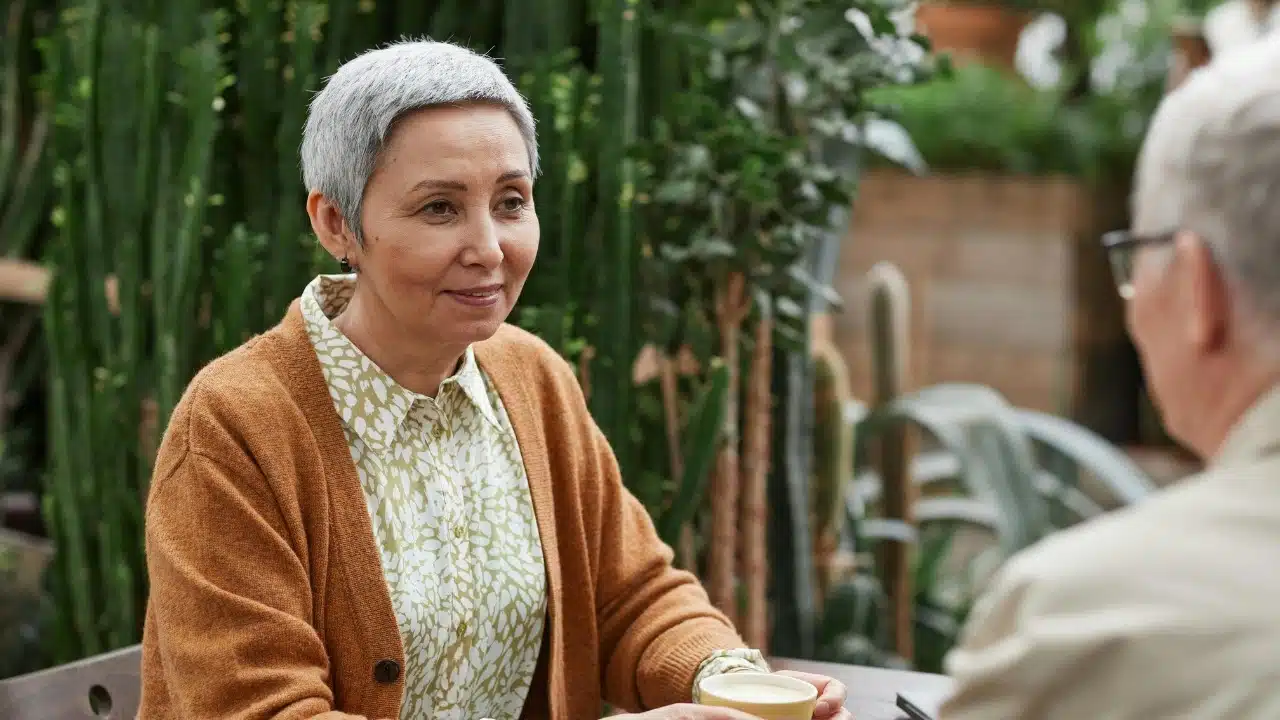
The version of love that feels electric and all-consuming isn’t designed to be permanent. It’s meant to pull two people together, not sustain decades of partnership. When that phase ends, what’s left is something quieter and more stable. That transition often gets mistaken for falling out of love.
Long Marriages Have Predictable Down Phases
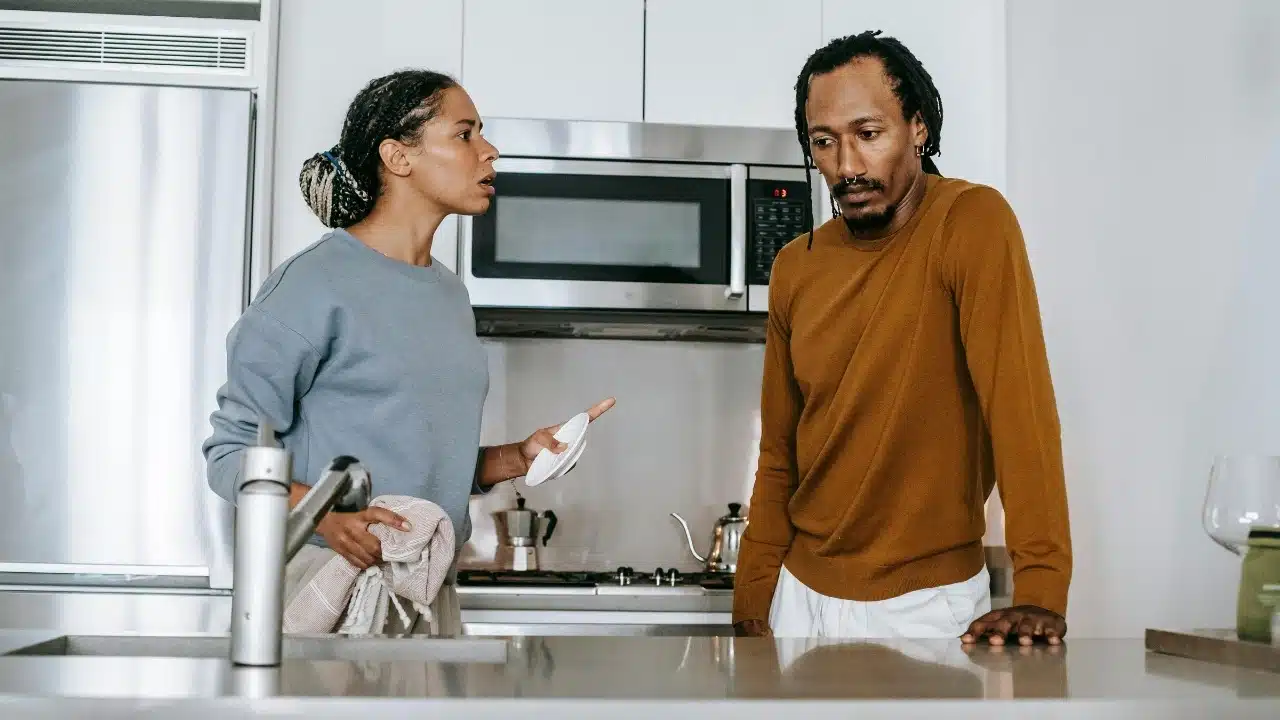
Most long-term relationships hit periods of disillusionment. Expectations change, flaws become more visible, and reality replaces idealism. This phase doesn’t mean something went wrong. It usually means the relationship has been around long enough to feel real.
Routine Slowly Drains Novelty
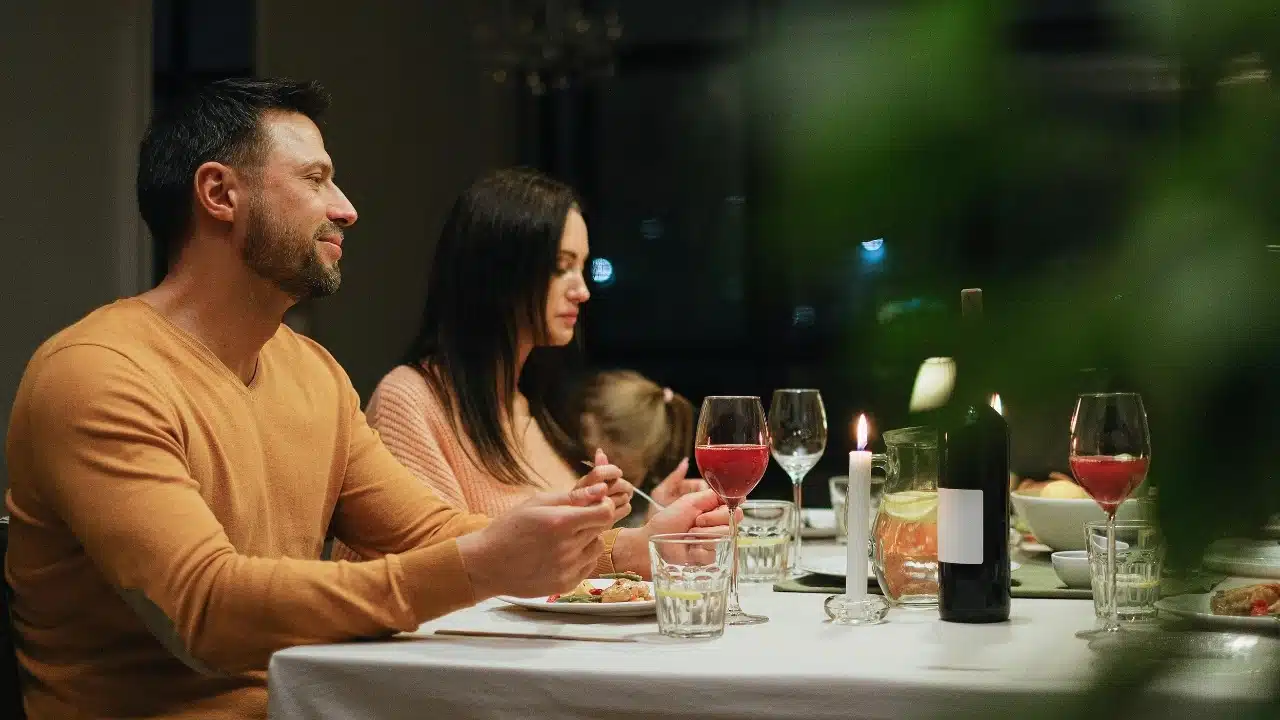
Midlife tends to be full of structure. Same house, same schedule, same responsibilities, same conversations. Comfort grows, but excitement shrinks. Familiarity can be great for stability and terrible for desire, and that tradeoff shows up over time.
Parenting Took Center Stage

For many couples, years were spent prioritizing kids over the relationship. That choice is practical and often necessary. The downside is that intimacy, connection, and shared identity quietly get deprioritized. When parenting demands ease up, the gap becomes obvious.
Careers Absorbed Most of the Energy
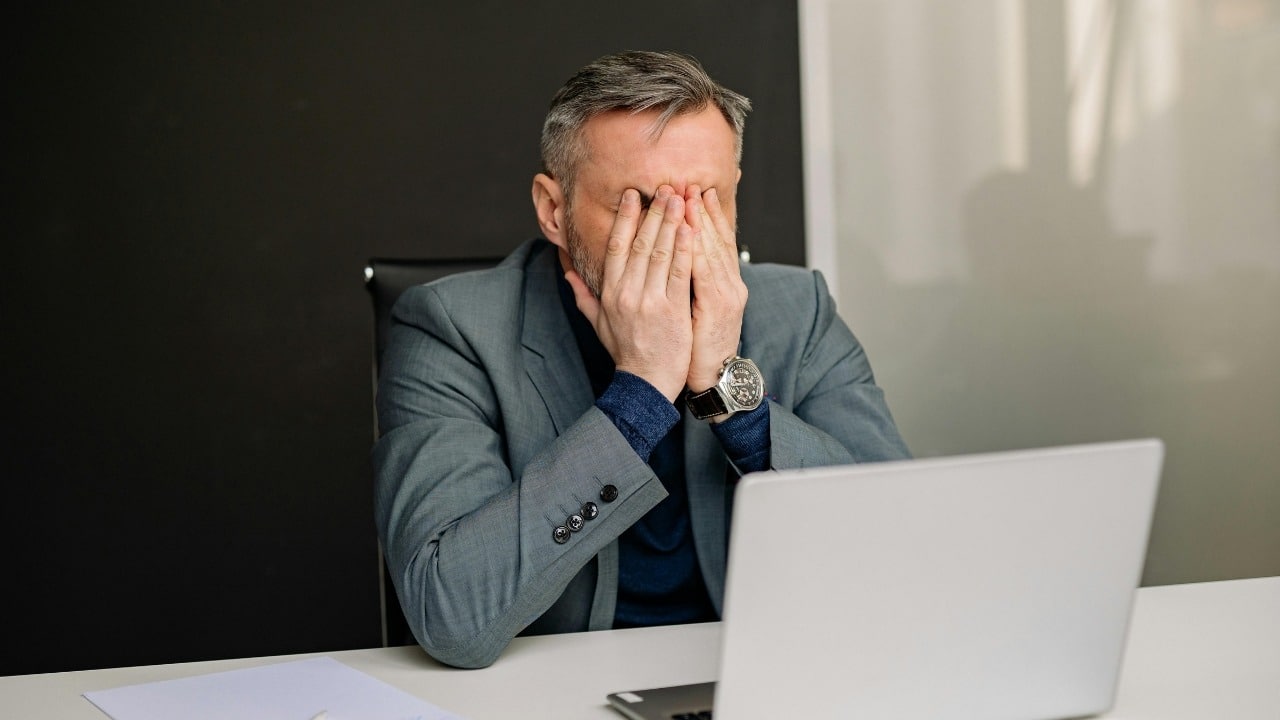
Midlife is often peak responsibility years at work. Leadership roles, financial pressure, and long hours take a toll. Emotional bandwidth gets consumed by performance and problem-solving. What’s left for the marriage is often whatever energy remains at the end of the day.
Conversations Became Transactional
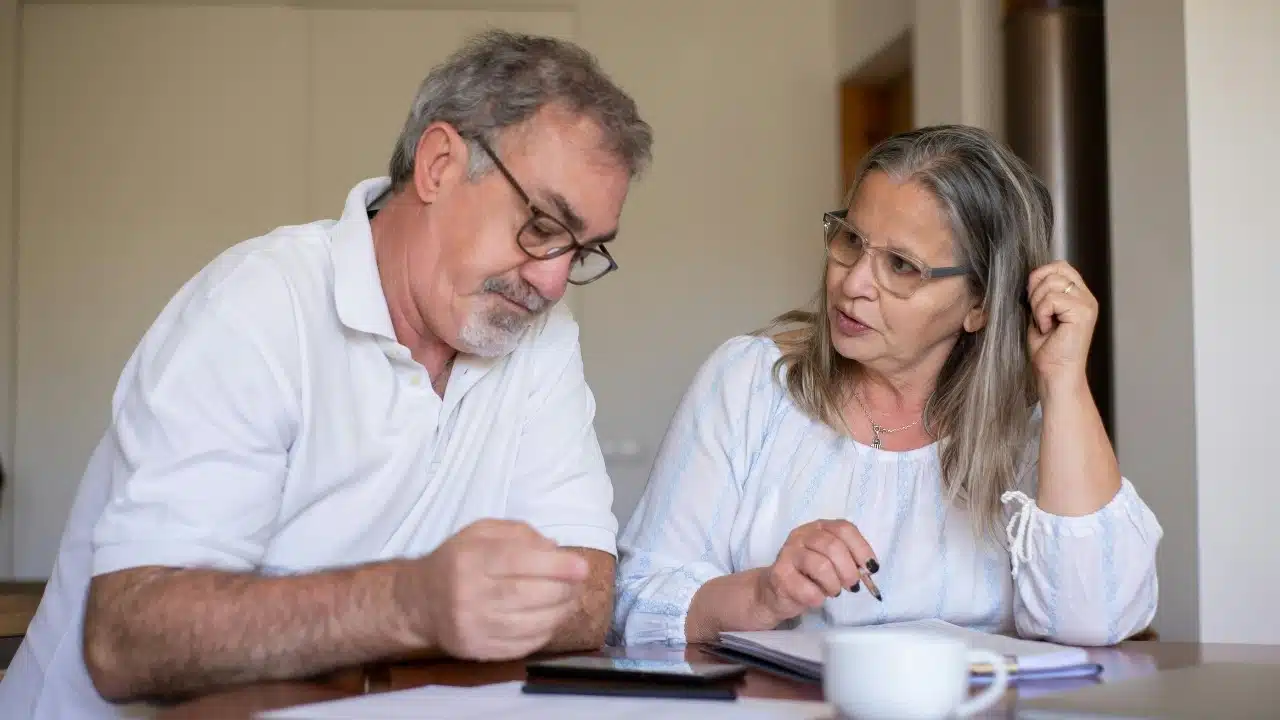
Over time, communication can shrink to logistics. Schedules, bills, errands, and planning replace curiosity and emotional check-ins. The relationship still functions, but depth fades. Emotional distance often grows without either person consciously choosing it.
Old Conflicts Never Fully Resolved
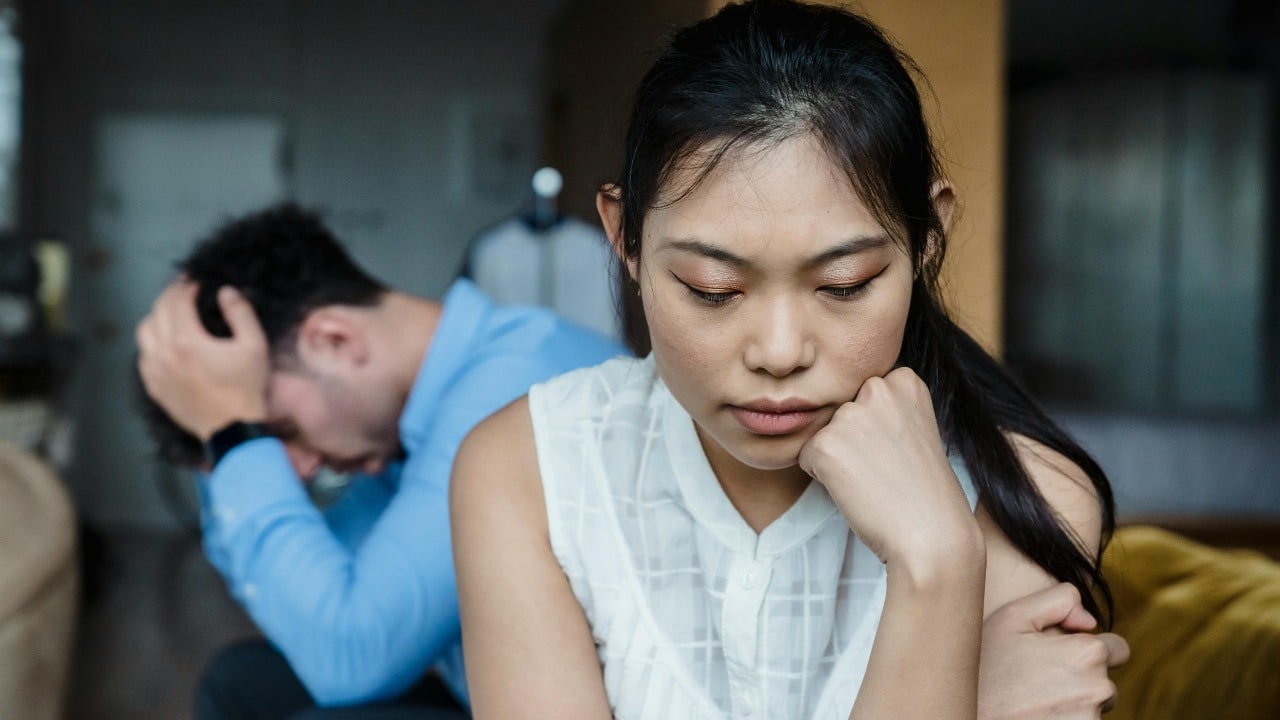
Small resentments add up. Arguments that were never finished, compromises that felt one-sided, and moments of disappointment quietly pile up. By midlife, that emotional weight can dull affection. It’s hard to feel close when unresolved tension lives under the surface.
You Both Changed as People
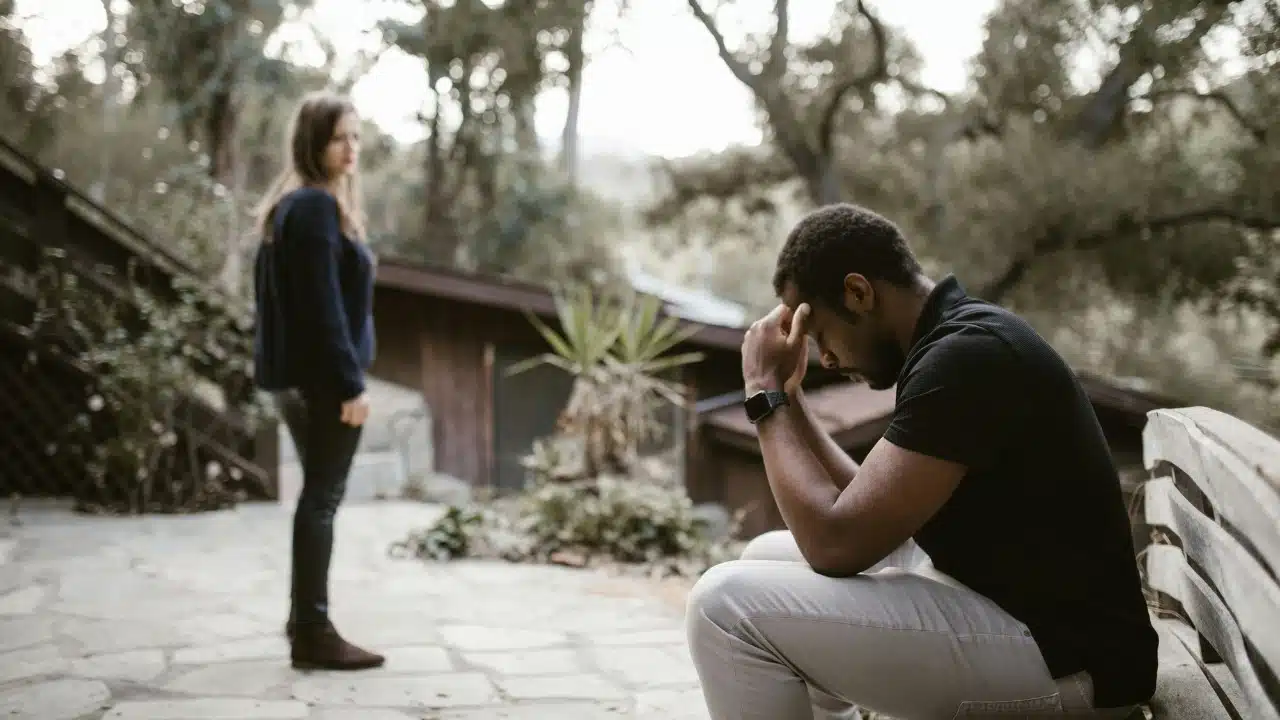
No one stays the same for 20 years. Values evolve, interests shift, and priorities adjust. Sometimes those changes happen in different directions. When growth isn’t shared, partners can feel less aligned without being able to pinpoint why.
Shared Interests Slowly Disappeared

Many couples stop doing things together just for fun. Hobbies, trips, and small rituals fade under responsibility. Without shared experiences, the relationship loses momentum. Love struggles when there’s nothing new being built together.
Midlife Triggers Self-Assessment

Midlife brings reflection whether you want it or not. Questions about time, purpose, health, and fulfillment show up. When life feels limited, dissatisfaction often spreads outward. The marriage becomes part of that evaluation, even if it’s not the root problem.
New Attention Feels More Powerful

Novelty hits harder when life feels routine. Attention from someone new can feel unusually energizing, not because it’s better, but because it’s different. That contrast can distort how the existing relationship feels by comparison.
Physical Changes Affect Intimacy

Bodies change in midlife. Energy shifts, hormones fluctuate, and desire doesn’t always sync up the way it once did. Reduced physical intimacy often gets interpreted as emotional distance. Sometimes it’s physiological, not relational.
Stress Crowds Out Emotional Presence

Chronic stress narrows focus. When survival mode becomes the default, connection becomes secondary. Over time, emotional availability drops, even in stable marriages. That absence can feel like love disappearing when it’s actually overload.
Cultural Expectations Set Unrealistic Standards
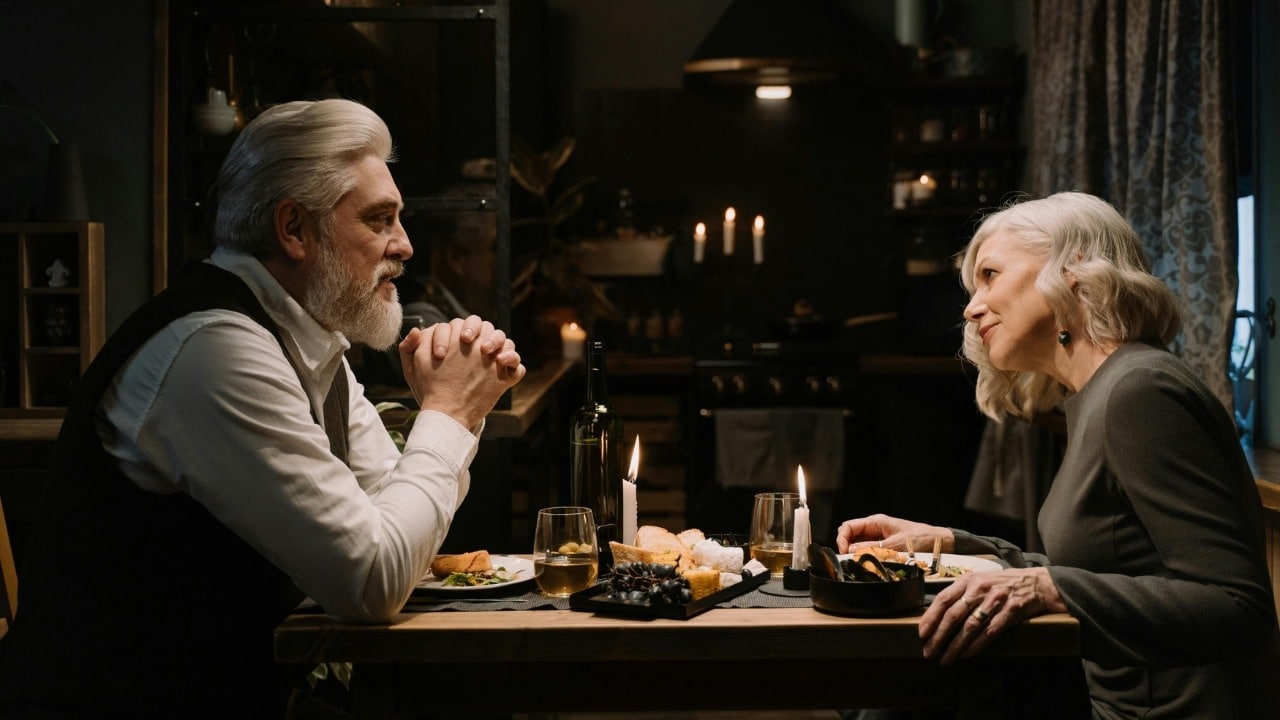
Movies and social narratives sell the idea that real love always feels passionate. Real marriages don’t work that way. When expectations don’t match reality, normal relationship phases get labeled as failure. That mismatch creates unnecessary panic.
People Rarely Admit This Phase Exists

Men don’t talk openly about losing emotional connection in marriage. There’s shame attached to saying it out loud. As a result, many believe they’re alone in feeling this way. They aren’t.
Longer Lifespans Stretch Relationships
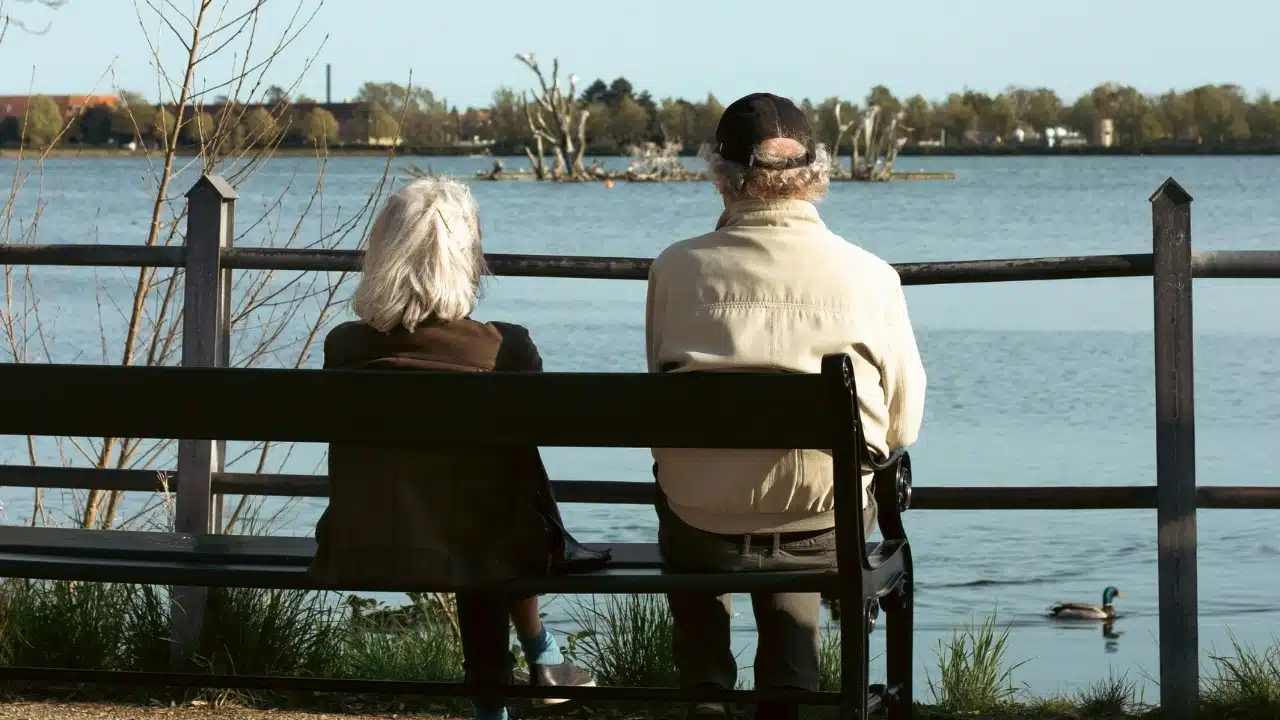
Marriages today last longer than ever before. More years together means more cycles of closeness and distance. Feeling less connected at some point isn’t unusual when a relationship spans decades. Longevity increases complexity.
Love Naturally Comes and Goes
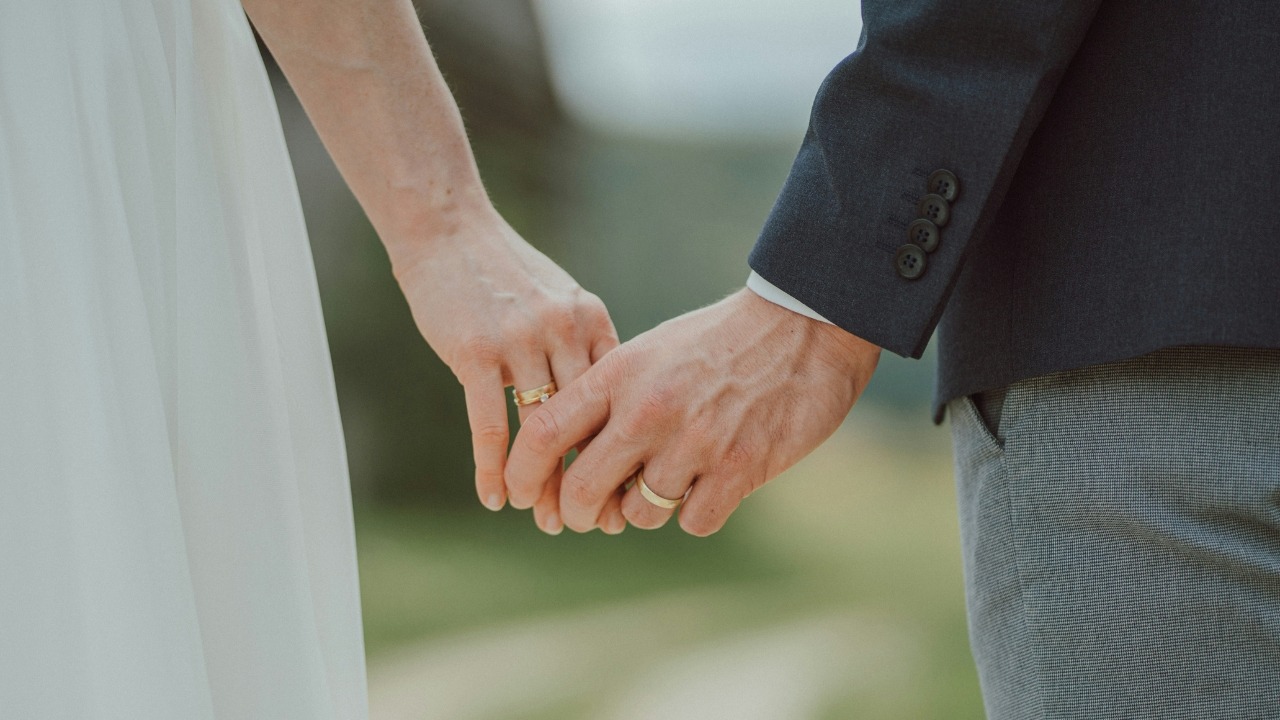
Love isn’t a fixed emotional state. It rises, flattens, and sometimes dips. In long marriages, falling out of love doesn’t always mean it’s gone permanently. Often, it means the relationship is between phases rather than broken.








Ask Me Anything