
You know that moment when you start talking to someone new, and things feel good, but a tiny voice in your head asks if you’re actually ready for something real. That voice matters more than you think. Emotional readiness is about being honest with yourself before you pull someone into your world. If you’re a man in your 30s to 50s reentering or leveling up in the dating scene, this self-check is essential. These questions help you slow down, reflect, and avoid messing up something good before it even begins.
Do You Still Feel Attached to Your Last Relationship?

You might think you’re over your ex, but your reactions often tell the truth faster than your mouth does. If her name still triggers a wave of emotion, you might still be carrying leftover energy. Emotional residue makes you compare new women without noticing it. You risk treating the past like it’s still happening. It affects your ability to connect with someone fresh. This question forces you to check your emotional bandwidth. If the answer feels complicated, it might be worth slowing down.
Are You Clear About What You Want From a Relationship?

If you walk into dating without direction, you end up in situations you never wanted. Knowing whether you’re looking for commitment or companionship helps you lead with honesty. You attract better matches when you know what you’re choosing. It also prevents you from sending mixed signals that confuse both sides. Clarity saves time and emotional energy. Take a moment to define your non-negotiables. It builds confidence in every conversation you have moving forward.
Do You Handle Conflict Without Exploding or Avoiding?

Conflict is unavoidable, but your approach determines whether it builds trust or breaks the connection. If you shut down during tough conversations, you’re not ready for the emotional demands of a serious relationship. If you react with anger, the relationship becomes a battlefield. Healthy conflict comes from staying calm and curious. You listen instead of preparing to defend yourself. You share how you feel without attacking. Ask yourself if you can do that consistently.
Are You Comfortable Being Vulnerable?

Vulnerability scares most men because it feels like losing control. But without it, every relationship becomes shallow. You need to share your fears, hopes, and insecurities without feeling weak. Women connect with your truth, not your perfection. If you avoid emotional depth, intimacy will always feel out of reach. Check whether you can open up in real ways. It decides how real the relationship can get.
Do You Take Responsibility for Your Patterns?

Every man has patterns that show up on repeat. Maybe you pull away when things get serious, or you chase unavailable women. If you blame every failed relationship on your ex, you’re skipping accountability. True readiness means owning your part. You recognize where your habits sabotage your connection. When you take responsibility, you create space to grow. Ask yourself if you’re ready to break old cycles instead of repeating them.
Is Your Life Stable Enough to Welcome Someone New?

Emotional readiness also comes from life stability. If your career, finances, or living situation feels chaotic, relationships become collateral damage. Women want connection, not crisis management. You show commitment when your life has structure. Stability gives you bandwidth for quality time and emotional presence. If your life feels messy, focus on organizing it first. A solid foundation makes love easier.
Can You Maintain Your Independence Without Pushing People Away?

Healthy relationships need balance. You need to hold your personal life while also making space for someone new. If you’re too independent, you risk acting unavailable. If you’re too dependent, you drain your partner. Reflect on your balance. Ask whether you can integrate someone into your world without losing yourself or shutting them out. This balance is a major sign of readiness.
Are You Done Chasing Validation?

If you use dating to feel wanted, you’re not ready for something serious. You make choices from insecurity instead of intention. A relationship becomes a dopamine hit instead of a partnership. When you’re secure, you choose women who match your values instead of your ego. You show up authentically because you don’t need applause. Check your motives before you step into something real. It determines the quality of the connection you build.
Do You Communicate Honestly Even When It’s Hard?

Honesty is easy when things feel good. The real test shows up when the truth might disappoint someone. If you hide your feelings to avoid conflict, resentment grows. If you disappear instead of communicating, trust breaks. Emotional readiness means facing tough moments with honesty. You speak clearly and respectfully. Your future partner deserves your truth, not your silence.
Can You Let Small Things Go?

Every relationship has quirks, weird habits, and misunderstandings. If you nitpick every small thing, you create an exhausting dynamic. You need to choose your battles wisely. Letting small things go protects the relationship from unnecessary tension. It shows you’re mature and emotionally grounded. Ask yourself if you can stay calm when things aren’t perfect. It saves your energy for what actually matters.
Are You Emotionally Available or Just Lonely?

Loneliness can trick you into thinking you’re ready to commit. You might just crave attention or closeness, not actual partnership. Emotional availability means showing up, listening, and building connection. It requires effort and consistency. If your interest drops once you’re no longer lonely, the relationship suffers. Ask whether you’re truly ready for emotional intimacy. Loneliness fades, but emotional readiness lasts.
Do You Manage Stress in a Healthy Way?
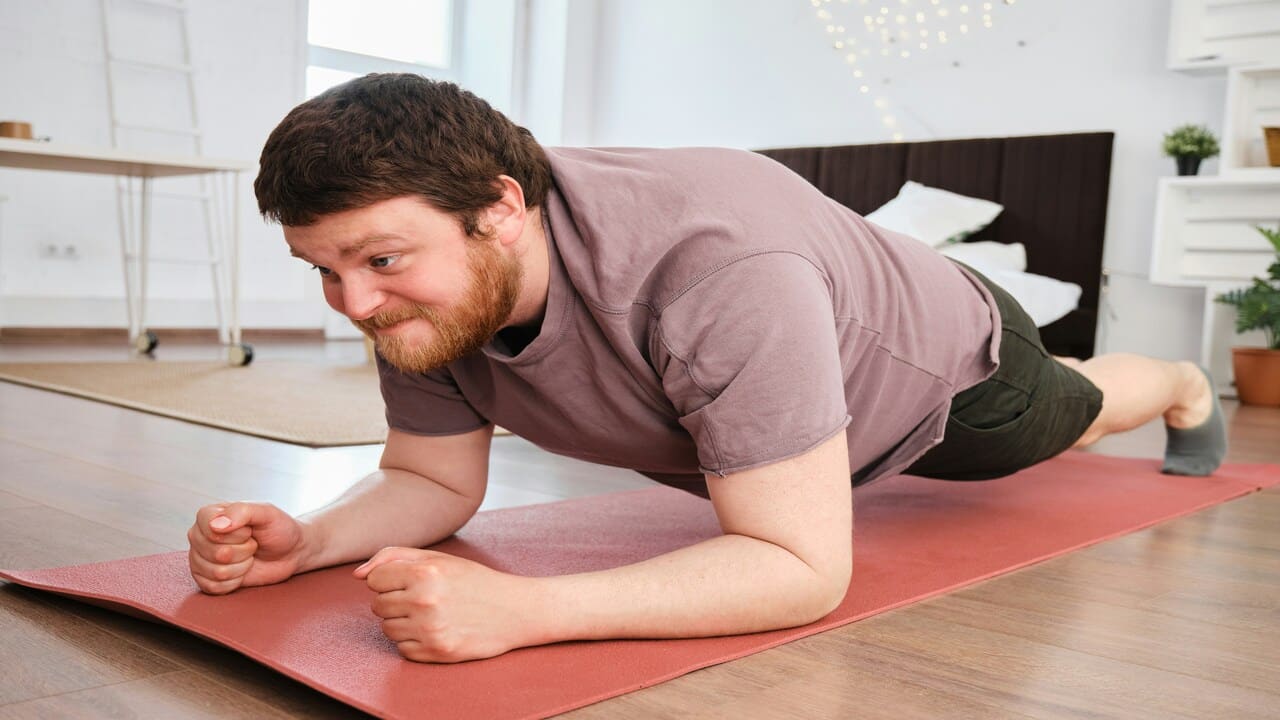
Stress exposes the truth about emotional stability. If you shut down, lash out, or disappear under pressure, relationships feel unsafe. Your partner should not carry the weight of your emotional storms. Healthy stress management keeps you grounded. It makes you a dependable partner. Ask yourself if you handle stress in ways that support connection. It matters more than you think.
Can You Give Without Keeping Score?

Relationships thrive on generosity. If you give love only when you’re getting something back, things become transactional. Keeping score kills connection fast. True readiness means giving because you care, not because you want leverage. You support your partner without tracking favors. It shows emotional maturity. Ask whether you show up with a genuine heart.
Are You Patient When Things Move Slow?
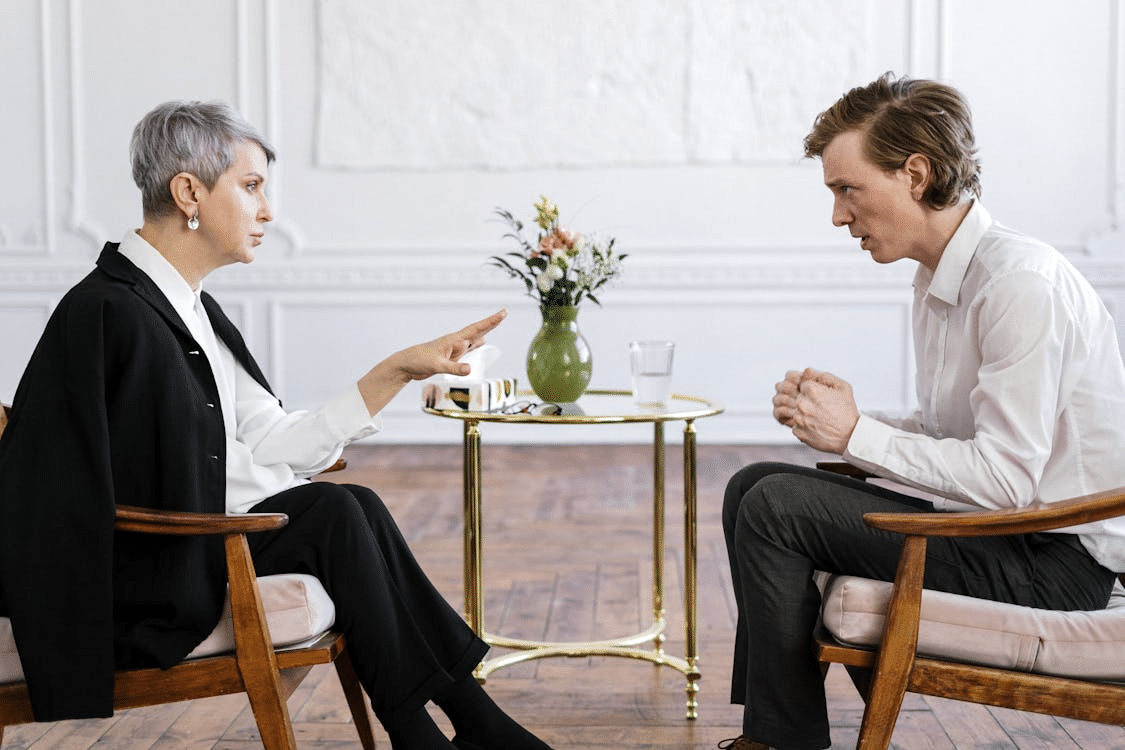
Real relationships take time to grow. If you rush intimacy or push for commitment, it creates pressure. Patience shows security. It allows the bond to develop naturally. When you’re emotionally ready, you enjoy the process instead of forcing the outcome. Ask if you can move at a pace that feels healthy for both sides. It sets the tone for a stable relationship.
Do You Respect Boundaries Without Feeling Threatened?

Healthy boundaries protect connection. If you see boundaries as rejection, you need more internal work. Boundaries actually create safety in relationships. They show emotional intelligence. When you respect them, you build trust. Ask yourself if you can honor boundaries while holding your own. It determines how healthy the dynamic becomes.
Are You Willing to Learn New Emotional Skills?

Relationships require growth. If you’re stuck in old habits, things fall apart quickly. Emotional skills like empathy, regulation, and communication can be learned. You just need the willingness to try. Being coachable makes you a better partner. Ask yourself if you’re ready to evolve. It shows that you’re serious about connection.
Do You Have a Full Life Outside of Dating?

A relationship works best when you have passions, friendships, and routines outside of it. If you expect your partner to fill every empty space, you create pressure. A full life makes you more attractive. It also makes you more secure. Your identity stays intact even when you fall for someone. Ask if your life feels satisfying on its own. It sets the stage for a healthy connection.
Can You Trust Without Constant Fear?

Trust issues make relationships exhausting. If you assume the worst or guard yourself too tightly, intimacy becomes impossible. Emotional readiness means giving trust gradually. You base it on experience, not fear. You let someone in without punishing them for your past. Ask yourself if you can trust in healthy ways. It will define how safe the relationship feels.








Ask Me Anything