
Marriage has always been shaped by cultural norms, but not all traditions stand the test of time. Many rules that once defined “success” in marriage now feel outdated in a world that values equality, individuality, and growth. Couples today are rewriting what commitment looks like, challenging long-held beliefs that no longer fit modern relationships. These changes don’t make marriage weaker, they often make it healthier. Here are 18 marriage rules that feel outdated in 2025 and why couples are moving past them.
The Husband Should Always Be the Provider

For generations, men were expected to carry the financial weight of the household. In 2025, this one-sided rule feels limiting and unfair. Many couples now share financial responsibility or choose arrangements that fit their specific strengths and circumstances. Partnership thrives when both people contribute in ways that work best for them, not according to tradition. Financial equality fosters healthier balance than rigid expectations ever could.
Wives Must Handle the Home Exclusively

Domestic work was once seen as a wife’s duty, regardless of her career or ambitions. Today, households are shifting toward shared responsibilities. Cooking, cleaning, and childcare are no longer tied to gender but to cooperation. A fair division of labor reflects respect and equality. Healthy marriages thrive when both partners contribute at home.
Men Don’t Need to Show Emotions

The idea that men should be stoic and unemotional is fading fast. Emotional openness is increasingly valued as a strength, not a weakness. When men share their feelings, relationships deepen with honesty and trust. In 2025, emotional intelligence is just as important as financial stability in a marriage. Vulnerability creates intimacy that silence cannot.
Women Should Sacrifice Career for Family

For decades, women were told to choose between career success and family life. Modern marriages challenge this outdated expectation by embracing ambition on both sides. Many couples support dual-career paths while balancing family responsibilities together. This creates healthier, more fulfilling partnerships. Sacrifice isn’t love, support is.
Marriage Means Giving Up Independence

Traditional rules often suggested that marriage meant merging lives completely. In reality, healthy independence strengthens relationships. Maintaining individuality allows both partners to grow personally while staying connected. Today, autonomy and partnership are not opposites, they work together. Love thrives when people bring their whole selves to the marriage.
Love Alone Is Enough to Make Marriage Last

Passion and romance may start relationships, but they don’t guarantee longevity. Marriage requires effort, patience, and compatibility beyond love alone. Couples who rely only on feelings without nurturing communication and respect often struggle. In 2025, people understand that effort sustains love more than sparks. Marriage is a practice, not just an emotion.
Married Couples Should Always Want Children

Parenthood was once seen as an unquestionable step after marriage. Today, many couples are choosing not to have children, and that choice doesn’t make their marriages less valid. Fulfillment comes in many forms, from careers to travel to community. What matters is alignment between partners, not adherence to tradition. A child-free marriage can be just as meaningful.
Couples Must Share All Hobbies to Be Happy

The old belief that couples must enjoy everything together is unrealistic. While shared interests build connection, differences add richness to a relationship. Individual hobbies create space for personal growth and balance. What matters is supporting each other’s passions, even if they aren’t shared. Happiness isn’t about sameness, it’s about respect.
Good Marriages Never Fight
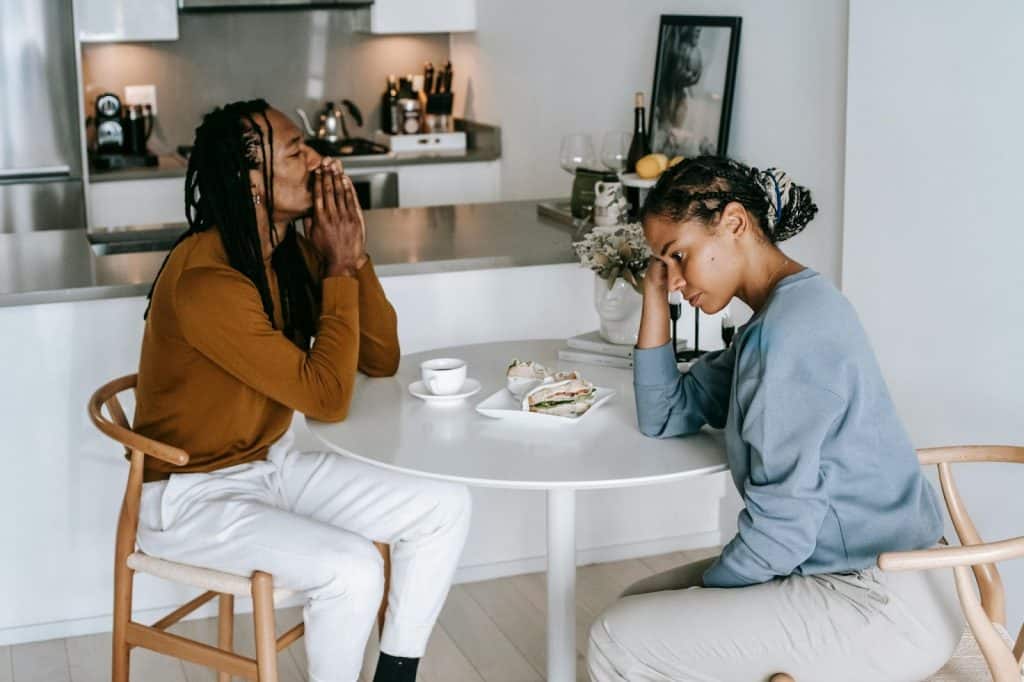
Conflict has long been viewed as a sign of weakness in marriage. In reality, disagreements are inevitable and often healthy when handled with respect. They allow couples to address issues and grow closer through resolution. Avoiding conflict doesn’t build harmony, it creates silence. Strong marriages don’t avoid arguments; they navigate them well.
Jealousy Is a Sign of Love

Jealousy has often been framed as proof of devotion. In truth, it usually signals insecurity or control. Trust, not jealousy, is the foundation of healthy love. In 2025, couples increasingly recognize that freedom and faith strengthen intimacy. Love thrives where trust replaces suspicion.
Couples Must Always Sleep in the Same Bed

Tradition suggests that sharing a bed every night defines closeness. But sleep needs differ, and many couples prioritize rest over outdated expectations. Some choose separate beds or rooms and still enjoy strong intimacy. What matters is connection during waking hours, not where the night is spent. Restful sleep often strengthens relationships more than forced routines.
Anniversaries and Milestones Prove Love

Special dates and celebrations are meaningful, but they don’t define loyalty. Daily actions, showing care, respect, and consistency, matter far more. Marriage isn’t measured in anniversaries alone but in the everyday choices that sustain it. In 2025, couples value ongoing devotion over one-day displays. Love proves itself in consistency, not ceremonies.
Divorce Means Failure

For years, divorce was stigmatized as a sign of personal or moral failure. Today, many recognize that ending a marriage can be an act of growth. Staying in a harmful or stagnant relationship isn’t strength, it’s avoidance. Divorce doesn’t erase love that once existed; it simply reflects change. In 2025, success is defined by authenticity, not endurance alone.
The Partner Who Earns More Has the Final Say

Money has long influenced power dynamics in marriage. In modern relationships, equality matters more than income. Decisions are made through discussion and respect, not hierarchy. Financial contribution doesn’t equate to authority. Partnership means shared voices, regardless of earnings.
Marriage Means Blending Into One Identity

Tradition often taught that couples should become “one” in every sense. But individuality is essential for long-term happiness. Merging identities completely risks losing personal growth. In today’s marriages, strong bonds coexist with independence. A healthy marriage honors both “we” and “me.”
Finances Should Be Controlled by One Partner

Past norms often gave financial control to one person, usually the husband. In 2025, transparency and shared responsibility are the healthier standard. Couples create systems that work for both, whether joint or separate accounts. Trust grows when money management is collaborative. Equality in finances reflects equality in love.
Traditional Gender Roles Keep Marriages Strong

Rigid gender roles once defined marriage but now limit it. Flexibility and adaptability create healthier dynamics. Couples thrive when they divide responsibilities based on strengths, not stereotypes. Breaking free from tradition doesn’t weaken marriage, it strengthens it. Love grows best when it’s not confined.
Marriage Is Only Successful If It Lasts Forever
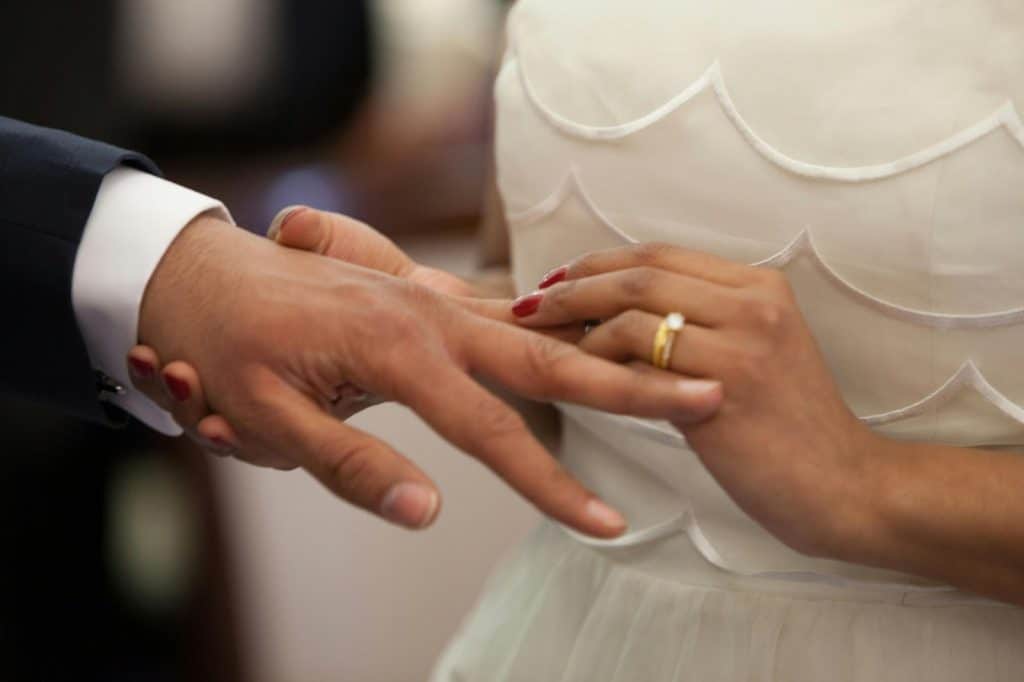
Longevity was once the ultimate marker of marital success. But a relationship can be meaningful even if it doesn’t last a lifetime. Quality, growth, and mutual respect matter more than duration. In 2025, couples increasingly measure success by fulfillment, not years. A marriage can end and still be considered valuable.
Conclusion

The idea of marriage is evolving, and so are the rules that once defined it. Outdated expectations about gender, conflict, commitment, and success no longer fit the reality of modern love. Couples in 2025 are choosing balance, equality, and authenticity over tradition for tradition’s sake. These shifts don’t weaken marriage, they redefine it in healthier, more sustainable ways. Love remains timeless, but the rules around it must grow with the times.








Ask Me Anything