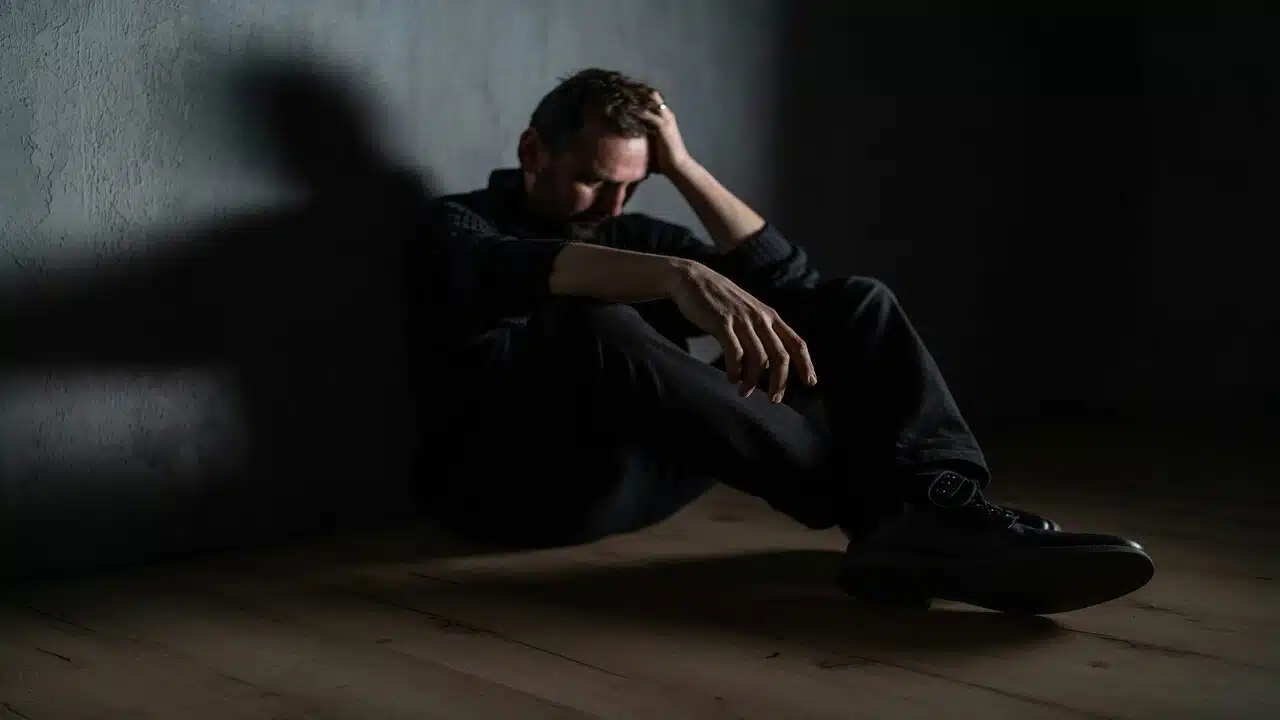
Society tells men to “just deal with it,” and for the most part, they do. They push through disappointment, stress, bills, expectations, and responsibilities with a straight face because they’re taught that showing the weight makes them weak.
The result? Countless pressures stacking up quietly, unnoticed by the very people they’re trying to support and protect. These aren’t dramatic struggles or headline-worthy catastrophes–just the daily heaviness men internalize because they feel they have no choice. Recognizing these hidden burdens doesn’t just create empathy; it gives men the permission to breathe, reset, and finally feel understood.
Constant Pressure to “Be Strong” No Matter What

Men are often expected to keep their emotions neatly packaged, even when life hits them hard. That pressure to stay unshakeable–at work, in relationships, even among friends–becomes a heavy mask they wear daily. The problem is, strength isn’t a bottomless well, and pretending everything is fine only drains them more. What many men need isn’t permission to break down, but simply the space to say, “I’m not okay today.” A simple check-in or genuine “How are you really doing?” can lighten a load more than you realize. Encouraging emotional honesty doesn’t weaken them–it helps them reset and keep going.
Feeling Responsible for Everyone’s Stability

Many men quietly shoulder the belief that they must be the anchor for everyone around them–emotionally, financially, and practically. Even when no one explicitly asks, they feel obligated to fix problems, steady the ship, and keep life running smoothly for their families, partners, and even their parents. This can leave them with little room to fall apart themselves, because they fear everything might collapse without them. The irony is that this responsibility is often self-imposed, born from how they were raised or what they’ve absorbed from society. What helps? Letting men know they don’t need to carry everything alone–and that leaning on others doesn’t make them unreliable.
The Silent Weight of Financial Expectations

Even in a world that promotes equality, men still feel judged by how much they earn, provide, and achieve. Money becomes more than a resource–it becomes a measurement of their worth. This pressure doesn’t come from ego; it comes from fear. Fear of failing their family. Fear of not meeting expectations. Fear of losing respect. And because men rarely admit financial stress, they often face it alone, strategizing at night and sacrificing quietly. A supportive environment–one that allows honest conversations about money–can turn this burden into a shared goal instead of a secret battle.
The Expectation to Be Emotionally Self-Reliant

Many men grow up hearing that emotional needs are a distraction or a weakness, so they learn to soothe themselves, problem-solve alone, and tuck away anything that feels too heavy. As adults, this becomes a habit people assume they prefer, when in reality, they often crave the same emotional support others receive. What makes this burden tough is that men don’t always know how to ask for help without feeling like a burden themselves. Offering emotional reciprocity–listening without dismissing or minimizing–gives men permission to be human instead of perpetual problem-solvers.
Being Expected to “Know What to Do” in Every Crisis

Whether it’s a household issue, a relationship conflict, or an emergency, men are often looked to for solutions before they’ve even processed what’s happening. This creates internal pressure to always have the right answer, even in situations where they’re just as confused or scared as everyone else. It’s not that men mind leading–it’s that the assumption they’re naturally equipped for it can be exhausting. Giving space for shared decision-making not only lightens their load but empowers everyone else to participate in the solution too.
Carrying Disappointment Without Showing It

Men experience heartbreak, failure, and rejection just as deeply as anyone else, but they often feel they must hide these emotions to avoid appearing bitter or weak. Whether it’s a career setback, a relationship that didn’t work out, or a dream they had to shelf, they push through with little room to grieve. This emotional bottling isn’t about avoiding vulnerability–it’s about protecting others from their pain. Encouraging men to voice their disappointments helps them process faster and prevents those feelings from turning into resentment or burnout later.
The Pressure to Stay Physically Capable at All Times

Men are conditioned to be the “strong ones,” so aging, injuries, fatigue, or physical limitations hit them differently. Admitting they’re tired, in pain, or not as strong as they once were often feels like admitting defeat. This becomes especially tough as responsibilities grow and bodies naturally slow down. The best support people can offer is acknowledging that men also need rest, recovery, and reassurance that their worth isn’t tied to their physical output. Vulnerability about limitations is not failure–it’s survival.
Being Expected to Initiate Everything in Relationships

Men often carry the invisible load of initiating conversations, resolving tension, planning dates, and setting the emotional tone for the relationship. While some do it naturally, others feel overwhelmed by always being “the one who leads.” This expectation can make them hesitant to open up when they’re the ones feeling disconnected or discouraged. A healthy dynamic involves shared emotional labor–where both partners check in, initiate affection, and contribute to the relationship’s momentum. It removes the unspoken pressure and creates a more balanced connection.
Not Having a Safe Space to Be Vulnerable

Many men lack spaces where they can express their emotions without judgment or ridicule. Even friends who care may default to humor or quick fixes instead of genuine support. Over time, this teaches men to keep everything on the surface. The emotional isolation hits hardest during major life transitions–career struggles, grief, or breakups–when they need connection most. Building supportive circles that normalize deeper conversations helps dismantle decades of conditioning and makes vulnerability feel less like a risk and more like a relief.
Feeling Invisible When They’re Struggling

Men often get praised for being dependable, but that praise sometimes becomes a curse–people assume they’re fine simply because they function. They show up, they fix things, they provide… and their effort becomes so normal that no one notices when they’re exhausted. This invisibility can create emotional distance, even when they’re surrounded by people. What men need isn’t grand gestures–it’s recognition. A simple “Thank you, I see what you’re doing” can validate their efforts and remind them that their sacrifices matter.
Constantly Managing Their Own Anger and Stress

Men are expected to keep their composure at all times, even when they’re stressed to their breaking point. They’re told it’s unacceptable to get angry, yet they’re given few tools to manage high-pressure moments constructively. This can leave them simmering internally, unsure how to release tension without being judged. Encouraging healthier outlets–exercise, hobbies, open communication–helps men regulate their emotions without feeling like they’re walking on eggshells. Men don’t need perfection–they need room to be human.
The Pressure to Look Like They Have a Plan

No matter their age, men often feel they must project confidence and certainty about their future. Whether it’s career direction, financial goals, or family planning, they feel they must present a clear map, even when they’re just figuring things out like everyone else. This pressure makes uncertainty feel like failure instead of a natural part of life. Normalizing trial-and-error gives men more freedom to explore, adjust, and grow without fearing they’re falling behind.
Feeling They Must Solve Problems Instead of Simply Feeling

Men often default to “fixer mode” because they believe offering solutions is how they bring value. But this makes emotional conversations harder–they may ignore their own pain to stay productive or minimize others’ feelings to keep things moving. This burden becomes isolating because it prevents them from sitting with their own emotions. Teaching men that it’s okay to feel first and strategize later helps them build deeper emotional awareness and more fulfilling relationships.
Being Judged Harshly for Failure

When men fail, the social penalty can be severe. People may question their ambition, competence, or reliability in ways that cut deeply. Whether it’s losing a job, struggling in business, or facing setbacks, the fear of disappointing others weighs heavily. The truth is, failure is part of growth–but men rarely get the grace to learn in public. Normalizing failure, especially within families and relationships, helps men build resilience instead of shame.
Society Assuming They Don’t Need Compliments

Men can go months or even years without someone genuinely complimenting them. They’re often told affirmation is unnecessary because they’re “simple” or “low-maintenance,” but the reality is men also crave acknowledgment. A sincere compliment about their character, effort, or appearance can lift their entire week. It’s a small gesture that reminds them they’re more than their responsibilities–and that they’re seen as individuals, not just providers.
The Expectation to Stay Stoic in Pain

From childhood, men are encouraged to brush off injuries, suppress tears, and “walk it off.” As adults, this conditioning makes them downplay health issues until they become serious. Whether it’s emotional pain or physical symptoms, the instinct to remain stoic can put their well-being at risk. Encouraging men to seek help earlier–whether from a doctor, therapist, or trusted friend–helps them break the cycle of silent suffering.
Being Expected to Move On Quickly From Hurt

When men experience heartbreak, betrayal, or loss, people expect them to bounce back quickly. They’re often denied the emotional space others receive, leading them to cope through distraction instead of healing. This creates unresolved wounds that resurface later in relationships or self-esteem. Giving men time and space to grieve properly–without rushing them–leads to healthier long-term emotional patterns.
18. Feeling They Must Always Be “The Rock”

Men often feel responsible for holding everyone together, even when they’re breaking inside. They become the steady presence others lean on, the calm voice in chaos, the one who absorbs tension without showing cracks. The burden isn’t in being dependable–it’s in believing they’re not allowed to falter. The truth is, even the strongest people need rest, reassurance, and someone to lean on. When men are supported instead of solely relied upon, they thrive instead of merely surviving.








Ask Me Anything