
Some fights are worth having–they bring clarity, set boundaries, and strengthen a relationship. But plenty of arguments don’t even deserve the oxygen we give them. They start small, escalate fast, and leave you both wondering why you were bickering in the first place.
Often, these “nothing” arguments come from stress, pride, or just being tired–not from the real issues that actually matter in love or life. Learning to spot them is the first step to saving your energy, your mood, and your connection. Here are 18 of the most common pointless arguments couples and families fall into, and why it’s smarter to end them before they even begin.
1. Who Left the Lights On
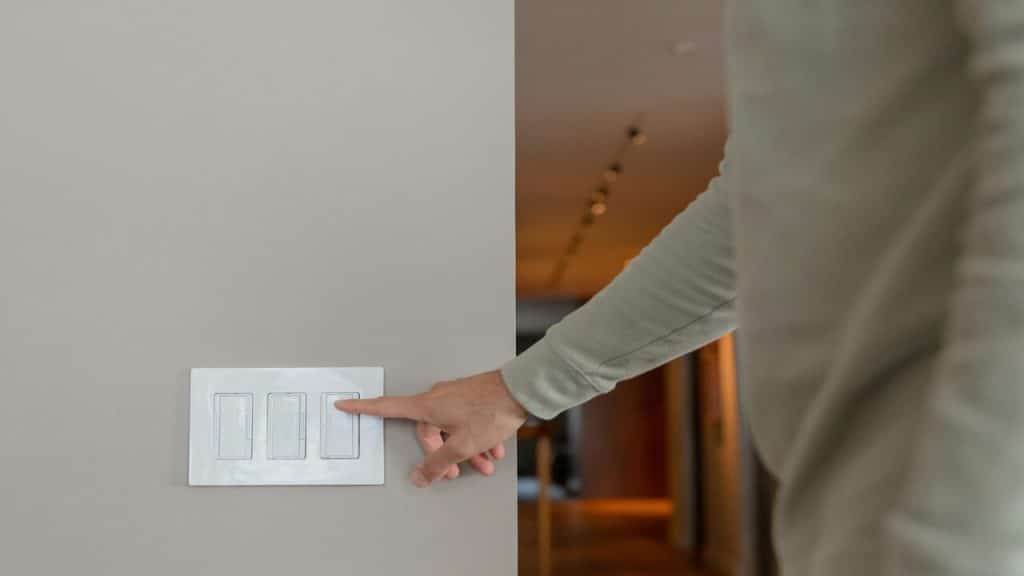
Yes, electricity bills matter–but one forgotten switch doesn’t warrant a shouting match. Arguing over this rarely changes habits and only builds resentment. A better approach is to agree on an easy fix–like installing motion-sensor bulbs or making it a playful reminder instead of a scolding. Remember: frustration over small oversights is rarely about the light itself, but about feeling ignored or unconsidered. Address that feeling, not the switch.
2. What TV Show to Watch

Streaming has given us endless options, which ironically sparks pointless debates. Fighting over a series choice wastes more time than just flipping a coin or alternating days. If it’s about feeling left out, compromise with a “solo and together” rule–watch some shows alone, save others as shared experiences. The goal isn’t perfect agreement, but keeping TV time stress-free and fun.
3. Who Forgot to Take Out the Trash

Trash duty arguments often stem from expectations, not the bag itself. If one person feels they’re carrying more of the load, the trash becomes the battleground. Instead of fighting, create a clear system–odd and even days, or whoever’s closest handles it. When expectations are set, the task loses its emotional weight. Save your energy for real teamwork, not garbage squabbles.
4. What Time to Leave the House

Couples and families can waste more energy on punctuality than on the actual event they’re heading to. These fights usually arise from mismatched personalities–one is time-conscious, the other more laid-back. Instead of bickering, build in buffer time or agree on a “ready by” compromise. Treat it as planning for each other’s stress levels, not as a moral failing.
5. Whose Turn It Is to Drive

Car fights can ruin an outing before it starts. The real issue usually isn’t driving–it’s fairness. One person feels stuck always at the wheel, while the other feels nagged about their driving style. A rotating schedule solves the fairness part, while a little patience with different driving quirks avoids unnecessary flare-ups. Don’t let something as simple as a steering wheel steer your mood.
6. Where to Eat Tonight

The classic dinner argument is rarely about food–it’s about decision fatigue. After a long day, nobody wants the mental load of choosing. Instead of dragging it into a fight, create a rotating list of go-to spots or a “who chooses” rule that alternates daily. That way, neither of you feels stuck with the blame if the choice isn’t perfect.
7. Leaving Dishes in the Sink

The sink has ended more good moods than bad weather. But the fight isn’t really about dirty plates–it’s about respect. If one partner constantly leaves dishes, the other feels dismissed. The fix? Agree on a cutoff–no dishes left overnight–or divide the load into cooking and cleaning. Frame it as teamwork, not nagging, and you’ll avoid repeat battles.
8. Who Gets the Remote Control

The remote often becomes a symbol of control more than a tool for entertainment. Fighting over it can make leisure time feel like a turf war. A smart strategy is designating “driver and passenger” roles: whoever holds the remote chooses, the other makes suggestions. It restores balance without turning every click into conflict.
9. Forgetting to Buy Something at the Store

A missing carton of milk isn’t worth a full-blown debate. Forgetfulness is human, but when it becomes a flashpoint, it usually masks deeper stress. Instead of arguing, make grocery lists shared on your phone or set reminders. Fighting over missed items wastes more energy than simply solving the gap.
10. Whose Family to Visit More

This argument can spiral from a simple scheduling issue into a full family feud. But often, both sides just want fairness and connection. The healthier path is transparency–lay out family expectations and balance them over time, not in one weekend. Keeping score only breeds tension; treating it as “both families matter” avoids resentment.
11. What Direction to Take While Driving

Few things spark snappy fights faster than a wrong turn. But in the age of GPS, this argument is more about pride than practicality. One person feels criticized, the other feels unheard. Instead of escalating, agree that the navigator leads, and the driver trusts. Getting there smoothly is worth more than “being right” about the route.
12. Forgetting to Lock the Door

Safety matters, but blowing up over a forgotten lock is counterproductive. The fear behind this argument is valid–nobody wants to risk a break-in–but yelling doesn’t solve the pattern. Installing smart locks or a quick double-check routine at night can eliminate the trigger entirely. Solve it with systems, not shouting.
13. Leaving Clothes on the Floor

Clothing piles aren’t a crime, but they become battlegrounds for neatness standards. The fight is rarely about the shirt on the floor; it’s about feeling respected in shared spaces. Instead of nagging, create zones–one person’s chair for their “temporary” pile, while common areas stay clear. Boundaries beat battles every time.
14. Whose Music to Play in the Car

Music wars often erupt because playlists feel personal–rejecting someone’s songs can feel like rejecting them. But fighting over the stereo only kills the mood of the drive. The solution? Alternate playlists or mix shared favorites into a joint playlist. Keep rides collaborative instead of competitive, and nobody feels shut out.
15. Who Gets the Shower First

Bathroom battles are classic but pointless. Arguing over shower order usually happens when both are rushed. A better approach is setting a simple rule–like alternating days or whoever wakes first gets dibs. The more predictable the system, the less reason to argue. Routine beats tension every time.
16. How to Fold Laundry

Believe it or not, laundry folding can ignite heated debates–shirts rolled versus folded, towels tri-fold versus bi-fold. But the truth is, clothes don’t care. The argument is often about control, not cotton. If someone insists on a method, let them handle that task. Delegation solves what debate never will.
17. Forgetting to Reply to a Text

A missed text reply can snowball into a fight about priorities. But most of the time, it’s simple distraction, not disrespect. Instead of arguing, talk about communication expectations–how fast do you each expect replies? Setting clarity eliminates misinterpretation. Don’t let a bubble on a screen burst your peace.
18. What Temperature to Set the Thermostat

The thermostat is one of the most common and silliest triggers for household conflict. Comfort levels differ, but arguing won’t make either of you feel better. Instead, compromise with layers–blankets or fans–so both can adjust individually. Fighting the air itself is a losing game. Work with flexibility, not against each other.








Ask Me Anything