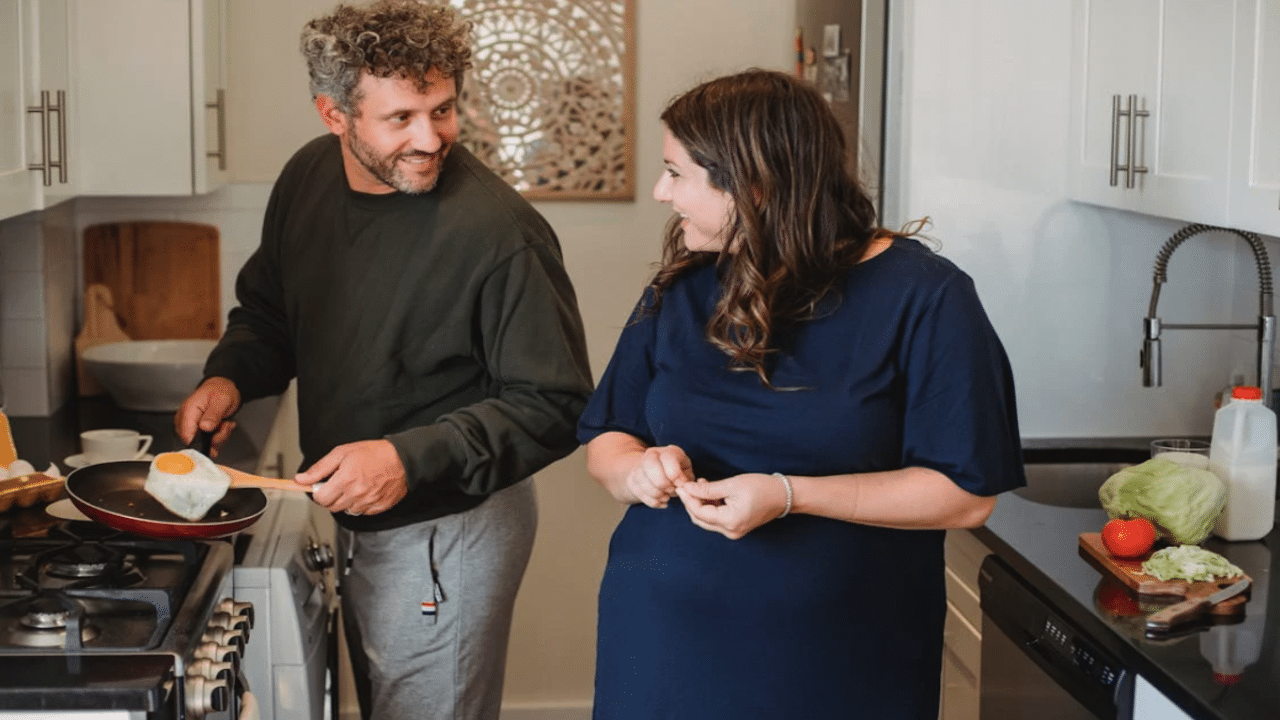
Every relationship goes through phases–the honeymoon glow, the occasional rut, and everything in between. But one of the surest ways to keep love strong is to continually choose respect and appreciation, even when life (and each other) get messy. According to research from the Gottman Institute, couples who intentionally nurture fondness and admiration have a far higher chance of staying together and feeling fulfilled.
Here’s how to rebuild that positive lens and remind yourself why your partner is worth respecting–every single day. Note, however, that while these tips can help strengthen healthy relationships, they’re not a fix for situations that are toxic, manipulative, or abusive. If your relationship is consistently draining your sense of safety, self-worth, or peace, it’s okay–and often necessary–to walk away. Choosing yourself is also an act of respect.
Remember What Made You Fall in Love
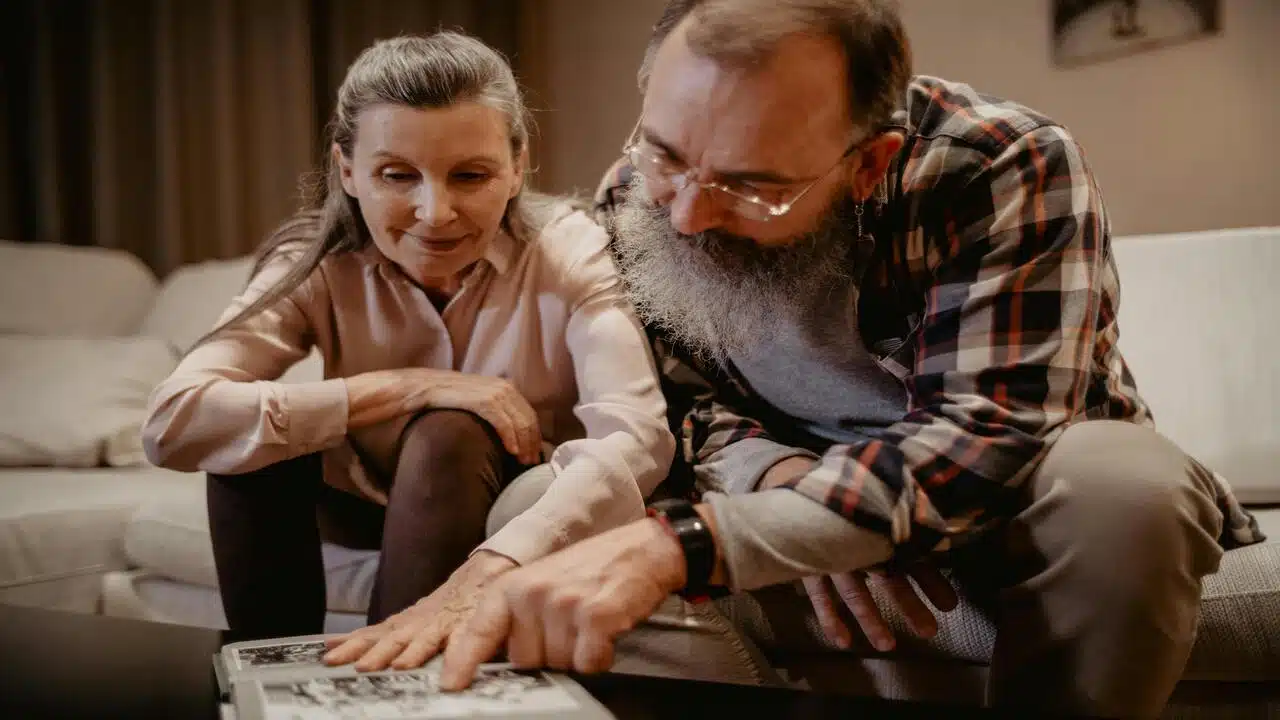
When you first met, you probably couldn’t stop thinking about all the things that made your partner special–their laugh, their energy, their kindness. Over time, it’s easy to focus on flaws instead. Take a few quiet minutes to recall those early days and name three specific traits that drew you in. Research shows that intentionally recalling positive memories can reignite affection and empathy, even during conflict. It’s not about living in the past–it’s about remembering that the person you love still carries the same core goodness.
Stop Scorekeeping

One of the fastest ways to lose respect is to start mentally tallying who’s done more–who cleaned, who called, who compromised. Love isn’t an accounting system. If you find yourself keeping score, pause and ask, “What’s my goal here?” Shifting from competition to collaboration creates space for generosity and gratitude. You’ll feel lighter, and your partner will sense that the relationship is once again a team effort, not a tug-of-war.
Speak to Them Like You Would a Friend
It’s strange how we often speak more kindly to strangers than to the person we love. Try softening your tone when you’re irritated–use phrases like “I feel” instead of “You always.” The Gottman Institute calls this a “soft startup,” which dramatically increases the chances of a constructive conversation. Respect thrives in emotional safety, not sarcasm or blame.
Catch Them Doing Something Right

We’re quick to notice what our partner misses, but far slower to acknowledge what they do right. Make a point of verbally appreciating small things–taking out the trash, listening without judgment, making you coffee. Compliments are like micro-deposits in your emotional bank account. They build a sense of being valued, which fuels mutual respect and affection.
Stop Comparing Your Relationship

Social media makes it dangerously easy to romanticize other people’s love lives. But comparison always breeds resentment. Instead of thinking, “They seem happier,” remind yourself that every couple has private struggles–and yours is built uniquely for you. Respect grows when you stay grounded in your reality and appreciate the small, genuine moments that others might overlook.
Take Responsibility for Your Side of Things

Nothing dissolves respect faster than defensiveness. When conflict arises, own your part of it, even if it’s small. Saying, “I see how that hurt you” or “I could’ve handled that better” shows emotional maturity. Responsibility builds credibility–and credibility earns respect. It also creates a ripple effect; your partner is more likely to mirror your humility and self-awareness.
Create Rituals of Connection

Respect isn’t built in grand gestures–it’s built in consistency. Rituals like morning check-ins, evening walks, or Saturday coffee dates strengthen your bond. These shared habits remind you that your partner isn’t just a cohabitant; they’re your chosen person. Over time, these moments reinforce a baseline of goodwill that helps you see them with warmth, even when life gets chaotic.
Learn Their Stress Language

Everyone has a unique way of showing stress–some withdraw, others overtalk. Instead of taking their behavior personally, learn to recognize the signs of overwhelm. Respond with empathy, not irritation. This practice turns friction into understanding. When your partner feels seen instead of judged, mutual respect deepens naturally.
Defend Them in Their Absence
If others criticize your partner–even jokingly–don’t join in. Protect their dignity when they’re not around. This doesn’t mean ignoring valid concerns, but it does mean honoring their humanity. Standing up for them reinforces your loyalty and helps you keep viewing them through a lens of respect, not casual disrespect.
Stay Curious Instead of Critical

Criticism shuts people down; curiosity invites them in. When your partner does something you don’t understand, try asking, “What made you feel that way?” instead of “Why would you do that?” It’s a small shift that keeps communication open and builds mutual respect. Curiosity says, “I value your perspective,” while criticism says, “You’re wrong.” Choose the former.
Focus on Effort, Not Perfection

Respect grows when you notice effort–not flawless execution. If your partner is trying to grow, even imperfectly, acknowledge that. Whether they’re learning to communicate better or showing up differently, let them know you see their effort. Encouragement fuels motivation and fosters a cycle of mutual appreciation instead of frustration.
Learn to Self-Soothe Before Reacting

In heated moments, we often say things that erode respect. Learning to pause and calm yourself–through deep breathing, a short walk, or simply saying “I need a moment”–can save your relationship from unnecessary damage. Emotional regulation is a sign of inner respect, and that stability helps your partner feel emotionally safe with you.
Talk About Your Partner as If They’re Listening

Imagine your partner overhearing your conversations about them. Would they feel admired or embarrassed? The way you speak about your partner to friends or family sets the tone for how you see them internally. Choose to highlight their strengths, their humor, their loyalty. Words shape perspective–and perspective shapes respect.
See Them as a Whole Person, Not a Role

It’s easy to see your partner only as “the parent,” “the breadwinner,” or “the one who never listens.” But reducing them to a role dehumanizes them. Step back and see them as a multidimensional human with dreams, fears, and flaws. When you view them with compassion instead of labels, respect flows more freely.
Forgive Generously

Holding grudges quietly poisons your view of your partner. Forgiveness doesn’t mean condoning hurtful behavior; it means choosing not to let resentment dictate your perception. Remember that both of you are learning how to love better. Forgiveness is a form of respect–it honors your partner’s humanity and your shared commitment to growth.
Give Them the Benefit of the Doubt

Sometimes, love is about assuming the best. If your partner forgets something or says something offhand, resist jumping to conclusions. Assume positive intent unless proven otherwise. This small mental habit keeps your perspective generous and prevents minor irritations from becoming major trust issues.
Choose Admiration Daily

Respect isn’t a one-time act; it’s a daily decision. Make it a habit to admire your partner intentionally–not just when things are good, but especially when they’re hard. Whether it’s their resilience, humor, or kindness, name it. The more you feed admiration, the less room resentment has to grow. Over time, you’ll see your partner–and your relationship–through a renewed, loving lens.








Ask Me Anything