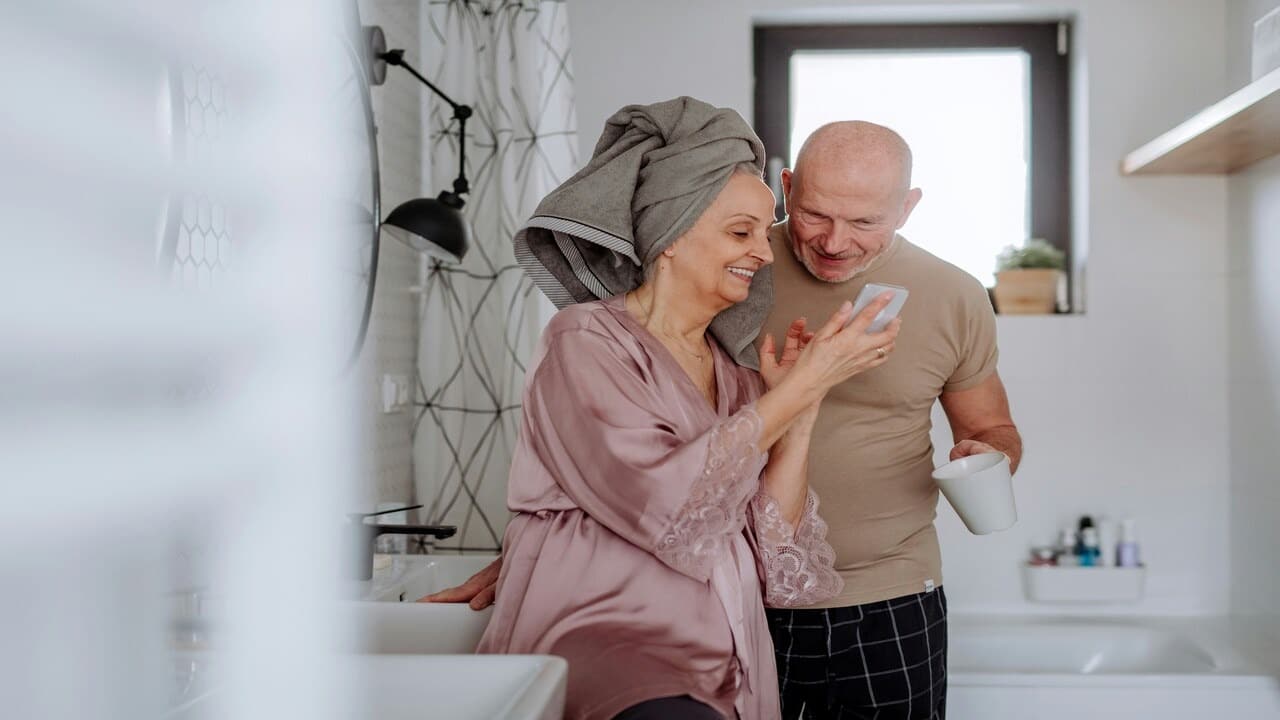
Love after 50 doesn’t look like it did at 25—and that’s a good thing. By this stage, most people have survived heartbreak, raised families, built careers, buried parents, and learned the hard way what they can and cannot tolerate. The urgency fades, but the depth increases. The games feel exhausting, but the conversations feel richer.
If you’ve ever wondered why relationships seem steadier, more intentional, and surprisingly passionate in midlife, here’s what people over 50 tend to do differently—and what you can start doing now if you want a love that actually lasts.
They Stop Romanticizing Potential

By 50, most people have dated “projects” and learned the cost. They no longer fall in love with who someone could become; they evaluate who that person is today. Instead of excusing red flags as “growth opportunities,” they ask practical questions: Is this person kind under stress? Do they handle money responsibly? How do they treat waitstaff? If you want to adopt this mindset earlier, start observing patterns instead of promises. Chemistry is exciting, but consistency is what builds a peaceful life.
They Communicate Directly—Even When It’s Awkward

People over 50 are less likely to hint, test, or play emotional chess. They’ve realized that unspoken expectations quietly poison relationships. If they want exclusivity, clarity, or more time together, they say it. If something bothers them, they address it before resentment hardens. The practical takeaway? Replace passive-aggressive comments with simple sentences like, “When that happens, I feel overlooked. Can we handle it differently?” Directness isn’t harsh—it’s respectful.
They Value Peace Over Drama

In younger years, intensity can be mistaken for passion. After 50, calm feels sexy. Emotional stability becomes more attractive than grand gestures. They choose partners who regulate themselves, not ones who create chaos and call it excitement. If your love life feels like a rollercoaster, ask yourself whether you’re addicted to adrenaline instead of intimacy. Start prioritizing how someone makes you feel on an ordinary Tuesday, not just on vacation.
They Don’t Rush Milestones

There’s less pressure to “beat the clock.” Many have already married, divorced, or raised children. That experience removes the urgency to force timelines. They let relationships unfold at a natural pace, paying attention to compatibility rather than optics. Practically speaking, this means having honest conversations about expectations early—but allowing trust to build steadily instead of trying to fast-forward commitment.
They Protect Their Independence

By midlife, routines, hobbies, and friendships are well-established. People over 50 don’t abandon their identity to merge with someone else’s. They keep their gym time, book clubs, golf Saturdays, or solo travel traditions. Healthy love becomes an addition, not a replacement. If you struggle with over-merging, schedule non-negotiable personal time each week. Independence keeps attraction alive.
They Talk Openly About Money

Financial secrecy loses its appeal after enough real-world experience. People over 50 know that money disagreements can quietly destroy love. They discuss debts, retirement plans, spending habits, and financial goals earlier and more transparently. Instead of assuming alignment, they compare values. You can practice this by having “money dates” where you talk through priorities calmly, without shame or ego.
They Accept Emotional Baggage—Theirs and Yours

At 50+, everyone has history. Divorces, grief, career failures, estranged relatives—these aren’t deal-breakers; they’re context. Instead of demanding a clean slate, they look for self-awareness and accountability. If someone owns their past and has grown from it, that matters more than perfection. The lesson: stop hiding your scars. Share them thoughtfully, and pay attention to how someone responds.
They Prioritize Health and Longevity
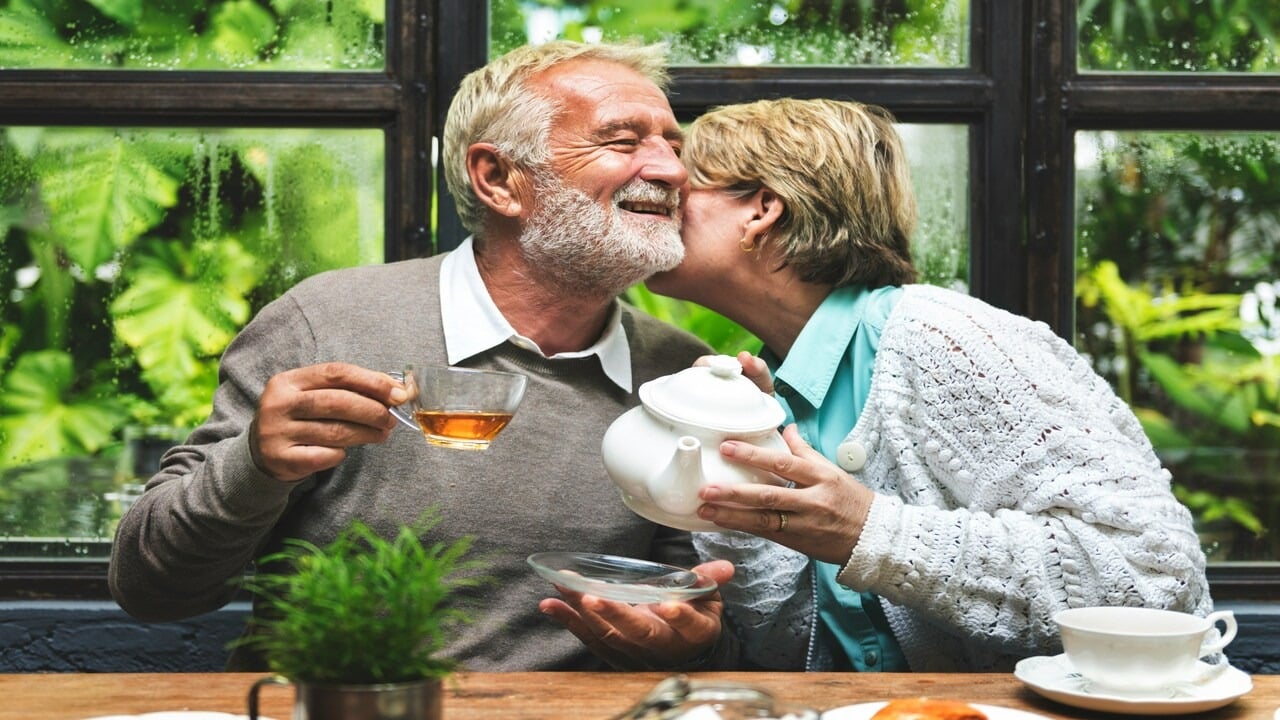
Love after 50 often includes conversations about blood pressure, fitness, diet, and long-term care. It’s less superficial and more practical: “Can we grow old well together?” They encourage each other’s doctor visits and morning walks. If you want lasting partnership, treat your health as a shared investment. Planning for vitality is romantic in its own way.
They Let Go of Winning Arguments

With age comes perspective. Being “right” loses its thrill when you realize the cost is emotional distance. People over 50 are more likely to ask, “Do I want to win this, or do I want to understand?” They apologize faster and defend less. You can apply this immediately: during your next disagreement, try summarizing your partner’s point before making your own. Understanding diffuses defensiveness.
They Redefine Physical Intimacy
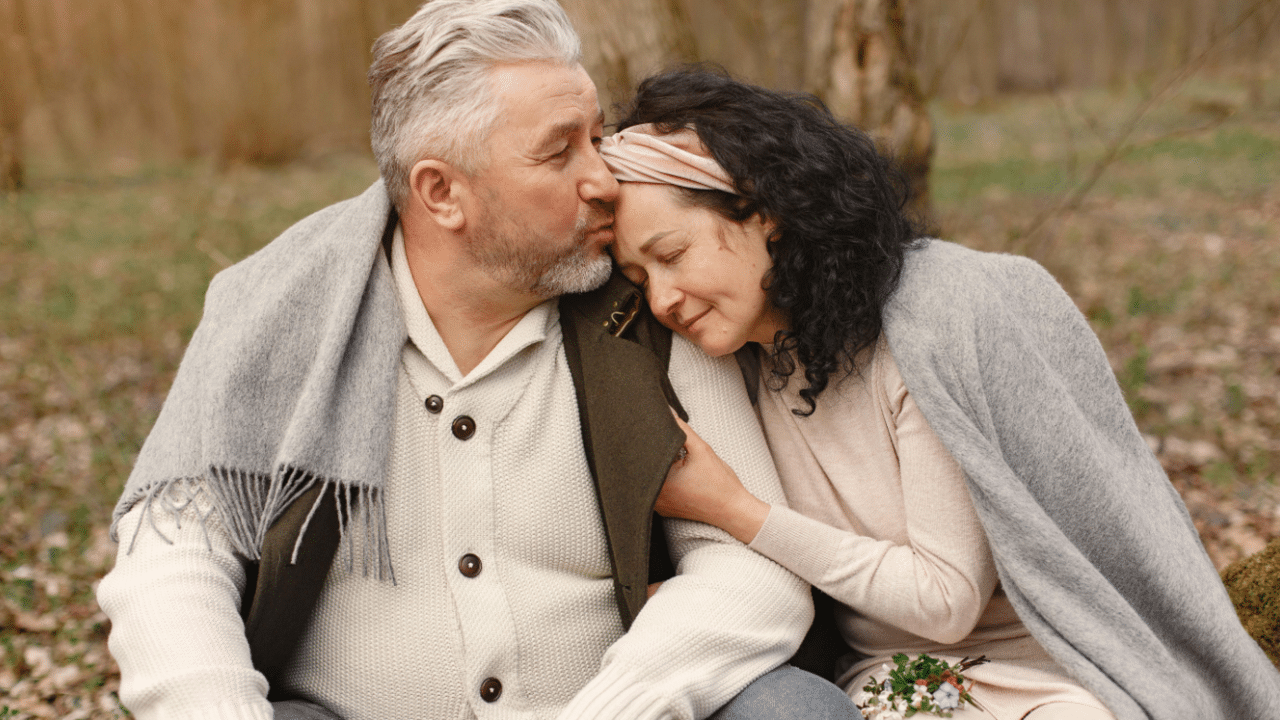
Intimacy becomes less about performance and more about connection. There’s more communication, more patience, and often more playfulness because insecurity has softened. They understand that desire ebbs and flows—and they talk about it instead of panicking. If you want deeper intimacy, focus less on impressing and more on being present. Emotional safety amplifies physical closeness.
They Choose Compatibility Over Social Approval
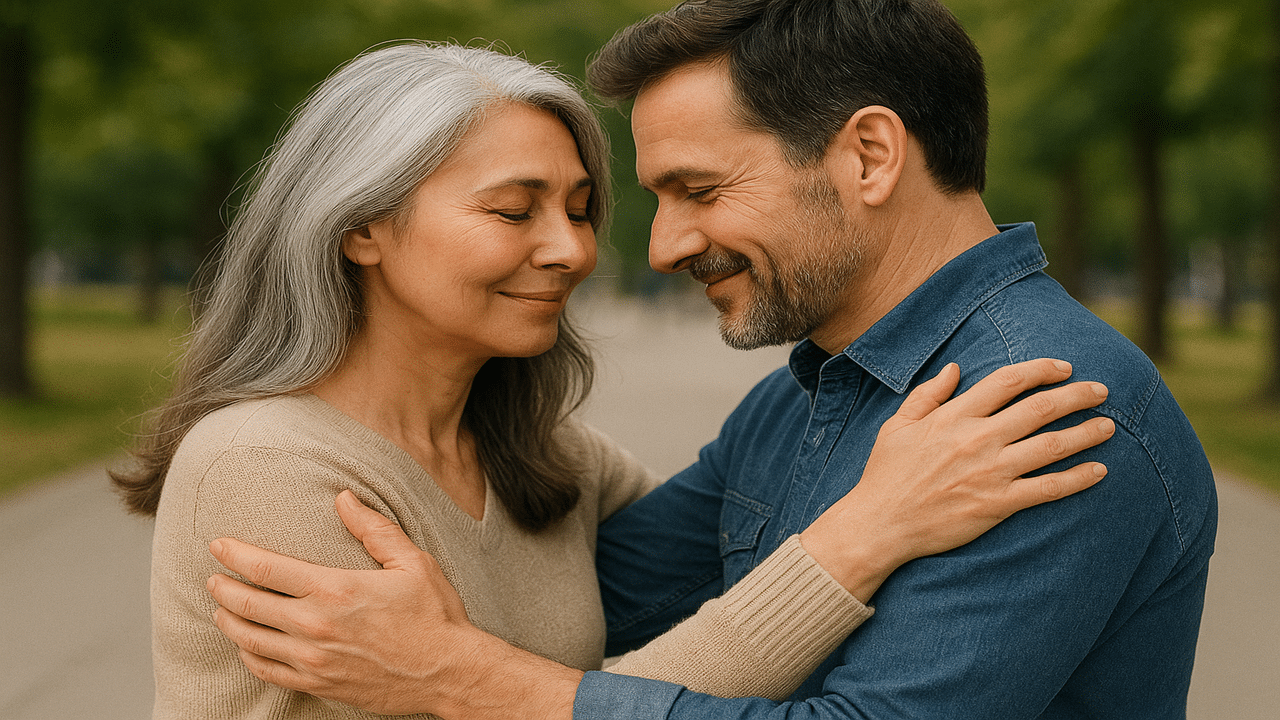
At 25, outside opinions can carry weight. At 55, less so. People over 50 are less concerned about impressing friends or meeting societal expectations. They care about how the relationship actually feels. If your decisions are still filtered through “What will people think?” it may be time to recalibrate. Your life partner doesn’t need to win a popularity contest—just your respect.
They Embrace Second Chances Carefully

Many midlife relationships are second (or third) acts. But optimism is balanced with discernment. They’re open to love again, yet slower to trust blindly. They ask thoughtful questions and watch for alignment in actions. If you’ve been hurt before, take your time—but don’t let fear turn into emotional unavailability. Courage and caution can coexist.
They Invest in Emotional Maturity

Therapy, self-help books, honest conversations with friends—people over 50 are often more willing to do the internal work. They’ve seen what avoidance costs. Emotional growth becomes less embarrassing and more essential. If you want a higher-quality relationship, commit to self-reflection. Ask yourself regularly: “How do I show up when I’m stressed? Defensive? Afraid?” Growth fuels connection.
They Appreciate Small Gestures More

Grand gestures lose their novelty; daily kindness gains power. A cup of coffee made just right. A text saying “Drive safe.” Picking up medication without being asked. These small acts build trust quietly over time. Try increasing micro-acts of care this week. Consistency in the mundane creates extraordinary stability.
They Discuss End-of-Life Realities

It may sound unromantic, but talking about wills, healthcare directives, and aging parents reflects deep commitment. Love at this stage includes practical foresight. Avoiding the topic doesn’t prevent reality—it only creates confusion later. Start small: ask how your partner envisions their later years. These conversations build intimacy through honesty.
They Forgive More, But Tolerate Less

There’s a paradox here. People over 50 often let go of minor annoyances more easily—they’ve learned not to sweat every detail. But they’re far less tolerant of disrespect, dishonesty, or emotional volatility. Boundaries become clearer and firmer. You can adopt this balance now: release petty irritations, but hold your line on core values.
They Love With Gratitude, Not Entitlement

Perhaps the biggest shift is perspective. After loss, divorce, or health scares, love feels less guaranteed and more precious. People over 50 often approach relationships with gratitude rather than expectation. They say “thank you” more. They recognize effort. They understand that having someone beside you is a privilege. If you want deeper love at any age, practice noticing what’s going right—and say it out loud.








Ask Me Anything