
Smothering rarely looks like control at first. More often, it shows up as “care,” “concern,” or “just wanting to stay close.” The tricky part is that these behaviors usually come from good intentions—love, fear of loss, or anxiety about the relationship. But over time, too much closeness without enough breathing room can quietly drain attraction, trust, and emotional safety.
If you’ve ever felt confused about why your partner seems distant despite your efforts, these subtle patterns might explain it. The goal here isn’t blame—it’s awareness, adjustment, and healthier connection.
Constantly Checking In “Just to Be Sure”

Frequent check-ins can feel caring, but they often communicate anxiety or distrust. Asking where they are, who they’re with, or how they’re feeling multiple times a day sends the message that they’re being monitored. Over time, this creates pressure instead of closeness. Your partner may start feeling like they need to report their life rather than live it. A better approach is to trust established routines and patterns. If nothing is wrong, let quiet moments stay quiet.
Treating Their Independence Like a Threat

When your partner wants time alone or time with friends, reacting with hurt or insecurity can quietly guilt them into shrinking their world. Even subtle comments or moods can discourage healthy independence. Relationships thrive when both people feel free, not managed. Instead of seeing independence as distance, view it as fuel for attraction. Encourage their autonomy and use that time to strengthen your own sense of self.
Over-Explaining Your Feelings All the Time

Emotional openness is healthy, but constant emotional processing can overwhelm a partner. If every internal shift turns into a conversation, they may feel responsible for managing your emotions. This can create fatigue rather than intimacy. Before sharing, ask yourself if the feeling needs immediate discussion or private reflection first. Processing some emotions on your own makes shared conversations more meaningful.
Expecting Immediate Replies to Messages

Wanting responsiveness is normal, but expecting instant replies creates pressure. If delayed texts trigger anxiety or frustration, your partner may feel like they’re always “on call.” This turns communication into obligation instead of connection. Practice tolerating gaps without filling them with assumptions. Secure relationships don’t rely on constant digital reassurance to feel stable.
Inserting Yourself Into Every Decision

Offering advice is different from hovering over choices. When you regularly comment on what they should do, wear, or prioritize, it can erode their confidence. Even helpful suggestions can feel controlling when they’re constant. Try asking whether they want input or just support. Respecting their decision-making builds trust and mutual respect.
Taking It Personally When They Need Space

Needing space doesn’t automatically mean something is wrong. Many people pull back briefly to recharge or think. If you respond with hurt or defensiveness, your partner may stop asking for space altogether. That leads to emotional bottling, not closeness. Calm acceptance makes reconnection easier and healthier.
Making Them the Center of Your Entire World

When your partner becomes your main source of happiness, pressure quietly builds. They may feel responsible for your emotional stability, which can be exhausting. Healthy relationships exist between two full lives, not one life orbiting another. Reinvest in friendships, interests, and goals outside the relationship. Independence keeps attraction alive.
Needing Constant Reassurance About the Relationship

Frequently asking “Are we okay?” can signal insecurity rather than closeness. Over time, your partner may feel like they’re constantly managing your fears. This dynamic drains emotional energy and can create distance. Learn to self-soothe before seeking reassurance. When reassurance is occasional, it feels bonding instead of burdensome.
Monitoring Their Mood Too Closely

Being emotionally aware is good; being hyper-vigilant is not. If you analyze every tone shift or expression, your partner may feel watched. They might start hiding emotions to avoid conversations or conflict. Give them room to have off days without interrogation. Trust that they’ll communicate when something truly matters.
Assuming Responsibility for Their Happiness

Trying to fix your partner’s emotions can cross into emotional caretaking. While support matters, taking over their emotional work can feel smothering. It also prevents them from building resilience. Ask how you can help instead of rushing to solve. Sometimes listening is more powerful than fixing.
Using Guilt Without Realizing It

Comments like “I guess I’ll just be alone then” can pressure your partner emotionally, even if said casually. These remarks create obligation instead of choice. Over time, they can lead to resentment or emotional withdrawal. Practice stating needs directly and without emotional leverage. Healthy connection is chosen, not coerced.
Expecting Them to Meet All Your Emotional Needs

No partner can be everything. When your partner becomes your only outlet for support, encouragement, and comfort, the emotional load becomes heavy. This often leads to burnout or withdrawal. Build a broader support system. Strong relationships exist within a wider emotional ecosystem.
Over-Scheduling Time Together

Quality time matters, but too much forced togetherness can feel restrictive. If every free moment is expected to be shared, your partner may feel trapped rather than desired. Leave room for spontaneity and individual plans. Ironically, less pressure often leads to more meaningful time together.
Struggling to Let Small Things Go

Turning every minor irritation into a discussion can feel emotionally crowded. If your partner feels constantly corrected or analyzed, they may shut down. Learn to choose which issues truly matter. Ask yourself if the problem will still matter in a month. Letting small things slide protects emotional space.
Seeking Validation Through Over-Sacrifice

Doing too much in hopes of appreciation can create unspoken expectations. When those expectations aren’t met, resentment builds. Over-giving can feel suffocating rather than loving. Give from choice, not fear of losing them. Healthy generosity doesn’t require constant validation.
Resisting Change in the Relationship Dynamic
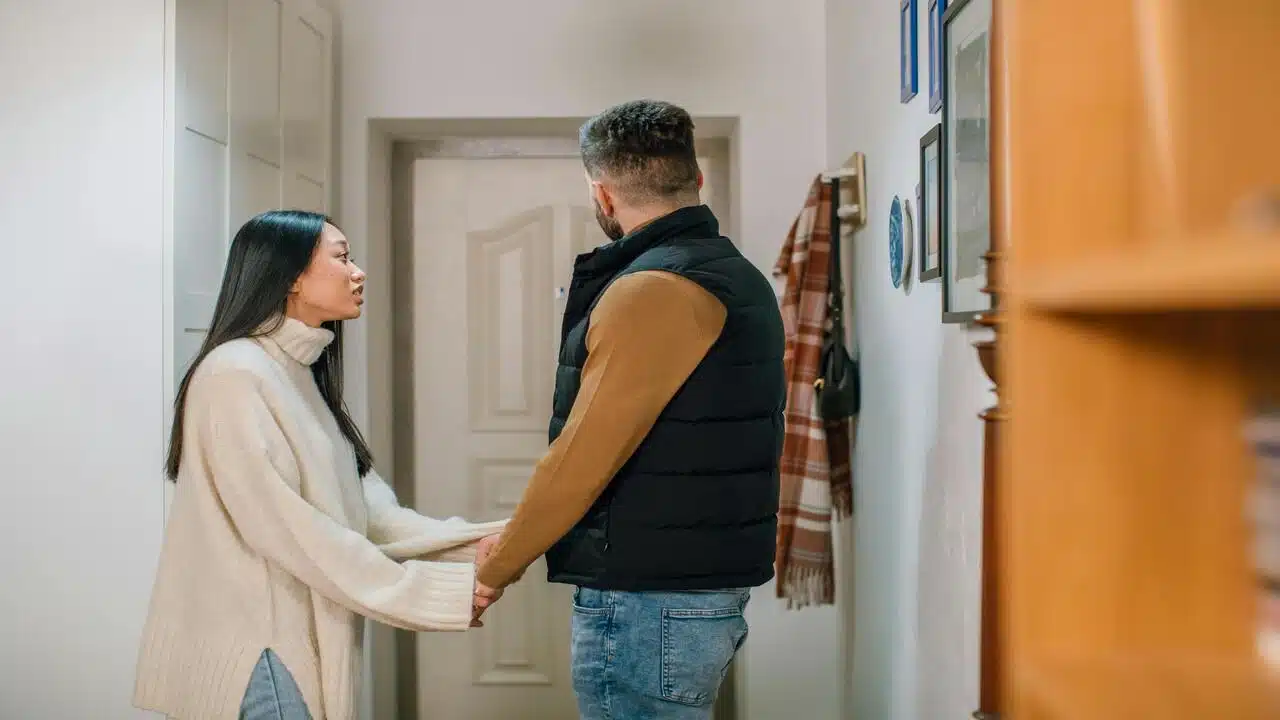
People grow, schedules change, and needs evolve. Clinging to how things used to be can feel stifling to your partner. Flexibility is a sign of emotional maturity. Instead of resisting change, get curious about it. Growth keeps relationships alive.
Confusing Intensity With Intimacy

Constant closeness and emotional intensity aren’t the same as deep connection. Intensity often comes from anxiety, not security. True intimacy includes comfort, trust, and ease. Allow space without panic. Love doesn’t weaken with breathing room—it strengthens.








Ask Me Anything