
There’s a big difference between getting older and growing into yourself. One feels like loss — of youth, options, attention. The other feels like clarity. Aging with confidence isn’t about pretending you’re 25 or rejecting every wrinkle in the mirror.
It’s about becoming more deliberate, more self-aware, and far less desperate for approval. The people who do this well don’t cling to the past or fear the future. They walk into rooms with quiet certainty, make decisions with calm conviction, and stop apologizing for taking up space. If you’ve been wondering whether you’re stepping into that kind of grounded adulthood, these signs will tell you.
You No Longer Chase Validation

You used to care a lot about who liked your posts, who noticed your new haircut, or who approved of your life choices. Now? You still appreciate compliments, but you don’t rely on them to feel okay about yourself. Aging with confidence means your self-worth is internally sourced. You make decisions based on your values, not on how impressed someone else might be. The practical shift here is subtle: you pause before seeking reassurance and ask, “Do I actually need approval, or do I already know what I want?” That pause is power. Over time, it builds a self-trust that no applause can replace.
You’re Selective With Your Energy

You’ve realized that time and energy are finite resources. Instead of saying yes to every invitation or drama-filled conversation, you choose carefully where you show up. Confident aging looks like declining events without guilt, muting group chats that drain you, and prioritizing relationships that feel reciprocal. You understand that boundaries aren’t rude — they’re strategic. A practical habit to adopt: before committing to something, ask yourself if it aligns with your priorities this season. If the answer is no, let it go. Protecting your peace becomes more important than pleasing everyone.
You’ve Made Peace With Your Appearance

You may still care about how you look — but you no longer obsess over it. You dress well because it feels good, not because you’re competing. You understand that aging shows up on your face and body, and instead of panicking, you adjust. Maybe you upgrade your skincare, refine your style, or focus on strength instead of size. The key difference? You enhance, you don’t chase. Confidence here means accepting change while still taking pride in presentation. When you look in the mirror, you see a whole person, not a list of flaws.
You Value Depth Over Attention

In your younger years, attention might have felt like currency. Now, depth feels richer. You’d rather have one meaningful conversation than a room full of shallow praise. You choose friendships that can handle silence, disagreement, and growth. Aging with confidence shifts your social strategy from “Who notices me?” to “Who understands me?” Practically, this means investing in fewer but stronger connections — calling instead of texting, meeting instead of scrolling, listening more than performing. The noise fades. Substance remains.
You Admit When You’re Wrong

There’s a quiet maturity in being able to say, “I messed up.” Confident adults don’t crumble under accountability; they lean into it. Instead of defending every mistake, you’re more interested in learning from it. This makes you easier to work with, easier to love, and harder to manipulate. The practical move? Replace defensiveness with curiosity. Ask, “What can I take from this?” Growth becomes more important than ego. That’s not weakness — it’s evolution.
You Stop Trying to Be for Everyone

At some point, you realize not everyone will like you — and that’s okay. Aging with confidence means you refine who you are instead of diluting yourself to fit in. You become clearer in your opinions, your humor, your style, and your boundaries. Instead of chasing universal approval, you attract aligned people. The practical shift is simple but powerful: speak honestly in low-stakes situations. Practice stating your preferences. The more you do, the less you feel the need to shrink.
You’re Comfortable Being Alone

Solitude used to feel lonely. Now it feels restorative. You can take yourself to dinner, spend a weekend offline, or sit quietly without panicking. That’s not isolation — that’s emotional independence. When you’re comfortable alone, you stop tolerating bad company just to avoid silence. Practically, this might look like scheduling solo time intentionally instead of waiting for cancellations. When you enjoy your own presence, relationships become additions, not lifelines.
You Make Health a Priority, Not an Afterthought

You understand that your body is not invincible. Instead of extreme diets or sudden fitness sprints, you focus on consistency. You get your checkups. You walk regularly. You sleep intentionally. Aging confidently means you shift from reactive health to proactive care. The practical advice? Choose habits you can sustain for five years, not five weeks. Long-term thinking is a sign you’ve matured beyond short-term vanity.
You’re Financially Intentional
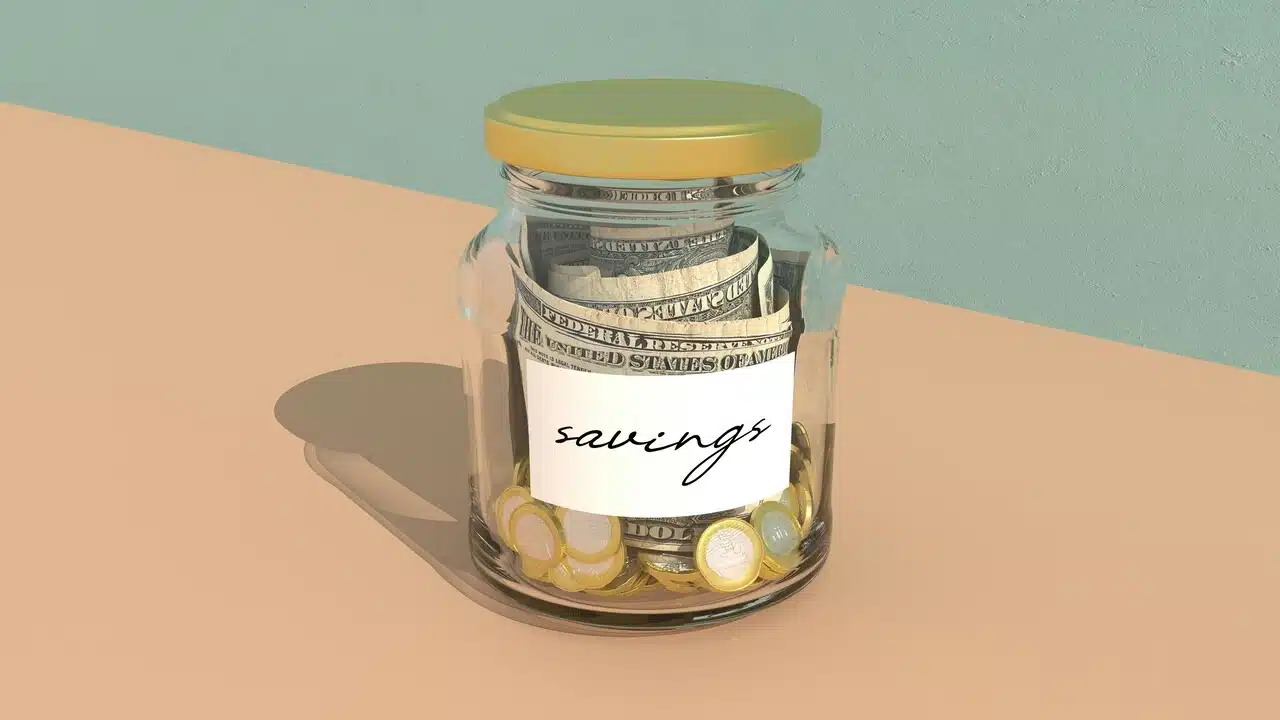
Even if you’re not wealthy, you’re more deliberate. You budget. You invest. You think about the future without spiraling. Aging with confidence means money becomes a tool, not a source of chaos. You stop spending to impress and start spending to build stability. A simple move: automate savings and reduce impulsive purchases that once filled emotional gaps. Financial calm is deeply tied to personal confidence.
You Don’t Rush Milestones

You no longer measure your life against someone else’s timeline. Marriage, kids, promotions, relocations — you understand that comparison is a losing game. Confident aging means defining success on your own terms. Practically, this might mean muting social media during triggering seasons or journaling about what you truly want. You stop asking, “Am I behind?” and start asking, “Is this right for me?”
You Handle Conflict With Composure

You’ve learned that raising your voice rarely raises your credibility. Instead of exploding or shutting down, you respond thoughtfully. You listen before reacting. You take space when needed. Aging with confidence means emotional regulation improves — not perfectly, but noticeably. A practical strategy: delay important responses when you’re heated. Draft the message, then revisit it later. Composure becomes your advantage.
You Invest in Personal Growth

You read. You reflect. You seek feedback. You don’t assume you’re finished evolving. Confident adults stay teachable. Whether it’s therapy, books, courses, or honest conversations, you pursue growth intentionally. The key shift? You improve for yourself, not to impress others. Choose one area of development each year and commit to it deeply. Small, consistent upgrades compound over time.
You Let Go of Old Identities

Maybe you were once “the party one,” “the overachiever,” or “the fixer.” Aging with confidence means you release labels that no longer fit. You don’t cling to outdated versions of yourself just because they once worked. Practically, this requires self-audits: Who am I now? What roles am I still performing out of habit? Letting go makes room for authenticity.
You’re Less Reactive to Criticism

Feedback used to sting for days. Now, you assess it calmly. Is it useful? Keep it. Is it projection? Discard it. Confident aging means your emotional skin thickens without hardening your heart. A practical rule: separate tone from content. Even poorly delivered feedback can contain a useful truth. Your stability comes from discernment, not defensiveness.
You Celebrate Others Without Insecurity

Someone else’s success doesn’t threaten you the way it used to. You clap genuinely because you understand there’s room for everyone. Aging with confidence reduces comparison because you’ve clarified your own lane. A practical mindset shift: treat others’ wins as proof of possibility, not proof of your inadequacy. Scarcity thinking fades as self-trust grows.
You Know When to Walk Away

Whether it’s a job, friendship, or relationship, you recognize when something no longer aligns. Instead of clinging out of fear, you exit with dignity. Confident aging teaches you that peace is more valuable than potential. Practically, this means setting internal deadlines — if something hasn’t improved after honest effort, you reassess. Walking away becomes an act of self-respect, not failure.
You Feel at Home in Your Own Life

The strongest sign of aging with confidence is subtle: you feel settled. Not bored, not stagnant — just grounded. You’re not constantly chasing reinvention. You’re building. There’s a sense that even with challenges ahead, you can handle them. Practically, you spend less time fantasizing about escape and more time improving what’s already yours. That quiet contentment? That’s confidence earned, not performed.








Ask Me Anything