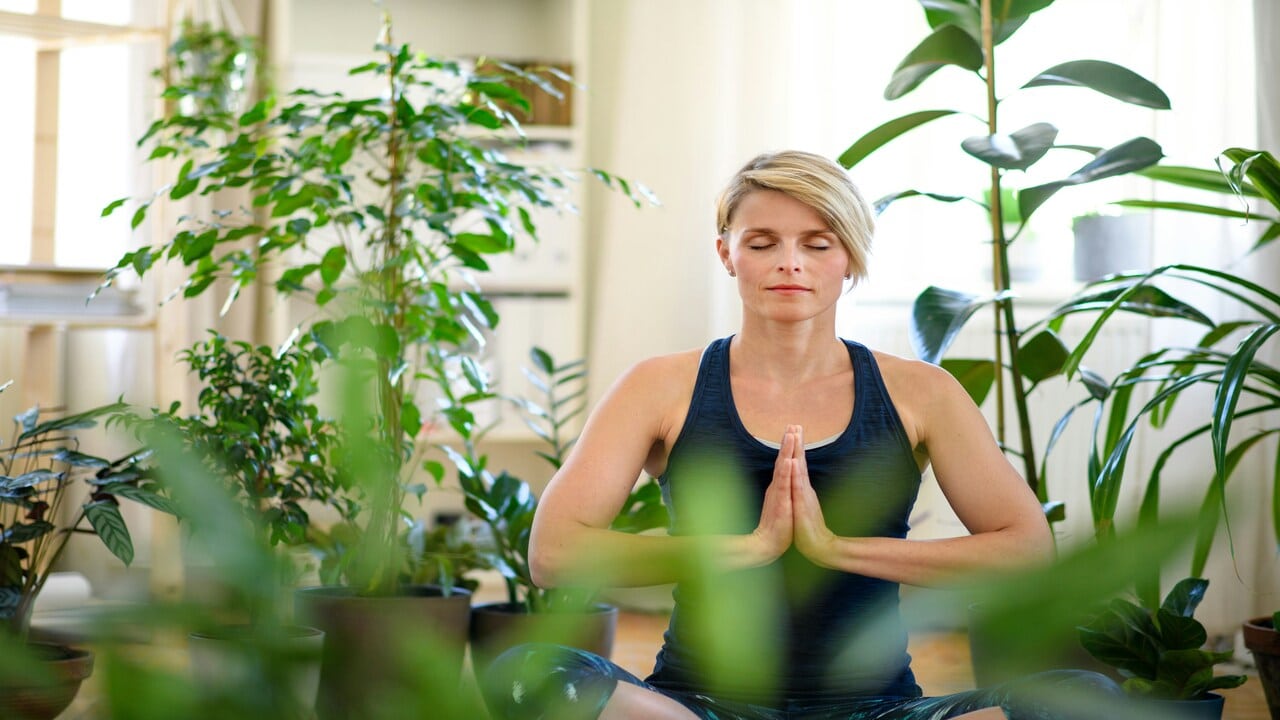
There comes a point in life when constantly explaining yourself, tolerating chaos, or trying to fix everyone around you simply stops feeling worth it. Many women reach a stage where protecting their peace becomes a priority, not because they’ve become cold or distant, but because they’ve learned the cost of emotional burnout. Peace isn’t about avoiding people entirely—it’s about choosing environments, habits, and relationships that don’t drain the soul. When someone starts valuing their inner calm, their behavior subtly shifts.
They communicate differently, respond differently, and sometimes step away from situations that once consumed them. If you notice these changes in a woman, chances are she’s not withdrawing—she’s protecting what took her a long time to build: her peace.
She Stops Arguing To Win

One of the clearest signs she’s protecting her peace is that she no longer feels the need to win every argument. In the past, she may have tried to explain herself repeatedly, hoping the other person would finally understand her perspective. Now she realizes that some people aren’t interested in understanding—they’re interested in being right. Instead of exhausting herself in endless debates, she calmly states her point and moves on. This doesn’t mean she’s weak or passive; it means she’s selective about where she spends her emotional energy. Peace often begins the moment you stop trying to convince people who are committed to misunderstanding you.
She Becomes More Selective With Her Time

Protecting her peace means recognizing that time is one of her most valuable resources. She starts paying attention to which people leave her feeling energized and which ones leave her mentally drained. Instead of saying yes to every invitation, favor, or conversation, she begins choosing more carefully. This might look like declining plans, leaving earlier than usual, or prioritizing quiet evenings over chaotic gatherings. It’s not about isolation—it’s about intention. She’s learned that the way she spends her time directly affects her mental well-being, so she protects it the same way she would protect her health.
She Sets Clearer Boundaries
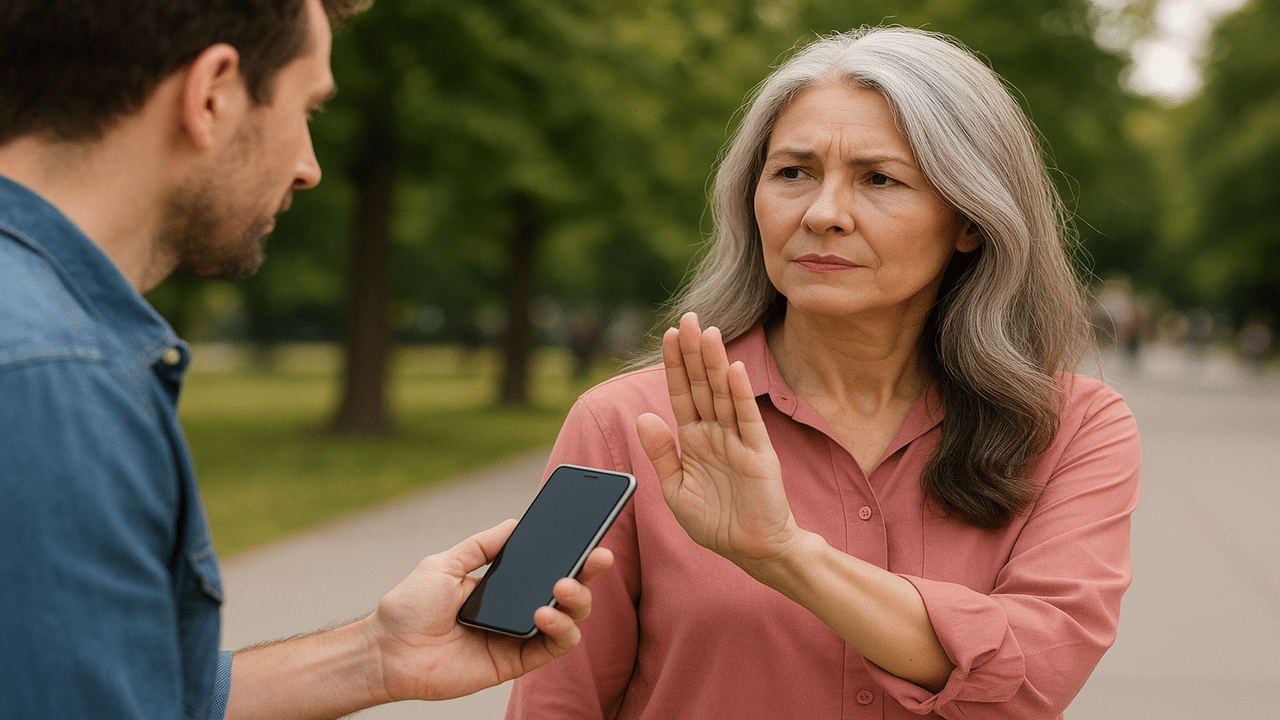
When a woman is protecting her peace, boundaries become non-negotiable. She stops hinting and starts communicating her limits clearly. If something makes her uncomfortable, she says so. If someone repeatedly crosses a line, she creates distance. This can surprise people who were used to her being endlessly accommodating. But boundaries aren’t acts of hostility—they’re acts of self-respect. She understands that without boundaries, resentment quietly builds. By defining what she will and won’t tolerate, she prevents unnecessary stress and protects her emotional balance.
She Doesn’t Respond To Every Message Immediately

A subtle but powerful shift happens when she no longer feels pressured to respond instantly to every text, call, or notification. She understands that constant availability often leads to constant stress. Instead, she replies when she actually has the mental space to engage. This small change can feel radical in a world that expects instant communication. But protecting her peace means refusing to let other people’s urgency dictate her day. She’s learned that not every message requires immediate attention, and her calm matters more than someone else’s impatience.
She Walks Away From Drama Quickly

Drama used to pull her in—now it pushes her away. When she senses gossip, conflict, or emotional manipulation brewing, she removes herself early rather than getting entangled. She no longer feels responsible for fixing everyone’s problems or mediating every disagreement. Protecting her peace means recognizing patterns and choosing distance before things escalate. People who thrive on chaos may accuse her of being “different” or “distant,” but in reality she’s simply refusing to participate in cycles that disrupt her emotional stability.
She Keeps Some Parts Of Her Life Private
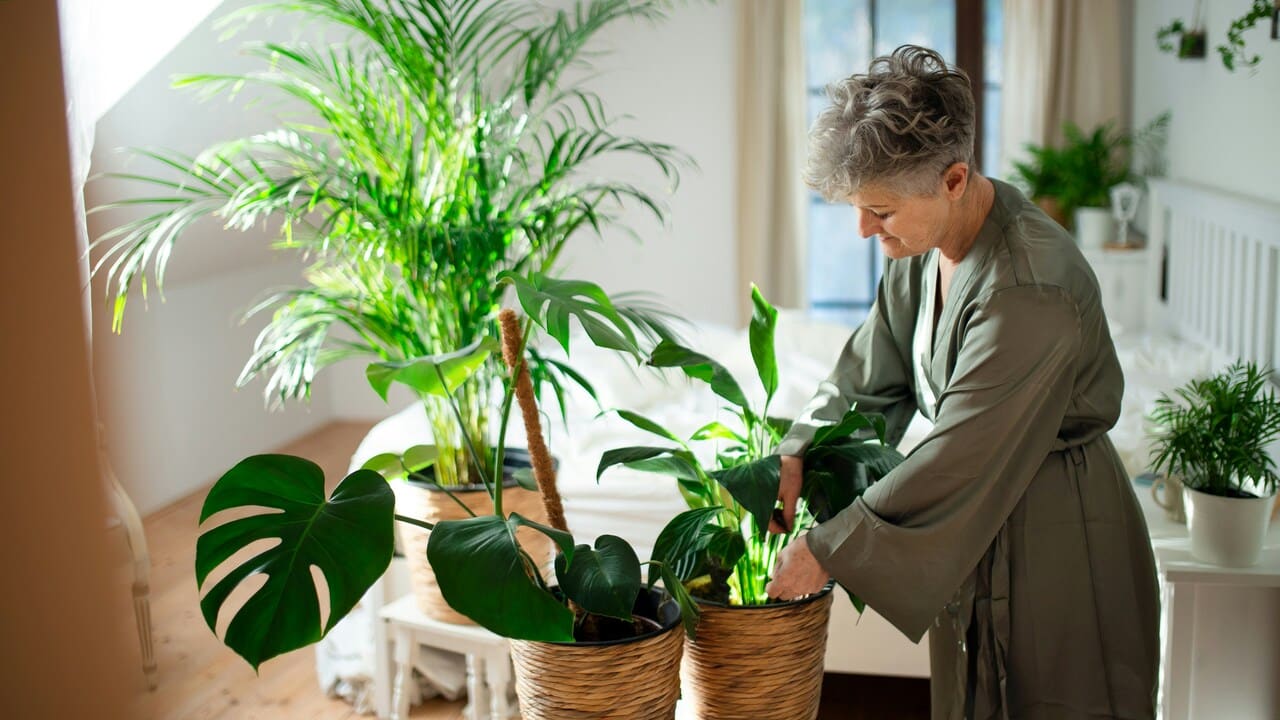
Another sign she’s protecting her peace is that she becomes more private about her personal life. She doesn’t feel the need to share every plan, struggle, or success with everyone around her. Experience has taught her that not every audience is supportive or trustworthy. By keeping certain things close, she protects her energy from unnecessary opinions and criticism. Privacy isn’t secrecy—it’s self-preservation. She’s realized that peace grows when fewer people have access to the parts of life that matter most.
She Prioritizes Rest Without Guilt

In the past, she may have pushed herself constantly, believing productivity was the measure of her worth. Now she understands that rest is not laziness—it’s maintenance for the mind and body. Protecting her peace means listening when she feels overwhelmed or exhausted and allowing herself to slow down. She takes breaks, sleeps when she needs to, and steps back from responsibilities that are stretching her too thin. Instead of apologizing for needing rest, she treats it as something essential, because she knows burnout helps no one.
She Stops Explaining Herself To Everyone

At some point, she realizes that explaining every decision only drains her energy. When she’s protecting her peace, she becomes comfortable making choices without seeking universal approval. She may decline an invitation, change a plan, or step back from a relationship without offering a detailed explanation. This isn’t about being dismissive—it’s about understanding that not everyone is entitled to her reasoning. Peace often arrives when you stop over-justifying your choices and start trusting your instincts instead.
She Becomes Comfortable With Silence

People protecting their peace often develop a new appreciation for quiet moments. Instead of filling every gap with noise, conversation, or distraction, she begins embracing silence. It gives her space to think, reflect, and reconnect with herself. Silence also helps her avoid unnecessary conversations that spiral into stress or negativity. Whether it’s spending time alone, taking a walk without headphones, or simply sitting with her thoughts, these quiet moments become a powerful way to reset her emotional balance.
She Doesn’t Chase People Anymore

When a woman values her peace, she stops chasing attention, validation, or inconsistent relationships. If someone wants to be in her life, their actions will show it. If they don’t, she lets them go without turning it into a personal battle. This shift often surprises people who were used to her making all the effort. But she’s learned that chasing people rarely leads to peace—it usually leads to frustration. Instead, she invests her energy in relationships that are mutual, stable, and respectful.
She Protects Her Morning Routine

Many women who prioritize peace become intentional about how they start their day. Instead of waking up to stress, messages, or immediate demands, she creates a small routine that centers her. It might involve coffee in silence, journaling, stretching, or simply taking a few minutes before checking her phone. The goal isn’t perfection—it’s control over the emotional tone of her morning. By protecting those first moments of the day, she sets a calmer foundation for everything that follows.
She Chooses Her Battles Carefully

She understands that not every issue deserves a reaction. When she’s protecting her peace, she pauses before engaging in conflict and asks herself a simple question: “Is this worth my energy?” If the answer is no, she lets it go. This doesn’t mean she avoids standing up for herself when it matters. Instead, it means she’s strategic about when and where she invests emotional effort. Peace often comes from recognizing that constant confrontation rarely solves anything.
She Spends More Time Alone—And Enjoys It

Solitude begins to feel less like loneliness and more like a form of self-care. She discovers that spending time alone allows her to recharge and reconnect with her own thoughts without outside pressure. Whether she’s reading, exploring a hobby, or simply relaxing, these moments give her clarity. Protecting her peace means realizing that being alone can sometimes feel far healthier than being surrounded by people who bring stress or negativity into her life.
She Stops Taking Everything Personally

Another shift happens when she learns that not everything people say or do is about her. Someone’s bad mood, impatience, or criticism often reflects their own struggles, not her worth. By internalizing this truth, she protects herself from unnecessary emotional turmoil. Instead of absorbing every comment or reaction, she creates a little distance between other people’s behavior and her sense of self. This mindset keeps her grounded even when others are acting unpredictably.
She Invests More In Activities That Bring Joy

Protecting her peace isn’t only about avoiding stress—it’s also about actively seeking joy. She starts making time for things that genuinely make her feel alive, whether that’s creative hobbies, exercise, travel, or meaningful conversations. These activities become anchors that keep her emotionally balanced. Rather than letting life become a series of obligations, she ensures there are moments of enjoyment woven into her routine. Joy, after all, is one of the most powerful forms of peace.
She Accepts That Not Everyone Will Like Her

One of the most freeing realizations is that universal approval is impossible. When she’s protecting her peace, she stops trying to be liked by everyone. She understands that different personalities, values, and expectations will naturally clash. Instead of constantly adjusting herself to fit others’ preferences, she focuses on being authentic. The result is fewer superficial relationships but stronger, more genuine connections with people who appreciate her for who she truly is.
She Chooses Calm Over Chaos

Ultimately, protecting her peace comes down to a simple principle: choosing calm environments, relationships, and habits whenever possible. She pays attention to how people and situations make her feel, and if something consistently creates tension or anxiety, she reevaluates it. This doesn’t mean life becomes perfect or conflict-free. It simply means she no longer accepts chaos as a normal part of everyday life. By choosing calm more often than chaos, she builds a life that feels steady, balanced, and emotionally sustainable.








Ask Me Anything