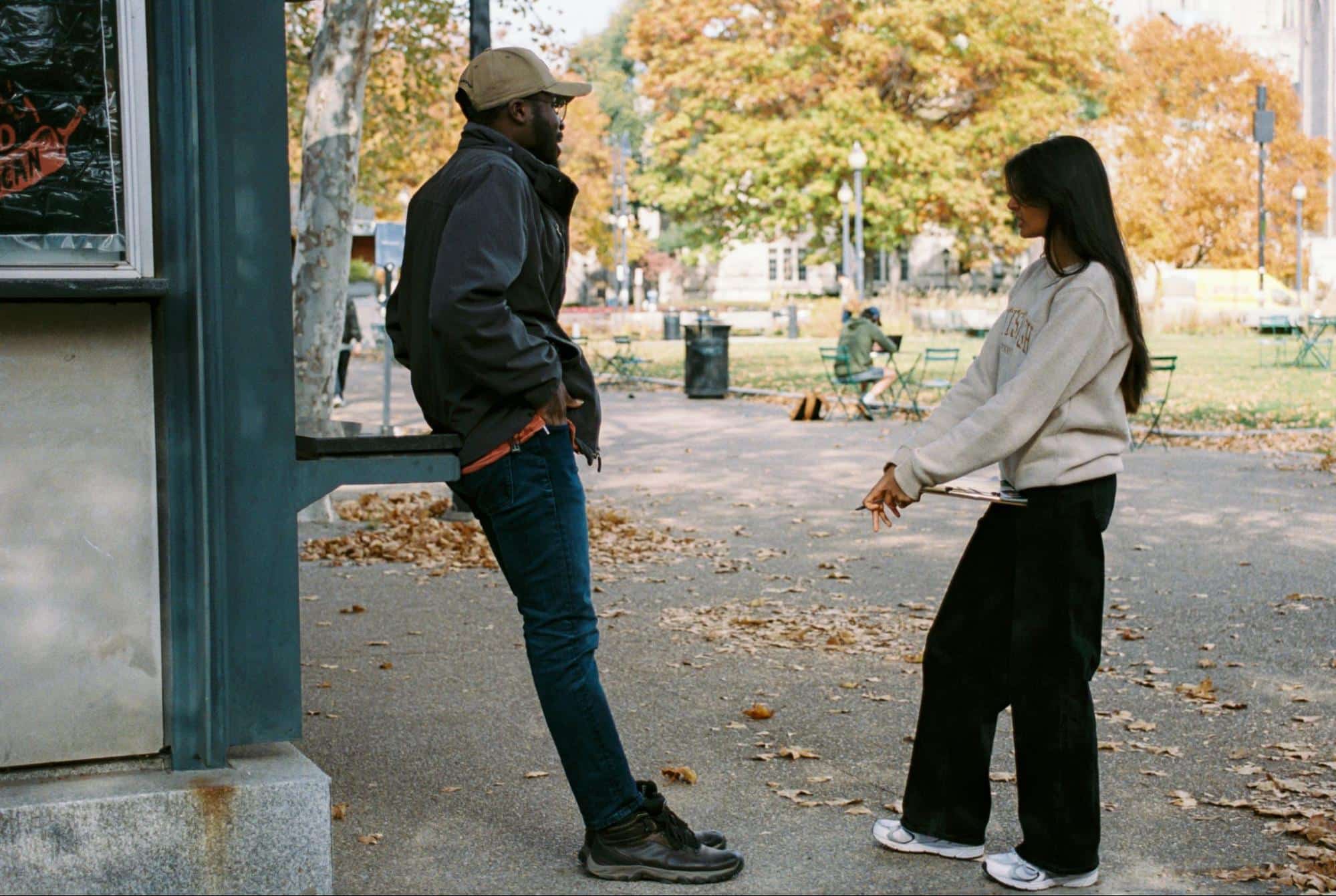
Emotional endings don’t always come with arguments, slammed doors, or dramatic exits. Often, they begin in silence, in the slow fading of effort, attention, and warmth. When a man starts disconnecting, it isn’t always intentional. He grows quiet, distracted, distant, not to punish, but because he’s emotionally tired. The withdrawal begins in subtle ways: fewer questions, shorter answers, less laughter. By the time he finally says the words, “I think I’m done,” the relationship has already been whispered about for a long time. What you’re hearing now is just the echo of what’s already left.
His Eyes Stop Meeting Yours the Same Way

Eyes reveal what words conceal. Once, his gaze lingered, now it drifted. He still looks at you, but the connection behind it feels hollow, like he’s seeing the surface but not reaching the soul. Emotional distance shows up before physical distance does. When a man starts avoiding eye contact, it’s rarely about shyness, it’s a sign his heart is somewhere else. Silence isn’t always absent; sometimes, it’s detachment wearing familiarity’s face.
Conversations Become Surface-Level

You still talk, but not like before. The dialogue has shifted from feelings to logistics, from sharing hearts to exchanging updates. He talks about work, traffic, or tasks, but avoids anything that makes him vulnerable. When emotional connection fades, conversation becomes mechanical. He doesn’t ask to understand anymore, he asks to fill silence. A relationship loses its intimacy long before it loses its words.
He Spends More Time in His Own World

He’s there, but not really. Maybe he’s glued to his phone, invested in work, or retreating into hobbies. What used to be shared time now feels like parallel lives. His “me time” isn’t about recharging, it’s about escaping. Men often retreat into solitude when they no longer feel emotionally safe. The distance grows quietly, one distraction at a time.
He Stops Asking About Your Day

It seems small, but it’s revealing. When someone stops asking, they stop engaging emotionally. He used to listen, now he nods, distracted, uninterested in details that once mattered. It’s not about rudeness; it’s about emotional depletion. When curiosity disappears, care often follows. Love doesn’t fade loudly, it fades through what’s no longer asked, noticed, or remembered.
His Patience Runs Short, Even Over Small Things

The things that once made him laugh now irritate him. He sighs more, snaps quicker, apologizes less. Frustration replaces understanding because empathy has run dry. When connection weakens, tolerance fades with it. His reactions reveal his emotional bandwidth, and lately, it’s shrinking. Detachment often looks like irritation before it turns into indifference.
He Avoids Conversations About the Relationship

Any attempt to discuss feelings feels like walking into a wall. He deflects, changes the subject, or says, “Let’s not talk about this right now.” When communication shuts down, it’s rarely about the topic, it’s about discomfort. Emotional distance thrives where vulnerability used to live. Silence becomes his armor. What he’s avoiding isn’t the argument, it’s the accountability.
Affection Feels Like Obligation, Not Desire

He still shows affection, but it feels different, rehearsed, distant, and hollow. The kisses are quick, the hugs half-hearted. Touch no longer communicates warmth; it simply maintains appearances. You can sense when love becomes duty. Emotional connection can’t be faked forever, physical closeness without emotional depth only amplifies the emptiness. Love that’s given out of habit feels colder than no love at all.
He No Longer Shares His Thoughts or Struggles

He keeps things to himself now. The man who once confided in you about his fears and dreams has gone quiet. Emotional openness has turned into guarded silence. When a man stops sharing, it’s not just privacy, it’s retreat. It means he no longer sees the relationship as a place of safety. The wall he builds isn’t anger, it’s self-protection from disappointment.
The Relationship Feels Predictable, and Not in a Comforting Way

You can predict every word, every move, every moment. The routine that once felt secure now feels empty. Predictability becomes emotional distance disguised as stability. He’s stopped creating new memories because he’s no longer emotionally invested in the present. When love loses surprise, it begins to lose meaning. Consistency without connection feels like coexistence, not partnership.
He Stops Making Plans for the Future

He avoids talking about vacations, anniversaries, or shared goals. The future, once filled with “we,” becomes filled with silence. It’s not that he can’t see a future, it’s that he no longer imagines it together. Emotional detachment always shows up in how people speak about tomorrow. When hope disappears from conversation, so does belonging.
Effort Turns Into Minimal Maintenance

He does enough to keep things functional, but not enough to keep them alive. Messages are short, gestures are fewer, and thoughtfulness becomes rare. It’s not neglect born of malice; it’s neglect born of disinterest. He’s still present, but only physically. The emotional effort that once built connection now feels like a chore.
He Starts Saying “I’m Tired” More Than “I Miss You”
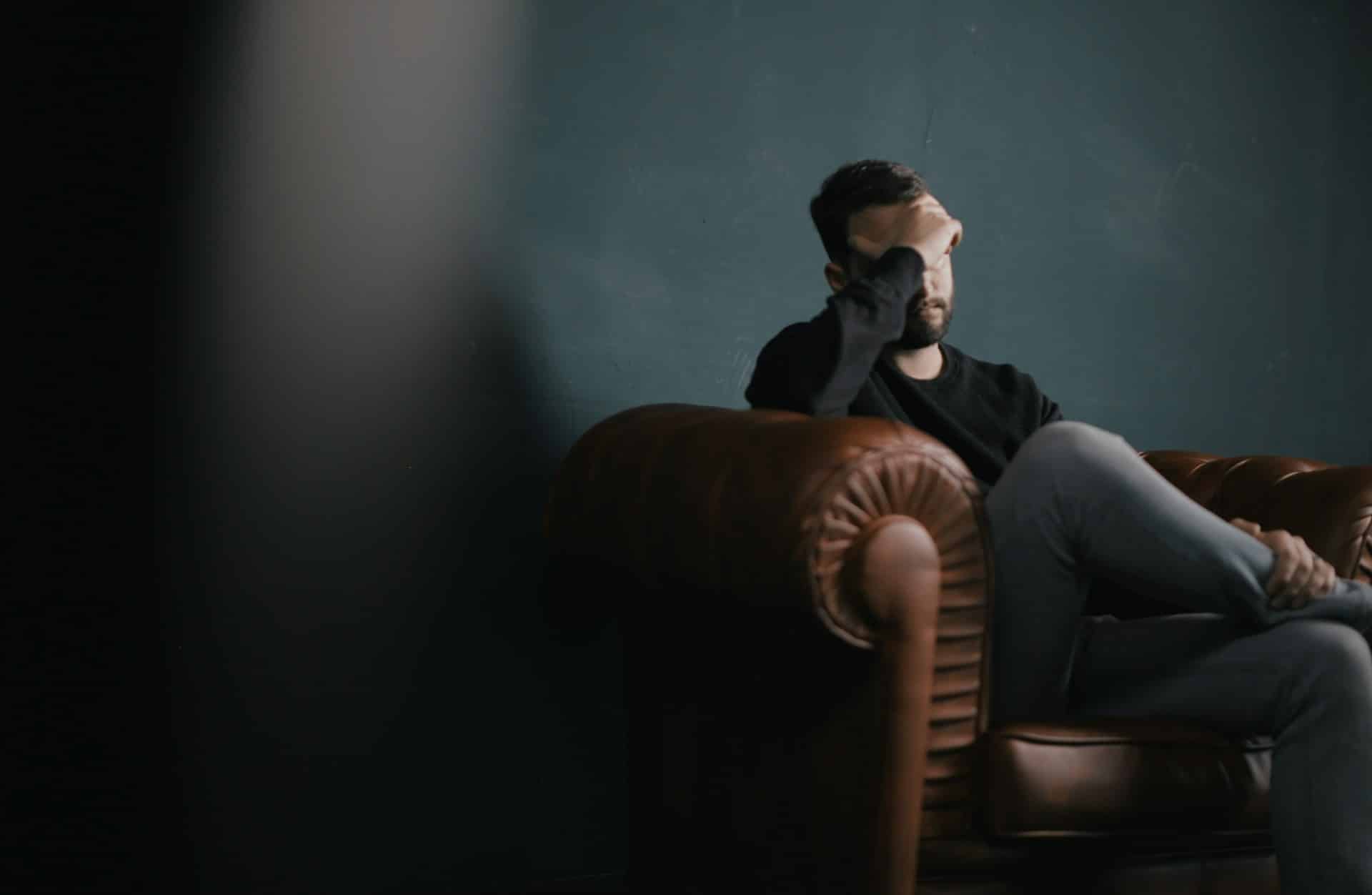
Fatigue becomes his constant state, a subtle excuse that shields emotional detachment. “I’m tired” often means “I’m emotionally drained from pretending.” Love requires energy, and when his heart’s no longer in it, even a simple connection feels exhausting. Emotional burnout replaces affection. He’s not tired of life, he’s tired of pretending to care the way he used to.
He Becomes Hyper-Independent

He stops consulting you, stops involving you in decisions. Independence becomes distance. He acts like he’s already living a separate life, even under the same roof. It’s not self-reliance, it’s disconnection in disguise. When partnership becomes optional, emotional detachment has already settled in.
You Feel Like You’re Walking on Eggs
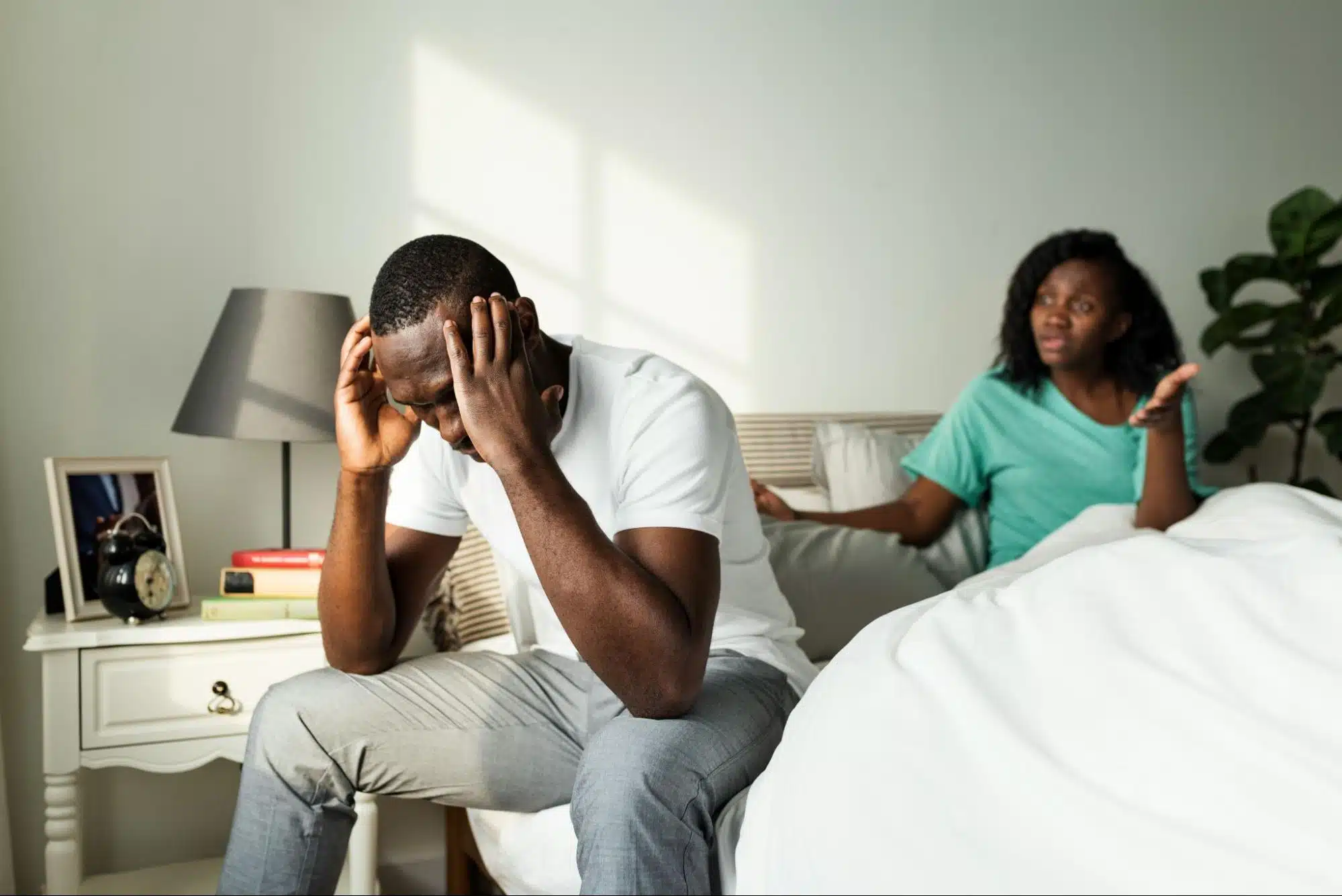
You measure every word, fearing that anything might set him off or push him further away. The comfort that once defined the relationship is gone. You’re no longer expressing, you’re managing. When love turns into emotional risk, something fundamental has broken. Fear replaces intimacy, and that’s how silence wins.
He Shows Indifference Instead of Anger

He doesn’t fight anymore, not because he’s calm, but because he no longer cares to repair. Anger used to mean engagement; now, there’s just quiet detachment. Indifference is the most dangerous emotion in love because it signals emotional death. You can reason with frustration, but not with apathy. When nothing matters, nothing can be saved.
He Avoids Physical Intimacy Without Explanation

Touch becomes rare, intimacy replaced by avoidance. He might say he’s tired or stressed, but deep down, it’s emotional distance manifesting physically. Physical connection requires emotional vulnerability, and when that fades, closeness feels forced. The absence of touch is often the loudest evidence of emotional absence. You can’t fake connection when the heart’s already gone quiet.
His Silence Feels Heavier Than Words Ever Could

There’s a certain kind of silence that doesn’t bring peace, it brings finality. He doesn’t argue, explain, or reassure anymore. He’s emotionally emptied, and his stillness says more than any confession could. You can feel it in the room, the space he’s already left behind. Love doesn’t always end in noise; sometimes, it ends in emotional quiet that echoes for years.
When Love Leaves Without a Sound

By the time he says he’s done, he’s usually been fading for weeks, months, or longer. Emotional withdrawal is never sudden, it’s a thousand small moments of disconnection that go unnoticed until it’s too late. Understanding this isn’t about fault; it’s about awareness. Some men shut down because they feel unheard, others because they’ve already given all they could. When a man goes quiet, it’s not always cruelty, sometimes, it’s surrender. The hardest endings aren’t spoken; they’re felt.








Ask Me Anything